 English
 Español
Content
- 1 Industrial Engineering: durable ribbed knitted fabric for winter cardigans
- 2 Performance Standards: versatile ribbed knitted trim for garment cuffs and collars
- 3 Eco-Friendly Comfort: sustainable cotton ribbed knitted material for loungewear
- 4 Weather Protection: heavyweight ribbed knitted textile for outdoor sweaters
- 5 Fashion Aesthetics: soft ribbed knitted structure for form-fitting dresses
- 6 Frequently Asked Questions (FAQ)
- 6.1 H3: Why is ribbing better than jersey for winter clothing?
- 6.2 H3: Can your machines handle different yarn counts for ribbing?
- 6.3 H3: What is the benefit of a double-needle bed for Ribbed Knitted fabric?
- 6.4 H3: How do you ensure the durability of trims for international brands?
- 6.5 H3: Is cotton ribbing suitable for high-end loungewear?
- 7 References
The textile industry relies heavily on specific structural designs to achieve a balance between functionality and aesthetics. Among these, the Ribbed Knitted structure stands out as a fundamental engineering marvel. Characterized by its alternating knit and purl stitches, this material offers unique mechanical properties that flat knits cannot replicate. For B2B procurement specialists and garment engineers, understanding the technical nuances of ribbing is essential for high-performance product development.
Industrial Engineering: durable ribbed knitted fabric for winter cardigans
The Mechanics of Elasticity and Warmth in Heavy Knits
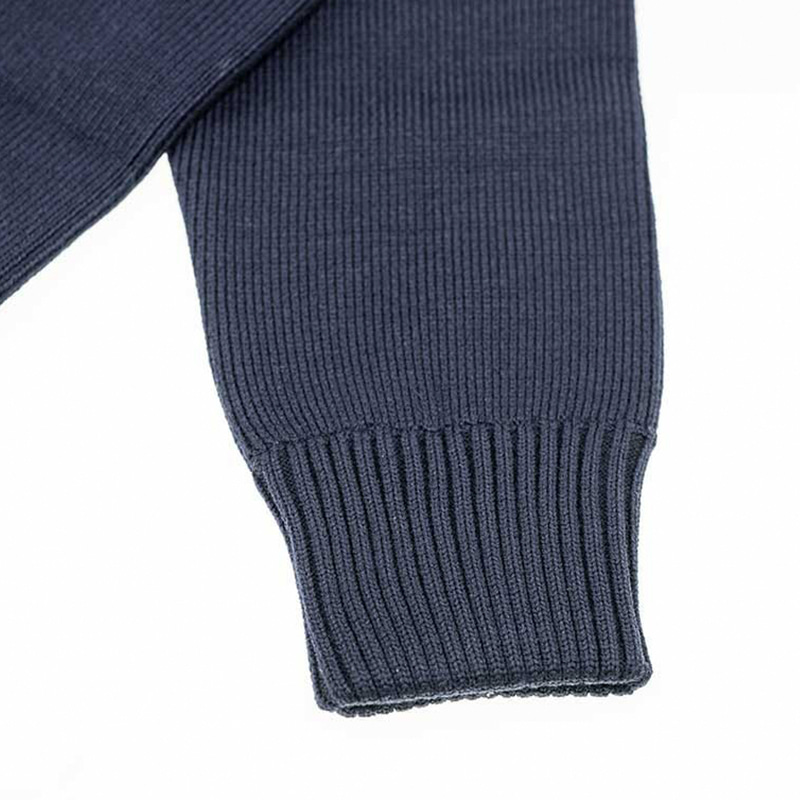
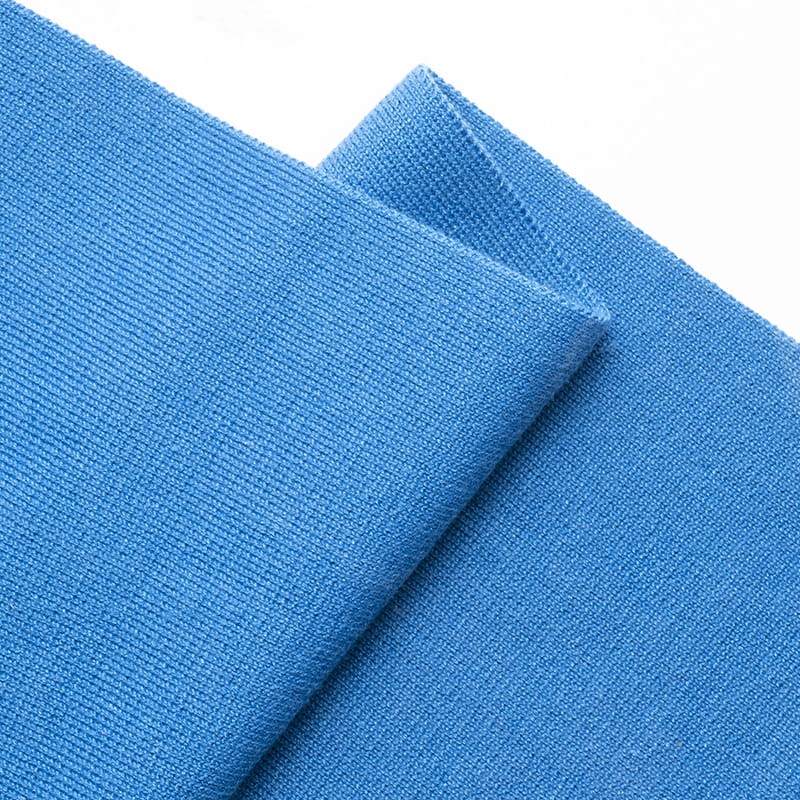
The technical superiority of durable ribbed knitted fabric for winter cardigans lies in its reversible, corrugated structure. By utilizing a double-needle bed process, the fabric creates vertical ridges that act like an accordion. This geometry allows the textile to expand significantly under tension and return to its original state without permanent deformation. Furthermore, the "peaks and valleys" of the ribbing trap ambient air within the fabric structure. Since air is a poor conductor of heat, these micro-pockets serve as an effective thermal barrier against cold environments.
Advanced Production at Jilida Garment Accessories
Engineering a consistent rib requires high-precision machinery and extensive manufacturing history. Founded in 2002, Jiaxing Zhapu Jilida Garment Accessories Co., Ltd. brings 18 years of development expertise to the global market. Our facility in the Jiaxing Port District Venture Innovation Centre operates with 20 sets of computerized flat knitting machines imported from Germany. These machines allow for digital control over stitch tension, which is critical for preventing the "wavy" edges often seen in lower-quality knits. With over 100 additional domestic flat knitting machines, our 2000-square-meter workshop maintains a high output for specialized ribbing components.
- German Engineering: Precise needle selection for uniform 1x1, 2x2, and 4x4 rib patterns.
- Tension Management: Digital sensors monitor yarn intake to ensure the fabric does not lose its elastic modulus over time.
- Scale: A 2000-square-meter warehouse ensures raw material availability for high-volume wholesale orders.
| Feature | Standard Single Jersey | Ribbed Knitted Fabric |
| Crosswise Stretch | Limited (approx. 20-30%) | High (up to 100% or more) |
| Edge Stability | Tends to curl toward the face | Lies flat and stable |
| Insulation Value | Low (flat surface) | High (air-trapping ridges) |
Performance Standards: versatile ribbed knitted trim for garment cuffs and collars
Shape Retention and Recovery in High-Wear Components
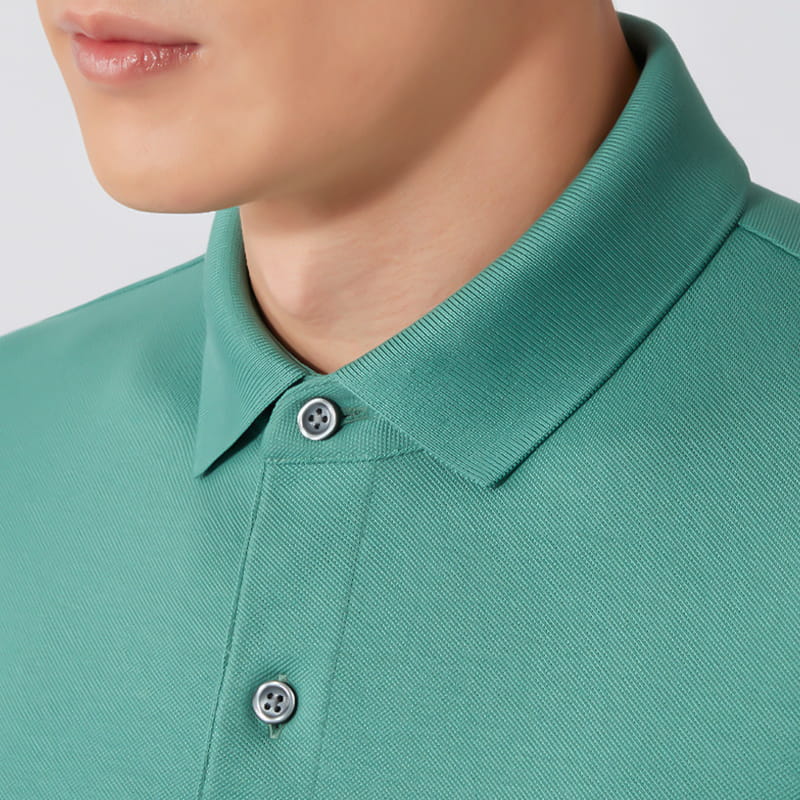
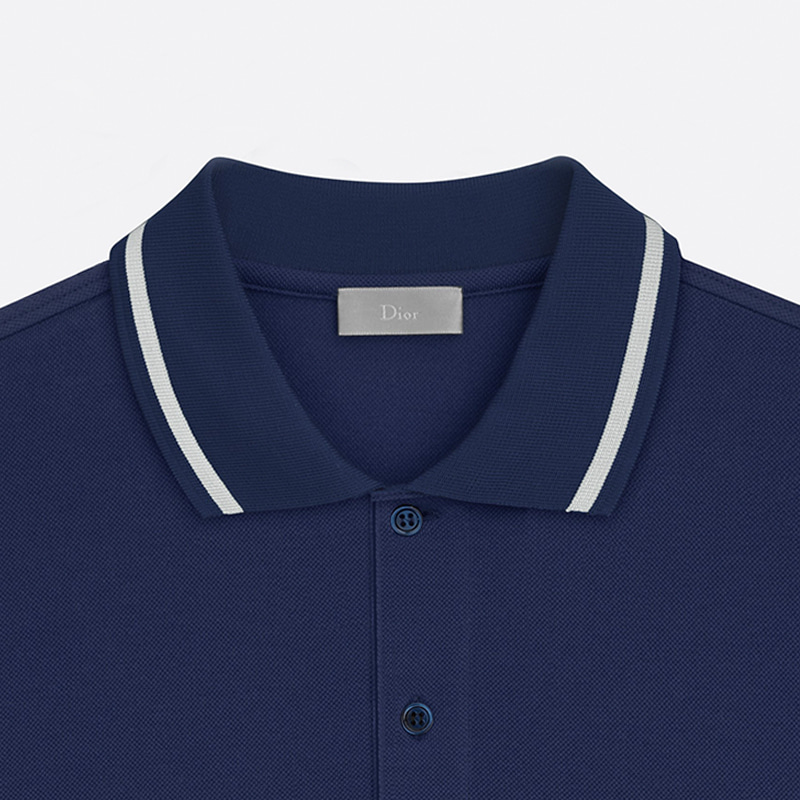
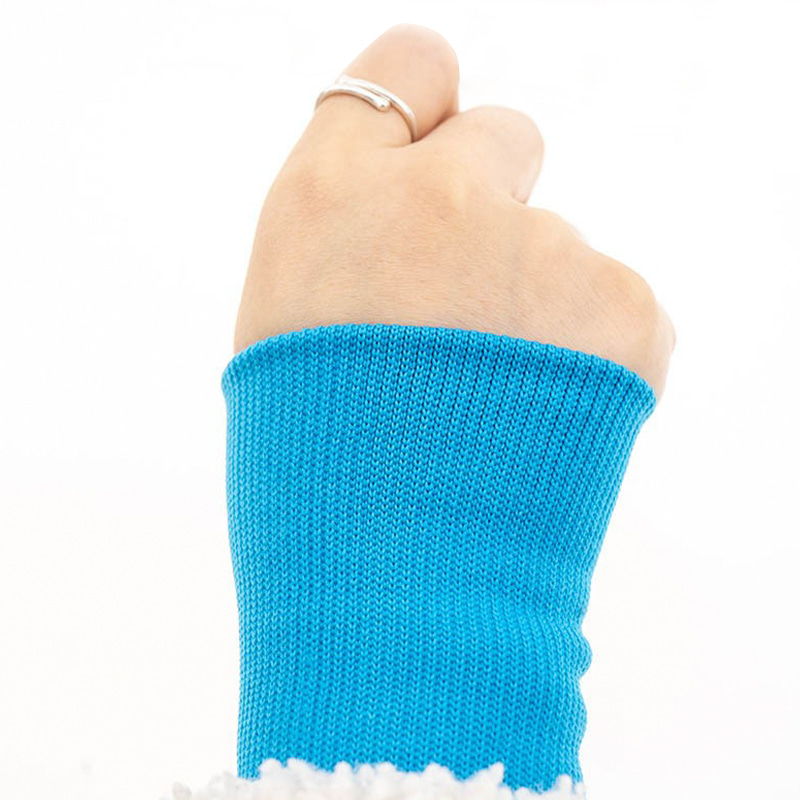
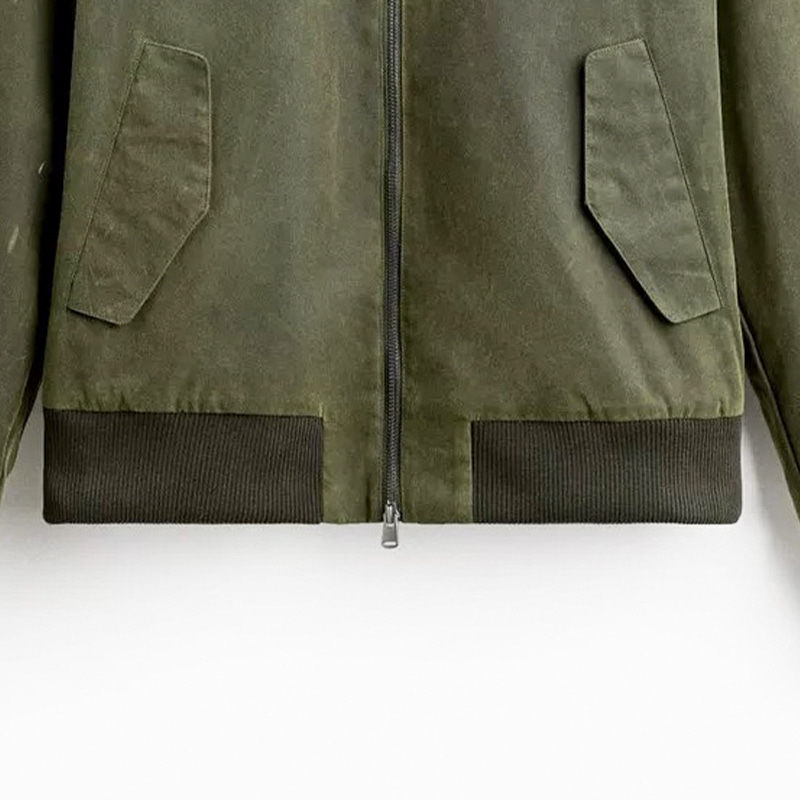
Garment cuffs and necklines are subject to constant mechanical stress. A versatile ribbed knitted trim for garment cuffs and collars must provide sufficient "recovery force" to keep the garment sealed against the body. Engineers often specify a mix of natural fibers and elastomers like spandex to enhance this recovery. The ribbing functions as a structural anchor, ensuring that the openings of a sweater or jacket do not become over-stretched after repetitive use. This is particularly vital for the export market, where product longevity directly impacts brand reputation.
Global Supply Chain Excellence
First-line international brands require rigorous quality standards for their trim components. Our long-term cooperative relationships with major global fashion labels demonstrate our ability to meet these technical specifications. By maintaining a large-scale production base, we provide reliable components that undergo strict pilling and elasticity tests before they are exported overseas. Our technical team works directly with buyers to customize the "hand-feel" and "snap-back" properties of the ribbing to match specific garment weights.
Eco-Friendly Comfort: sustainable cotton ribbed knitted material for loungewear
Breathability and Physiological Comfort of Natural Ribs
For modern interior apparel, sustainable cotton ribbed knitted material for loungewear is the preferred choice for thermal comfort. Cotton is naturally hygroscopic, meaning it absorbs moisture from the skin. When cotton is knitted into a rib structure, the increased surface area allows for faster moisture evaporation. The vertical channels promote vertical airflow, which prevents the wearer from overheating during rest. This combination of material science and textile geometry provides a superior physiological experience compared to synthetic alternatives.
| Property | Synthetic Ribbing | Sustainable Cotton Ribbing |
| Moisture Absorption | Low (Hydrophobic) | High (Hydrophilic) |
| Skin Sensitivity | Potential for irritation | Hypoallergenic and soft |
| Environmental Impact | Non-biodegradable | Fully Biodegradable |
Weather Protection: heavyweight ribbed knitted textile for outdoor sweaters
GSM Specifications and Insulation for Extreme Cold
In the B2B sector, weight is a primary indicator of performance. A heavyweight ribbed knitted textile for outdoor sweaters typically requires a high Grams per Square Meter (GSM) rating, often exceeding 400 GSM. This density is achieved by using thicker yarn counts and a tighter knitting gauge on our flat knitting machines. The result is a rugged fabric that provides high wind resistance and structural thickness, essential for protective gear in extreme environments.
- High Gauge Density: Increases the wind-breaking capabilities of the knit.
- Yarn Selection: Heavy-duty wool or blended yarns are utilized for maximum durability.
- R&D Focus: Our innovation centre continuously tests new yarn combinations for better abrasion resistance.
Fashion Aesthetics: soft ribbed knitted structure for form-fitting dresses
The Sculpting Effect of Vertical Ridges
The visual appeal of a soft ribbed knitted structure for form-fitting dresses comes from its ability to contour to the human form. The vertical lines create a slimming effect, while the lateral stretch allows the dress to fit various body types without the need for complex tailoring or darts. Professional designers prefer ribbing because it provides "natural compression," smoothing out lines while maintaining a soft, luxurious touch. Achieving this requires a fine-gauge machine and high-quality combed yarns to ensure the surface is free from imperfections.
Frequently Asked Questions (FAQ)
H3: Why is ribbing better than jersey for winter clothing?
Ribbing provides a thicker cross-section and more air pockets than jersey. This makes it a much better insulator. It also has better stretch recovery, so it keeps its shape after many wears.
H3: Can your machines handle different yarn counts for ribbing?
Yes. Our imported German flat knitting machines can be adjusted for various gauges. We can produce everything from fine-gauge soft ribbed knitted structure for form-fitting dresses to very thick outdoor materials.
H3: What is the benefit of a double-needle bed for Ribbed Knitted fabric?
The double-needle bed allows the machine to knit on both sides simultaneously. This creates a balanced fabric that does not curl at the edges and has equal elasticity on both the face and back.
H3: How do you ensure the durability of trims for international brands?
We use high-tenacity yarns and specific knitting densities. Our 18 years of experience allow us to calibrate machines to produce versatile ribbed knitted trim for garment cuffs and collars that pass strict international friction and stretch tests.
H3: Is cotton ribbing suitable for high-end loungewear?
Absolutely. sustainable cotton ribbed knitted material for loungewear offers a premium hand-feel and excellent breathability. It is a top choice for brands focusing on comfort and eco-friendly materials.
References
- Spencer, D. J. (2001). Knitting Technology: A Comprehensive Handbook and Practical Guide. Woodhead Publishing.
- Au, W. M. (2011). Advances in Knitting Technology. Elsevier Science & Technology.
- Ray, S. C. (2012). Fundamentals and Advances in Knitting Technology. Woodhead Publishing India.