 English
 Español
Content
- 1 Understanding Jacquard Ribbed Knit Fabric
- 2 Sourcing Strategies for Industrial Buyers
- 3 Technical Processing Guidelines
- 4 Material Maintenance Protocols
- 5 Specialized Industrial Applications
- 6 Production Capabilities and Quality Assurance
- 7 Frequently Asked Questions
- 7.1 What minimum order quantity does Jiaxing Zhapu Jilida require for custom jacquard patterns?
- 7.2 How does jacquard ribbed knit fabric differ from standard printed rib knits?
- 7.3 What lead time should buyers expect for wholesale jacquard ribbed knit fabric orders?
- 7.4 Can cotton jacquard ribbed knit fabric be used for outdoor furniture applications?
- 7.5 What technical support does your company provide for sewing and processing challenges?
- 8 References
Finding reliable sources for jacquard ribbed knit fabric requires understanding both material specifications and supplier capabilities. This guide provides technical insights for procurement professionals seeking high-quality textile solutions.
Understanding Jacquard Ribbed Knit Fabric
What Makes Jacquard Ribbed Knit Unique?
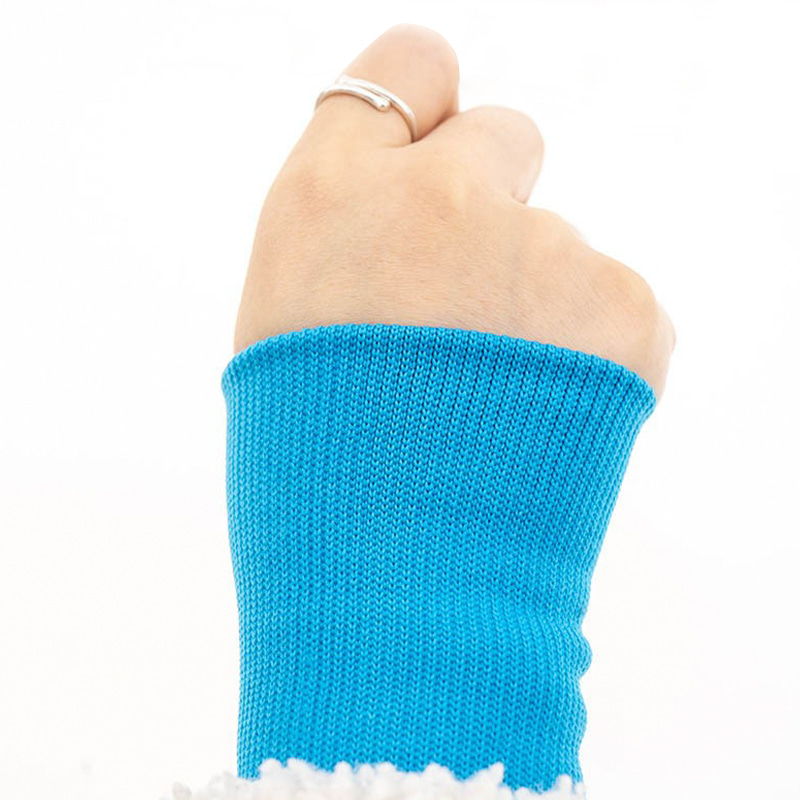
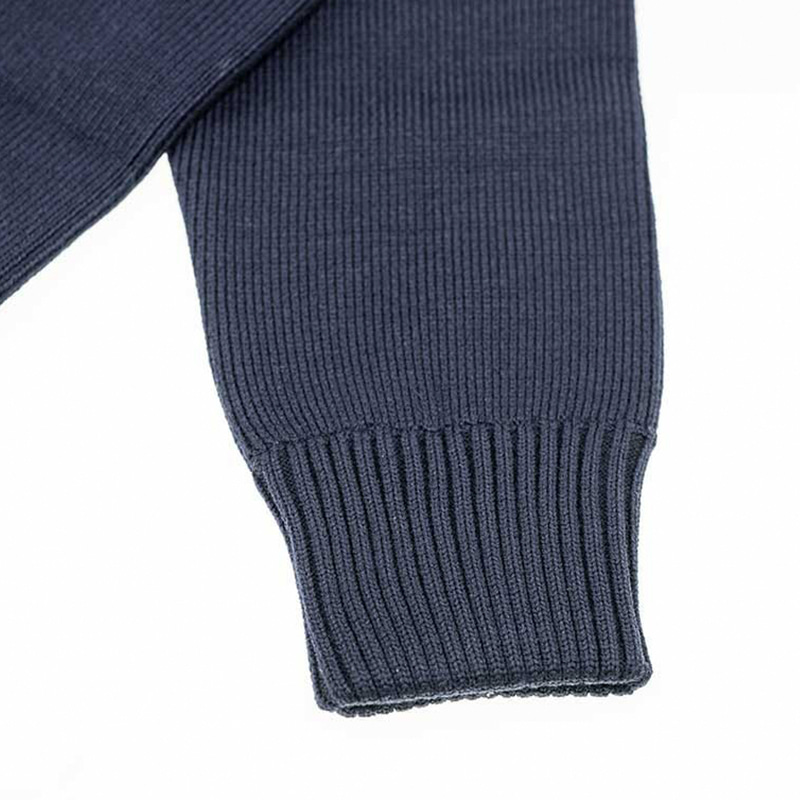
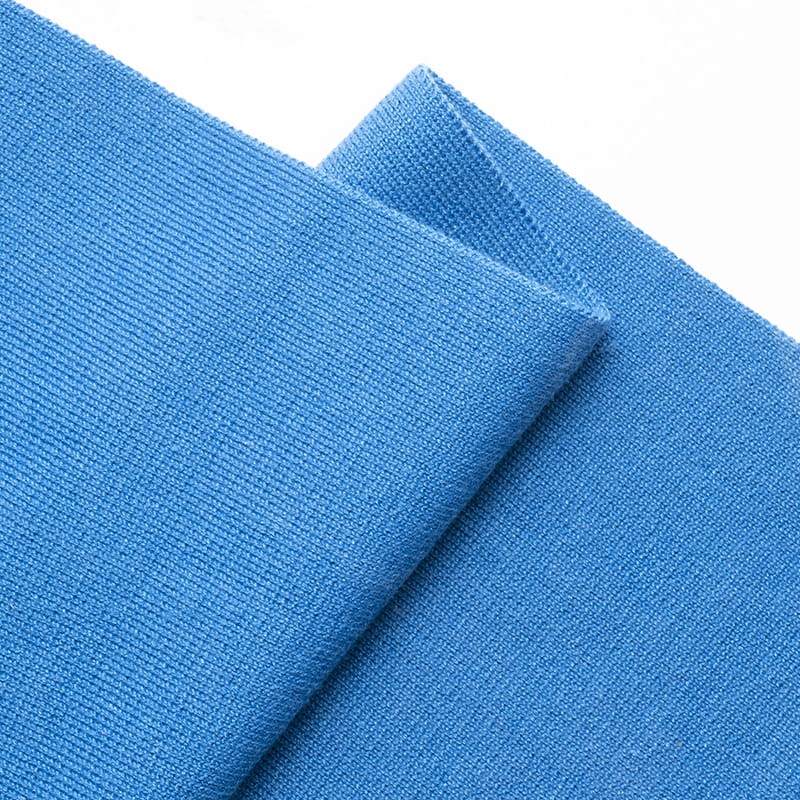
Jacquard ribbed knit fabric combines two distinct textile technologies. The jacquard mechanism creates intricate woven patterns through individual warp thread control. Rib knitting produces vertical columns of alternating knit and purl stitches. Together, they yield textiles with both decorative complexity and structural elasticity.
The manufacturing process involves computerized flat knitting machines. These machines execute precise needle selections across multiple feeders. Pattern data transfers directly from CAD systems to machine controllers. This integration ensures repeatability across production batches.
Structural Properties and Performance Metrics
Engineers evaluate these fabrics through specific technical parameters:
- Course density: 12-18 courses per centimeter
- Wale density: 8-12 wales per centimeter
- Weight range: 180-350 grams per square meter
- Stretch recovery: 85-95% after 30% elongation
- Pattern repeat capability: Up to 2,000 needles per row
Sourcing Strategies for Industrial Buyers
Evaluating Wholesale Jacquard Ribbed Knit Fabric Suppliers
Selecting appropriate wholesale jacquard ribbed knit fabric suppliers demands systematic assessment. Procurement teams should verify production infrastructure before committing to partnerships.
Jiaxing Zhapu Jilida Garment Accessories Co., Ltd. operates from Jiaxing Port District Venture Innovation Centre. Established in 2002, the company has developed manufacturing expertise over 18 years. Their facility includes 2,000 square meters of production space and 2,000 square meters of material warehousing. The equipment inventory comprises 20 computerized flat knitting machines imported from Germany and over 100 domestic flat knitting units. This configuration enables comprehensive ribbing production capabilities.
The company maintains collaborative relationships with international first-line brands. These partnerships demonstrate compliance with stringent quality protocols. Products export to overseas markets across multiple continents.
Supplier Evaluation Criteria
Industrial buyers should compare potential suppliers across operational dimensions:
Technical capability assessment requires examining machinery specifications. German-imported equipment typically offers pattern precision within 0.1 millimeters. Domestic machines provide cost efficiency for standard patterns. Production capacity depends on machine count and operational shifts.
| Evaluation Factor | High-Performance Supplier | Standard Supplier |
| Equipment Origin | German computerized systems | Basic domestic machinery |
| Pattern Complexity | Multi-color jacquard capability | Single or dual color only |
| Production Volume | 10,000+ meters monthly | 3,000-5,000 meters monthly |
| Quality Certification | ISO 9001, OEKO-TEX Standard 100 | Basic factory audit |
| Sample Lead Time | 3-5 business days | 7-14 business days |
Purchasing Jacquard Ribbed Knit Fabric by the Yard
Small-scale manufacturers and prototype developers often require jacquard ribbed knit fabric by the yard. This purchasing model accommodates limited production runs and sampling requirements.
Minimum order quantities vary by supplier infrastructure. Facilities with dedicated sample departments typically offer lower yardage minimums. Jiaxing Zhapu Jilida supports flexible ordering through their warehouse management system. Their 2,000 square meter material warehouse maintains inventory for rapid fulfillment.
Cost structures differ between bulk and yardage purchasing:
| Purchase Model | Price Per Meter | Lead Time | Customization Options |
| Bulk wholesale (1,000m+) | Base price minus 15-25% | 15-21 days production | Full color and pattern customization |
| Medium volume (100-999m) | Standard price list | 7-14 days from stock | Limited color selection |
| By the yard (under 100m) | Base price plus 30-50% | Immediate from stock | Stock patterns only |
Technical Processing Guidelines
How to Sew Jacquard Ribbed Knit Fabric
Manufacturing teams must understand how to sew jacquard ribbed knit fabric to maintain material integrity. These textiles present unique challenges due to their dual-structure composition.
Needle selection critically affects seam quality. Ball-point needles prevent fiber damage in knitted structures. Size selection depends on fabric weight:
- Lightweight (under 200 gsm): Size 70/10 ball-point
- Medium weight (200-280 gsm): Size 80/12 ball-point
- Heavyweight (over 280 gsm): Size 90/14 ball-point
Thread composition requires matching elasticity characteristics. Polyester-core spun threads provide optimal seam stretch. Pure cotton threads risk seam breakage during wear.
Machine Configuration Parameters
Industrial sewing equipment requires specific adjustments:
| Parameter | Standard Setting | Jacquard Ribbed Knit Adjustment |
| Stitch type | Lockstitch (301) | Lightning stitch (304) or narrow zigzag (304) |
| Stitch density | 12 stitches per inch | 10-11 stitches per inch |
| Presser foot pressure | Standard medium | Reduced by 20-30% |
| Feed mechanism | Standard drop feed | Differential feed essential |
| Needle thread tension | 150-200 grams | 120-150 grams |
Material Maintenance Protocols
Cotton Jacquard Ribbed Knit Fabric Care Instructions
End-product durability depends on proper care guidance. Cotton jacquard ribbed knit fabric care instructions must address fiber-specific behaviors and structural considerations.
Cotton fibers absorb moisture readily. This characteristic influences washing protocols. High temperatures cause shrinkage through fiber relaxation. Mechanical agitation distorts ribbed structures.
Recommended washing parameters:
- Water temperature: Maximum 30°C (86°F)
- Cycle type: Gentle or delicate
- Detergent: pH-neutral, enzyme-free formulation
- Load size: 50% of machine capacity maximum
- Spin speed: 600-800 RPM maximum
Drying and Storage Methods
Tumble drying presents risks for dimensional stability. Heat exposure above 60°C causes irreversible shrinkage. Mechanical tumbling stresses ribbed columns.
| Drying Method | Shrinkage Risk | Time Required | Surface Quality Impact |
| Flat drying (recommended) | Minimal (under 2%) | 12-24 hours | Preserves rib definition |
| Line drying | Low (2-3%) | 6-12 hours | Potential shoulder distortion |
| Tumble dry low | Moderate (3-5%) | 40-60 minutes | Surface fuzzing possible |
| Tumble dry medium/high | High (5-10%) | 30-40 minutes | Significant texture degradation |
Storage conditions affect long-term performance. Humidity levels between 45-55% prevent mold growth and fiber degradation. Direct sunlight exposure causes color fading in jacquard patterns.
Specialized Industrial Applications
Jacquard Ribbed Knit Fabric for Upholstery Use
Furniture manufacturers increasingly specify jacquard ribbed knit fabric for upholstery use. These applications demand enhanced durability specifications compared to apparel uses.
Upholstery grade requirements include:
- Abrasion resistance: Minimum 40,000 Martindale cycles
- Color fastness: Grade 4+ for light and rubbing
- Seam slippage: Maximum 6mm at 200N load
- Flammability: Compliance with CAL 117 or BS 5852
The ribbed structure provides ergonomic benefits. Vertical ribs create air channels that reduce heat retention. Jacquard patterns enable brand customization without secondary processing.
Performance Comparison: Upholstery vs. Apparel Grades
| Property | Apparel Grade | Upholstery Grade |
| Weight range | 180-250 gsm | 280-400 gsm |
| Abrasion resistance | 15,000-25,000 cycles | 40,000-100,000 cycles |
| Stretch recovery requirement | 85% minimum | 75% minimum |
| Pattern complexity | High priority | Moderate priority |
| Cost per meter | Standard pricing | Premium pricing (20-40% higher) |
Production Capabilities and Quality Assurance
Infrastructure for Large-Scale Manufacturing
Jiaxing Zhapu Jilida maintains production infrastructure designed for industrial-scale output. Their equipment mix balances precision and volume capacity.
The 20 German-imported computerized flat knitting machines execute complex jacquard patterns. These units handle multi-feeder color work with electronic needle selection. The 100+ domestic machines manage standard ribbing production efficiently.
Quality control protocols include:
- In-line inspection at every production stage
- Automated fabric defect detection systems
- Tensile strength testing per batch
- Dimensional stability verification
- Color matching against approved standards
Supply Chain Integration
The 2,000 square meter material warehouse enables just-in-time delivery programs. Inventory management systems track lot numbers for traceability. This infrastructure supports consistent supply for long-term manufacturing contracts.
Frequently Asked Questions
What minimum order quantity does Jiaxing Zhapu Jilida require for custom jacquard patterns?
Custom pattern development requires minimum orders of 500 meters per colorway. This threshold covers programming costs for the computerized jacquard system. Stock patterns available in the material warehouse support lower minimums starting at 100 meters.
How does jacquard ribbed knit fabric differ from standard printed rib knits?
Jacquard ribbed knit fabric integrates patterns directly into the knit structure. Individual needles select specific yarns during formation. Printed rib knits apply surface designs to pre-formed fabric. Jacquard construction offers superior pattern durability and texture integration. Print methods risk surface cracking and color fading through wash cycles.
What lead time should buyers expect for wholesale jacquard ribbed knit fabric orders?
Standard wholesale orders from existing patterns ship within 7-10 business days from confirmed payment. Custom pattern development extends lead times to 21-28 days. This duration includes CAD programming, sample approval, and production scheduling. Bulk orders exceeding 5,000 meters may require additional production allocation time.
Can cotton jacquard ribbed knit fabric be used for outdoor furniture applications?
Standard cotton compositions require modification for outdoor use. Untreated cotton absorbs moisture and degrades under UV exposure. Outdoor-grade specifications require solution-dyed acrylic or polyester fiber content. Jiaxing Zhapu Jilida can engineer weather-resistant variants upon request. These modifications affect minimum order quantities and pricing structures.
What technical support does your company provide for sewing and processing challenges?
Jiaxing Zhapu Jilida provides comprehensive technical documentation with each shipment. This includes recommended needle specifications, stitch parameters, and care labeling guidance. Engineering consultation services assist with specialized applications. Sample yardage includes processing recommendations specific to the delivered fabric construction.
References
- Spencer, D. J. (2001). Knitting Technology: A Comprehensive Handbook and Practical Guide. Woodhead Publishing.
- International Organization for Standardization. (2019). ISO 6330: Textiles — Domestic washing and drying procedures for textile testing.
- ASTM International. (2018). ASTM D4966-12: Standard Test Method for Abrasion Resistance of Textile Fabrics (Martindale Abrasion Tester Method).
- European Committee for Standardization. (2015). EN 14878: Textiles — Burning behaviour of children's nightwear — Specification.
- Textile Institute. (2016). Textile Terms and Definitions. 11th Edition. The Textile Institute.
- Shishoo, R. L. (2005). Textiles in Sport. Woodhead Publishing.