 English
 Español
Content
- 1 Understanding the Engineering of a Knitted Ribbed Collar
- 2 Top 5 High-Search-Volume Long-Tail Keywords in Context
- 3 Comparative Analysis: Standard vs. High-Performance Collars
- 4 Manufacturing Processes and Quality Control
- 5 Innovations in Sustainability and Durability
- 6 Frequently Asked Questions (FAQ)
- 6.1 1. What is the ideal fabric composition for a durable knitted ribbed collar?
- 6.2 2. How does gauge affect the quality of a knitted ribbed collar?
- 6.3 3. How do I verify the color fastness of a wholesale knitted ribbed collar?
- 6.4 4. What causes a knitted ribbed collar to curl, and how can it be prevented?
- 7 References
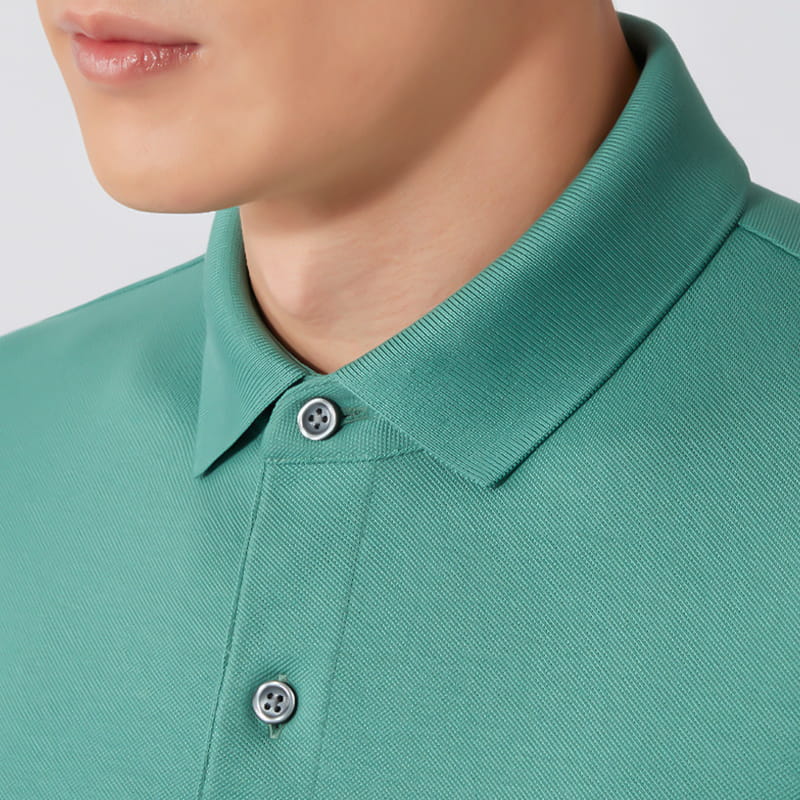
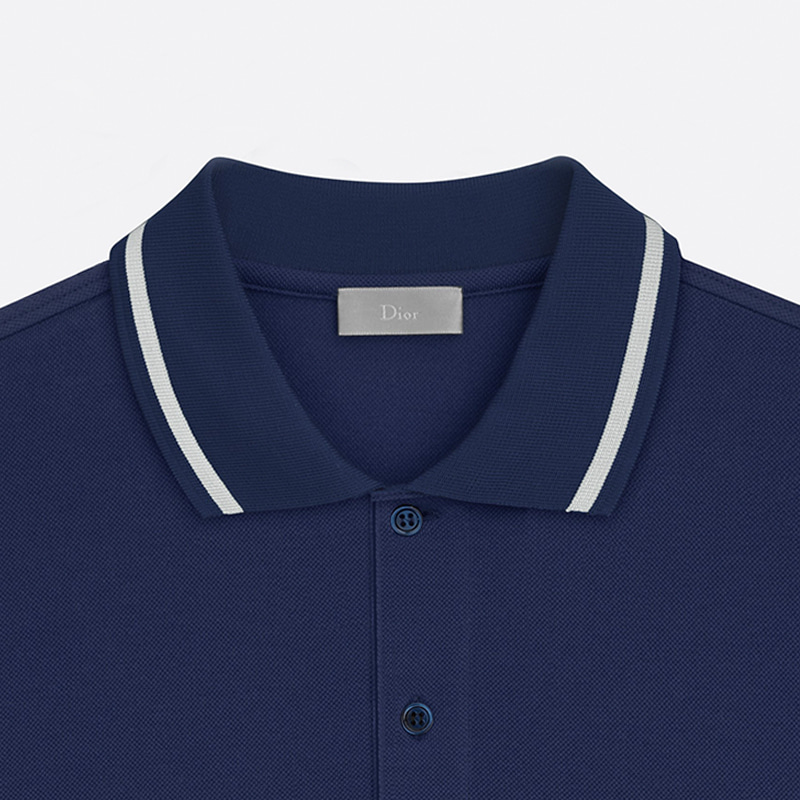
In the world of garment manufacturing, the collar is not merely an aesthetic detail. It defines the structure, durability, and overall quality perception of a product. For buyers and wholesalers in the apparel industry, understanding the technical nuances of a Knitted Ribbed Collar is crucial. This component directly influences customer satisfaction and a garment's lifespan. This article explores the engineering, material selection, and performance standards behind this critical textile element, offering insights at a level suited for B2B professionals.
Understanding the Engineering of a Knitted Ribbed Collar
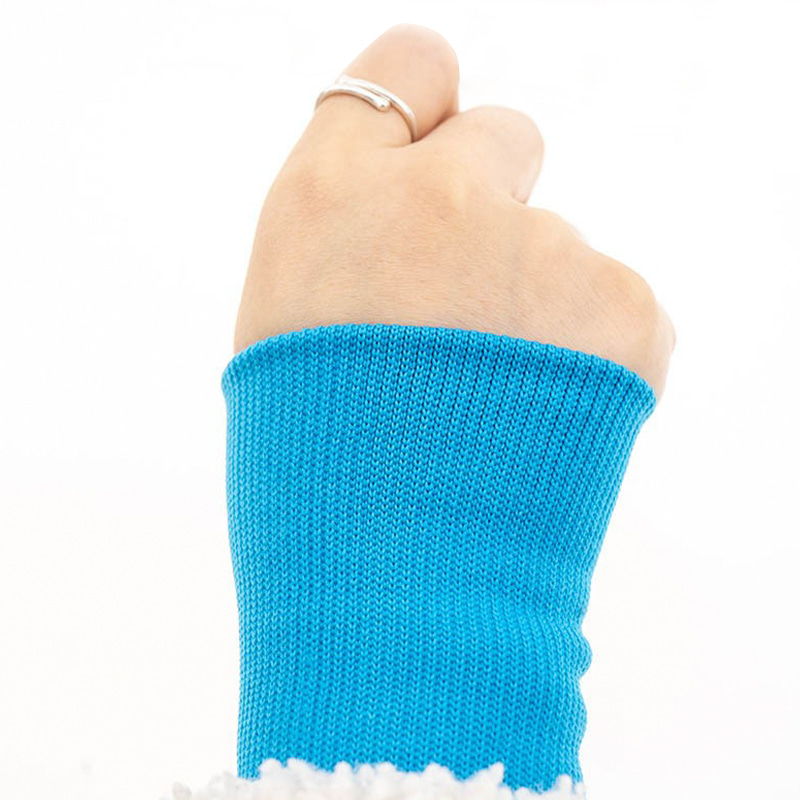
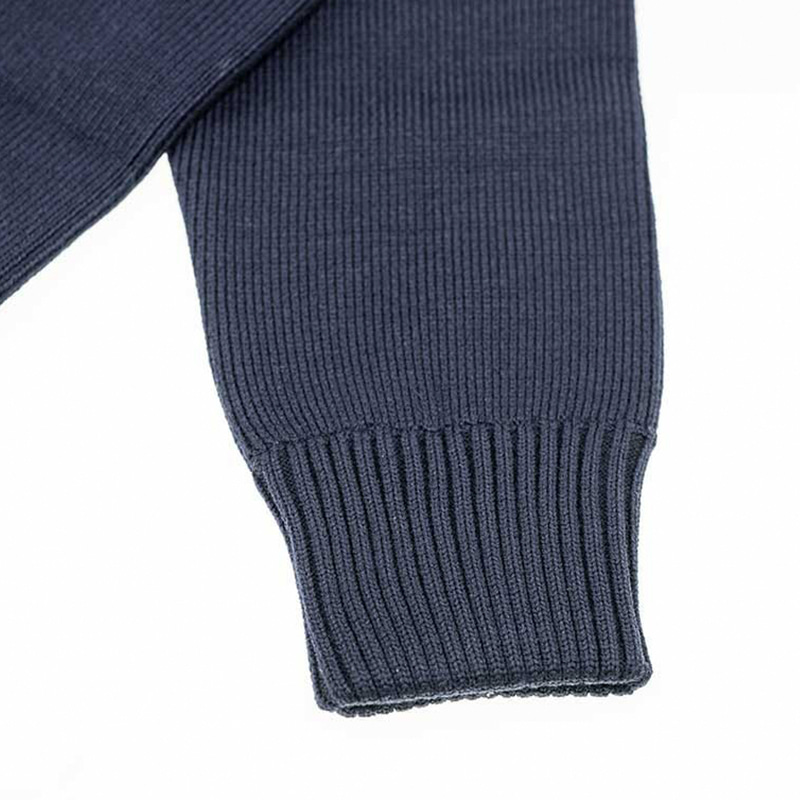
A Knitted Ribbed Collar is defined by its unique structure. Unlike woven fabrics, knitting creates interlocking loops that provide inherent elasticity. The ribbed pattern—typically 1x1, 2x2, or 2x1—alternates knit and purl stitches. This configuration allows the collar to compress and recover repeatedly. For manufacturers, the key performance metric is recovery rate. A high-quality collar maintains its shape after repeated stretching, which is non-negotiable for premium apparel.
Material Composition and Yarn Selection
The base yarn dictates the collar’s hand-feel and durability. Cotton provides breathability but lacks elasticity. Polyester offers strength and wrinkle resistance. However, the industry standard for high-performance collars involves a blend. A common composition is 95% Cotton and 5% Spandex or 65% Polyester and 35% Cotton. The inclusion of elastane or spandex ensures the Knitted Ribbed Collar retains its tension. Wholesale buyers must assess the yarn count (e.g., 40s, 60s) because finer yarns produce a smoother surface but require higher-quality knitting machines to prevent breakage.
Technical Specifications for B2B Buyers
When sourcing, professionals rely on quantifiable data. The following technical aspects define the quality tier of a Knitted Ribbed Collar.
- Gauge (Machine Type): 12-gauge machines produce heavier, structured collars suitable for outerwear. 16-gauge machines create finer, softer collars ideal for polo shirts.
- Stitch Density: Measured in courses per inch (CPI) and wales per inch (WPI). Higher density indicates tighter construction, reducing pilling and increasing shape retention.
- Washing Shrinkage: Pre-shrunk materials should guarantee less than 3% shrinkage after industrial laundering to meet compliance standards.
- Color Fastness: A minimum rating of 4 on the AATCC Gray Scale for both color change and staining is required for commercial orders.
Top 5 High-Search-Volume Long-Tail Keywords in Context
Industry professionals frequently search for specific solutions. Understanding these queries helps align product development with market demand. We have integrated the top five high-search-volume long-tail keywords to address precise manufacturing needs.
- custom knitted ribbed collar manufacturer: This term is critical for brands seeking unique specifications. Customization involves adjusting the height, width, and fabric composition to match specific garment designs. Unlike standard collars, custom options require tight communication regarding pattern grading and shrinkage allowances.
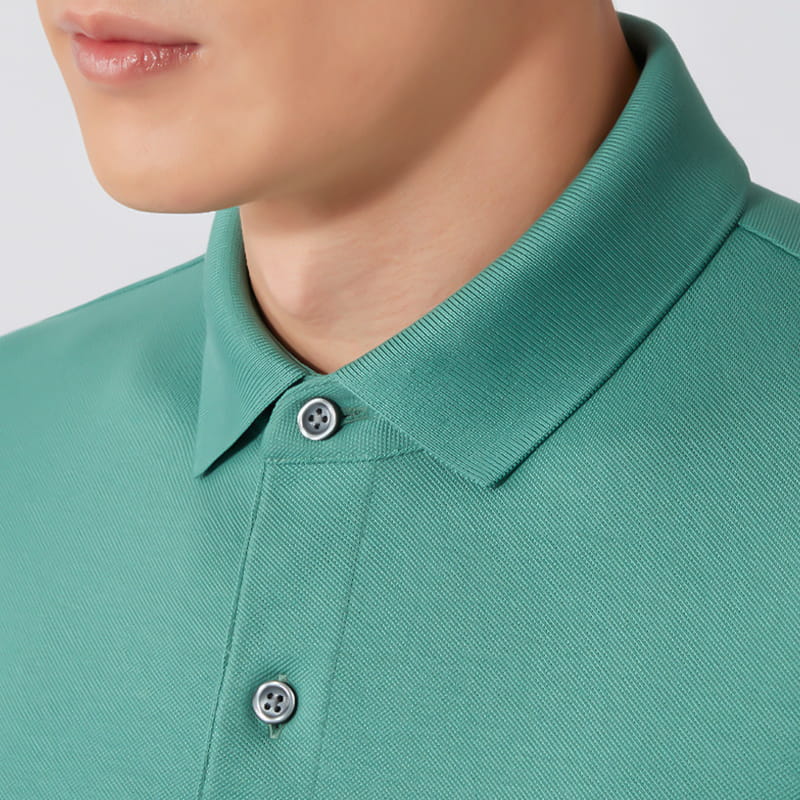
- Knitted ribbed collar for a polo shirt: This is the most common application. Polo shirt collars demand a specific balance between softness for comfort and stiffness for aesthetic structure. They often incorporate a fusible interlining to prevent curling, which is a common defect in lower-quality alternatives.
- Wholesale knitted ribbed collar supplier: This focuses on bulk purchasing. Wholesale suppliers must demonstrate consistency across large lot numbers. Key considerations include lead times, minimum order quantities (MOQs), and the ability to provide AQL (Acceptable Quality Limit) inspection reports.
- High-quality knitted ribbed collar: Quality is defined by resistance to abrasion and pilling. High-quality collars utilize combed cotton or ring-spun yarns. They also feature reinforced seam taping at the neckline junction to prevent stretching under the weight of the garment.
- Sustainable knitted ribbed collar: With the shift toward eco-conscious manufacturing, sustainable options are in high demand. This includes collars made from Global Organic Textile Standard (GOTS) certified organic cotton, recycled polyester, or materials dyed with low-impact, OEKO-TEX certified processes.
Comparative Analysis: Standard vs. High-Performance Collars
To understand the market differentiation, we must compare a standard commodity collar with a high-performance engineered collar. The differences lie not only in the material but also in the manufacturing process and testing protocols. For procurement managers, these distinctions justify cost variances and reduce return rates.
Below is a technical comparison based on industry manufacturing standards:
| Parameter | Standard Commercial Collar | High-Performance Knitted Ribbed Collar |
|---|---|---|
| Yarn Type | Carded Cotton / Virgin Polyester | Combed Cotton / Elastane Blend |
| Shrinkage Rate | 5% - 7% after 3 washes | < 2% after 5 washes |
| Recovery Rate | 85% after 100 stretches | 98% after 500 stretches |
| Pilling Resistance | Grade 2 - 3 (ISO 12945) | Grade 4 - 5 (ISO 12945) |
| Seam Strength | 10 - 12 lbs pull force | 18+ lbs pull force |
Manufacturing Processes and Quality Control
The production of a Knitted Ribbed Collar involves several stages, each susceptible to defects. Engineers focus on precision knitting, cutting, and sewing. Automated cutting machines are preferred over manual cutting to ensure that the rib lines align perfectly when the collar is folded. Misalignment leads to a twisted appearance that is unacceptable in finished garments.
Key Inspection Points
For wholesale orders, quality control must be rigorous. Buyers should verify the following during factory audits or third-party inspections.
- Needle Lines: Check for vertical lines caused by bent needles on the circular knitting machine. These create uneven textures.
- Lycra Content Uniformity: Inconsistent spandex feeding results in wavy edges. This is often invisible until the garment is laid flat.
- Barre Effect: A visual phenomenon where horizontal bands appear due to inconsistent yarn tension or dye uptake. This is a critical cosmetic defect.
Innovations in Sustainability and Durability
The market trend for a sustainable knitted ribbed collar is not a fleeting fad; it is a regulatory and consumer-driven shift. Manufacturers are now adopting recycled yarns certified by the Global Recycled Standard (GRS). Additionally, waterless dyeing technologies are being implemented to reduce water consumption by up to 70% compared to traditional vat dyeing. Durability is also being enhanced through anti-microbial finishes that protect the collar from degradation caused by sweat and bacteria, extending the garment's lifecycle.
Frequently Asked Questions (FAQ)
1. What is the ideal fabric composition for a durable knitted ribbed collar?
For optimal durability and shape retention, a composition of 95% combed cotton and 5% elastane (spandex) is widely considered the industry standard. The combed cotton offers superior softness and reduces pilling, while the elastane provides the necessary mechanical recovery to prevent "bacon neck" (permanent waviness) after repeated wear. For performance wear, blends incorporating polyester with elastane offer enhanced resistance to moisture and abrasion.
2. How does gauge affect the quality of a knitted ribbed collar?
Gauge refers to the number of needles per inch on the knitting machine. A 16-gauge machine uses finer needles, producing a smoother, lighter, and more refined collar suitable for lightweight polo shirts and blouses. A 12-gauge machine uses thicker needles, creating a heavier, denser structure ideal for sweatshirts and heavy outerwear. Selecting the wrong gauge for the garment weight can lead to disproportionate aesthetics or poor seam integration.
3. How do I verify the color fastness of a wholesale knitted ribbed collar?
Color fastness is verified through standardized laboratory testing. Request AATCC Test Method 61 or ISO 105-C06 for washing fastness, and AATCC 16 for light fastness. For B2B procurement, ensure the supplier provides a lab report indicating a minimum grade of 4.0 for color change and staining. This ensures that the collar will not bleed onto the main garment fabric or fade prematurely during commercial laundering.
4. What causes a knitted ribbed collar to curl, and how can it be prevented?
Collar curling is primarily caused by improper tension settings during the knitting process or the absence of a stabilizing interlining. In single-knit structures, the natural tendency of the fabric is to curl toward the technical face. Prevention requires either the use of a double-knit construction to balance the tension or the application of a fusible interlining during the assembly process. For wholesale orders, specifying that the collars must be "pre-stabilized" with a woven interlining is a critical quality requirement.
References
- Textile Institute. (2023). "Engineering Knitted Fabrics for Apparel Durability." Manchester: Textile Institute Publications.
- American Association of Textile Chemists and Colorists. (2024). "AATCC Technical Manual." Research Triangle Park: AATCC.
- International Organization for Standardization. (2022). "ISO 12945-2: Determination of fabric pilling resistance." Geneva: ISO.
- Mather, R. R., & Wardman, R. H. (2021). "Chemistry of Textile Fibres." Cambridge: Royal Society of Chemistry.
- Global Organic Textile Standard. (2023). "GOTS Version 7.0 Criteria for Organic Fibre Processing." Stuttgart: GOTS.
- Industrial Fabrics Association International. (2023). "Specifications for Knitted Collar Components." Roseville: IFAI.