 English
 Español
Content
- 1 Ribbed Knitted Fabric Types for DIY Clothing
- 2 Ribbed Knitted Sweater Patterns for Beginners
- 3 Ribbed Knitted Headband and Accessories Guide
- 4 Best Stretch Ribbed Knitted Fabric for Activewear
- 5 How to Sew with Ribbed Knitted Fabric Without Stretch Issues
- 6 Tips for Maintaining and Caring for Ribbed Knitted Fabrics
- 7 FAQ
- 7.1 What are the easiest Ribbed Knitted Sweater Patterns for Beginners to start with?
- 7.2 Which Ribbed Knitted Fabric Types for DIY Clothing are most versatile?
- 7.3 Can Best Stretch Ribbed Knitted Fabric for Activewear handle high-intensity workouts?
- 7.4 How do I prevent stretch issues when sewing Ribbed Knitted Fabric?
- 7.5 What accessories can I make using Ribbed Knitted Headband and Accessories Guide?
Ribbed Knitted Fabric Types for DIY Clothing
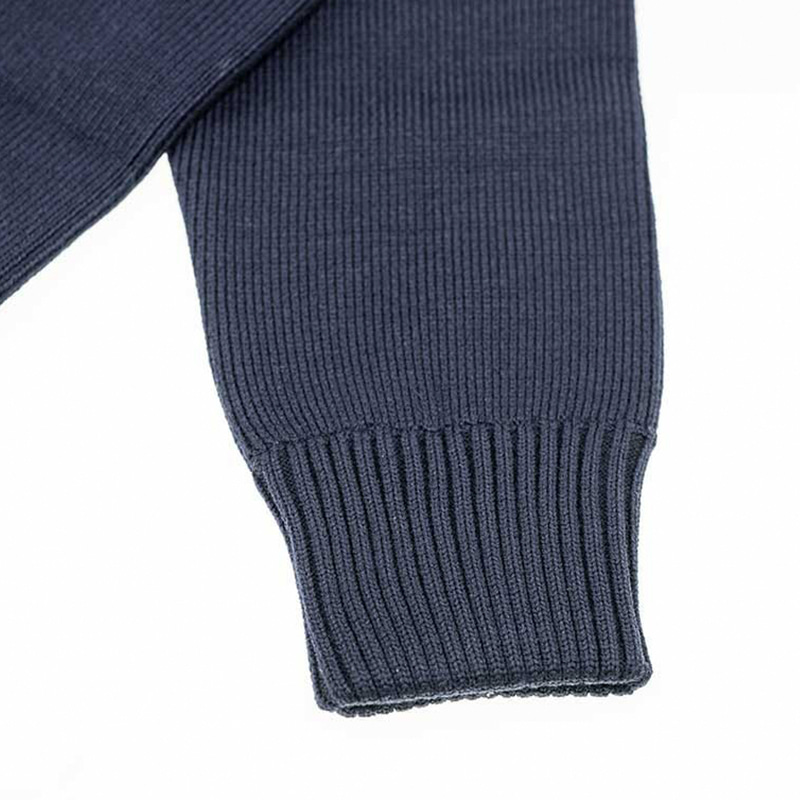
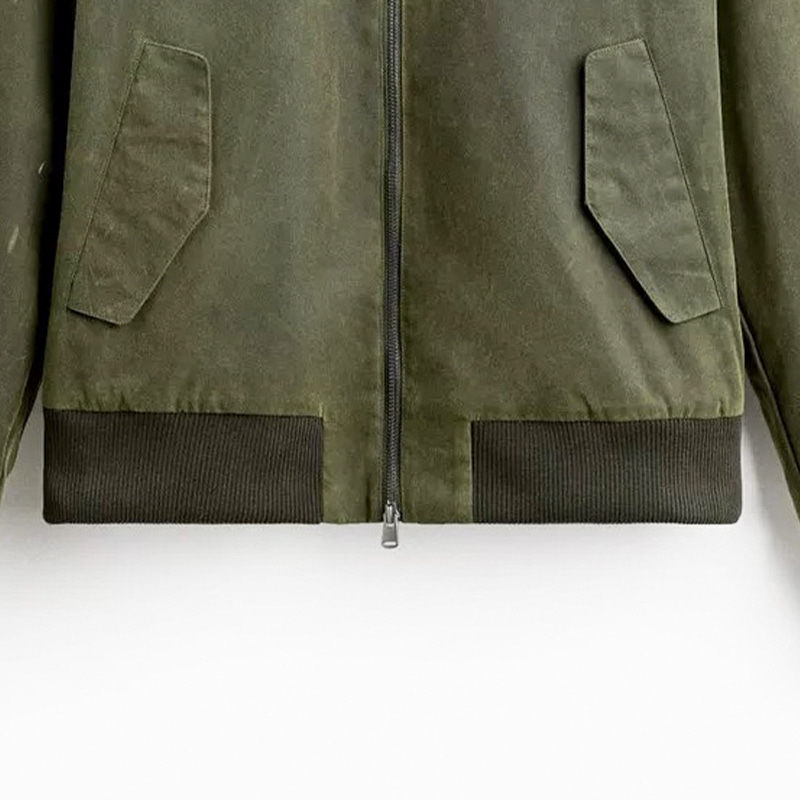
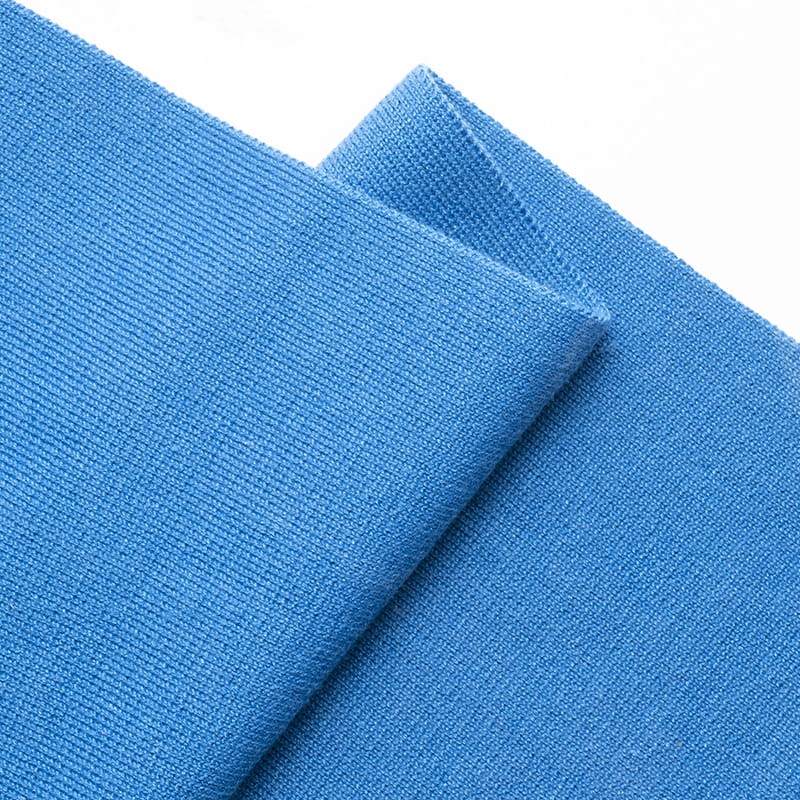
For anyone exploring DIY clothing projects, selecting the appropriate Ribbed Knitted Fabric Types for DIY Clothing is essential. Ribbed knits offer elasticity, texture, and comfort, making them ideal for a variety of garments such as tops, dresses, and cuffs. Understanding the differences in knit density, fiber content, and rib width helps hobbyists and professionals create garments that maintain shape, provide warmth, and allow for comfortable movement. Choosing the wrong type can lead to stretching issues, inconsistent textures, or garments that do not fit properly, which is why knowledge of fabric types is critical before starting a project.
- Lightweight ribbed knits are perfect for summer tops and fitted garments.
- Medium-weight ribbed knits work well for cardigans and casual sweaters.
- Heavy ribbed knits are ideal for outerwear, jackets, and warm winterwear.
-
Fabric Type Recommended Use Cotton Rib Breathable and soft, suitable for everyday tops Wool Rib Warm and stretchy, ideal for winter sweaters Polyester Blend Rib Durable and easy to care for, good for activewear
Ribbed Knitted Sweater Patterns for Beginners
Creating your first sweater can be challenging, but Ribbed Knitted Sweater Patterns for Beginners simplify the process by offering structured designs and easy-to-follow instructions. Ribbed knits add elasticity and flexibility to the garment, making it easier to achieve a professional fit even for novice knitters. These beginner-friendly patterns often focus on simple shapes, repetitive stitches, and adjustable sizing to ensure that projects are completed successfully.
- Choose patterns that minimize shaping to reduce complexity.
- Simple ribbed edges improve finishing without requiring advanced skills.
- Beginner patterns often include step-by-step diagrams for visual guidance.
-
Pattern Type Difficulty Basic Crewneck Sweater Easy Buttoned Cardigan Intermediate Turtleneck Sweater Advanced beginner
Ribbed Knitted Headband and Accessories Guide
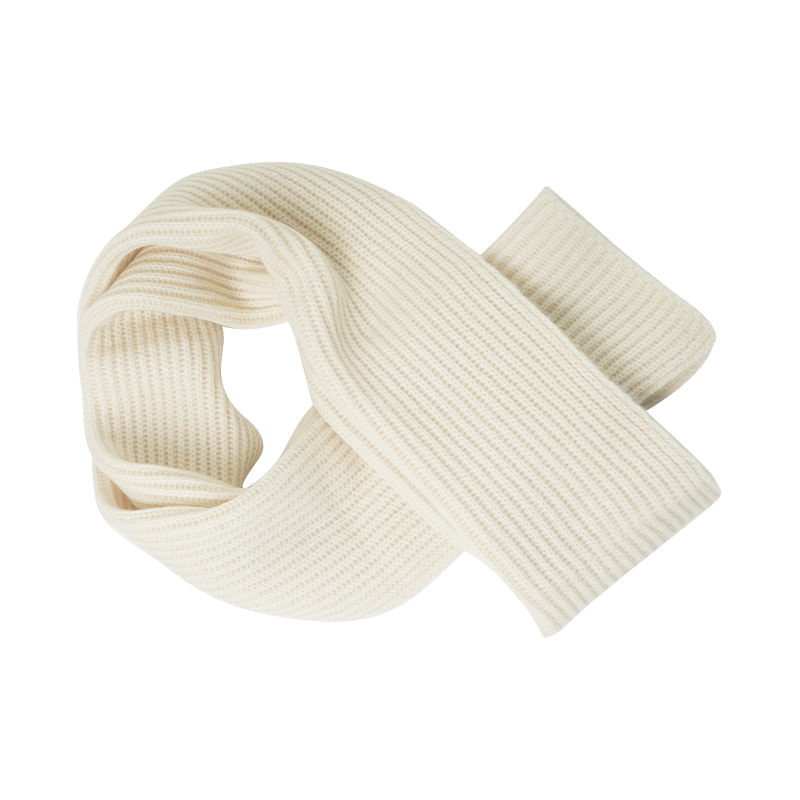
Ribbed knits are not limited to clothing; they excel in accessories such as headbands, scarves, and wristbands. The Ribbed Knitted Headband and Accessories Guide provides ideas for creating durable, stretchy, and stylish pieces. The ribbing structure allows accessories to maintain elasticity, making them suitable for a range of head sizes and body types. By understanding gauge, stitch patterns, and finishing techniques, crafters can produce professional-quality accessories with minimal waste.
- Ribbed headbands provide comfort without slipping.
- Knitted scarves maintain warmth while offering stretch for style.
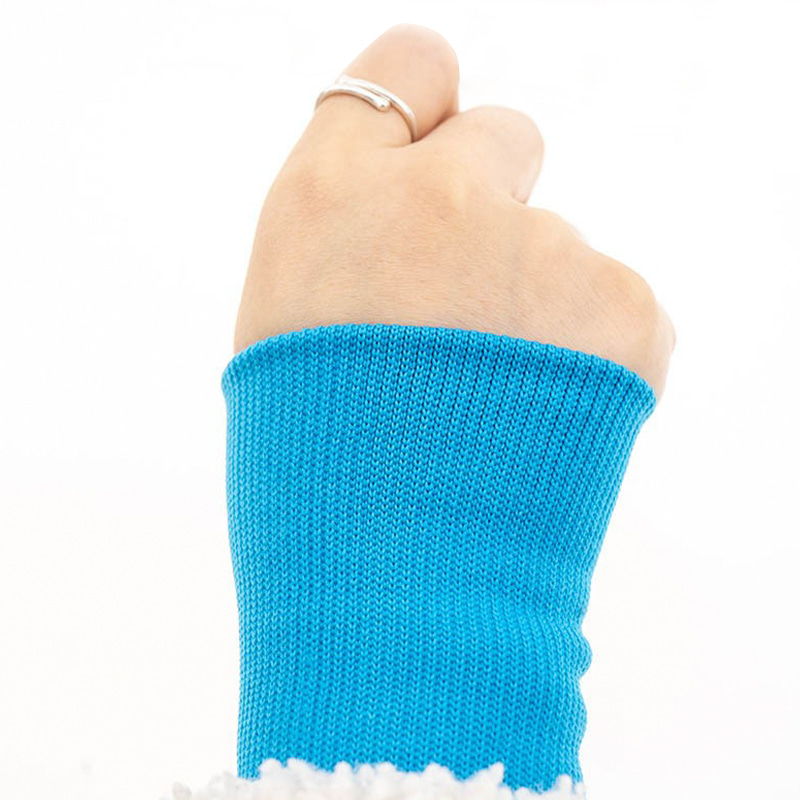
- Small accessories like wristbands or hair ties benefit from elastic ribbing.
-
Accessory Recommended Rib Type Headband 1x1 rib for maximum stretch and fit Scarf 2x2 rib for texture and durability Wristband Elastic ribbing for comfort and secure fit 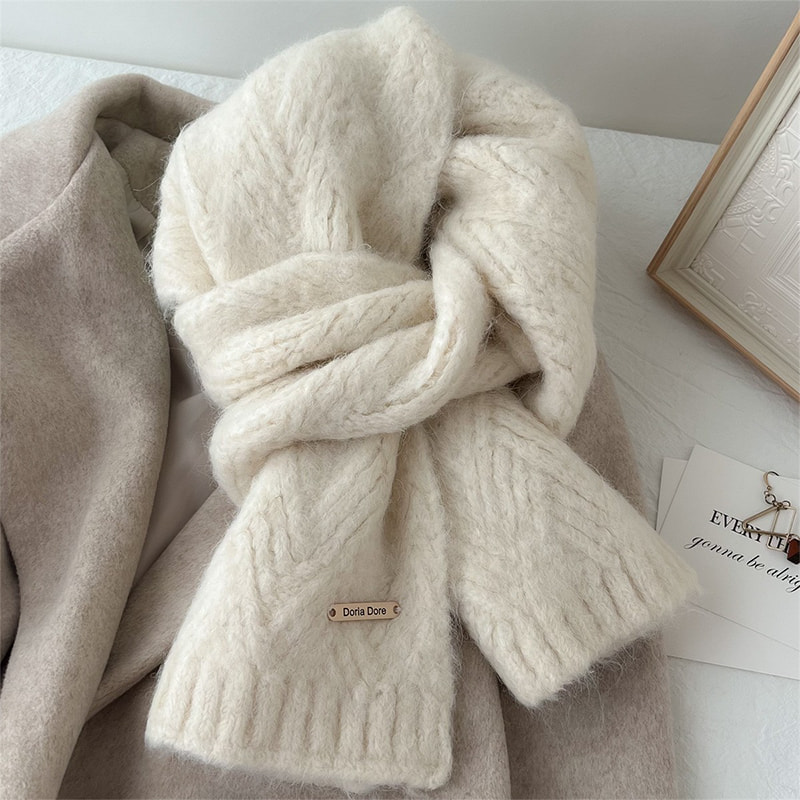
Best Stretch Ribbed Knitted Fabric for Activewear
Activewear demands both flexibility and strength, making Best Stretch Ribbed Knitted Fabric for Activewear an ideal choice. Stretch ribbed knits accommodate movement, recover quickly after stretching, and maintain their shape over time. Performance factors such as moisture-wicking, breathability, and resistance to pilling are essential considerations when selecting the right ribbed knit for sports garments. High-quality stretch ribbed fabrics can improve comfort, prevent chafing, and ensure garments last through frequent use.
- High-stretch fabrics improve range of motion for exercise.
- Durable knits resist wear from repeated washing and movement.
- Moisture-wicking properties keep the wearer comfortable during activity.
-
Fabric Feature Benefit Spandex Blend Enhanced stretch and recovery for active use Breathable Knit Maintains airflow and reduces overheating Anti-Pill Finish Preserves appearance after repeated wear
How to Sew with Ribbed Knitted Fabric Without Stretch Issues
Sewing ribbed knits can be challenging due to their stretch and elasticity. How to Sew with Ribbed Knitted Fabric Without Stretch Issues focuses on techniques that prevent puckering, uneven seams, and distortion. Proper tools, stabilizing techniques, and stitch adjustments are critical for achieving professional results. Understanding the behavior of ribbed fabrics ensures garments fit correctly and retain their original shape.
- Use ballpoint or stretch needles to avoid damaging fibers.
- Employ a walking foot to maintain even feeding through the machine.
- Stretch stitches or zigzag patterns accommodate fabric elasticity.
-
Technique Purpose Needle Selection Prevents skipped stitches and fabric damage Walking Foot Maintains even fabric feed and reduces stretching Stretch Stitches Allows seams to stretch without breaking
Tips for Maintaining and Caring for Ribbed Knitted Fabrics
Proper care extends the lifespan of ribbed knits. Washing, drying, and storage methods can prevent stretching, fading, and distortion. Understanding the fiber content and rib structure is crucial for preserving the garment’s elasticity and texture. Correct maintenance ensures that DIY clothing and accessories retain their professional appearance over time.
- Hand wash or use gentle cycles to prevent overstretching.
- Lay flat to dry to maintain shape and prevent sagging.
- Store folded instead of hanging to avoid stretching the ribs.
-
Care Method Recommendation Washing Cold water, mild detergent Drying Flat drying on a towel, avoid heat Storage Folded in a drawer or shelf, avoid hanging
FAQ
What are the easiest Ribbed Knitted Sweater Patterns for Beginners to start with?
The easiest patterns include basic crewnecks, simple cardigans, and straight-fit pullovers. Look for designs that minimize shaping and use repetitive rib stitches like 1x1 or 2x2 rib. These patterns reduce the risk of mistakes while allowing beginners to practice tension control and stitch consistency.
Which Ribbed Knitted Fabric Types for DIY Clothing are most versatile?
Cotton and cotton-blend ribbed knits are the most versatile due to their softness, breathability, and ease of care. They are suitable for tops, skirts, and accessories and can be used in various DIY projects without specialized sewing techniques.
Can Best Stretch Ribbed Knitted Fabric for Activewear handle high-intensity workouts?
Yes, high-quality stretch ribbed fabrics with spandex blends and moisture-wicking properties maintain shape and comfort during high-intensity activities. Their elasticity supports unrestricted movement while preventing seam distortion and discomfort.
How do I prevent stretch issues when sewing Ribbed Knitted Fabric?
Use stretch or zigzag stitches, ballpoint needles, and a walking foot to ensure even feeding. Avoid pulling the fabric during sewing, and consider stabilizing areas like necklines and hems with interfacing or stay tape to maintain shape.
What accessories can I make using Ribbed Knitted Headband and Accessories Guide?
You can create headbands, scarves, wristbands, and even fitted beanies. Using ribbed knits ensures elasticity and comfort. Selecting the correct rib pattern, such as 1x1 for headbands or 2x2 for scarves, allows accessories to fit a range of sizes while maintaining durability.