 English
 Español
Content
- 1 Material Composition and Comfort
- 2 Performance Characteristics and Utility
- 3 Manufacturing Excellence: Choosing a Reliable Partner
- 4 FAQ
- 4.1 What is the main difference between standard rib knit and jacquard ribbed knit?
- 4.2 Is cotton jacquard rib knit suitable for sensitive skin?
- 4.3 Does the jacquard texture affect the stretch of the fabric?
- 4.4 Can I get custom designs for large wholesale orders?
- 4.5 How should I care for garments made from this fabric?
In the ever-evolving landscape of textile engineering, the demand for materials that combine aesthetic sophistication with high-performance functionality is at an all-time high. Designers and procurement officers are increasingly moving away from plain, single-dimensional textiles toward fabrics that offer texture and structural integrity. Jacquard Ribbed Knit Fabric has emerged as a premier choice in this domain, offering a unique blend of visual complexity and mechanical elasticity. This fabric is not merely a material; it is a sophisticated textile solution created by intertwining two distinct techniques—the intricate patterning of jacquard weaving and the elastic recovery of rib knitting. As a dedicated manufacturer in the textile industry, we understand that selecting the right fabric is pivotal for the success of any garment line, influencing everything from production efficiency to consumer satisfaction.
Material Composition and Comfort
The tactile experience and wearability of a garment are fundamentally dictated by its fiber composition. When developing high-quality knitwear, the industry standard leans heavily towards natural fibers to ensure consumer comfort. Specifically, cotton jacquard rib knit for clothing is highly sought after due to cotton's hypoallergenic properties and superior moisture absorption capabilities. Unlike synthetic alternatives that can trap heat and moisture, high-grade cotton allows the skin to breathe, making it an ideal candidate for daily wear, children's apparel, and sensitive skin markets. The integration of the jacquard technique into cotton ribbing adds a layer of depth and luxury without compromising the natural softness that consumers expect from cotton-based products.
Furthermore, the breathability of the fabric is a critical factor for thermal regulation. A breathable jacquard rib knit fabric leverages the natural porous structure of the knit to facilitate air circulation. This is particularly important in the context of modern "athleisure" and casual wear, where functionality is as important as style. The rib structure creates natural air channels that help wick moisture away from the body, while the jacquard patterns do not obstruct this airflow, ensuring that the garment remains cool in warm conditions and provides insulation in cooler weather.
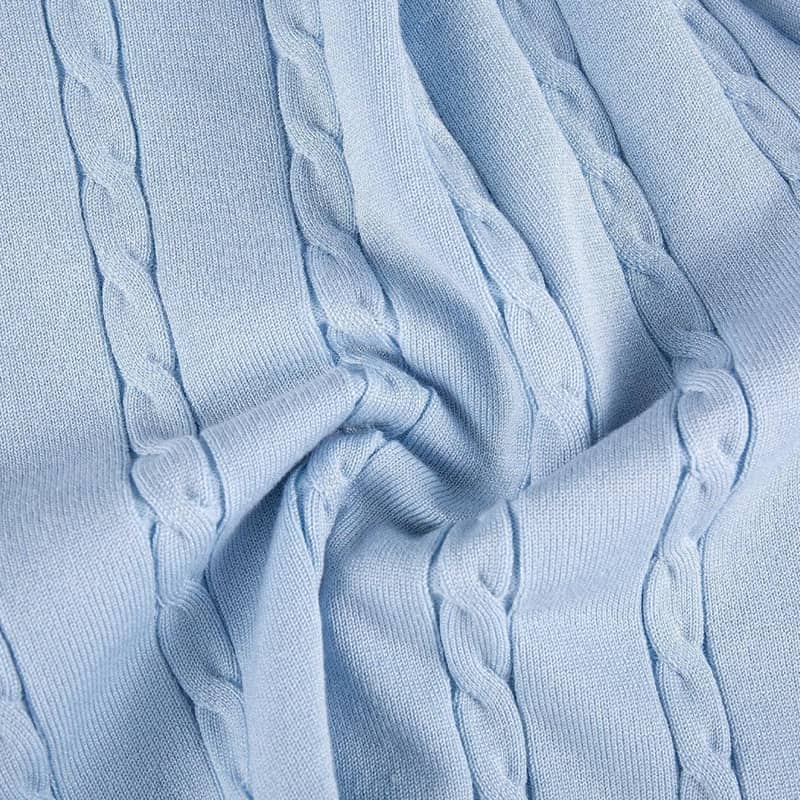
Benefits of Cotton-Based Jacquard Rib Knits
- Softness: Natural cotton fibers provide a gentle, non-irritating touch against the skin.
- Moisture Wicking: Excellent absorbency rates help keep the wearer dry during physical activity.
- Hypoallergenic: Reduces the risk of allergic reactions, suitable for babywear and medical textiles.
- Biodegradability: A more sustainable option compared to fully synthetic petroleum-based fibers.
To understand the material advantages clearly, it is essential to compare natural cotton compositions against synthetic blends commonly used in the market. While synthetics offer durability, natural fibers offer a premium hand-feel and comfort that is increasingly demanded by high-end markets.
td>td>td>
| Property | 100% Cotton Jacquard Rib | Synthetic (Polyester) Blend |
| Breathability | High (Natural air circulation) | Low to Moderate (Traps heat) |
| Comfort Level | Variable (Can feel plasticky or abrasive) | |
| Moisture Management | Hydrophobic (Repels water, retains sweat) | |
| Environmental Impact | High (Non-biodegradable, microplastics) |
Performance Characteristics and Utility
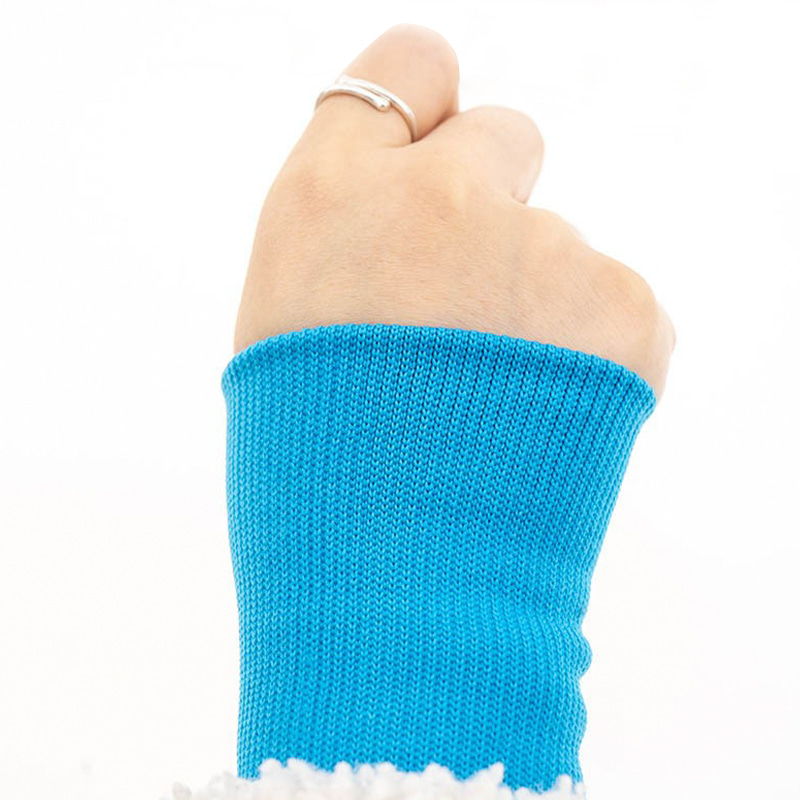
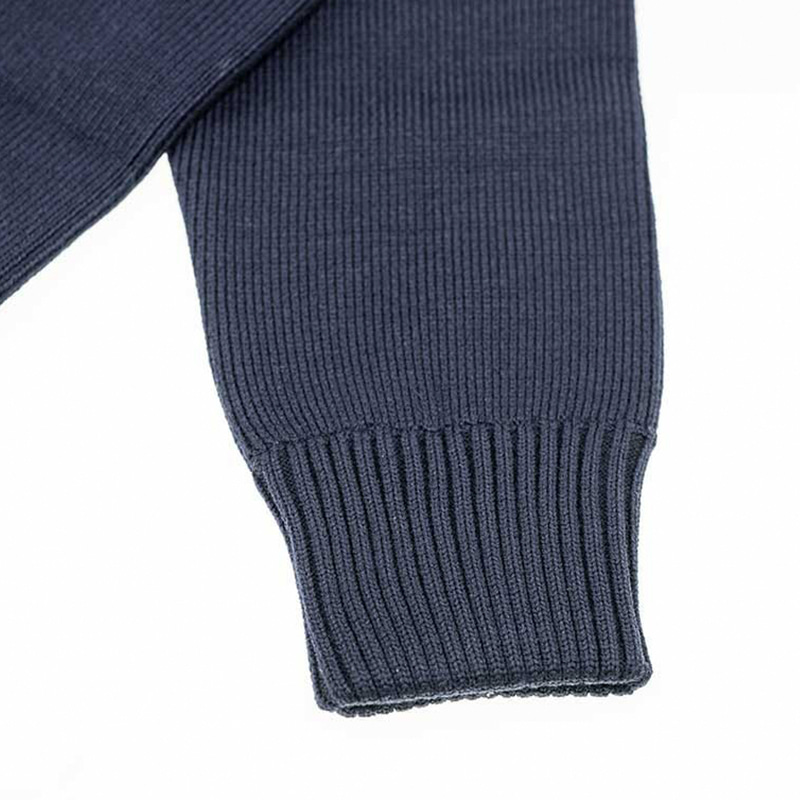
Beyond aesthetics and material composition, the mechanical performance of the fabric determines its suitability for various garment applications. One of the defining characteristics of this textile is its exceptional resilience. A stretch jacquard ribbed knit textile is engineered to provide multidirectional stretch, primarily along the width, which offers superior "recovery" properties. This means that garments made from this fabric retain their shape even after prolonged wear and repeated washing. The structural memory of the rib knit ensures that cuffs, collars, and waistbands do not become baggy or loose over time, a common failure point in lower-quality knits.
This elasticity is combined with the durability required for modern manufacturing processes. The wholesale jacquard textured knit material we produce is designed to withstand the rigors of high-speed cutting and sewing operations. The compact structure of the rib knit reduces fraying and distortion during cutting, thereby minimizing fabric waste and improving yield for garment factories. Additionally, the inherent texture of the jacquard weave masks minor imperfections and wear, making the fabric an excellent choice for busy parents and consumers seeking low-maintenance apparel.
Key Performance Metrics
- Elastic Recovery: High return-to-zero capability ensures the fabric snaps back to its original dimensions.
- Dimensional Stability: Minimal shrinkage after washing due to the tight rib structure.
- Abrasion Resistance: Withstands friction and daily wear without significant pilling.
- Seam Slippage Resistance: Dense weave prevents seams from popping under stress.
When evaluating the utility of knits, it is helpful to contrast the performance of standard rib knits versus the more advanced jacquard variants. While both serve the purpose of providing stretch, the jacquard integration offers distinct functional benefits in terms of structure and design versatility.
td>td>
| Feature | Standard 1x1 or 2x2 Rib Knit | Jacquard Ribbed Knit |
| Surface Texture | Flat, uniform surface | |
| Visual Depth | 2D appearance | |
| Weight Variability | Uniform weight throughout | Variable (Can create heavier structured zones) |
| Design Versatility | Limited to color only | High (Complex geometric and organic patterns) |
Manufacturing Excellence: Choosing a Reliable Partner
In the competitive textile market, the quality of the final product is inextricably linked to the capabilities of the manufacturer. Partnering with a specialized jacquard ribbed knit fabric manufacturer offers distinct advantages over sourcing from generalist suppliers. Our facility utilizes advanced computerized knitting machines capable of executing complex jacquard patterns with micron-level precision. This technological investment allows us to produce intricate designs that are consistent across large production batches, ensuring color and pattern repeat accuracy from the first meter to the last. For B2B clients, this consistency is vital for brand reputation and consumer trust.
Moreover, a specialized manufacturer offers comprehensive customization services. From selecting the specific gauge of the knit to determining the exact blend of yarns, we provide a collaborative approach to product development. Whether clients require wholesale jacquard textured knit material for a mass-market fashion line or a bespoke blend for a luxury collection, our manufacturing infrastructure is designed to scale. We implement rigorous quality control protocols at every stage of production, from yarn sourcing to final inspection, ensuring that every roll meets stringent international standards for defects, density, and colorfastness.
Advantages of Professional Manufacturing
- Custom Design: Ability to translate client artwork into knitted reality with precision.
- Cost Efficiency: Optimized production processes reduce waste and lower unit costs for bulk orders.
- Lead Time Reliability: Streamlined supply chain management ensures on-time delivery.
- Compliance: Adherence to global safety and sustainability standards (OEKO-TEX, GOTS).
Evaluating potential suppliers requires a clear understanding of what differentiates a commodity vendor from a strategic manufacturing partner. The following comparison highlights the value drivers that B2B buyers should look for.
td>td>td> td>
| Criteria | Commodity Supplier | Specialized Manufacturer |
| Customization | Full customization of design, gauge, and finish | |
| Technical Support | Engineering support for fabric development and optimization | |
| Quality Assurance | ||
| Production Capacity | Limited, often dependent on third parties | High in-house capacity with scalable machinery |
FAQ
What is the main difference between standard rib knit and jacquard ribbed knit?
The primary difference lies in the complexity of the construction. While standard rib knit features a consistent vertical pattern of raised and lowered rows, Jacquard Ribbed Knit Fabric incorporates the jacquard mechanism to create intricate, multi-colored patterns and textures within the rib structure itself. This allows for complex designs and logos to be knitted directly into the fabric rather than printed on top.
Is cotton jacquard rib knit suitable for sensitive skin?
Yes, cotton jacquard rib knit for clothing is an excellent choice for sensitive skin. Cotton is a natural, hypoallergenic fiber that is free from the chemicals and irritants often found in synthetic fabrics. Its breathability also prevents the buildup of heat and moisture, which can irritate sensitive skin conditions.
Does the jacquard texture affect the stretch of the fabric?
Generally, the stretch jacquard ribbed knit textile retains excellent elasticity. The ribbed structure provides the fundamental stretch and recovery, while the jacquard technique is carefully programmed to maintain the fabric's mechanical integrity. However, very dense or heavy jacquard patterns may slightly reduce the stretch compared to a simple 1x1 rib, though they offer better support and shape retention.
Can I get custom designs for large wholesale orders?
Absolutely. As a specialized jacquard ribbed knit fabric manufacturer, we specialize in custom production. We work with B2B clients to develop unique patterns, colorways, and fabric weights. Whether you need wholesale jacquard textured knit material for a seasonal collection or ongoing stock, our manufacturing lines are equipped to handle high-volume custom orders.
How should I care for garments made from this fabric?
To maintain the appearance and elasticity of the fabric, we recommend washing in cool to lukewarm water with mild detergent. Avoid using bleach, which can damage the fibers. Tumble dry on low heat or lay flat to dry to preserve the dimensional stability of the breathable jacquard rib knit fabric. Following these care instructions ensures the longevity of the garment and the vibrancy of the jacquard pattern.