 English
 Español
Content
In the intricate world of garment manufacturing, the finishing details often determine the overall perceived quality of a piece. Among these details, the knitted ribbed collar stands out as a critical component that bridges the gap between functionality and aesthetics. Whether for casual t-shirts or premium polo shirts, the collar is the most visible part of a garment and undergoes the most stress from wear and washing. Engineering a collar that maintains its shape, elasticity, and softness requires a deep understanding of textile engineering, from yarn selection to the final knitting process. As fashion trends move toward sustainable and high-performance fabrics, the standards for collar production have tightened, requiring advanced machinery and precise quality control measures. For B2B buyers and manufacturers, sourcing the right collar trim is not just a purchase but a strategic decision that impacts the longevity and brand reputation of the final apparel product.
Jiaxing Zhapu Jilida Garment Accessories Co., Ltd. is a premier manufacturer situated in the Jiaxing Port District Venture Innovation Centre, bringing a wealth of experience to the industry since its founding in 2002. With an 18-year development history, the company has cultivated deep expertise in product development and production, maintaining cooperative relationships with international first-line brands such as A&F, H&M, and Uniqlo, exporting products globally. The company boasts a robust infrastructure with a 2000 square meter production workshop and a 2000 square meter material warehouse. Equipped with 20 sets of computerized flat knitting machines imported from Germany and over 100 sets of domestic flat knitting machines, Jiaxing Zhapu Jilida has the capacity to produce all kinds of ribbing, ensuring high precision and consistency for wholesale knitted collar trim clients worldwide.
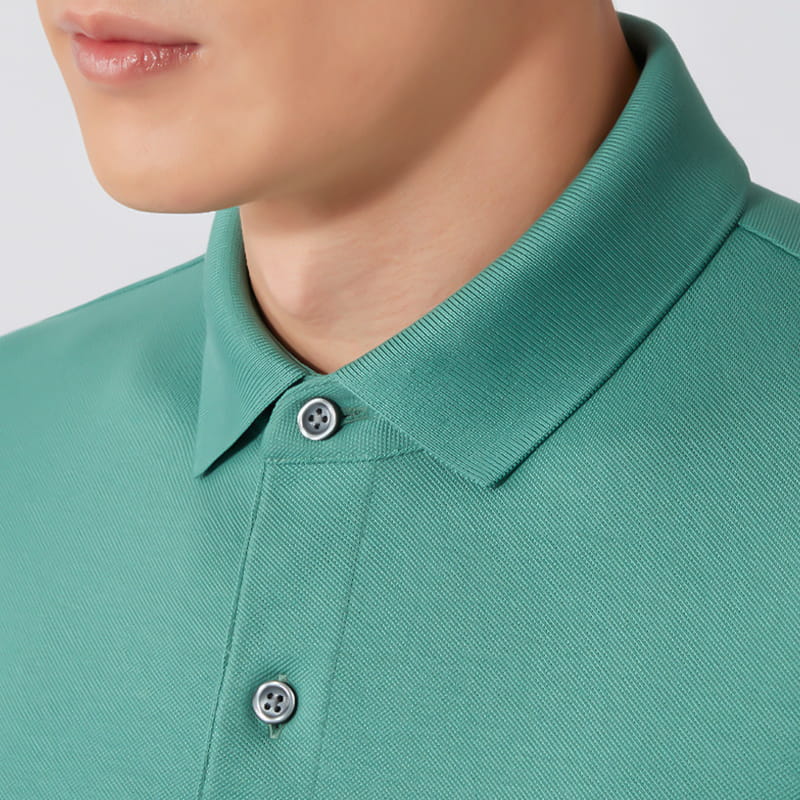
Structural Composition: 1x1 vs. 2x2 Rib Knits
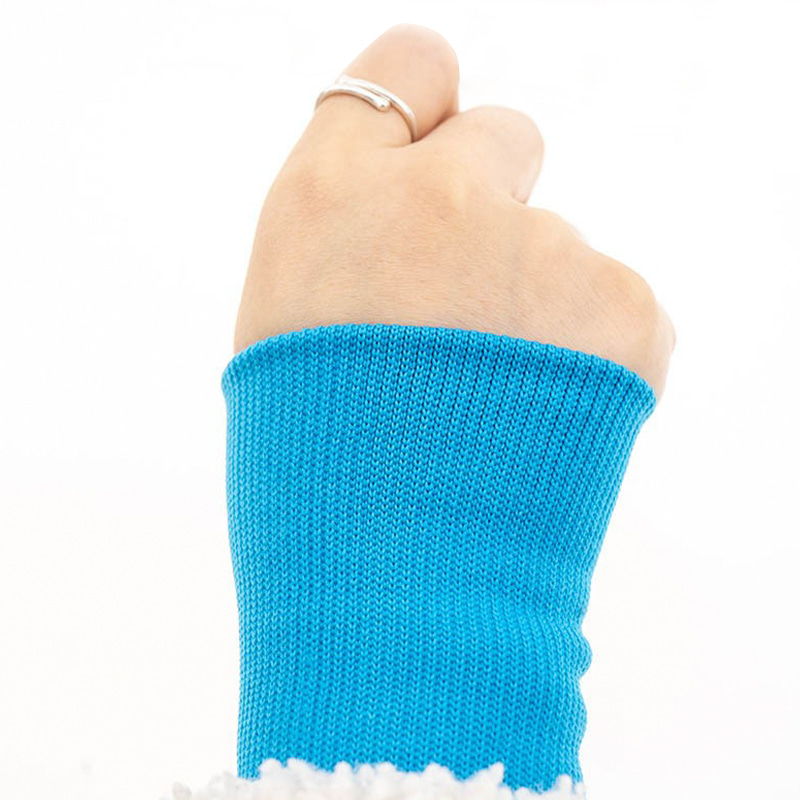
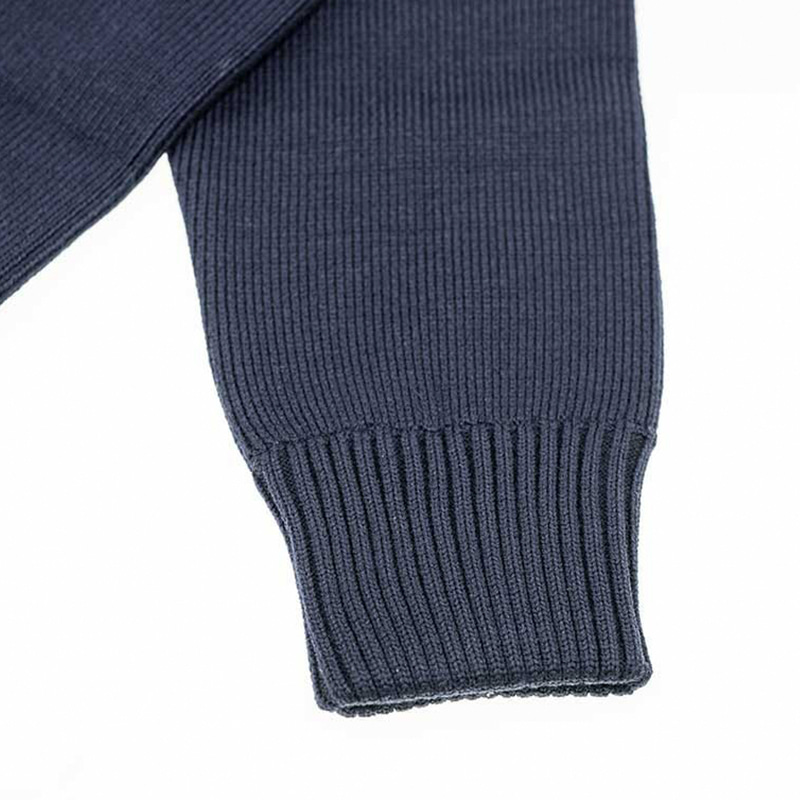
The structural integrity of a knitted ribbed collar is fundamentally dictated by the knitting pattern employed. The two most common configurations in the industry are the 1x1 and the 2x2 rib knits. The "1x1" configuration consists of alternating wales of knit and purl stitches, creating a fine, elastic fabric that is incredibly smooth to the touch. This structure is often preferred for lightweight t-shirts where a subtle, flat look is desired. In contrast, the "2x2" rib features two wales of knit stitches followed by two wales of purl stitches. This creates a wider, more pronounced rib effect that offers a chunkier, more durable appearance, frequently used in heavier garments like sweatshirts and premium polos. The choice between these two affects not only the visual aesthetic but also the mechanical recovery of the collar, influencing how well it snaps back to its original shape after being stretched over the head.
- 1x1 Rib Structure: Finer texture, higher density, superior surface smoothness.
- 2x2 Rib Structure: Distinct vertical lines, greater volume, enhanced bulk.
- Elastic Recovery: 1x1 generally offers tighter recovery; 2x2 offers more stretch capacity.
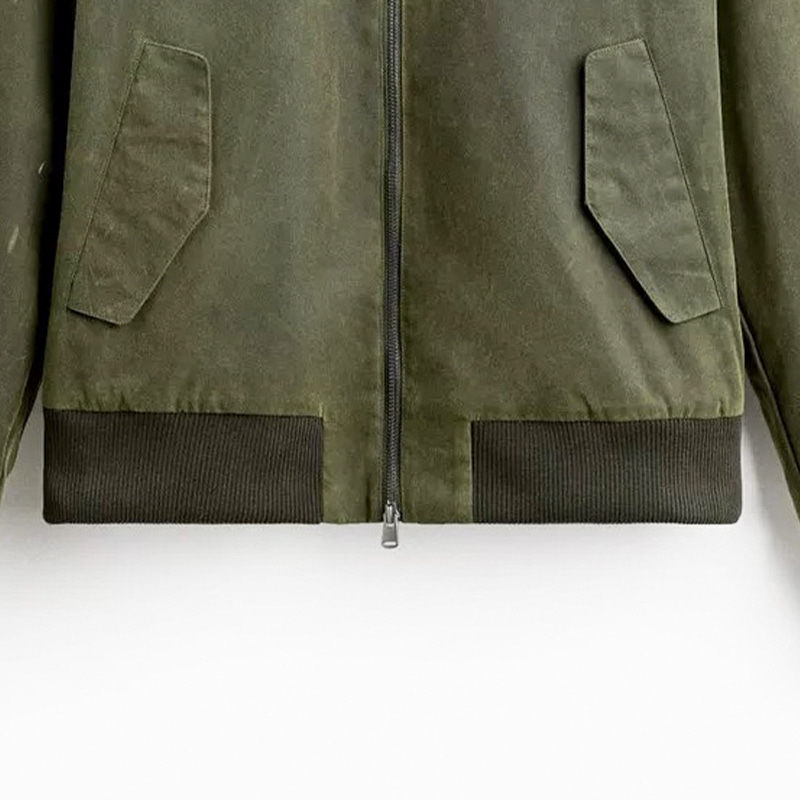
- Garment Application: 1x1 is standard for undergarments and tees; 2x2 is favored for outerwear and polos.
- Curling Resistance: The tighter the knit, the less prone the fabric is to curling at the edges.
Analyzing the 1x1 Rib Collar Knitting Machine Mechanism
The production of high-quality ribbing relies heavily on the technology behind the 1x1 rib collar knitting machine. Modern flat knitting machines, particularly those imported from Germany as utilized by Jiaxing Zhapu Jilida, are capable of producing high-precision fabrics with minimal tolerance errors. These machines operate by simultaneously holding alternate needles to create the interlocking loop structure. The precision of the needle bed ensures that the tension is uniform throughout the fabric, which is crucial for preventing the collar from skewing or becoming wavy after washing. Furthermore, computerized machines allow for intricate programming, enabling the production of seamless tubes and variable tensions within a single piece, optimizing the wholesale knitted collar trim for automated garment assembly lines.
| Machine Attribute | Manual/Domestic Machines | Computerized 1x1 Rib Knitting Machine |
| Production Speed | Slower, requires manual labor per piece. | High speed, automated feed, mass production capable. |
| Fabric Consistency | Variable tension; prone to human error. | Uniform tension; precise gauge control. |
| Complexity | Limited to basic structures. | Capable of complex patterns, intarsia, and shaping. |
| Waste Reduction | Higher error rate leads to more waste. | Optimized yarn usage minimizes material waste. |
Material Selection: Balancing Comfort and Recovery
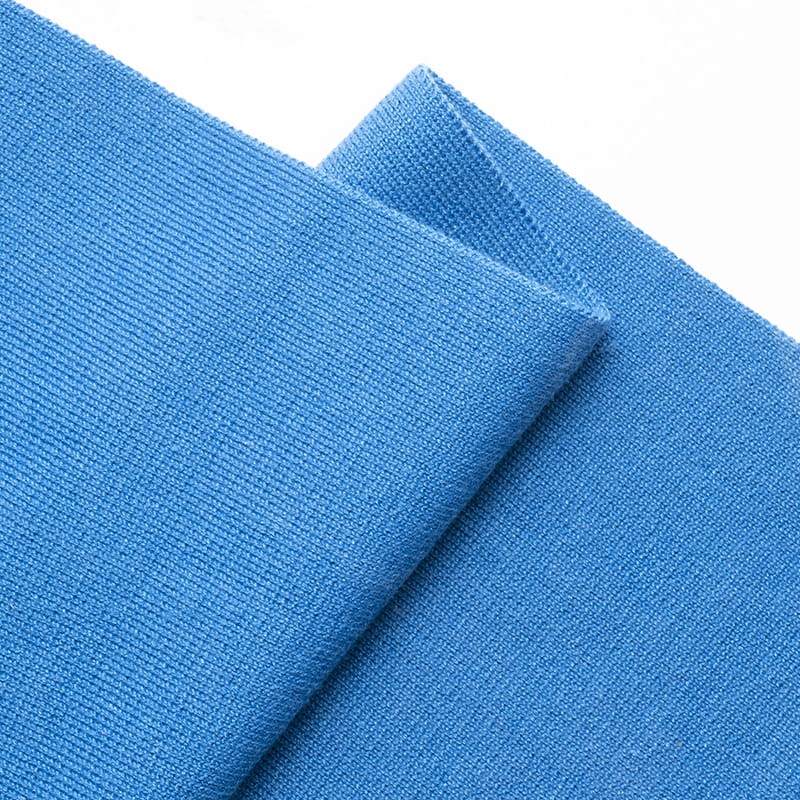
While the knitting structure provides the framework, the yarn selection dictates the performance of the knitted ribbed collar. In the modern textile market, pure cotton is often blended with synthetic fibers to enhance durability and stretch. The most common blend combines natural cotton fibers with spandex (elastane). Cotton provides the breathability, moisture absorption, and soft hand-feel that consumers demand, while spandex provides the necessary elasticity and recovery memory. Without spandex, 100% cotton collars tend to "bag out" or lose their shape over time. However, the ratio of these fibers must be carefully calibrated. Too much spandex can make the collar feel stiff and plastic-like, while too little will result in a collar that fails to return to its original dimensions after stretching.
- Fiber Composition: Typical blends range from 95% Cotton/5% Spandex to 97% Cotton/3% Spandex.
- Yarn Count: Finer yarns (e.g., 60s or 80s) create lighter, smoother collars; coarser yarns (30s) create bulkier collars.
- Spandex Quality: High-grade bare spandex vs. covered spandex affects the longevity of the elastic recovery.
- Moisture Management: Cotton absorbs moisture; blends with performance polyesters can wick moisture away for sportswear.
- Pilling Resistance: Using combed cotton or long-staple fibers reduces pilling on high-friction collar areas.
The Role of Fiber Blends in Performance
The engineering of cotton spandex ribbed collar solutions represents the industry standard for high-quality apparel. The inclusion of spandex is a technical necessity to ensure the collar maintains its "fit" over the life of the garment. When the collar is stretched during wear, the spandex fibers elongate and store elastic energy. Upon release of the tension, these fibers contract, pulling the cotton back into place. This recovery mechanism is essential for the aesthetic appeal of a shirt after a long day of wear. Manufacturers like Jiaxing Zhapu Jilida utilize high-quality spandex that resists degradation from high heat during laundering, ensuring that the cotton spandex ribbed collar retains its elasticity even after hundreds of wash cycles.
td>Low; relies on the mechanical stretch of the knit structure.td>Excellent; snaps back to original dimensions.td>High resistance to deformation and fatigue.td>Generally lower material cost. td>Higher due to spandex and processing complexity.
| Material Property | 100% Cotton Rib | Cotton/Spandex Blend |
| Elasticity | High; relies on the elastic properties of spandex fibers. | |
| Shape Retention | Poor; tends to stretch out and become wavy. | |
| Durability | Good natural resistance but prone to bagging. | |
| Cost |
Application-Specific Design: Polo Shirts and Beyond
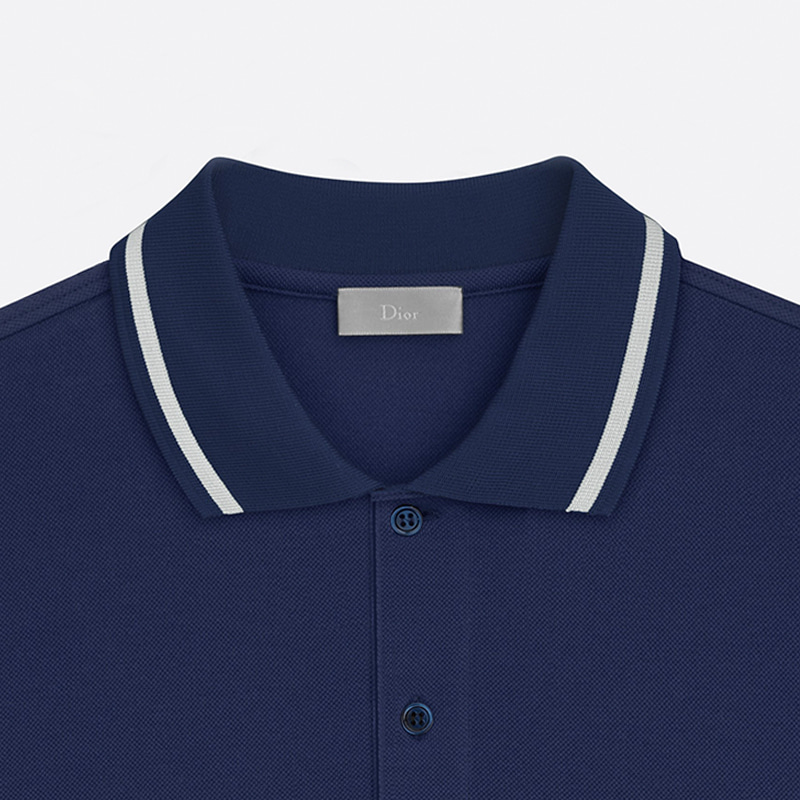
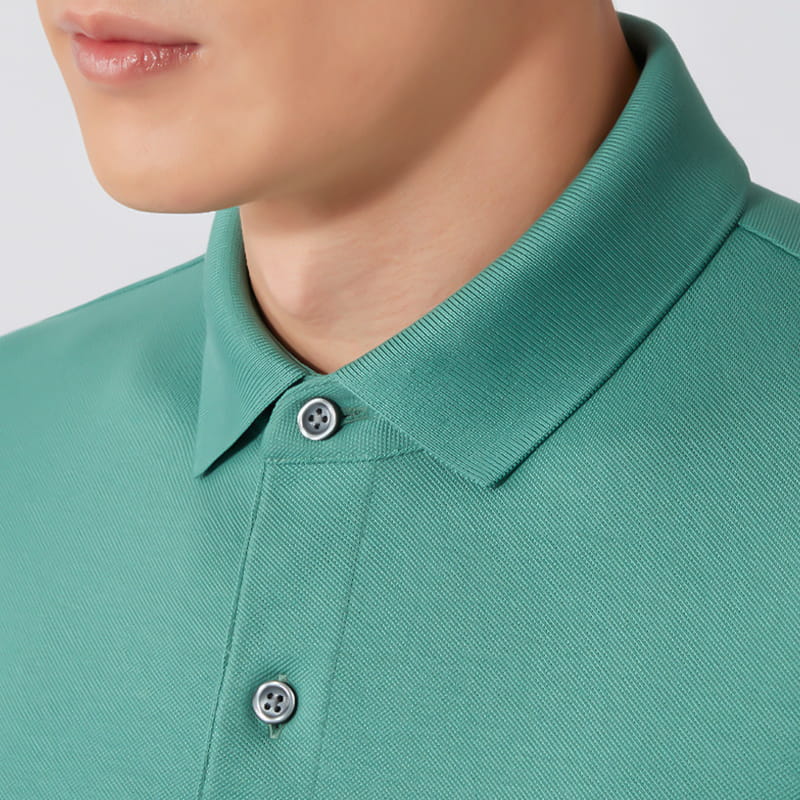
Specific garment applications place unique demands on the knitted ribbed collar. Perhaps the most demanding application is the polo shirt. The collar of a polo shirt must be substantial enough to stand upright and support the weight of a placket and buttons, yet flexible enough to be comfortable. Unlike t-shirt collars that are often bonded or very lightweight, polo collars require a firm structure. This often involves using a heavier gauge yarn or a specific knit construction like a 2x2 or a 3x1 mock rib. The interface between the collar and the shirt body must also be engineered to prevent the seam from rolling outward, a common defect in lower-quality garments known as "collar roll."
- Stand-up Ability: The collar must have sufficient stiffness to stand without wire support.
- Buttonhole Reinforcement: The knit structure must be tight enough to hold buttons securely without tearing.
- Seam Compatibility: Must attach cleanly to the neckband without bulk.
- Color Fastness: Collars are exposed to sweat and sunlight; UV resistance is crucial.
- Dimensional Stability: Must match the shrinkage rate of the body fabric to prevent puckering.
Integration of Rib Knit Collar for Polo Shirts
The production of a specialized rib knit collar for polo shirts involves distinct technical steps compared to standard collars. These collars are often knitted as flat panels that are subsequently folded and stitched, or as tubes for a seamless look. The choice of technique affects the comfort and durability. A flat-knit collar can be made with varying tensions on the edges to prevent curling. For a rib knit collar for polo shirts, the visual uniformity of the rib lines is paramount; any irregularity in the knitting is immediately noticeable because of the collar's prominence. Therefore, sourcing from manufacturers with computerized flat knitting machines ensures that the stitches are uniform, delivering a premium finish that aligns with the expectations of top-tier fashion brands.
td>Often 1x1 rib, lightweight, sometimes bonded.td>To frame the face, support placket, and maintain shape.td>Firmer, designed to stand upright slightly.
| Design Element | T-Shirt Collars | Polo Shirt Collars |
| Construction | Heavier gauge, often 2x2 or structured 1x1, folded. | |
| Function | Primarily to frame the face and allow entry. | |
| Stiffness | Soft, flexible, lies flat against the neck. |
B2B Procurement: Sourcing Wholesale Trims
For apparel brands and manufacturers, the procurement of wholesale knitted collar trim is a critical supply chain activity. Ensuring consistency across bulk orders is a major challenge, as natural fiber properties can vary from dye lot to dye lot. A reliable supplier must have stringent quality control measures in place to ensure that the color shade, hand-feel, and elasticity remain consistent throughout the production run. Furthermore, lead times and production capacity are vital considerations. With 20 sets of imported German computerized flat knitting machines and over 100 domestic machines, Jiaxing Zhapu Jilida Garment Accessories Co., Ltd. offers the capacity and flexibility required for large-scale wholesale knitted collar trim orders, ensuring that fashion brands can meet their launch deadlines without compromising on quality.
- Lot Consistency: Critical for ensuring different shirt batches match in color and feel.
- Lab Dip Approvals: Strict color matching processes before bulk dyeing.
- Tensile Testing: Random sampling to verify elasticity meets specified standards.
- Packaging: Protective packaging to prevent soiling or stretching during transport.
- Certification Compliance: Adherence to Oeko-Tex standards for harmful substances.
FAQ
What is the difference between a 1x1 and a 2x2 rib knit collar?
The primary difference lies in the pattern and the resulting texture and elasticity. A 1x1 rib knit consists of alternating knit and purl stitches, resulting in a finer, flatter, and tighter fabric with excellent recovery, often used for t-shirts. A 2x2 rib consists of two knit and two purl stitches in alternation, creating a wider, more pronounced vertical rib that is bulkier and more elastic, commonly used for polo shirts, cuffs, and waistbands where a distinct textured look is desired.
Why is spandex added to cotton ribbed collars?
Spandex, or elastane, is added to cotton spandex ribbed collar blends to provide superior elasticity and recovery. While cotton is comfortable and breathable, it tends to stretch out and lose shape over time. Spandex ensures that the collar stretches when pulled over the head and snaps back tightly to its original shape, preventing the "bagging" effect and extending the wearable life of the garment.
How do I prevent ribbed collars from curling?
Collar curling is often a result of unbalanced tension in the knitting structure. To prevent this, manufacturers use specific techniques such as binding the edges or using a balanced knit structure where the number of knits and purls are even. Utilizing a high-quality 1x1 rib collar knitting machine ensures precise tension control. Additionally, proper pre-shrinking of the fabric before attaching it to the garment helps stabilize the fibers and reduce the tendency to curl after washing.
What is the best material for polo shirt collars?
The best material for a rib knit collar for polo shirts is typically a blend of cotton and spandex (usually 95% to 97% cotton and 3% to 5% spandex). The cotton provides the classic soft texture and breathability suitable for business casual or sportswear, while the spandex provides the necessary structure and memory to ensure the collar stands upright and maintains its shape after repeated wear and washing.
Can knitted collar trims be customized for specific designs?
Yes, wholesale knitted collar trim can be highly customized. Using advanced computerized flat knitting machines, manufacturers can produce collars in various widths, colors, and patterns, including striped or jacquard designs. Customizations can also include different yarn blends, such as bamboo or moisture-wicking synthetics, to meet specific performance requirements of the brand.