 English
 Español
Content
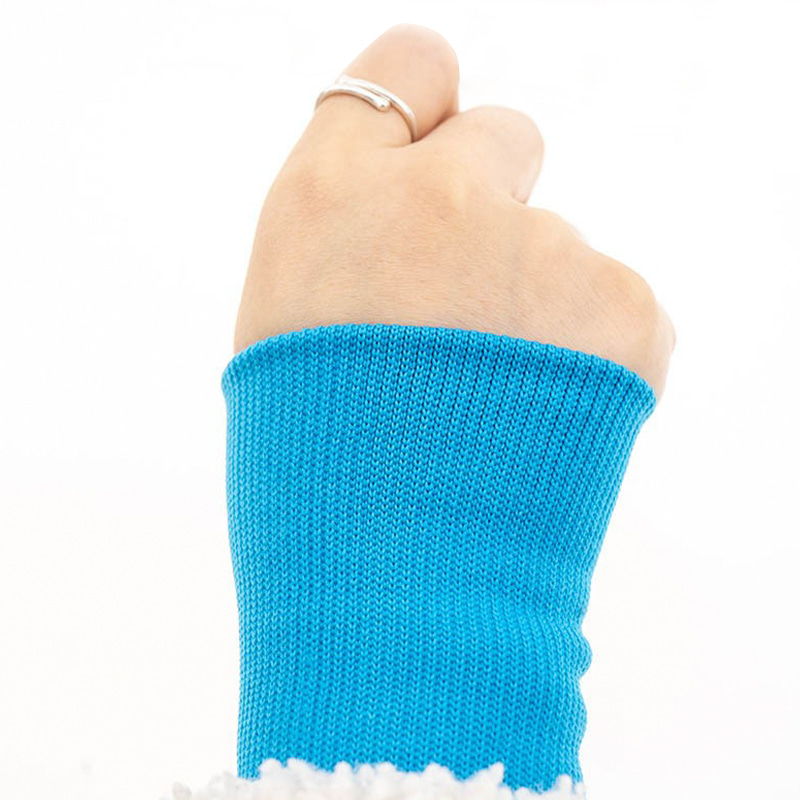
In the garment manufacturing industry, the finishing of sleeves and hems plays a critical role in the overall quality and durability of a garment. A Tubular Knitted Ribbed Cuff is a specialized textile component produced by knitting yarns in a tubular form without seams. This structure provides superior elasticity and recovery compared to cut-and-sew alternatives. Manufacturers use this component to create a tight seal at wrist or ankle openings, which helps to retain warmth and prevent cold air from entering. Because the knitting process creates a seamless tube, the cuff has a clean appearance and offers high structural integrity, making it a standard choice for outerwear, activewear, and knitwear.
Understanding the Structure and Function
The technical advantage of a tubular cuff lies in its ability to stretch and return to its original shape without distortion. This characteristic is vital for user comfort and garment longevity. Engineers design these cuffs to withstand repeated stretching cycles during wear and washing.
Definition of Tubular Knitted Ribbed Cuff
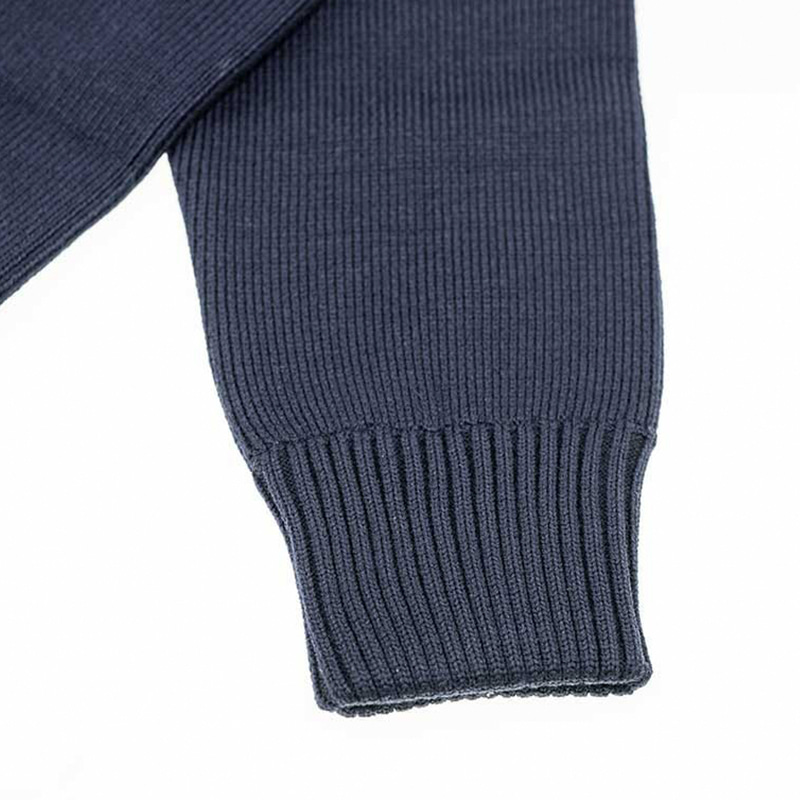
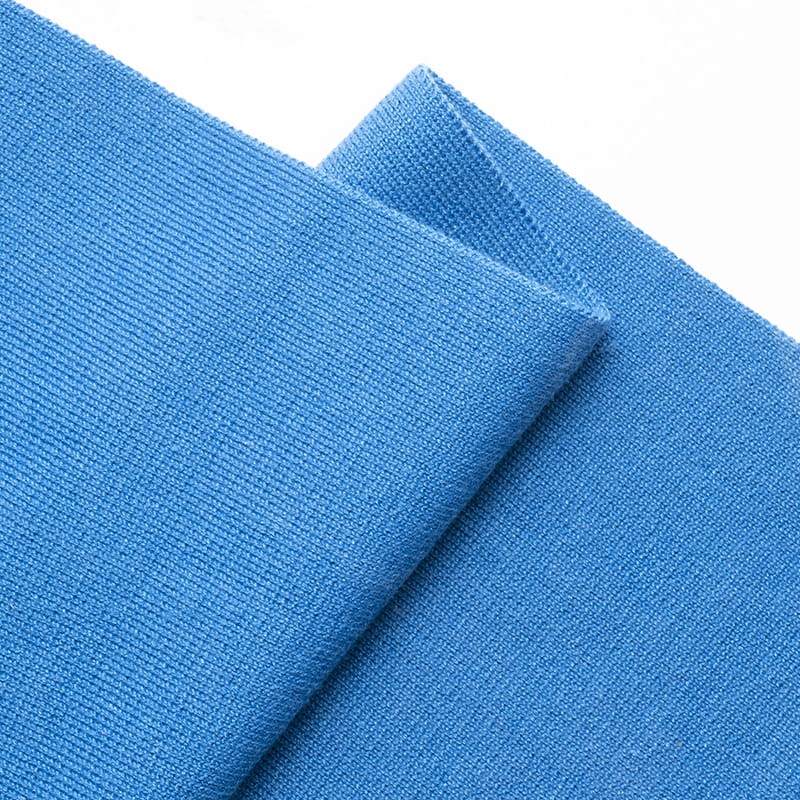
A Tubular Knitted Ribbed Cuff is distinct from standard flat knits. The manufacturing process creates a continuous loop of fabric. This loop forms a cylinder, which eliminates the need for side seams. The absence of seams reduces the risk of skin irritation and provides a smoother surface for the wearer. The "ribbed" aspect refers to the vertical textured lines that run along the fabric. These ribs allow the fabric to expand significantly when the hand passes through and then contract tightly around the wrist.
Key Benefits for Garment Construction
Using knitted ribbed cuff sleeves offers several structural benefits for garment assembly. First, the tubular design reduces fabric waste because there is no cutting of edges that require over-locking. Second, the edges of a tubular cuff do not unravel, which simplifies the sewing process. Third, the elasticity is uniform around the entire circumference of the cuff, ensuring a consistent fit for the end-user.
- Seamless Construction: Eliminates friction points against the skin.
- Shape Retention: High recovery power prevents the cuff from becoming loose over time.
- Efficiency: Reduces labor time in the sewing department.
Primary Applications in the Apparel Industry
Designers and product developers select specific cuff types based on the weight and function of the garment. The versatility of these cuffs allows for broad application across different fashion categories.
Tubular Knitted Cuff for Jackets and Outerwear
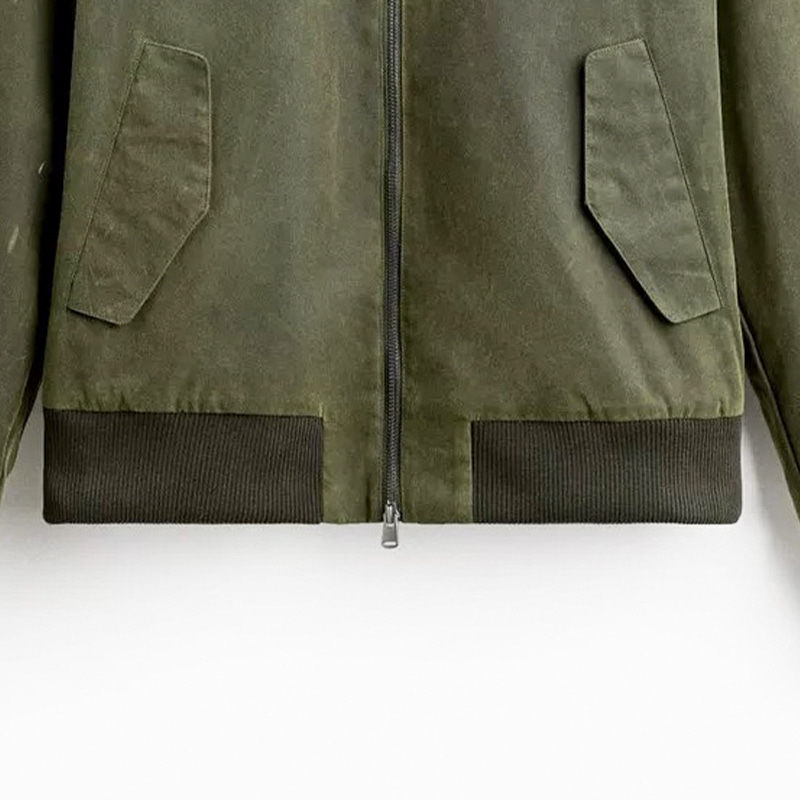
For outerwear, the primary function is protection against the elements. A tubular knitted cuff for jackets serves as a barrier against wind and snow. In heavy-duty jackets, manufacturers often use thicker yarns and tighter knitting gauges to create a dense barrier. The cuff must fit snugly to prevent heat loss. In this application, durability is the priority over lightweight flexibility. The cuff must resist abrasion from zippers, Velcro, or daily wear.
Knitted Ribbed Cuff Sleeves for Casual Wear
In casual wear such as sweatshirts and hoodies, comfort is the main focus. Knitted ribbed cuff sleeves in these categories often use a softer yarn blend, such as cotton or modal. The fit is generally less restrictive than in outerwear. This allows for ease of movement during daily activities. The visual appearance is also a key factor here, as the cuff often serves as a design accent that matches the waistband.
Sweater Cuff Ribbing Types and Design Variations
There are various sweater cuff ribbing types available to designers. The most common structures are 1x1 rib and 2x2 rib. A 1x1 rib construction consists of one raised stitch and one lowered stitch. This type provides a tighter, flatter finish. A 2x2 rib construction consists of two raised stitches and two lowered stitches. This type provides a more pronounced texture and greater elasticity. Designers choose between these structures based on the thickness of the sweater body.
| Cuff Structure | Elasticity | Best Application |
| 1x1 Rib | Moderate stretch | Light sweaters, fitted jackets |
| 2x2 Rib | High stretch | Chunky knit sweaters, loose sweatshirts |
Material Science: Elastic Ribbed Cuff Fabric
The performance of a cuff depends heavily on its material composition. Elastic ribbed cuff fabric typically consists of a blend of natural and synthetic fibers. Natural fibers like cotton provide comfort and breathability. Synthetic fibers like polyester, nylon, or spandex provide strength and elasticity.
Common Yarn Blends and Composition
For high-performance applications, engineers often recommend a blend of wool and synthetic yarn. Wool provides warmth, while nylon adds abrasion resistance. Spandex or Lycra is often added in small percentages (2% to 5%) to ensure the cuff snaps back to its original size after stretching. Without synthetic reinforcement, a pure cotton rib may lose its shape after several wash cycles.
Balancing Elasticity with Recovery
A critical technical metric in cuff production is the "recovery rate." This measures how well the fabric returns to its resting state after extension. A high-quality Tubular Knitted Ribbed Cuff should have a recovery rate of over 90%. Manufacturers achieve this by adjusting the tension during the knitting process and by using heat-setting treatments on synthetic yarns. If the tension is too low, the cuff will sag. If the tension is too high, the cuff will feel uncomfortable and restrict blood flow.
Manufacturing Capabilities at Jiaxing Zhapu Jilida Garment Accessories Co., Ltd.
Sourcing the right components requires a manufacturer with deep technical expertise and production capacity. Jiaxing Zhapu Jilida Garment Accessories Co., Ltd. has established itself as a reliable partner in this field. The company is located in Jiaxing Port District Venture Innovation Centre. Since its founding in 2002, the company has accumulated over 18 years of experience in product development and production. This history allows them to handle complex custom requests with precision.
Advanced Production Equipment and Capacity
To ensure consistent quality, the company utilizes a robust infrastructure. They operate a 2000 square meter production workshop and a 2000 square meter material warehouse. This large storage capacity ensures that raw materials are always available, reducing lead times for clients. Their machinery includes 20 sets of computerized flat knitting machines imported from Germany. These machines allow for precise control over stitch density and pattern creation. Additionally, they have more than 100 sets of domestic flat knitting machines. This combination of automated and manual equipment enables them to produce all kinds of ribbing, from standard tubular cuffs to complex patterned trims.
Global Partnerships and Export Standards
Jiaxing Zhapu Jilida Garment Accessories Co., Ltd. maintains cooperative relationships with international brands such as A&F, H&M, and Uniqlo. These partnerships demonstrate the company's ability to meet rigorous international quality standards. Their products are exported to overseas markets, serving the needs of global fashion brands. By adhering to strict quality control protocols, they ensure that every batch of Tubular Knitted Ribbed Cuff meets the specifications required by B2B buyers.
How to Source from Tubular Rib Cuff Manufacturers
Finding the right supplier is essential for garment brands looking to scale production. Buyers should look for specific indicators of capability when selecting tubular rib cuff manufacturers.
Choosing the Right Supplier for Your Brand
Buyers should evaluate a manufacturer based on their equipment list and sample quality. A manufacturer with computerized knitting machines is better suited for high-volume orders and complex patterns. Buyers should also request samples to test the recovery rate and color fastness of the Elastic ribbed cuff fabric. It is also important to check the supplier's inventory capacity to ensure they can handle repeat orders without delays.
Quality Control in Mass Production
Consistency is the biggest challenge in mass production. A professional manufacturer will conduct checks at three stages: raw material inspection, in-line inspection during knitting, and final inspection before packing. This ensures that the Tubular Knitted Ribbed Cuff shipment is free from defects such as dropped stitches, uneven dyeing, or incorrect dimensions.
FAQ
What is the main advantage of a tubular cuff over a seamed cuff?
A tubular cuff has no seams, which makes it more comfortable against the skin and more durable because there are no edges to unravel. It also provides a cleaner aesthetic finish.
What yarn composition is best for jacket cuffs?
For jackets, a blend of wool or cotton with nylon and spandex is best. The nylon provides abrasion resistance, and the spandex ensures the tubular knitted cuff for jackets retains its shape after repeated use.
Can manufacturers produce custom stripe patterns on cuffs?
Yes, with computerized flat knitting machines, manufacturers can create various sweater cuff ribbing types including striping, jacquard patterns, and unique textures according to buyer specifications.
How does the knitting gauge affect the cuff quality?
A higher gauge (more needles per inch) produces a finer, tighter fabric that is suitable for dressier garments. A lower gauge produces a chunkier fabric that is better for heavy sweaters and casual outerwear.
What is the typical lead time for custom cuff production?
Lead times depend on order quantity and complexity. However, established manufacturers like Jiaxing Zhapu Jilida Garment Accessories Co., Ltd. with large warehouses and advanced machinery can typically turn around samples in one week and bulk orders in 15-30 days.
References
- Spencer, D. J. (2001). Knitting Technology: A Comprehensive Handbook and Practical Guide. Woodhead Publishing.
- Kadolph, S. J. (2014). Textiles. Pearson Education Limited.
- ASTM D2594 - Standard Test Method for Stretch Properties of Knitted Fabrics Having Low Power.
- International Textile Manufacturers Federation (ITMF) - International Production Statistics.