 English
 Español
Content
- 1 Understanding Ribbed Knitted Fabric Fundamentals
- 2 Technical Specifications and Performance Characteristics
- 3 Ribbed Knitted Fabric Construction Methods
- 4 Ribbed Knit vs Jersey Knit: Technical Comparison
- 5 Industrial Applications and End Uses
- 6 Selection Criteria for B2B Procurement
- 7 Frequently Asked Questions (FAQ)
- 8 References
Textile manufacturers and apparel brands require materials that balance elasticity, durability, and aesthetic appeal. Ribbed knitted fabric provides the engineered solution that meets these demands across fashion, activewear, and technical applications. Understanding the structural composition, manufacturing processes, and performance characteristics helps procurement teams specify materials that align with their production requirements and end-use specifications.
Understanding Ribbed Knitted Fabric Fundamentals
Definition and Structural Composition
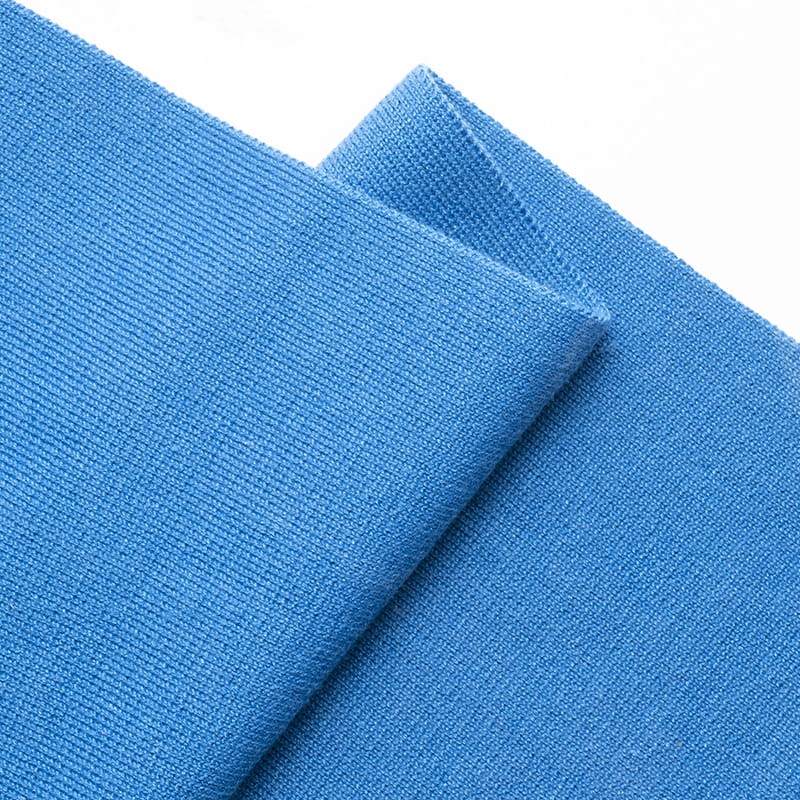
Ribbed knitted fabric is a double-knit textile characterized by vertical ridges or ribs that run parallel to the selvedge. These ribs form through alternating columns of knit and purl stitches, creating a textured surface on both sides of the material. The distinctive structure provides the fabric with exceptional stretch properties and dimensional stability that single-knit alternatives cannot achieve.
The construction relies on a double-knit technique using two sets of needles to create a fabric that is thicker and more stable than single knits. This method prevents edge curling, a common defect in jersey fabrics, making ribbed knits ideal for garment components requiring clean finished edges. The vertical orientation of the ribs gives the material a structured appearance while adding depth and tactile interest.
Core Manufacturing Process
Manufacturers produce ribbed knitted fabric primarily on circular knitting machines that enable continuous and seamless production. These machines coordinate multiple needle beds to form the alternating stitch patterns that create the rib structure. The process allows for precise control over rib width, depth, and spacing to meet specific application requirements.
Quality control during manufacturing ensures consistent stitch formation and uniform rib spacing. Variations in knitting tension, yarn feed rates, or needle alignment can produce irregular textures that compromise both aesthetic appeal and functional performance. Industrial-grade equipment maintains tight tolerances to deliver fabric that meets standardized specifications for weight, width, and stretch characteristics.
Technical Specifications and Performance Characteristics
Fabric Weight and GSM Standards
Fabric weight, measured in grams per square meter (GSM), directly influences the performance and suitability of ribbed knitted materials for different applications. Lightweight varieties ranging from 150 to 220 GSM provide soft drape and breathability for summer garments and layering pieces . Medium-weight fabrics between 220 and 300 GSM offer balanced structure and comfort suitable for cardigans, dresses, and transitional-season apparel.
Heavyweight ribbed knitted fabrics exceeding 300 GSM deliver warmth and resilience required for hoodies, sweatshirts, and cold-climate outerwear. Higher GSM fabrics also absorb dyes more deeply, producing richer, more vibrant colors that maintain their appearance through repeated laundering cycles.
Stretch and Recovery Properties
The defining performance characteristic of ribbed knitted fabric is its exceptional ribbed knit stretch recovery capability. The alternating knit and purl stitch arrangement creates a double-faced structure that stretches easily in the crosswise direction while maintaining stability lengthwise. Technical measurements confirm that ribbed knits offer higher stretch percentages in both width and length compared to plain jersey constructions.
Shape retention tests demonstrate that ribbed knits experience minimal shrinkage after washing, particularly in the direction of the rows. The presence of tuck stitches further improves recovery after deformation, allowing garments to return to their original dimensions after stretching. This property makes the material ideal for components that must maintain their form through repeated wear and care cycles.
Standard ribbed knits achieve at least 50% stretch across the fabric width, with premium blends containing 5% spandex delivering up to 100% stretch capacity . The recovery rate typically exceeds 95% after 30 seconds, ensuring garments do not sag or bag with extended use.
The following table presents typical cotton ribbed knit specifications across different weight classes:
| Weight Class | GSM Range | Typical Fiber Blend | Stretch Capacity | Primary Applications |
|---|---|---|---|---|
| Lightweight | 150-220 GSM | 95% Cotton / 5% Spandex | 50-70% crosswise | T-shirts, tanks, summer tops, layering pieces |
| Medium Weight | 220-300 GSM | 100% Cotton or Cotton/Poly blend | 40-60% crosswise | Cardigans, dresses, transitional apparel |
| Heavyweight | 300-380 GSM | 80% Cotton / 20% Polyester | 30-50% crosswise | Hoodies, sweatshirts, cold-weather accessories |
| Industrial Grade | 250+ GSM | 60% Modacrylic / 37% Cotton / 3% Spandex | 30%+ with FR properties | Protective garments, safety cuffs, and collars |
Ribbed Knitted Fabric Construction Methods
Circular Knitting Technology
Modern ribbed knitted fabric construction relies predominantly on circular knitting machines that form seamless tubes of fabric. These machines utilize cylinder and dial needle beds arranged in a circular configuration to create the alternating stitch pattern. The technology enables high-speed production with consistent quality across large batch quantities.
Advanced micro-simulations in textile manufacturing demonstrate that adjusting machine settings can produce a variety of ribbed structures with different stretch and recovery characteristics. Computer-controlled feeders manage yarn tension and delivery rates to maintain uniform stitch formation throughout the production run.
Common Rib Patterns
Several standard ribbed knitted patterns serve different functional and aesthetic requirements:
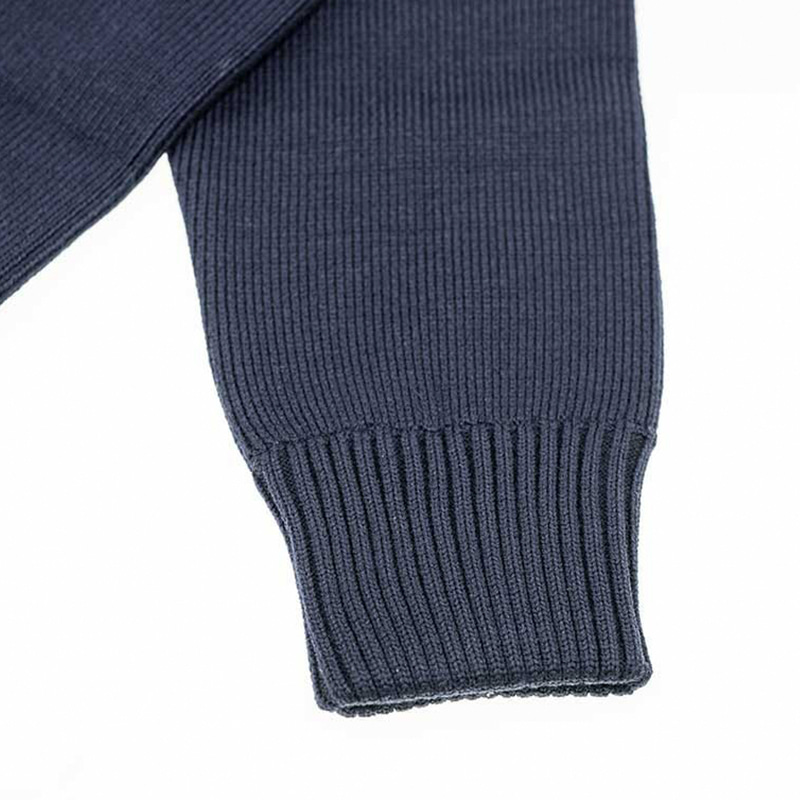
- 1x1 rib knit alternates one knit stitch with one purl stitch, creating narrow ,closely spaced vertical ridges that offer maximum elasticity and smooth texture
- 2x2 rib knit uses two knit stitches followed by two purl stitches, producing wider, more pronounced ribs with greater stretch and visual texture
- 2x1 rib knit combines two knit stitches with one purl stitch, balancing elasticity with structural stability for waistbands and fitted areas
- 8x3 and other advanced patterns provide multi-directional stretch for specialized applications requiring complex deformation recovery
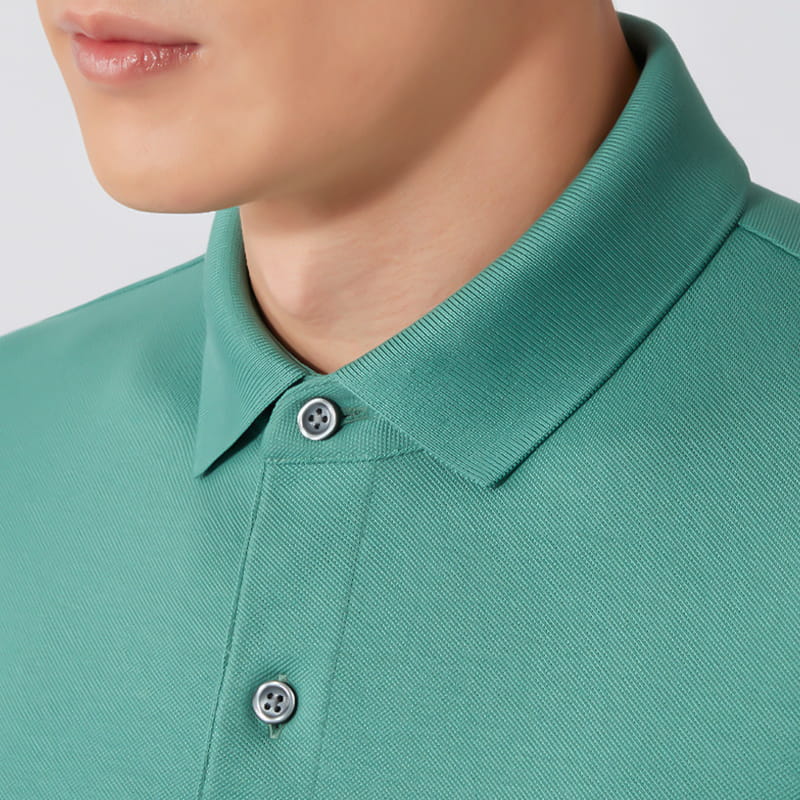
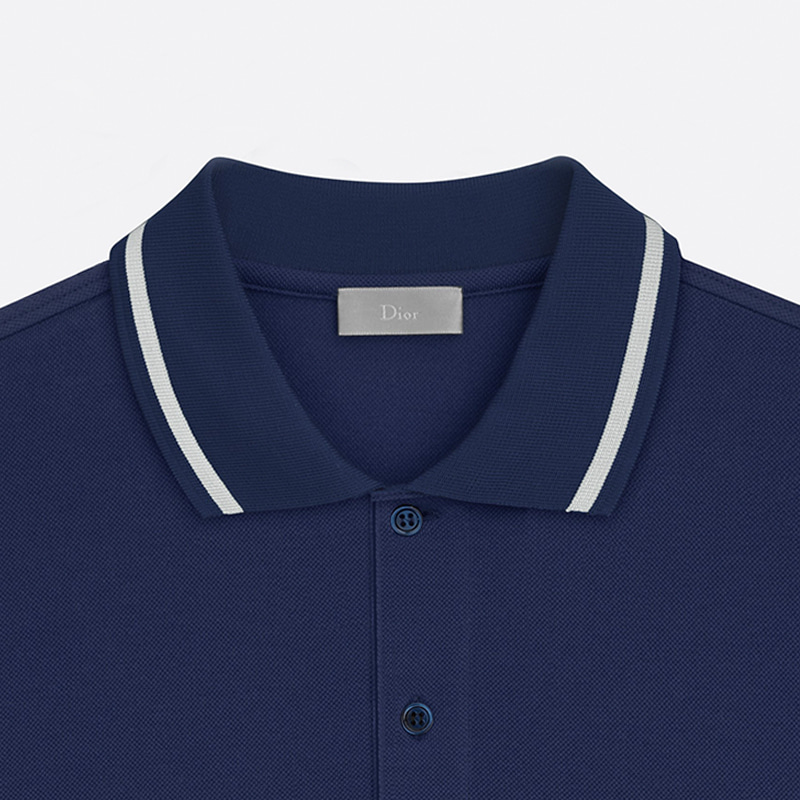
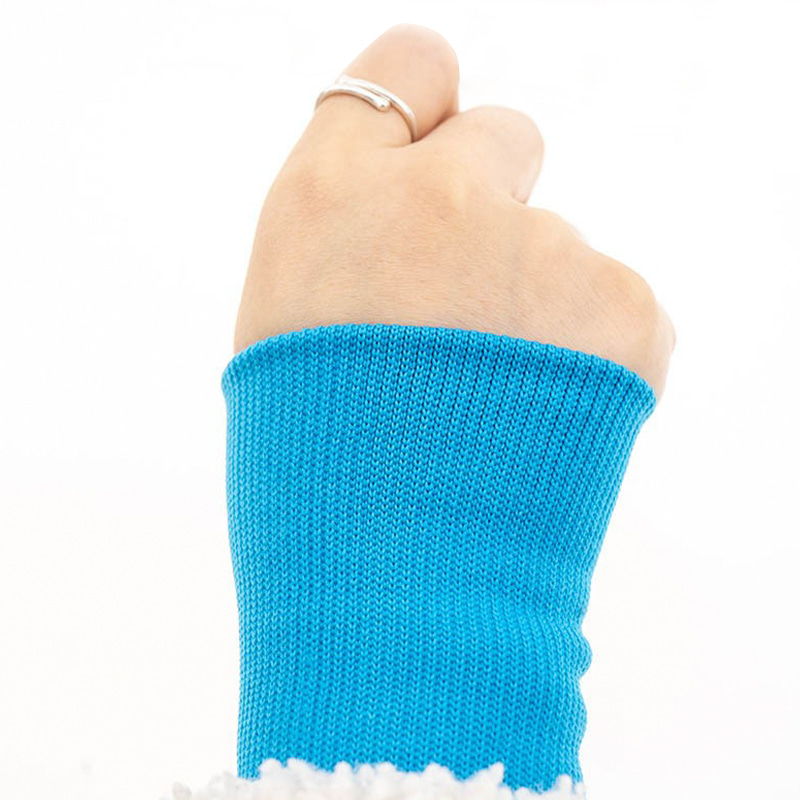
Pattern selection depends on the required stretch percentage, visual texture, and garment placement. Cuffs and collars typically utilize 1x1 or 2x2 patterns for maximum recovery, while body panels may employ 2x1 constructions for balanced comfort and structure.
Ribbed Knit vs Jersey Knit: Technical Comparison
Structural Differences
The ribbed knit vs jersey knit comparison reveals fundamental engineering distinctions between these common knit fabrics. Ribbed knitted fabric features alternating knit and purl stitches,s creating vertical ribs on both sides of the material. This double-knit construction produces a fabric that is inherently thicker and more dimensionally stable than single-knit alternatives
Jersey knit utilizes a single knit construction,n resulting in a smooth front surface and a slightly textured back. The single-knit structure creates a light, er more fluid fabric that drapes softly but lacks the structural integrity and edge stability of ribbed constructions Jersey fabrics tend to curl at cut edges, requiring additional finishing processes that ribbed knits do not need.
Performance and Application Contrast
Stretch and recovery characteristics differentiate these fabrics significantly. Ribbed knitted materials demonstrate superior transverse elasticity and elastic recovery, maintaining shape after repeated stretching cycles Jersey knits offer moderate elasticity but less recovery, potentially leading to garment deformation over time.
Application selection depends on these performance differences. Designers specify ribbed knits for garment components requiring elasticity and shape retention, such as collars, cuffs, waistbands, and fitted bodices. Jersey knits serve better for large,r softer garments like T-shirts, dresses, and loungewear, ar where drape and comfort take priority over structural support
The following table provides a detailed technical comparison:
| Characteristic | Ribbed Knitted Fabric | Jersey Knit Fabric |
|---|---|---|
| Construction Method | Double-knit with alternating knit/purl stitches | Single-knit with plain stitch formation |
| Surface Texture | Vertical ribs on both sides | Smooth front, textured back |
| Thickness | Thicker, more substantial | Lighter, thinner |
| Stretch Direction | Significant crosswise stretch, minimal lengthwise | Moderate stretch in both directions |
| Elastic Recovery | Excellent shape retention after stretching | Moderate recovery, potential for deformation |
| Edge Stability | Resists curling, clean finished edges | Tends to curl at cut edges |
| Drape Characteristics | Structured, stiff drape | Soft, fluid drape |
| Primary Applications | Cuffs, collars, waistbands, fitted garments | T-shirts, dresses, casual wear, and underwear |
Industrial Applications and End Uses
Apparel Manufacturing Applications
Ribbed knitted fabric serves critical functions across multiple apparel categories. The material forms essential components in sweaters, cardigans, and outerwear, where the textured surface adds visual interest while providing structural support. The fabric's opacity and breathability make it suitable for year-round wear across various climate conditions.
Activewear manufacturers value the material for its ability to combine compression with comfort. The stretch properties support muscle movement while the recovery characteristics maintain garment fit during high-intensity activities. Moisture-wicking finishes enhance performance in athletic applications.
Medical and Technical Textiles
The healthcare industry utilizes ribbed knitted fabrics for compression garments, orthopedic supports, and post-surgical bandages. The natural stretch allows for a snug yet non-restrictive fit, promoting circulation while preventing blood clot formation. The textured surface enhances moisture wicking, keeping skin dry during prolonged wear.
Industrial safety applications require flame-resistant ribbed knitted fabrics for protective cuffs and collars. Blends incorporating modacrylic fibers achieve ISO 11611 and ISO 11612 certifications for welding protection while maintaining the comfort and mobility essential for worker compliance.
Selection Criteria for B2B Procurement
Fiber Content and Blend Optimization
Procurement teams must evaluate fiber composition when specifying ribbed knitted materials. Cotton blends offer softness and breathability, ideal for everyday wear and baby clothing. Polyester-based knits deliver durability, wrinkle resistance, and quick-drying properties suited for sportswear and performance apparel.
Spandex additions between 2% and 5% enhance ribbed knit stretch recovery and shape retention essential for fitted styles. Wool or acrylic blends provide warmth and structure for cold-weather accessories and winter sweaters. The optimal blend balances comfort, performance, and cost considerations for the intended application.
Quality Assessment Parameters
Bulk procurement requires verification of several technical specifications:
- Fiber content percentage verified through lab testing
- GSM weight measured across multiple fabric samples
- Stretch percentage tested according to ASTM D2594 standards
- Recovery rate assessed after repeated deformation cycles
- Color fastness evwas aluated for washing, light, and rubbing resistance
- Shrinkage percentage determined after standard laundering
Requesting pre-production swatches and strike-off approvals ensures that bulk deliveries match specified requirements. Suppliers should provide detailed technical data sheets documenting all performance parameters.
Frequently Asked Questions (FAQ)
What is the difference between ribbed knit and jersey knit fabric?
Ribbed knit vs jersey knit comparisons reveal that ribbed knitted fabric uses double-knit construction with alternating knit and purl stitche , creating vertical ribs on both sides. This structure delivers superior stretch and shape retention. Jersey knit employs single-knit construction with a smooth front and textured back, offering lighter weight and softer drape but less elasticity and edge stability. Ribbed knits resist curling and work best for cuffs and collars, while jersey suits T-shirts and casual wear.
How does the texture of ribbed knitted fabric affect garment performance?
The ribbed knitted fabric texture created by vertical ridges significantly impacts both aesthetic and functional performance. The ribbed surface adds visual depth and tactile interest while providing structural support that prevents garment sagging. The texture enhances moisture-wicking in activewear applications and creates air pockets that improve insulation in cold-weather garments. The three-dimensional surface also improves grip and stability in compression and medical applications.
What specifications should buyers consider when purchasing cotton ribbed knit?
Buyers evaluating cotton ribbed knit specifications should prioritize GSM weight, fiber blend composition, and stretch recovery performance. Lightweight fabrics (150-220 GSM) suit summer garments, while heavyweight options (300+ GSM) provide warmth for outerwear. Standard blends of 95% cotton with 5% spandex deliver optimal comfort and elasticity. Verify stretch capacity exceeds 50% crosswise with recovery rates above 95%. Color fastness, shrinkage percentage, and pilling resistance also require assessment for quality assurance
How does ribbed knit stretch recovery change over time?
Ribbed knit stretch recovery performance degrades gradually with wear and care cycles. New fabric exhibits optimal elasticity with fibers in unan damaged condition. Over months of use, repeated stretching causes fiber stress that reduces recovery capability. Washing in hot water, harsh detergents, and high-heat drying accelerate elasticity loss. Proper care, including cold water washing, gentle detergents, and air drying,g can extend performance life. High-quality blends with spandex maintain recovery properties longer than 100% cotton constructions.
References
- Suerte Textile, "What Distinguishes Ribbed Knit Fabric in Today's Fashion Industry," June 2025.
- Alibaba Product Insights, "Understanding Ribbed Knit Fabric: Material Grades, Performance, and Industrial Uses," November 2025.
- Fabricated Closet, "Fabric 101: Ribbed Knit," October 2025.
- Jiadong Textile, "What is the texture of soft ribbed knit fabric?" August 2025.
- Worldbest Jason, "How does the elasticity of Knit Rib Fabric change over time?" December 2025.
- CH Cashmere, "The Science of Rib Knit: How Structure Influences Comfort and Style," February 2025.
- Simiki Textile, "Textile Industrial Modacrylic Cotton Spandex Blended Fire Resistant Ribbed Knitted Fabric," October 2025.