 English
 Español
Content
The global textile market for ribbed knit materials has undergone a significant transformation, driven by the increasing demand for performance driven apparel and durable home textiles. For professional wholesalers and garment manufacturers, selecting the correct fiber composition is a critical decision that impacts the longevity, functionality, and cost efficiency of the final product. While cotton has long been the traditional choice for its natural feel, polyester ribbed knit fabric has emerged as a technically superior alternative in high performance and high traffic applications.
Understanding the Structural Integrity of Polyester Ribbed Knit
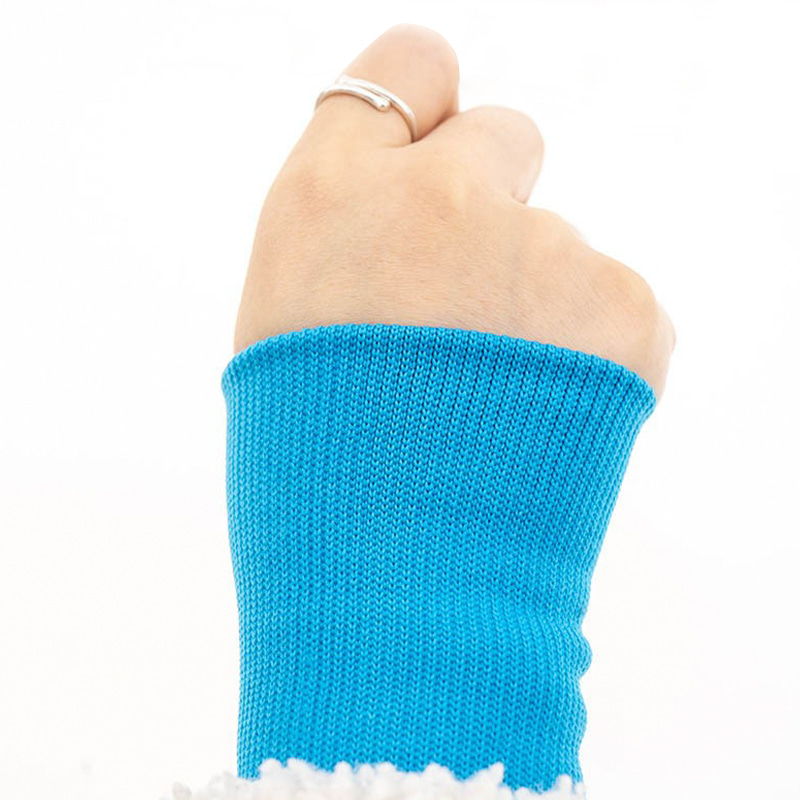
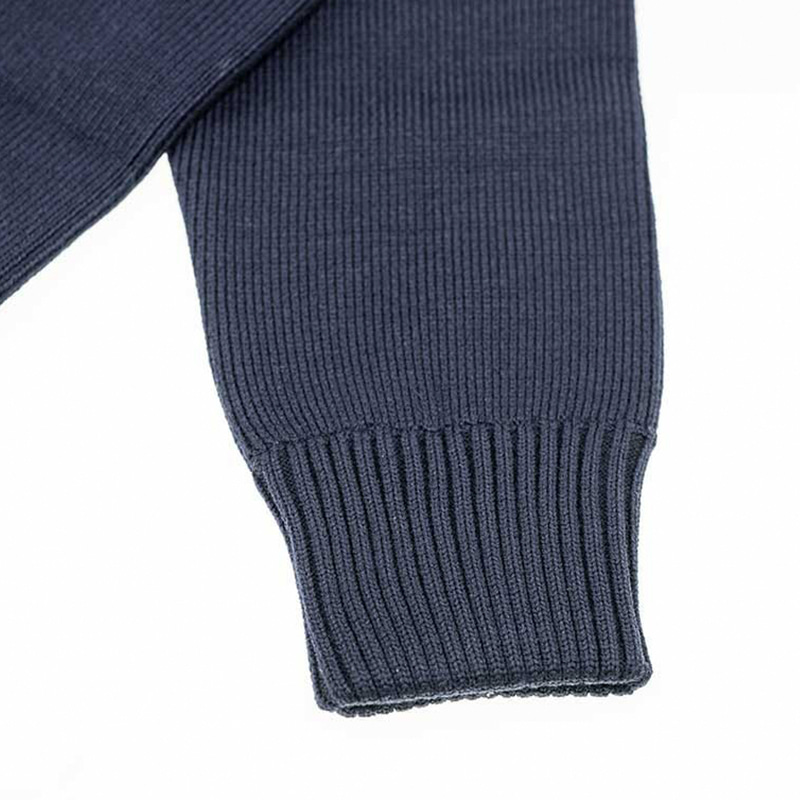
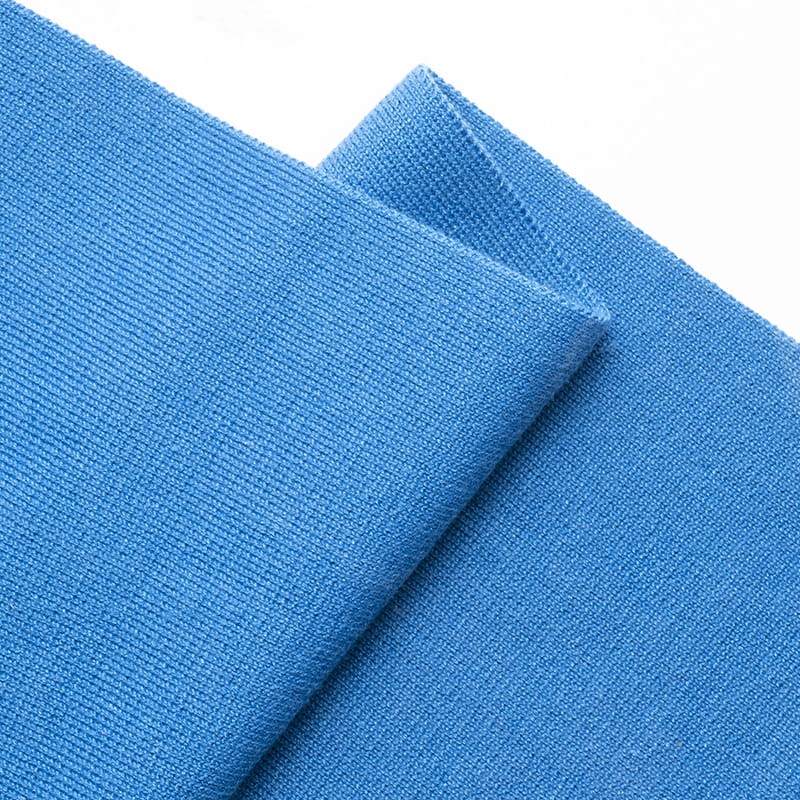
Polyester ribbed knit fabric is characterized by its distinct vertical ridges, created through an alternating knit and purl stitch pattern. This structure provides inherent mechanical stretch, but the use of polyester as the primary fiber adds a layer of chemical and physical resilience that natural fibers often lack.
Polyester is a synthetic polymer, primarily composed of polyethylene terephthalate. In a ribbed knit construction, these synthetic filaments offer several mechanical advantages:
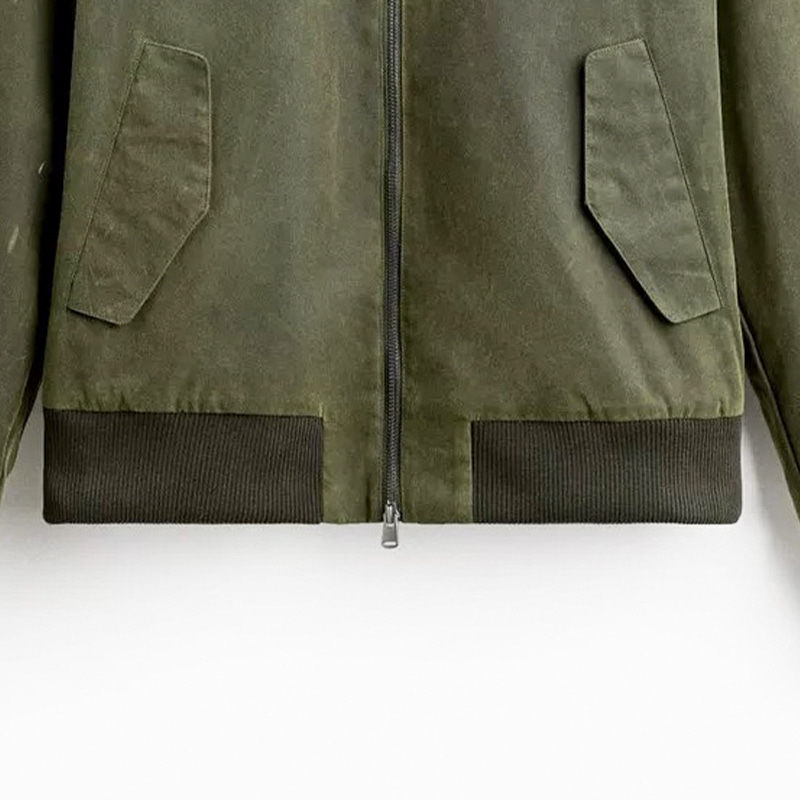
- Tensile Strength: Polyester fibers possess high tenacity, meaning they can withstand significant pulling force without breaking. This is essential for the 1x1 or 2x2 rib structures often used in cuffs and neckbands.
- Dimensional Stability: Unlike cotton, which is prone to swelling and shrinking when wet, polyester is hydrophobic. It retains its shape even after repeated industrial laundering cycles.
- Elastic Recovery: While the rib knit provides the stretch, the polyester fiber ensures the “snap back.” This prevents the “bagging” effect often seen in 100% cotton garments after prolonged wear.
Comparative Technical Analysis: Polyester vs. Cotton
When evaluating these two materials for large scale export and manufacturing, several key performance metrics come into play. The following table provides a direct comparison based on standardized textile testing parameters.
| Performance Metric | Polyester Ribbed Knit | Cotton Ribbed Knit |
|---|---|---|
| Moisture Absorption | Very Low (0.4%) | High (8% to 25%) |
| Drying Speed | Rapid (10 to 15 minutes) | Slow (45 to 60 minutes) |
| Pilling Resistance | Grade 4 to 5 (With low-pill finish) | Grade 2 to 3 |
| Abrasion Resistance | High (20,000+ Martindale cycles) | Moderate (5,000 to 8,000 cycles) |
| Color Fastness | Excellent (Resistant to UV and bleach) | Fair (Prone to fading and bleeding) |
| Shrinkage Rate | Less than 1% | 3% to 5% (Without pre-shrinking) |
| Wrinkle Recovery | High (Self-smoothing) | Low (Requires ironing) |
Moisture Management and Thermal Regulation
One of the most significant differences between polyester and cotton ribbed knits lies in their interaction with moisture. Cotton is a hydrophilic fiber; it absorbs water into its core. In a ribbed knit structure, this means the fabric becomes heavy and loses its elasticity when saturated with sweat or water. For wholesalers supplying the activewear or outdoor gear sectors, this is a major drawback.
In contrast, polyester is hydrophobic. Instead of absorbing moisture, it utilizes capillary action to move water along the surface of the fiber and away from the skin. In ribbed knit fabrics, the “valleys” between the ridges act as additional channels for airflow and moisture transport. This makes polyester ribbed knit the preferred choice for technical base layers and sports uniforms where keeping the wearer dry is paramount.
Durability in Industrial Applications
For the B2B sector, durability translates directly to value. Polyester ribbed knit fabric is significantly more resistant to the rigors of industrial use.
- Abrasion Resistance: The synthetic nature of polyester allows it to withstand friction far better than the short staple fibers of cotton. In items like workwear or furniture upholstery, where the fabric is constantly rubbed against other surfaces, polyester maintains its surface integrity for a longer period.
- Chemical Resistance: Polyester is resistant to most chemicals, including mild acids and alkalis. This makes it suitable for uniforms in medical or industrial environments where frequent sterilization or heavy duty cleaning is required.
- UV Stability: For export markets in high sun exposure regions (such as the Middle East or Australia), polyester’s resistance to ultraviolet degradation is a key selling point. It does not yellow or weaken under sunlight as quickly as natural fibers.
Manufacturing and Processing Advantages
From a production standpoint, polyester ribbed knit offers greater consistency. Because it is a manufactured fiber, the diameter and strength of the yarn can be controlled with extreme precision.
- Dyeing Consistency: Polyester is typically dyed using disperse dyes at high temperatures and pressures. This results in deep, vibrant colors that are chemically bonded to the fiber, ensuring they do not bleed during washing.
- Heat Setting: Polyester is thermoplastic. Manufacturers can “heat set” the fabric during the finishing process. This locks the rib structure in place, ensuring that the width and weight of the fabric remain consistent from the start of the roll to the end.
- Reduced Waste: Due to the strength of the filaments, there are fewer yarn breakages during the high speed circular knitting process. This leads to higher yields and lower defect rates compared to cotton knitting.
FAQ
1. Does polyester ribbed knit fabric pill easily?
While older synthetic fabrics were prone to pilling, modern polyester ribbed knits often feature a “low-pill” finish. Because polyester is very strong, any pills that do form are harder to break off than cotton pills. However, with high quality filament polyester, pilling is significantly minimized compared to short-staple natural blends.
2. Is polyester ribbed knit suitable for sensitive skin?
Standard polyester is generally non-allergenic. However, because it is less breathable than cotton, it can trap heat. For garments intended for sensitive skin, many manufacturers use a polyester/viscose or polyester/cotton blend to combine the durability of the synthetic with the softness of the natural fiber.
3. What is the typical weight (GSM) for polyester ribbed knit?
For wholesale purposes, weights typically range from 180 GSM (lightweight for tops and dresses) to 300+ GSM (heavyweight for cuffs, waistbands, and outerwear).
4. How does polyester ribbed knit handle sublimation printing?
It is the ideal substrate for sublimation. Since sublimation requires at least 60% synthetic content, 100% polyester ribbed knit allows the dyes to turn into gas and bond directly with the fibers, resulting in permanent, high-definition prints that will not crack or peel.
5. Can this fabric be recycled?
Yes. Polyester is one of the most recyclable textiles. Many factories now offer rPET (recycled polyester) ribbed knits made from post-consumer plastic bottles, which provide the same technical performance as virgin polyester.
References and Technical Standards
- ISO 12947-2: Textiles — Determination of the abrasion resistance of fabrics by the Martindale method.
- AATCC Test Method 79: Absorbency of Textiles — Evaluating the moisture transport properties of synthetic knits.
- ASTM D3776: Standard Test Methods for Mass Per Unit Area (Weight) of Fabric.
- ISO 105-B02: Textiles — Tests for color fastness to light: Xenon arc fading lamp test.
- Textile Exchange: Global Recycled Standard (GRS) for synthetic fiber traceability.