 English
 Español
Content
- 1 Understanding Jacquard Ribbed Knit Construction
- 2 Fiber Composition Options
- 3 Jacquard Ribbed Knit Fabric Weight and GSM
- 4 Jacquard Ribbed Knit Fabric Stretch and Recovery
- 5 Jacquard Ribbed Knit Fabric for Apparel — Design and Application
- 6 Buying by the Yard — What Wholesale Buyers Should Know
- 7 Care, Quality Standards, and Testing
- 8 Frequently Asked Questions
- 8.1 Q1: What is the difference between jacquard ribbed knit and regular ribbed knit fabric?
- 8.2 Q2: How do I calculate how much fabric I need when buying jacquard ribbed knit by the yard?
- 8.3 Q3: Can jacquard ribbed knit fabric be cut and sewn on standard knit sewing equipment?
- 8.4 Q4: What minimum order quantity should I expect from a wholesale jacquard ribbed knit fabric supplier?
- 9 References
Jacquard ribbed knit fabric combines two distinct textile technologies into a single construction. The jacquard mechanism controls individual needle selection to create complex, multi-level patterns directly in the knit structure. The rib configuration adds vertical columns of alternating knit and purl loops that give the fabric its characteristic stretch, body, and surface texture. The result is a fabric that carries visual complexity without sacrificing the comfort and elasticity that knit constructions are valued for. This guide provides the technical detail that fabric buyers, product developers, and wholesale sourcing managers need before placing an order.
Understanding Jacquard Ribbed Knit Construction
To specify this fabric correctly, buyers must understand how each element of the construction contributes to the final product's performance and appearance.
How Jacquard Knitting Works
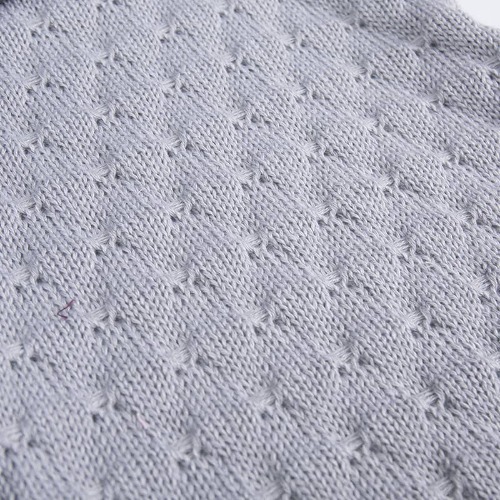
Jacquard knitting uses electronically controlled needle selection systems on circular or flat knitting machines. Each needle can be individually activated or deactivated on every course, allowing the machine to form different stitch types — knit, tuck, or float — at any position in the fabric. This level of control enables the creation of geometric patterns, intarsia-style color blocks, textured reliefs, and multi-yarn designs without requiring separate weaving or embroidery processes. Modern electronic jacquard machines can manage pattern repeats of several hundred needles wide, producing highly detailed designs at production speed.
How Ribbed Structure Is Integrated
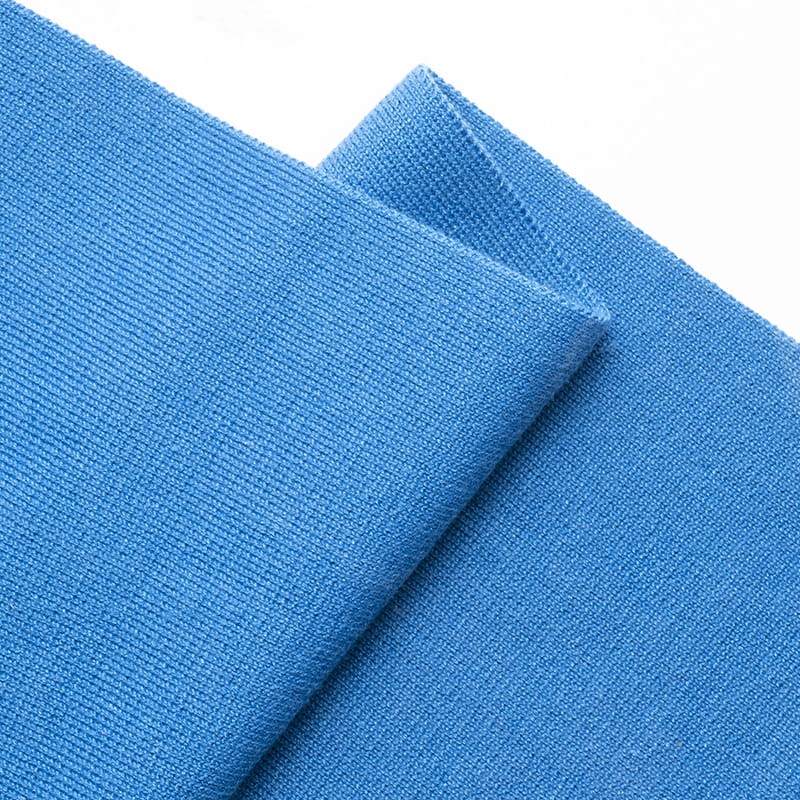
A rib structure is formed on a machine with two opposing needle beds — a cylinder and a dial on circular machines, or a front bed and back bed on flat machines. The two beds work simultaneously to form loops on both faces of the fabric. A 1x1 rib alternates one knit loop and one purl loop across each course. A 2x2 rib groups two knit loops and two purl loops. The jacquard pattern is superimposed onto this rib base by varying the stitch type at selected needles while maintaining the rib loop architecture across the full fabric width. This integration requires precise machine setup because the jacquard selection system must coordinate with the dual-bed rib structure without disrupting loop formation tension.
Fiber Composition Options
Fiber selection determines the fabric's hand feel, weight, stretch recovery, dyeability, and care requirements. Buyers must match fiber composition to the end-use performance requirements of the garment. The table below compares the most common fiber options used in jacquard ribbed knit fabric production.
| Fiber Type | Stretch Recovery | Hand Feel | Dyeability | Care Requirement | Typical Use |
|---|---|---|---|---|---|
| 100% Polyester | Good — moderate recovery without elastane | Smooth, slight sheen | Disperse dye, excellent color fastness | Machine wash, quick dry | Sportswear, outerwear trim |
| Polyester / Elastane (5–8%) | Excellent — high recovery, low set | Firm, supportive | Disperse dye; elastane remains undyed | Low heat wash; avoid chlorine bleach | Bodywear, fitted apparel, leggings |
| Cotton / Elastane | Good — depends on elastane percentage | Soft, warm, absorbent | Reactive dye, good vibrancy | Warm machine wash; low tumble dry | Casual tops, loungewear, knitwear |
| Viscose / Polyester blend | Moderate — lower recovery than synthetics | Soft, drapey, slight luster | Reactive or direct dye | Gentle wash; low heat dry | Fashion knitwear, blouses, dresses |
| Wool / Acrylic blend | Good — natural crimp provides recovery | Warm, textured, medium softness | Acid dye for wool component | Hand wash or dry clean | Sweaters, cold-weather accessories |
Polyester Jacquard Ribbed Knit Fabric
Polyester jacquard ribbed knit fabric is the most widely sourced variant in wholesale markets. Polyester yarn provides dimensional stability during the knitting process, which is important because the tight needle coordination required for jacquard-rib construction demands consistent yarn tension. Polyester also accepts disperse dyes at high temperatures, producing sharp, saturated color in the jacquard pattern areas. Its resistance to shrinkage and pilling makes it a reliable choice for high-volume production where consistent wash-after-wash performance is required.
Natural and Blended Fiber Variants
Cotton-elastane blends are favored in the premium casual and athleisure segments because cotton's natural breathability complements the body-hugging structure of a ribbed knit. Viscose blends add drape and surface sheen, which allows the jacquard pattern to catch light differently on the raised and recessed rib surfaces. Wool-acrylic blends are used in colder-market knitwear programs where thermal performance is a priority alongside pattern detail.
Jacquard Ribbed Knit Fabric Weight and GSM
Jacquard ribbed knit fabric weight and GSM directly determines how a garment drapes, insulates, and moves on the body. GSM (grams per square meter) is the standard measurement for knit fabric weight in the apparel industry. Jacquard ribbed constructions tend to run heavier than comparable single-jersey fabrics because the dual-bed rib structure and the multi-yarn jacquard sequences add material volume per unit area.
GSM Ranges by End Use
| GSM Range | Weight Category | Typical End Use | Season Suitability |
|---|---|---|---|
| 180 to 240 gsm | Light to medium | Fashion tops, layering pieces, fitted bodywear | Spring, summer, transitional |
| 240 to 320 gsm | Medium to heavy | Sweaters, structured tops, outerwear cuffs and collars | Autumn, winter |
| 320 to 420 gsm | Heavy | Thick knitwear, blanket-weight cardigans, home textiles | Winter, cold-climate markets |
Jacquard Ribbed Knit Fabric Stretch and Recovery
Stretch and recovery performance is one of the most important technical attributes for any knit fabric used in close-fitting apparel. Jacquard ribbed knit fabric stretch and recovery depends on three variables: the rib configuration, the fiber content, and the presence or absence of elastane. A 1x1 rib provides more cross-directional stretch than a 2x2 rib because the loop columns are more closely spaced. Adding elastane — typically at 5% to 8% by weight — improves recovery significantly without adding visible elastane courses to the surface.
Measuring Stretch Performance
Industry testing for stretch and recovery follows ASTM D2594 (Standard Test Method for Stretch Properties of Knitted Fabrics Having Low Power) or ISO 4309 for elastic fabrics. The test measures elongation under a defined load and then measures the permanent set after the load is removed. Buyers should request test reports confirming stretch percentage in both the course direction (width) and the wale direction (length), as jacquard patterning can reduce course-direction stretch in areas where float yarns span multiple needles.
| Fiber Composition | Typical Width Stretch (%) | Recovery Rate (%) | Permanent Set After Wash |
|---|---|---|---|
| 100% Polyester (no elastane) | 30 to 50 | 85 to 90 | Low |
| Polyester + 5% Elastane | 60 to 90 | 95 to 98 | Very low |
| Cotton + 5% Elastane | 50 to 75 | 90 to 95 | Low to moderate |
| Viscose / Polyester blend | 25 to 45 | 80 to 88 | Moderate |
Jacquard Ribbed Knit Fabric for Apparel — Design and Application
Jacquard ribbed knit fabric for apparel is used across a wide range of product categories, from performance sportswear to premium fashion knitwear. Its structural texture and built-in pattern make it suitable for garments where surface interest is a design objective rather than an afterthought.
Garment Categories and Design Considerations
- Fitted tops and bodysuits: The rib's inherent cross-stretch accommodates body movement. Jacquard pattern placement at the front panel creates visual focal points without additional printing or embroidery cost.
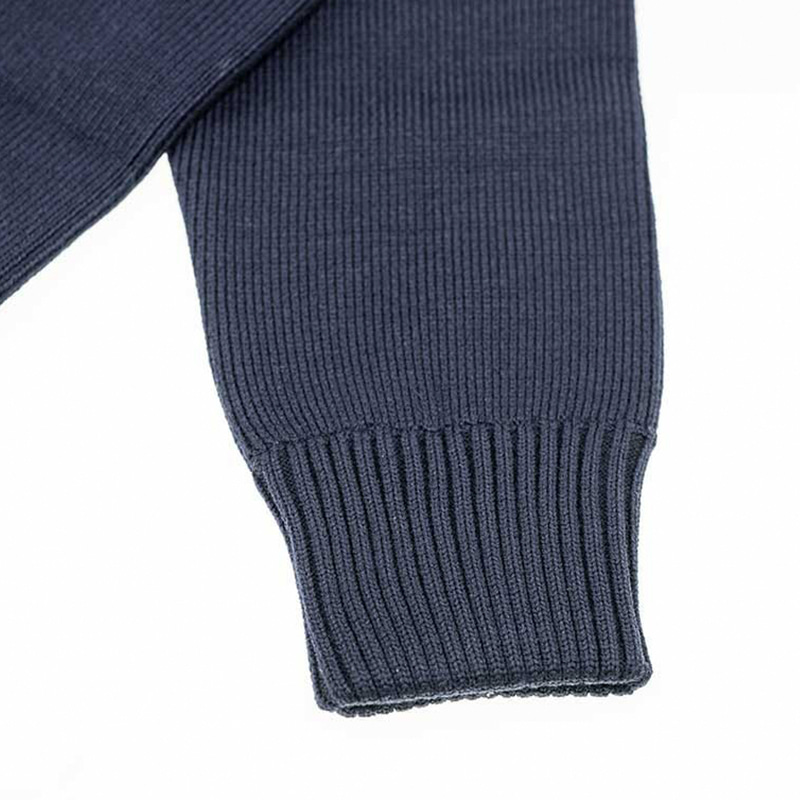
- Sweaters and pullovers: Heavier GSM constructions in wool or acrylic blends produce the traditional knitwear aesthetic with the added design dimension of the jacquard pattern. Panels, yokes, and cuffs are common application zones.
- Activewear and athleisure: Polyester-elastane jacquard rib provides muscle compression and moisture management while maintaining visual differentiation on the retail floor.
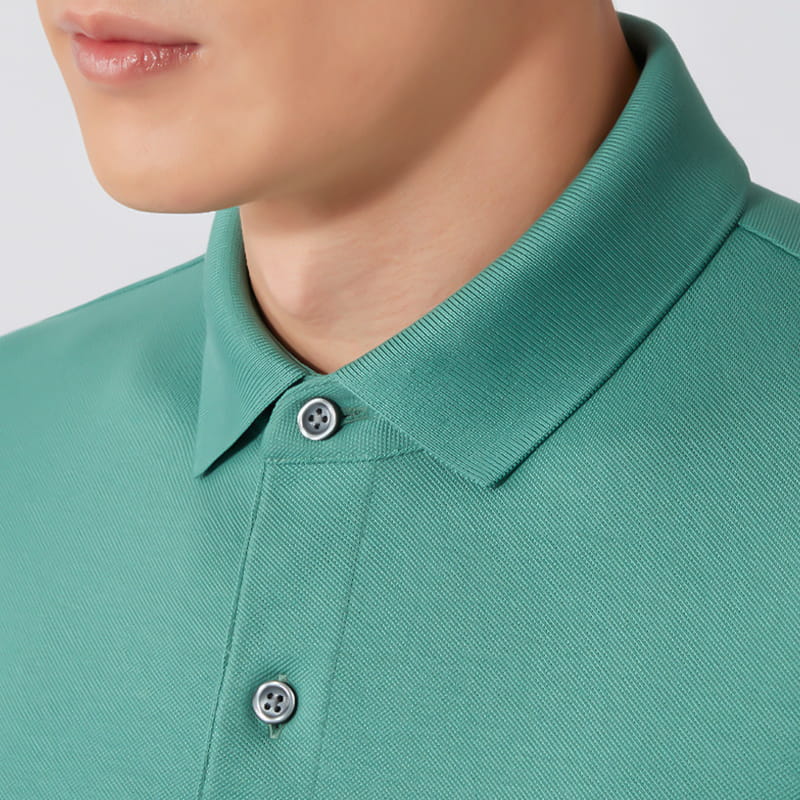
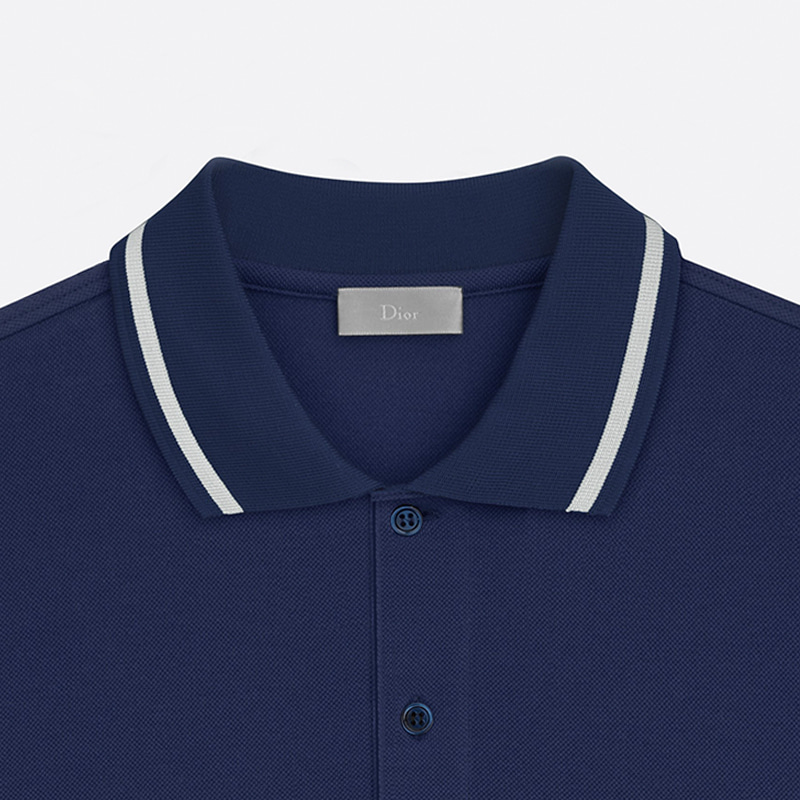
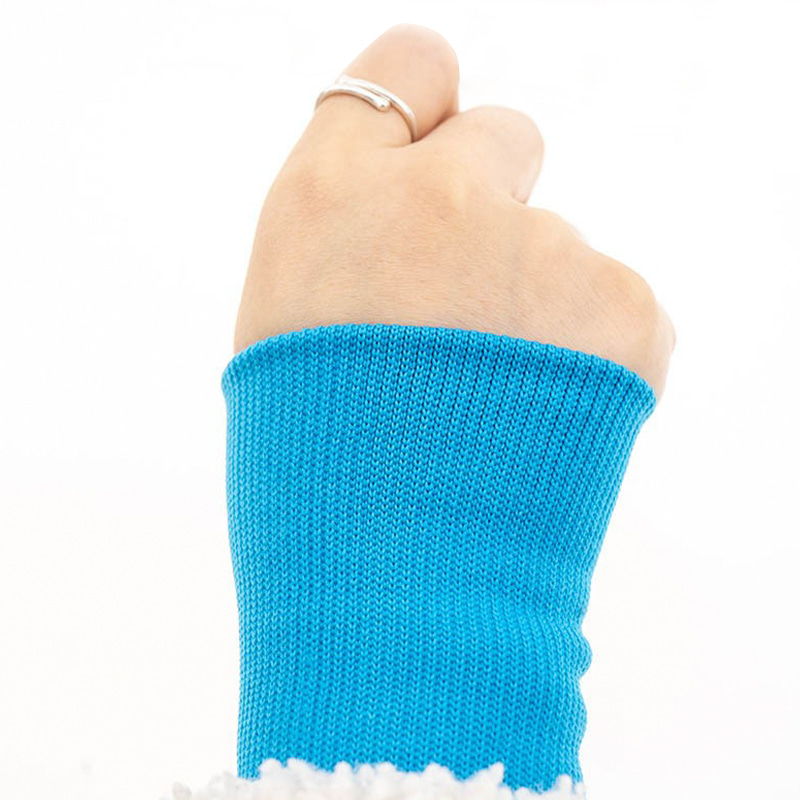
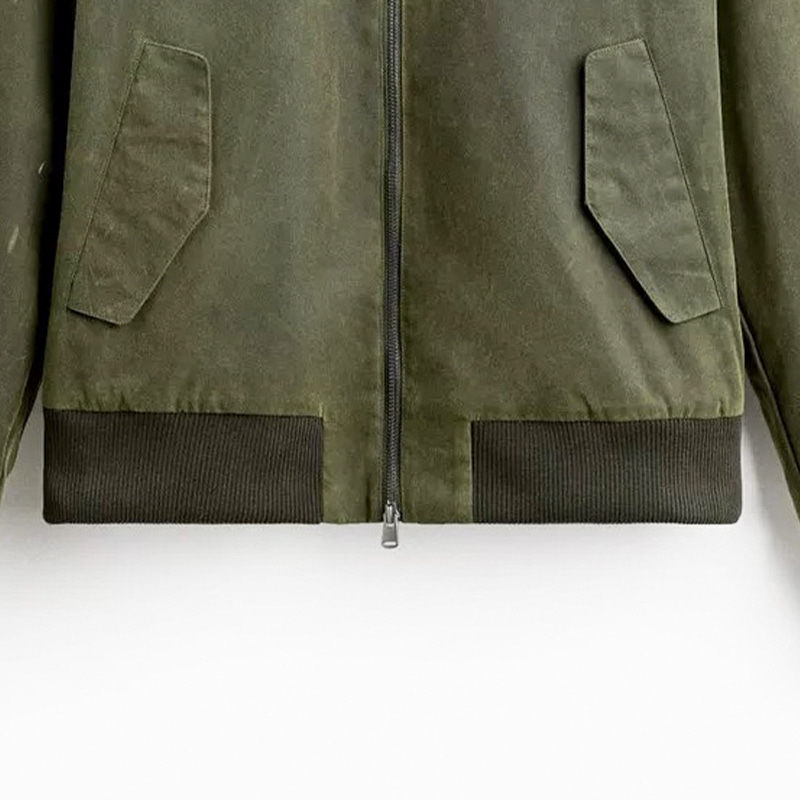
- Outerwear trims: Cuffs, collars, and waistbands in jacquard ribbed fabric add a design detail to otherwise plain shell garments. These components are typically cut from fabric rolls and sewn onto the shell, requiring precise edge stability to prevent curling.
- Accessories: Headbands, wristbands, and neck warmers use narrow-width jacquard rib constructions, often produced on specialized rib circular machines or cut from wider fabric rolls.
Buying by the Yard — What Wholesale Buyers Should Know
Sourcing polyester jacquard ribbed knit fabric by the yard at wholesale requires careful attention to minimum order quantities, roll width consistency, and color standard documentation. Jacquard patterned fabrics carry higher per-yard costs than plain rib because they require more complex machine programming, slower production speeds, and often use multiple yarn types within a single fabric construction.
Wholesale Jacquard Ribbed Knit Fabric Supplier Selection Criteria
A reliable wholesale jacquard ribbed knit fabric supplier should be able to provide documentation and samples across the following criteria before a production order is confirmed.
- Lab dip approval process with a defined color tolerance — typically Delta E less than 1.0 under D65 illuminant for fashion applications.
- Shrinkage test reports per ISO 6330 or AATCC 135, confirming dimensional stability after laundering at the specified care temperature.
- Pilling resistance test data per ISO 12945-2 (Martindale method), minimum Grade 3 to 4 after 2,000 cycles for apparel applications.
- Roll width consistency within plus or minus 1.5 cm across a production lot to ensure reliable pattern matching in cut-and-sew operations.
- Fiber content certification aligned with legal labeling requirements in the target market — CPSC in the United States, EU Textile Regulation 1007/2011 in Europe.
- Pattern repeat documentation with dimensional specifications to assist in garment marker planning and yield calculation.
Care, Quality Standards, and Testing
- Color fastness to washing: ISO 105-C06 — minimum Grade 4 for color change, Grade 3 to 4 for staining on adjacent fabrics.
- Color fastness to rubbing: ISO 105-X12 — minimum Grade 3 wet, Grade 4 dry for most apparel applications.
- Dimensional stability: ISO 6330 — maximum acceptable shrinkage for knit apparel fabrics is typically 5% in the length direction and 3% in the width direction after three wash cycles.
- Bursting strength: ISO 13938-1 — measures resistance to multi-directional stress, relevant for close-fitting garments subjected to repeated stretch loading.
- OEKO-TEX Standard 100: Confirms absence of harmful substances in the finished fabric. Buyers sourcing for children's apparel or skin-contact products should require this certification as a minimum.
Frequently Asked Questions
Q1: What is the difference between jacquard ribbed knit and regular ribbed knit fabric?
A regular ribbed knit uses a consistent stitch pattern — typically 1x1 or 2x2 — repeated uniformly across the full fabric width and length. It produces a plain, vertically textured surface with no decorative pattern. A jacquard ribbed knit uses individual needle selection to vary the stitch type at specific positions, creating geometric shapes, color-block designs, or textured reliefs within the rib structure. The jacquard mechanism adds design complexity but also increases production cost because it requires more sophisticated machine setup, slower knitting speed, and often more than one yarn type per course.
Q2: How do I calculate how much fabric I need when buying jacquard ribbed knit by the yard?
The calculation starts with the garment's pattern pieces — specifically their total area in square meters or square yards. This area is divided by the usable fabric width to give the minimum fabric length required per garment. A yield factor of 10% to 15% is then added to account for seam allowances, cutting waste, and pattern matching at the jacquard repeat. For jacquard fabrics with large pattern repeats, the matching allowance can be significantly higher — sometimes 20% to 25% of the base yardage — because the cutter must align each panel to the repeat boundary before cutting.
Q3: Can jacquard ribbed knit fabric be cut and sewn on standard knit sewing equipment?
Yes, but several adjustments are necessary. The fabric's cross-directional stretch requires a differential feed presser foot or a walking foot to prevent the lower fabric layer from feeding faster than the upper layer during seaming. Overlock or coverstitch seaming is preferred over plain lock-stitch seams because it accommodates the fabric's stretch without thread breakage. Needle size should be matched to the fabric weight — typically a 75/11 or 90/14 ballpoint needle for medium-weight constructions. Cutting should be done in a single layer or with a very light stack height to prevent the fabric layers from shifting at the jacquard pattern repeat boundaries.
Q4: What minimum order quantity should I expect from a wholesale jacquard ribbed knit fabric supplier?
Minimum order quantities (MOQs) for jacquard ribbed knit fabric vary by supplier type and production method. Circular jacquard knitting mills typically require a minimum of 300 to 500 kilograms per colorway per pattern, because the machine setup cost for a new jacquard program must be amortized across a sufficient production run. Flat-bed jacquard knitting, used for more complex or narrower constructions, may have lower MOQs of 100 to 200 kilograms but at a higher per-kilogram price. Stock service programs — where the supplier holds pre-produced inventory in standard patterns and colors — can supply quantities as low as 30 to 50 meters per order, making them suitable for smaller brands or sampling programs.
References
- Spencer, D.J. Knitting Technology: A Comprehensive Handbook and Practical Guide, 3rd ed. Cambridge: Woodhead Publishing, 2001.
- International Organization for Standardization. ISO 6330: Textiles — Domestic Washing and Drying Procedures for Textile Testing. Geneva: ISO, 2021.
- International Organization for Standardization. ISO 12945-2: Textiles — Determination of Fabric Propensity to Surface Fuzzing and to Pilling — Part 2: Modified Martindale Method. Geneva: ISO, 2020.
- ASTM International. ASTM D2594: Standard Test Method for Stretch Properties of Knitted Fabrics Having Low Power. West Conshohocken, PA: ASTM, 2020.
- OEKO-TEX Association. OEKO-TEX Standard 100: Testing for Harmful Substances. Zurich: OEKO-TEX, 2024.
- European Parliament. Regulation (EU) No 1007/2011 on Textile Fibre Names and Related Labelling and Marking of Fibre Composition of Textile Products. Brussels: European Union, 2011.