 English
 Español
Content
Introduction to Knit Cuff Technology
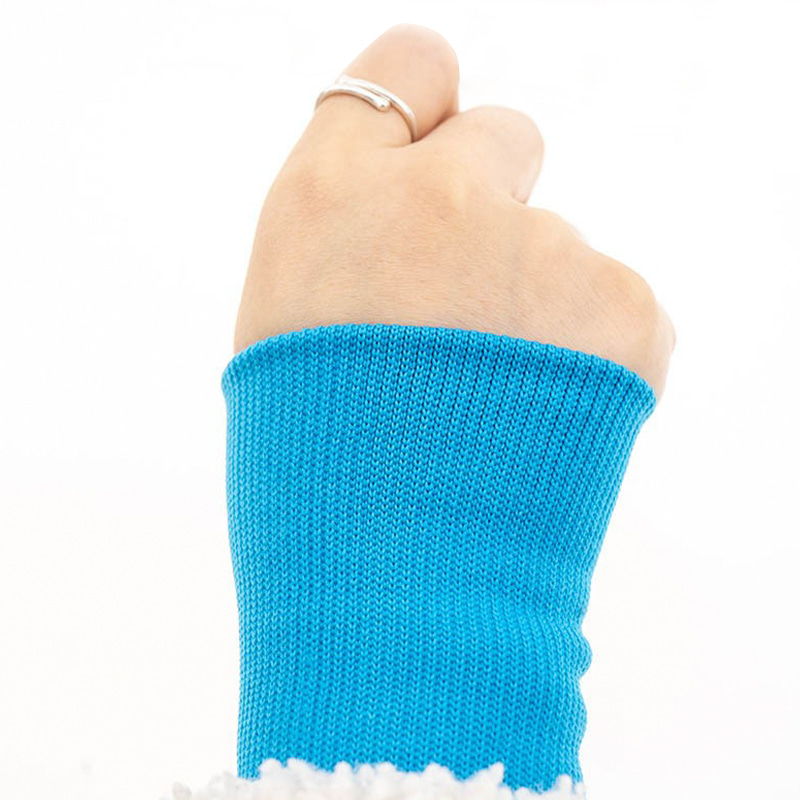
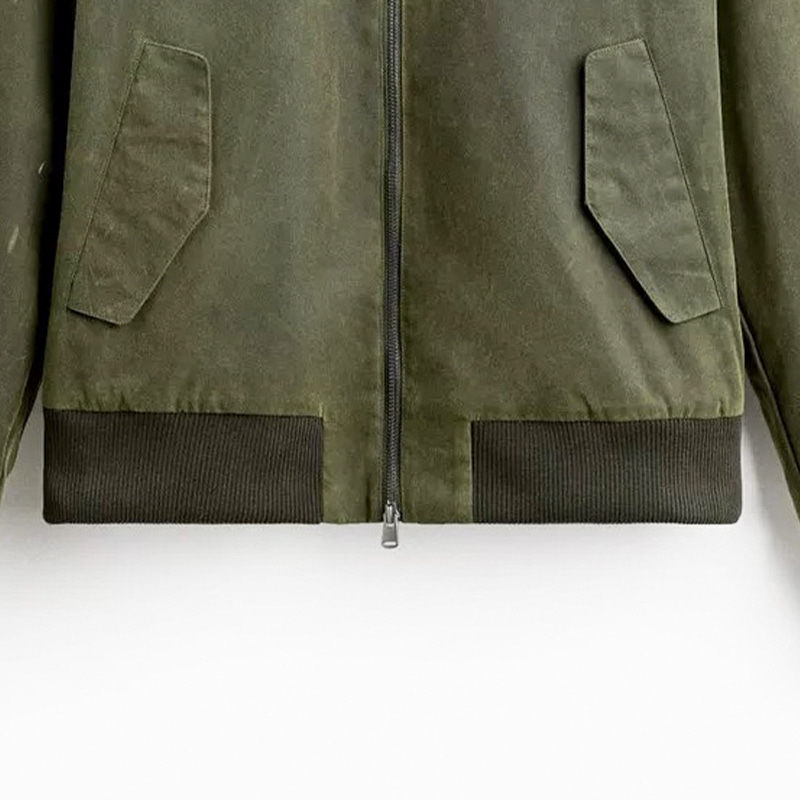
In the textile industry, the finishing of a garment often defines its perceived quality and functional lifespan. A tubular knitted ribbed cuff serves as a critical interface between the garment and the wearer. It provides the necessary closure at wrists and ankles to seal in warmth and block out environmental elements. Engineers and designers prioritize this component because it directly impacts user comfort and the structural integrity of the apparel.
The Basic Structure of a Tubular Knit
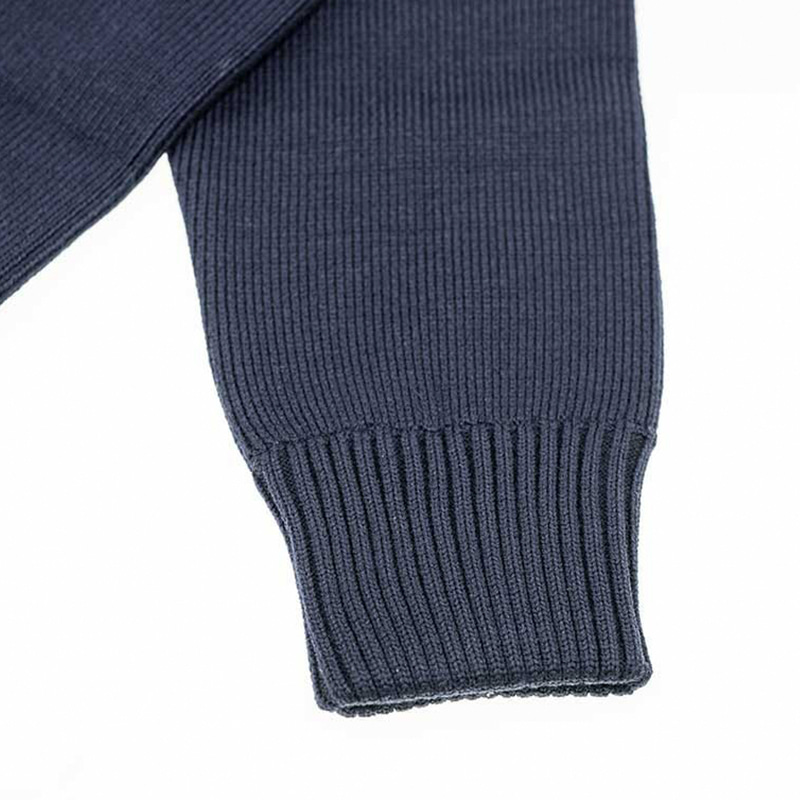
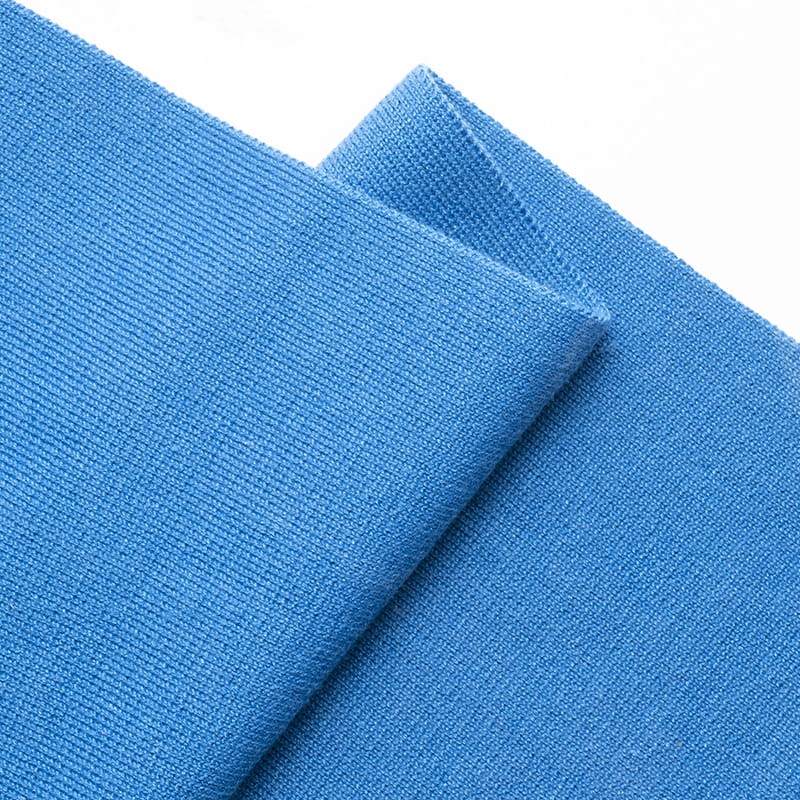
Unlike flat knitting which creates a single layer of fabric, tubular knitting produces a seamless, cylinder-shaped fabric. This structure eliminates side seams, resulting in a smoother surface and higher tensile strength. The "ribbed" aspect refers to the alternating raised and lowered vertical wales of stitches. This specific construction allows the fabric to stretch significantly widthwise while recovering its original shape, making it ideal for cuffs.
Key Technical Specifications for B2B Buyers
When sourcing materials for mass production, understanding technical parameters is essential. Buyers must evaluate tubular knit cuff specifications rigorously to ensure they meet the performance requirements of the final product.
Understanding Fabric Composition
The choice of fiber dictates the elasticity, durability, and cost of the cuff. Most industrial applications rely on a blend of natural and synthetic fibers to balance comfort with mechanical performance.
Common Material Blends
The most prevalent composition involves cotton combined with spandex (elastane) or polyester. Spandex provides the high elasticity required for a snug fit, while cotton offers breathability. For high-performance outerwear, synthetic blends are preferred for their resistance to abrasion and moisture.
Physical Performance Metrics
Beyond composition, the physical properties determine the cuff's suitability for specific applications. Elastic recovery is a primary metric; the cuff must return to its original dimensions after repeated stretching. Pilling resistance and colorfastness are also critical quality indicators.
The following table outlines the performance characteristics of common material blends used in cuff manufacturing.
| Material Composition | Elastic Recovery Rate | Thermal Insulation | Best Application |
| 95% Cotton / 5% Spandex | High (>90%) | Medium | Casual wear, Light jackets |
| 70% Polyester / 30% Wool | Medium | High | Winter coats, Heavy knitwear |
| 80% Nylon / 20% Elastane | Very High (>95%) | Low | Sportswear, Activewear |
The Ribbed Cuff Manufacturing Process
The production of high-quality cuffs requires precision machinery and controlled parameters. The ribbed cuff manufacturing process involves several distinct stages to ensure consistency across large batches.
Knitting Machinery and Gauge
Manufacturers typically use double-cylinder circular knitting machines to produce tubular fabric. The gauge of the machine—defined as the number of needles per inch—determines the fineness of the rib. Common constructions include 1x1 rib and 2x2 rib. A 2x2 rib construction provides a chunkier texture and greater vertical elasticity compared to a 1x1 rib.
Finishing Treatments
Post-knitting treatments are vital for stabilizing the fabric. Heat setting is commonly applied to synthetic fibers to lock in the dimensions and prevent shrinkage. Pre-shrinking processes are mandatory for cotton-rich blends to ensure the final garment maintains its size after consumer washing. Quality assurance teams inspect for defects like dropped stitches or uneven dyeing at this stage.
Application Scenarios in Modern Apparel
The versatility of this textile component allows for widespread use across various garment categories. From heavy industrial workwear to lightweight fashion items, the functional requirements dictate the specific engineering approach.
Outerwear and Activewear Integration
In the outerwear sector, the primary function of the cuff is environmental protection. A well-engineered cuff prevents wind and water ingress, which is crucial for user comfort.
Tubular Knitted Ribbed Cuff for Jackets
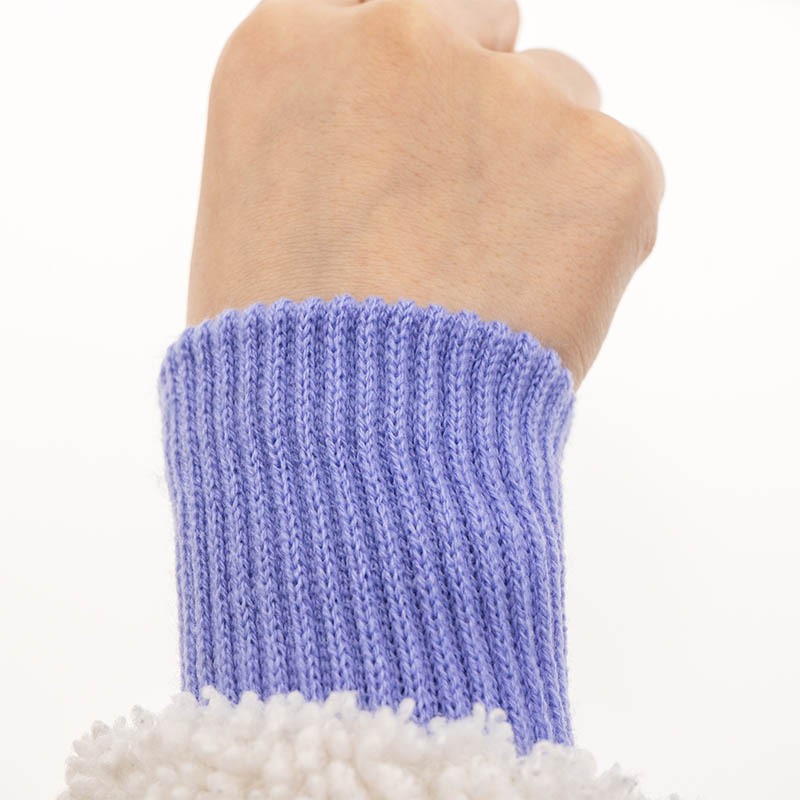
For jacket manufacturers, the tubular knitted ribbed cuff for jackets represents a balance between aesthetics and function. Heavier jackets often utilize double-layer cuffs to increase contact area with the skin. This design traps air effectively, enhancing the thermal seal. Furthermore, the absence of seams reduces friction against the wrist, improving wearer comfort during prolonged use.
Quality Control and Procurement Considerations
For procurement officers, selecting the right supplier involves more than just price negotiation. Technical capability and compliance with international standards are equally important.
How to Source Custom Tubular Knit Cuffs Wholesale
When looking to source custom tubular knit cuffs wholesale, buyers should prioritize factories with in-house knitting capabilities. This often reduces lead times and allows for greater customization regarding width and stretch ratio. Suppliers must provide detailed spec sheets outlining yarn count, needle count, and finish specifications.
Testing Standards and Tolerances
Reliable suppliers adhere to standardized testing protocols to validate product quality. These tests simulate the wear and tear the garment will experience over its lifetime.
The table below summarizes the standard testing methods for knitted cuffs.
| Test Parameter | Standard Reference | Significance |
| Dimensional Stability | ISO 6330 | Measures shrinkage after washing |
| Tensile Strength | ASTM D5034 | Determines breaking force |
| Pilling Resistance | ISO 12945-2 | Assesses fabric surface fuzzing |
| Colorfastness to Rubbing | ISO 105-X12 | Checks dye transfer potential |
Conclusion
The tubular knitted ribbed cuff is a sophisticated component that combines material science with mechanical engineering. For B2B buyers and engineers, understanding the nuances of elastic ribbed cuff fabric composition and manufacturing is essential for producing high-quality garments. By adhering to rigorous specifications and testing standards, manufacturers can ensure that their products deliver the comfort and durability that end-users demand. Attention to these technical details not only improves product performance but also optimizes the supply chain for cost-efficiency and reliability.
Frequently Asked Questions
- What is the difference between 1x1 and 2x2 ribbing?
- A 1x1 rib has one raised wale and one lowered wale, offering a flatter appearance and good stretch. A 2x2 rib has two raised wales and two lowered wales, providing a more defined texture and greater vertical elasticity, making it stretchier and bulkier.
- How does fabric composition affect cuff durability?
- Higher synthetic content, such as nylon or polyester, generally increases abrasion resistance and shape retention. Natural fibers like cotton offer softness but may relax over time. Spandex content is critical for maintaining the "memory" of the cuff to snap back to its original shape.
- Can tubular cuffs be produced in custom widths?
- Yes, manufacturers can adjust the knitting machine settings to produce tubular fabric in various diameters. However, custom specifications may require minimum order quantities (MOQ) to cover the cost of machine setup and yarn sourcing.
- Why is the tubular construction preferred over cut-and-sew cuffs?
- Tubular construction eliminates the need for side seams, which reduces the risk of seam failure and irritation against the skin. It also creates a cleaner aesthetic and allows for 360-degree stretch, enhancing the ergonomic fit of the garment.