 English
 Español
Content
- 1 Knitted Ribbed Collar vs Regular Collar: What’s the Difference?
- 2 Exploring Different Types of Knitted Ribbed Collars for Shirts and Sweaters
- 3 How to Sew a Knitted Ribbed Collar Perfectly
- 4 Knitted Ribbed Collar Sweater Pattern: Finding the Perfect Design
- 5 Your Trusted Partner for High-Quality Knitted Ribbed Collars
- 6 Frequently Asked Questions About Knitted Ribbed Collars
- 7 References
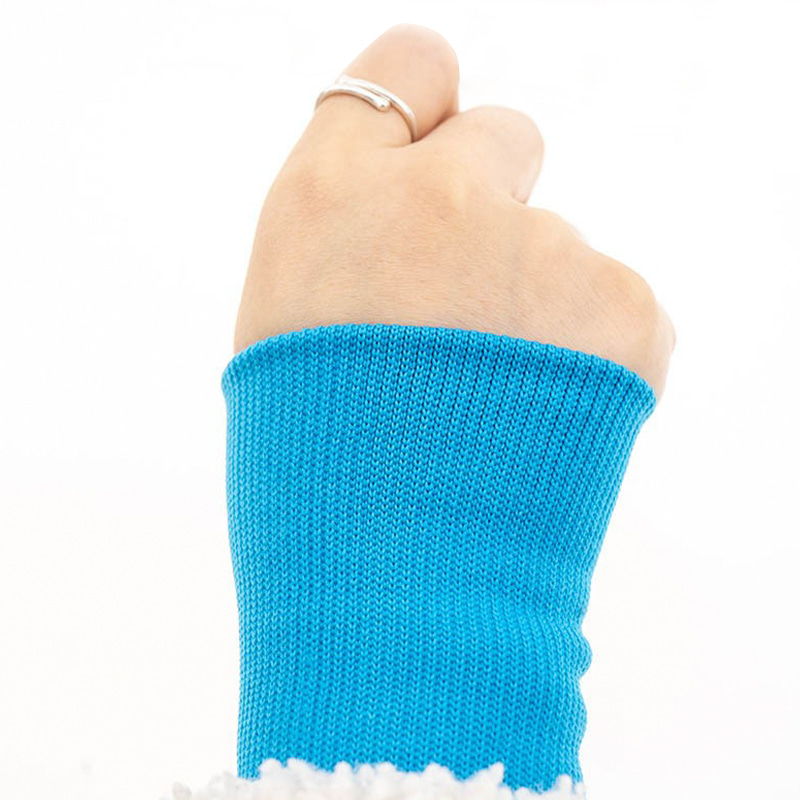
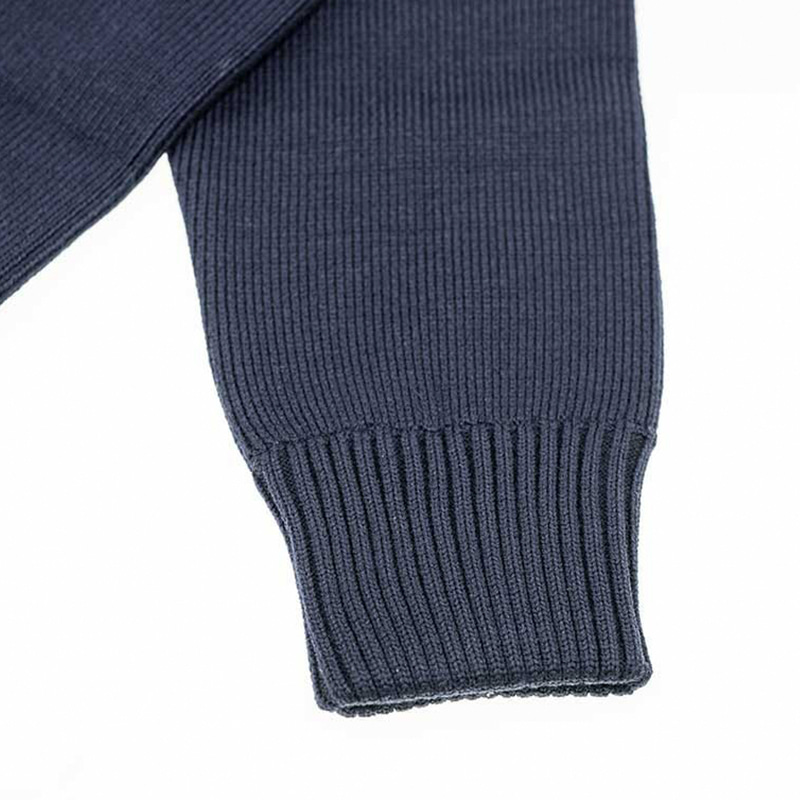
A knitted ribbed collar is a specific type of neckline finish constructed from rib knit fabric. Unlike collars cut from woven cloth, a knitted ribbed collar is engineered for elasticity, recovery, and a comfortable fit. It is a critical component in garments ranging from premium polo shirts to high-end sweaters, influencing both the aesthetic and the functional lifespan of the apparel. For procurement specialists and product developers, understanding the mechanical properties and manufacturing nuances of these collars is essential for quality control and supply chain precision.
Knitted Ribbed Collar vs Regular Collar: What’s the Difference?
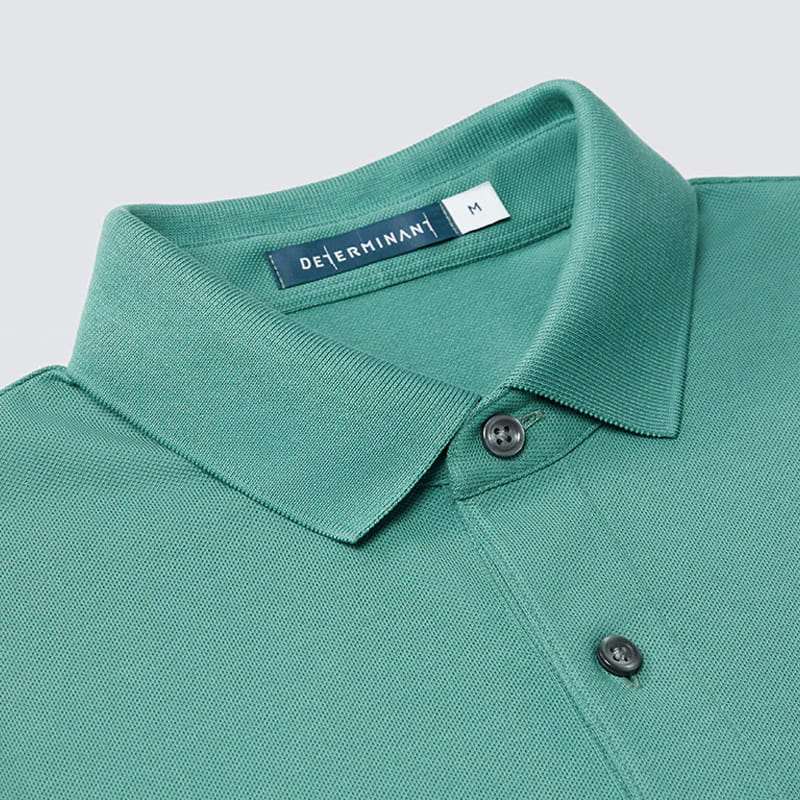
The primary distinction between a knitted ribbed collar and a regular woven collar lies in their structural integrity and material behavior. A regular collar, typically found on dress shirts, relies on interlinings and fusing for stiffness, while a knitted collar derives its structure from the knit architecture itself. The comparison below outlines the key technical variances.
Construction and Fabric
A regular collar is made from woven fabric, which has minimal stretch and requires darts or seams to shape it around the neck. In contrast, a knitted ribbed collar is produced on flat knitting machines, creating interlocking loops that naturally curve and conform.
Comfort and Fit
The inherent stretch of a rib knit allows the collar to pass over the head easily and then recover to hug the neck. A woven regular collar, even with a button closure, offers a fixed circumference and less adaptive comfort.
Technical Comparison Table
Below is a detailed comparison of the two collar types based on key engineering parameters relevant to bulk manufacturing:
| Parameter | Knitted Ribbed Collar | Regular Woven Collar |
|---|---|---|
| Fabric Structure | Interlocking loops (1x1, 2x2 rib) | Woven warp & weft threads |
| Elasticity (Stretch) | High (up to 30-50% depending on yarn) | Low (less than 5% on bias) |
| Recovery Rate | Excellent, returns to original shape | Poor, prone to permanent creasing |
| Interlining Required | No interlining needed | Yes, fused interlining for stiffness |
| Primary Failure Mode | Edge curl or loss of elasticity | Delamination of fusing or fraying |
Exploring Different Types of Knitted Ribbed Collars for Shirts and Sweaters
The classification of knitted ribbed collars depends on the rib structure, height, and attachment method. For B2B buyers, specifying the correct type ensures the final garment meets design and durability specifications. Below are the predominant types used in modern apparel manufacturing.
The Classic Polo-Style Ribbed Collar
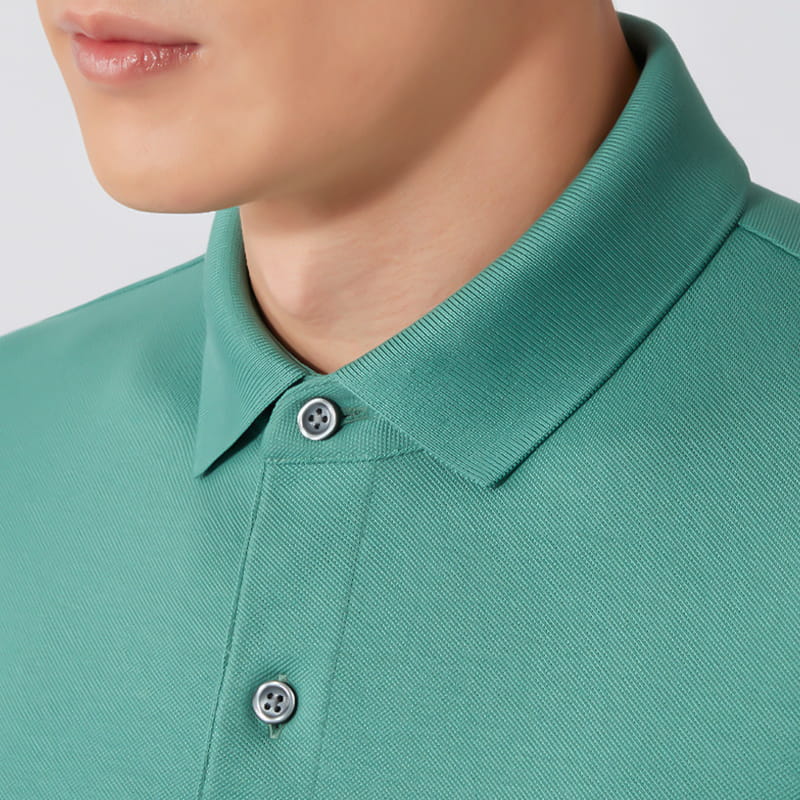
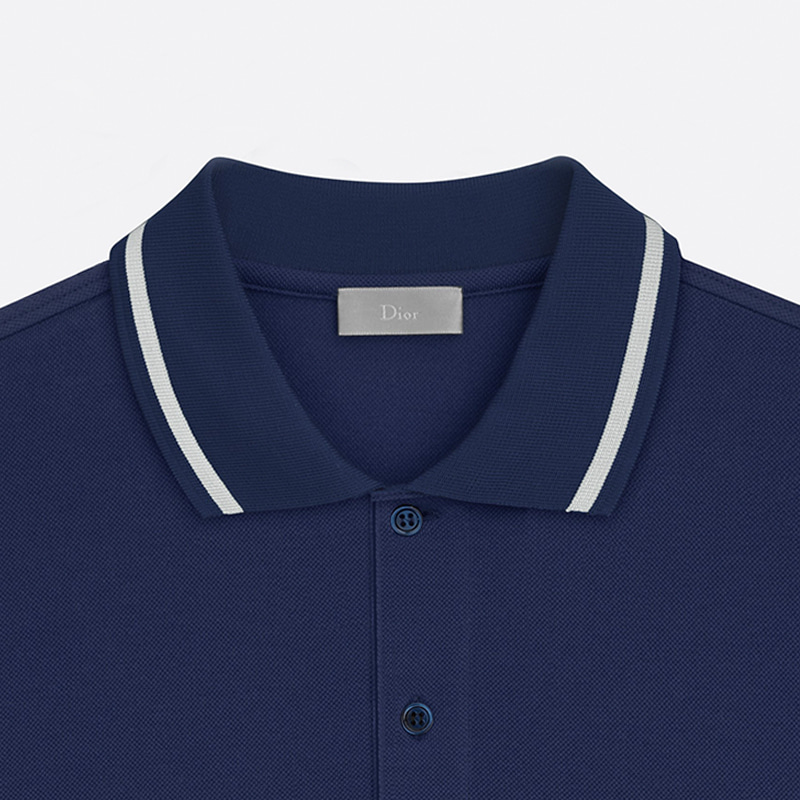
This type typically uses a 1x1 or 2x2 rib knit with a height of 2.5 cm to 3.5 cm. It is often combined with a placket and is a defining feature of knit polo shirts. The structure provides enough rigidity to hold a fold while remaining soft against the skin.
The Mock Neck and Turtleneck Ribbed Collar
These are extended collars, ranging from 5 cm to over 15 cm in height. They rely heavily on the rib's elastic recovery to maintain a snug fit without gaping. The knit gauge must be fine enough to prevent "sausage-casing" while allowing the head to pass through.
The Contrast Color Ribbed Collar
Often used as a design feature on sweaters and cardigans, this type involves knitting the collar in a different color or yarn composition than the body. It requires precise engineering at the linking stage to ensure the color transition is clean and the seam is flat.
How to Sew a Knitted Ribbed Collar Perfectly
Attaching a knitted ribbed collar is a critical sewing operation. Improper attachment leads to a distorted neckline or premature seam failure. The following process outlines the industry-standard technique used in high-volume production.
Tools and Materials You'll Need
- Needles: Ballpoint or stretch needles (size 70/10 or 80/12) to prevent yarn breakage.
- Thread: Polyester core-spun thread with high elasticity to match the collar's stretch.
- Machine: Overlock (serger) or coverstitch machine capable of stretch seams.
- Interfacing (Optional): Clear elastic tape for stabilizing the shoulder seam if the garment is heavy.
Step-by-Step: Attaching a Ribbed Collar to a Neckline
Step 1: Measuring and cutting the ribbing
The ribbing length must be cut to 80-90% of the garment's neck opening circumference. This negative ease ensures the collar hugs the neck without gaping. For example, if the neck opening is 50 cm, the collar blank should be cut to 42-45 cm.
Step 2: Joining the short ends of the ribbing to form a loop
Sew the two short ends of the ribbing strip together using a 0.5 cm seam allowance. Press the seam open to reduce bulk. This creates a continuous loop.
Step 3: Dividing the neckline and collar into quarters for even attachment
Mark the center front, center back, and shoulder points on both the garment neckline and the collar loop with notches or pins. Aligning these points distributes the stretch evenly and prevents puckering.
Step 4: Pin and sew using a stretch stitch or a serger/overlocker
With the collar sandwiched between the garment layers (right sides together), pin at the quarter marks. Sew using a 4-thread overlock stitch, gently stretching the collar to fit the neckline, but never stretching the neckline itself. A differential feed adjustment may be necessary to prevent waving.
Pro Tips for a Professional Finish
- Always test sew on a sample stack of fabrics to verify seam strength and stretch recovery.
- Use a water-soluble stabilizer on top of the seam if the fabric is slippery or prone to being eaten by the machine.
- For heavy knits, a topstitch with a coverstitch machine (e.g., a 2-needle coverstitch) flattens the seam allowance and provides a sportswear finish.
Knitted Ribbed Collar Sweater Pattern: Finding the Perfect Design
Selecting the right sweater pattern is foundational to achieving a high-quality ribbed collar. The pattern dictates the neck drop, shoulder slope, and the precise dimensions of the collar piece.
Top Tips for Choosing a Pattern
- Look for patterns specifically designed for knits; these will have a smaller neck circumference to account for the ribbed collar's negative ease.
- Check the pattern's schematic for the finished neck width. For a standard adult sweater, the finished collar width (height) is typically 2-3 cm.
- Ensure the pattern includes a separate piece for the ribbed collar rather than instructing you to simply fold over the main fabric.
Customizing Your Sweater Pattern with a Ribbed Collar
To adapt a standard crewneck pattern for a ribbed collar, you must lower the front neckline by approximately 1-2 cm and reduce the overall neck opening circumference by 10-15%. This compensates for the bulk and height the ribbing will add. The ribbing strip itself should be cut to 80% of the new neckline measurement to maintain tension.
Your Trusted Partner for High-Quality Knitted Ribbed Collars
For apparel brands seeking a reliable supply chain partner, the manufacturing capabilities and quality control systems of the supplier are paramount. Jiaxing Zhapu Jilida Garment Accessories Co., Ltd. exemplifies the infrastructure required for mass production of precision knit components.
Two Decades of Knitting Expertise
The company is located in Jiaxing Port District Venture Innovation Centre, founded in 2002. With 18 years of development history, the company has accumulated profound experience in product development and production. This longevity in the industry indicates a deep understanding of yarn properties, machine calibration, and defect prevention.
Global Standards, Local Precision
Jiaxing Zhapu Jilida maintains cooperative relationships with international first-line brands such as A&F, H&M, and Uniqlo. These partnerships require adherence to strict social compliance standards, rigorous quality audits, and consistent delivery schedules. The products are exported to overseas markets, confirming their compliance with international sizing and safety regulations.
State-of-the-Art Facilities for Superior Ribbing
The manufacturing scale is substantial: the company operates a 2000 square metre production workshop and a 2000 square metre material warehouse. The machinery park includes 20 sets of computerized flat knitting machines imported from Germany, known for their precision, speed, and ability to produce complex rib structures with minimal defects. Supplementing these are over 100 sets of domestic flat knitting machines, providing scalable capacity for high-volume orders. This combination allows the company to produce all kinds of ribbing, from simple 1x1 trims to intricate jacquard rib collars.
Frequently Asked Questions About Knitted Ribbed Collars
- How do I fix a stretched-out ribbed collar?
A stretched collar indicates that the elastomeric fibers (often spandex or the yarn itself) have fatigued. In a manufacturing context, this is irreversible. Prevention is key: ensure the collar is cut with the correct negative ease and that the sewing process does not over-stretch the fabric. For a finished garment, steaming can sometimes temporarily relax the fibers, but it will not restore the original tightness. - What is the best stitch for a knitted ribbed collar?
For attaching the collar, a 4-thread overlock stitch (ISO 504) is the industry standard due to its strength and elasticity. For topstitching the seam allowance, a coverstitch (ISO 406) is preferred as it allows the seam to lay flat and stretch with the fabric. Never use a standard lock stitch (straight stitch) as it will break when the collar is stretched. - What is the standard width for a ribbed collar on a t-shirt?
For a standard adult t-shirt, the finished width (height) of a ribbed crewneck collar is typically 1.5 cm to 2.2 cm. For a polo shirt, the collar height, including the stand, usually ranges from 3 cm to 4 cm. These dimensions can vary based on the target market and fashion trends. - What yarn composition is best for a durable knitted ribbed collar?
For high-durability garments (like uniforms or high-turnover basics), a blend of cotton with elastane (2-5%) or a cotton-polyester blend provides the best recovery and shape retention. For premium knitwear, merino wool or cashmere blends are used, though they may require careful handling during washing to maintain the collar's shape. - How do I calculate the correct length for a knitted ribbed collar blank?
The standard formula is to multiply the total garment neck opening measurement by a factor of 0.80 to 0.90, depending on the desired tightness. For example, for a neck circumference of 50 cm, a medium-tight collar (using 0.85) would be cut to 42.5 cm. This negative ease ensures the collar lies flat and recovers properly against the wearer's neck.
References
- International Organization for Standardization. (2017). ISO 4915:1991 Textiles — Stitch types — Classification and terminology. (Provides the stitch classification system referenced for overlock and coverstitch types).
- Ray, S. C. (2012). Fundamentals and Advances in Knitting Technology. Woodhead Publishing India. (Technical reference for rib knit structures and machine parameters).
- Glock, R. E., & Kunz, G. I. (2005). Apparel Manufacturing: Sewn Product Analysis (4th ed.). Pearson Prentice Hall. (Industry standard text on sewing processes, including collar attachment and ease calculations).
- ASTM International. (2019). ASTM D3787-16, Standard Test Method for Bursting Strength of Knitted Fabrics. (Reference for fabric performance testing relevant to collar durability).
- Jiaxing Zhapu Jilida Garment Accessories Co., Ltd. (2024). Company Profile and Production Capabilities. (Internal technical data regarding machinery and facility specifications).