 English
 Español
Content
Understanding Ribbed Knitted Fabric
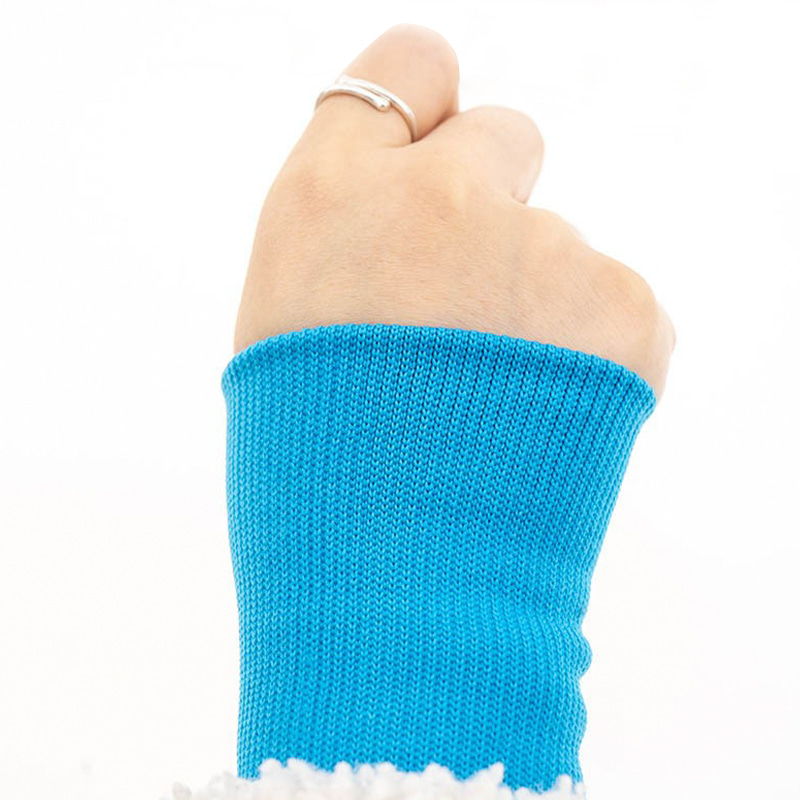
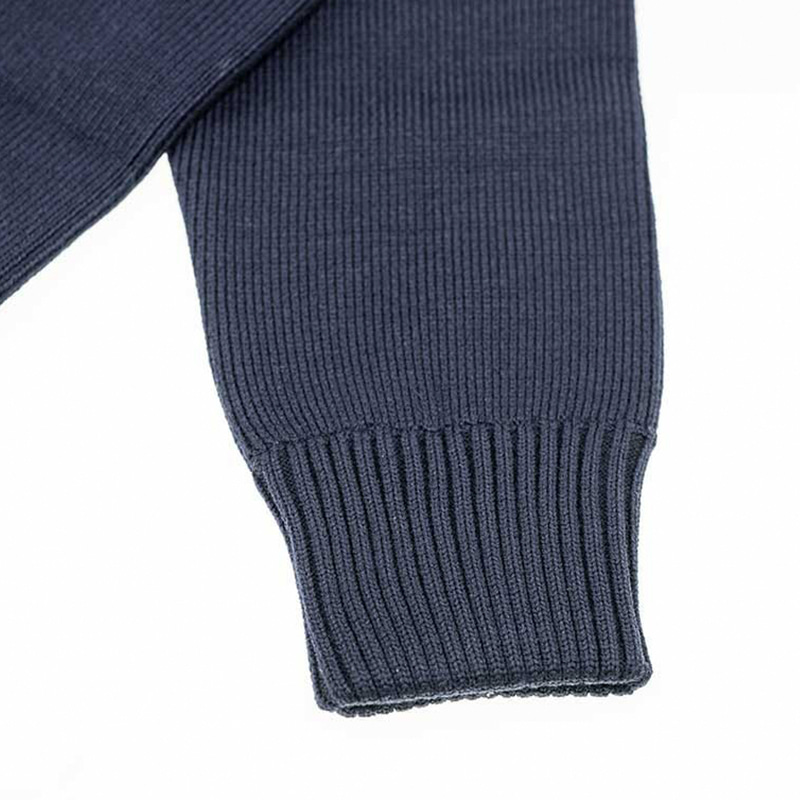
Ribbed Knitted fabric is a fundamental textile structure widely used in apparel and garment accessories due to its natural elasticity, comfort, and structural stability. Unlike plain knitted fabrics, ribbed knitting is formed by alternating knit and purl stitches arranged in vertical columns. This construction allows the fabric to stretch significantly across the width while maintaining excellent recovery, making it ideal for areas of garments that require flexibility and shape retention.
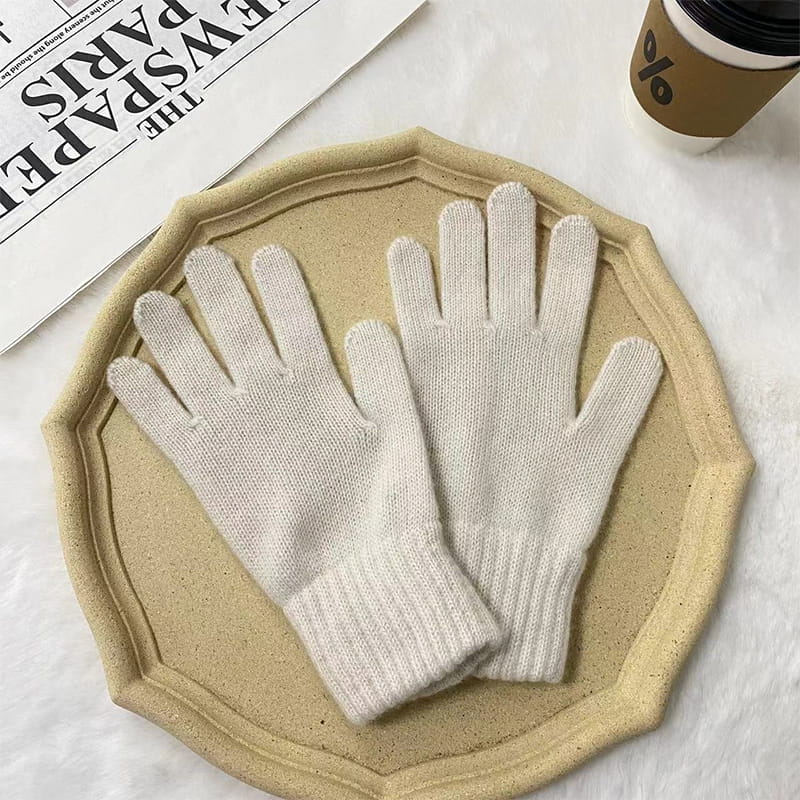
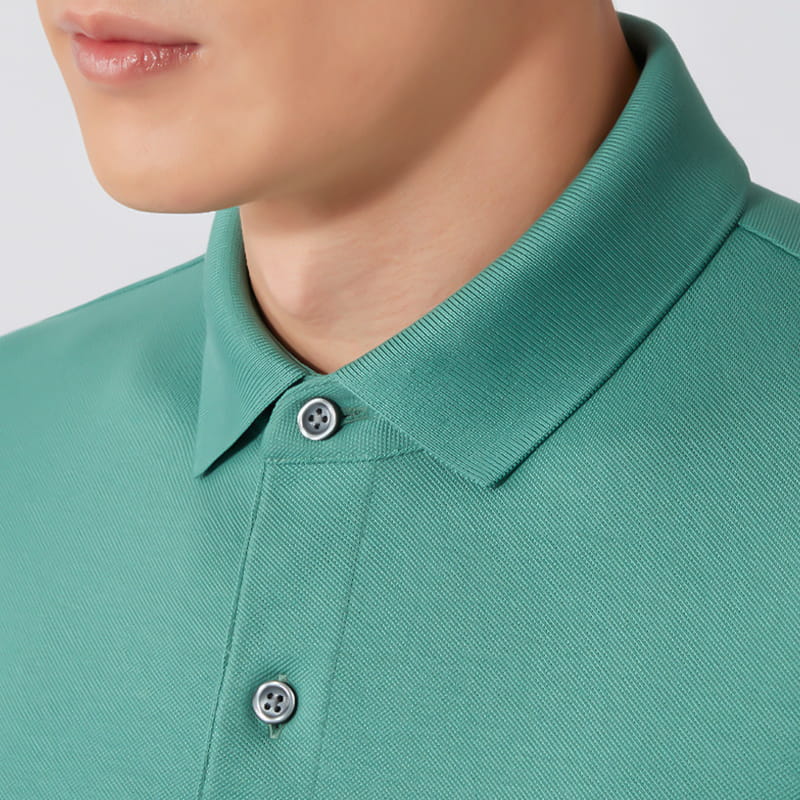
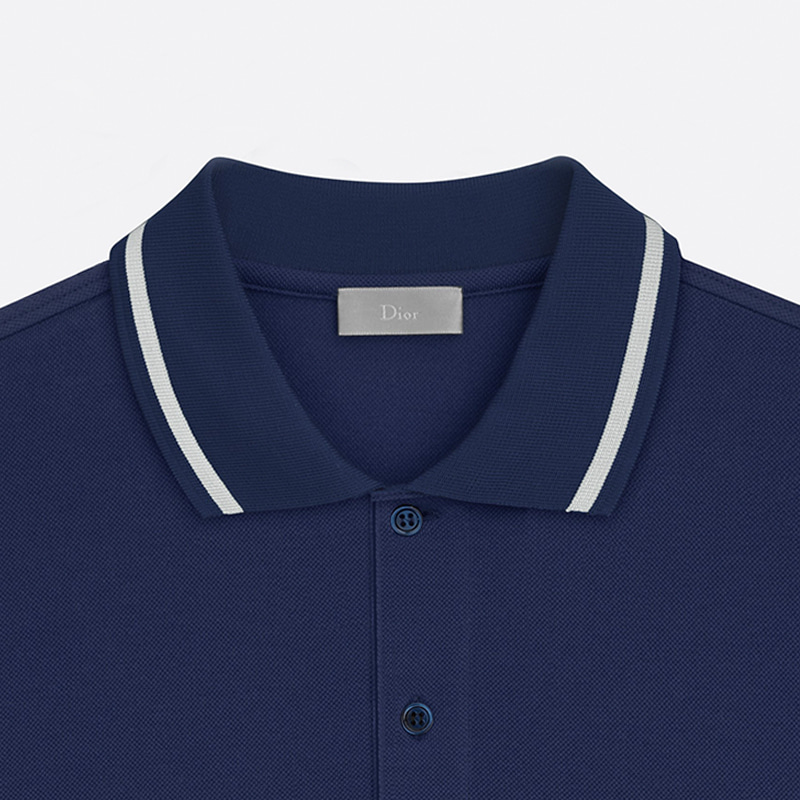
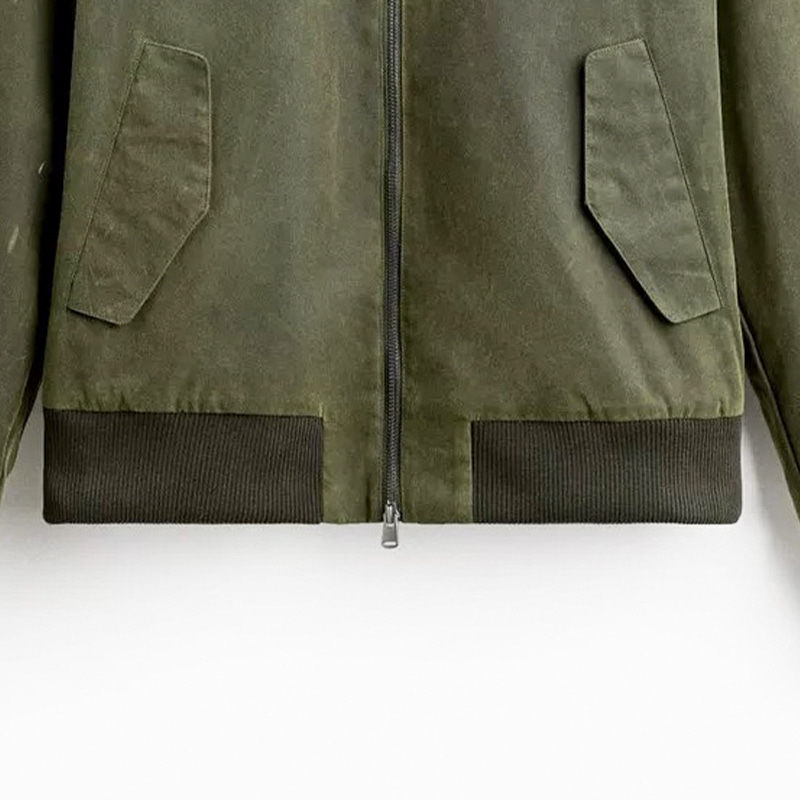
In modern apparel manufacturing, ribbed knitted fabric plays a critical role in improving garment performance and wearability. It is commonly applied to cuffs, collars, waistbands, hems, and trims where repeated stretching and friction occur. A well-produced rib structure not only enhances comfort but also extends the lifespan of clothing by reducing deformation over time. With advancements in computerized flat knitting technology, manufacturers can now produce highly consistent ribbed fabrics with precise stitch density, width control, and customized patterns.
Production environments equipped with advanced flat knitting machines and experienced technical teams are able to handle a wide variety of rib types, yarn compositions, and finishing requirements. This manufacturing strength supports stable quality output and flexible customization, which is especially important for export-oriented apparel supply chains. As global fashion trends emphasize comfort, functionality, and durability, ribbed knitted fabric continues to be a core material across multiple clothing categories.
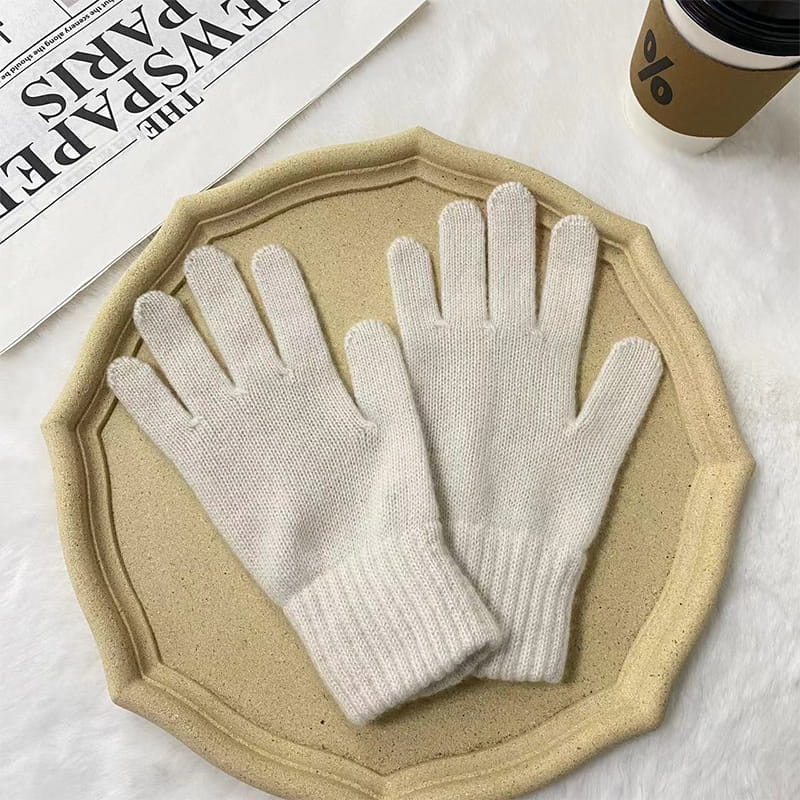
- Distinct vertical rib structure with strong elasticity
- Excellent recovery after repeated stretching
- Improved garment fit and comfort
- Wide adaptability for different apparel designs
What Is Ribbed Knitted Fabric
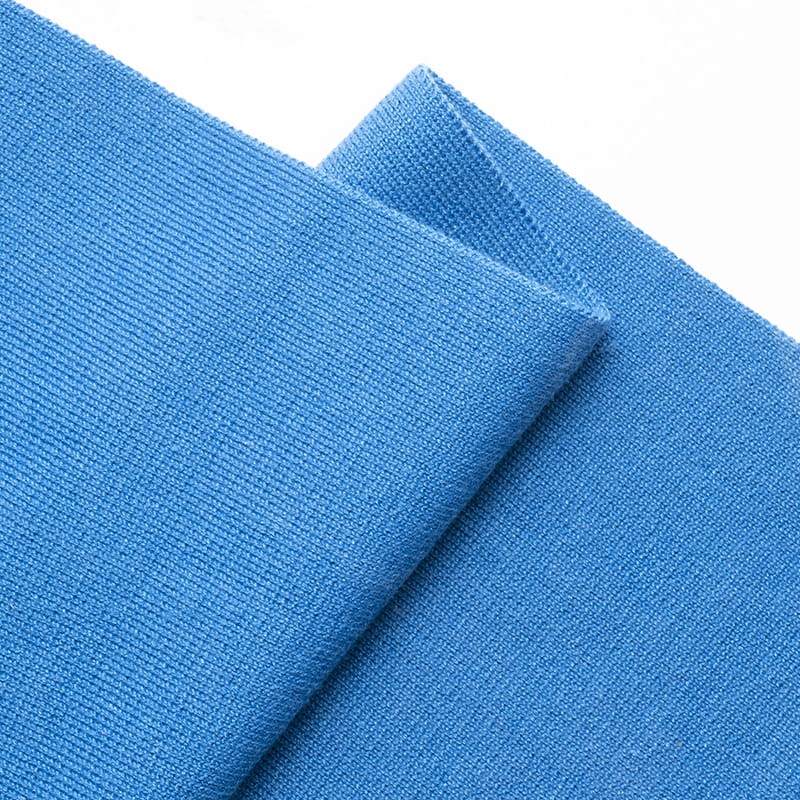
Ribbed knitted fabric is a weft-knit structure characterized by alternating raised and recessed vertical lines. These ribs create natural stretch without relying heavily on elastic fibers, offering both comfort and durability.
- Alternating knit and purl stitch formation
- High elasticity in width direction
- Balanced appearance and structure
Basic Structure and Knitting Principles
The rib structure is achieved by arranging needles on different beds of a knitting machine. This allows yarn loops to interlock in a way that produces elasticity and thickness variations.
| Structure Type | Characteristics |
| 1x1 Rib | Balanced stretch and recovery |
| 2x2 Rib | Thicker feel and stronger visual texture |
Key Features of Ribbed Knitted Materials
The popularity of ribbed knitted fabric is driven by its functional advantages. It adapts naturally to body movement, maintains shape after washing, and provides a comfortable wearing experience. These properties make it suitable for both casual and performance-oriented clothing.
Manufacturers with mature production systems focus on yarn selection, stitch density control, and finishing processes to enhance the final fabric quality. Proper balancing of elasticity and firmness ensures the fabric performs consistently throughout its lifecycle.
- High stretch and shape retention
- Soft hand feel and skin-friendly texture
- Stable performance after washing
Elasticity and Recovery Performance
Elasticity is one of the most important advantages of ribbed knitted fabric. The rib structure allows the fabric to expand and return to its original shape without permanent deformation.
| Performance Aspect | Benefit |
| Stretchability | Improved comfort and fit |
| Recovery | Maintains garment shape |
Ribbed Knitted Fabric Stretch Explained
ribbed knitted fabric stretch is primarily generated by stitch geometry rather than fiber elasticity. This makes it reliable even in cotton-dominant compositions.
Common Materials Used in Ribbed Knitted Fabric
Material selection directly influences the performance, appearance, and comfort of ribbed knitted fabric. Natural fibers, especially cotton, are widely favored for their breathability and softness.
- Natural fibers for comfort
- Blended yarns for enhanced durability
- Functional fibers for specific performance needs
Ribbed Knitted Cotton Material
ribbed knitted cotton material is widely used in everyday clothing due to its excellent moisture absorption and skin-friendly properties. It balances elasticity with natural comfort.
| Material Property | Advantage |
| Breathability | Improved wearing comfort |
| Moisture Absorption | Suitable for all-day wear |
Ribbed Knitted Fabric for Clothing Applications
ribbed knitted fabric for clothing is extensively used in both fashion and functional garments. Its ability to conform to body shapes while maintaining structure makes it indispensable for garment detailing.
From casual wear to sportswear, ribbed knitted fabric supports both aesthetics and functionality. Advanced flat knitting production allows consistent quality across large-scale orders.
- Cuffs and collars
- Waistbands and hems
- Decorative and functional trims
Ribbed Knitted Fabric Applications Across Garments
ribbed knitted fabric applications span multiple garment categories, adapting easily to different styles and functions.
| Garment Part | Function |
| Cuffs | Shape retention |
| Collars | Comfort and fit |
Manufacturing Process and Production Capability
ribbed knitted fabric manufacturing relies on precise machine control, experienced technicians, and stable yarn sourcing. Computerized flat knitting machines enable efficient production of various rib structures with consistent quality.
A well-equipped production environment includes dedicated knitting workshops, material storage areas, and quality inspection processes to ensure reliable delivery.
- Advanced flat knitting machines
- Flexible rib structure production
- Stable quality control systems
FAQ
What is the difference between ribbed knitted and plain knitted fabric?
Ribbed knitted fabric offers higher elasticity and better shape retention compared to plain knitted fabric due to its alternating stitch structure.
Is ribbed knitted fabric suitable for all seasons?
Yes, depending on yarn selection and fabric thickness, ribbed knitted fabric can be used for both lightweight summer garments and heavier winter apparel.
How does rib structure affect fabric elasticity?
The vertical rib structure allows the fabric to stretch and recover naturally, improving comfort and durability.
Can ribbed knitted fabric be customized?
Ribbed knitted fabric can be customized in terms of rib width, yarn composition, color, and elasticity to meet specific garment requirements.