 English
 Español
Content
- 1 1. Introduction to Advanced Jacquard Ribbing Technology
- 2 2. Structural Comparisons: Jacquard Ribbing vs. Standard Ribbing and Flat Knits
- 3 3. Classification of Jacquard Ribbing Structures
- 4 4. Raw Material Composition and Fiber Blends
- 5 5. Industrial Applications and Functional Utility
- 6 6. Manufacturing Workflow and Quality Control Standards
- 7 7. B2B Procurement Considerations for Wholesale Buyers
- 8 8. Technical Data Summary Table
- 9 9. Conclusion
- 10 Frequently Asked Questions
- 10.1 FAQ 1: Why does jacquard ribbing fabric offer superior shape retention compared to basic single-knit fabrics?
- 10.2 FAQ 2: Can custom brand logos be integrated directly into the jacquard ribbing structure?
- 10.3 FAQ 3: What is the main structural difference between single jacquard ribbing and double jacquard ribbing?
- 10.4 FAQ 4: How does relief jacquard ribbing achieve a three-dimensional surface texture?
- 10.5 FAQ 5: What laundering and care standards should be followed to prevent jacquard rib patterns from distorting?
- 11 References
1. Introduction to Advanced Jacquard Ribbing Technology
Jacquard ribbing fabrics represent a sophisticated category of double-knit textiles that combine the structural elasticity of standard rib knits with the complex design capabilities of automated pattern selection. In the global B2B textile manufacturing sector, wholesale buyers must understand that jacquard ribbing is not merely a decorative surface treatment. Instead, the patterns are integrated directly into the dimension of the textile structure during the circular or flatbed knitting process.
Traditional rib fabrics alternate knit and purl stitches in fixed sequences, such as one by one or two by two configurations, to create uniform vertical ridges. These conventional structures offer excellent crosswise stretch but are strictly limited in terms of visual design.
By contrast, jacquard ribbing technology utilizes specialized needle selection mechanisms to control every individual needle independently. This technical capability allows textile engineers to create intricate geometric motifs, corporate logos, and diverse dimensional textures directly within a highly elastic ribbed base, providing functional utility and premium aesthetics for high-end industrial apparel applications.
2. Structural Comparisons: Jacquard Ribbing vs. Standard Ribbing and Flat Knits
To understand the unique positioning of jacquard ribbing fabrics, it is necessary to evaluate how they differ structurally and mechanically from alternative knit options. Wholesale purchasers often balance costs against performance criteria when selecting these materials.
2.1 The Mechanical Divergence
Standard rib knits are fabricated on double-bed knitting machines, where two sets of needles operate opposite each other. The alternating face and back loops create a balanced tension, meaning the fabric does not curl at the raw edges.
Flat knits, which are typically single jersey variants produced on single needle beds, exhibit loops that face exclusively in one direction. This causes the fabric edges to roll significantly, making them more difficult to cut and sew into high-stress garment components like heavy collars or compression cuffs.
Jacquard ribbing incorporates a secondary needle bed mechanism, similar to standard ribbing, but introduces individual needle control through electronic or mechanical selectors. This allows the machine to combine multiple knit techniques, such as standard knit stitches, tuck stitches, and welt stitches, within a single course or wale.
The inclusion of tuck and welt stitches allows for the integration of multiple colors and three-dimensional surface depths without sacrificing the non-curling, balanced structure inherent to double-knit ribbing.
2.2 Performance Metrics and Dimensional Stability
The following data table outlines the mechanical distinctions between these three primary categories of industrial knit fabrics:
| Performance Metric | Jacquard Ribbing Fabric | Standard Ribbing Fabric | Flat Jersey Fabric |
|---|---|---|---|
| Crosswise Elasticity | High (45% to 65% expansion) | Very High (60% to 80% expansion) | Moderate (25% to 35% expansion) |
| Edge Curling Resistance | High (Remains flat when cut) | High (Remains flat when cut) | Low (Severe curling at edges) |
| Structural Thickness | Heavy (Double-layer profile) | Moderate to Heavy | Light to Moderate |
| Pattern Complexity | Unlimited geometric and textural designs | Restricted to uniform vertical lines | Limited to printed or basic surface designs |
| Dimensional Stability | Superior resistance to localized bagging | Excellent recovery, susceptible to linear elongation | Prone to distorting under directional stress |
3. Classification of Jacquard Ribbing Structures
Industrial manufacturing facilities classify jacquard ribbing fabrics based on the internal arrangement of the stitch formations and the number of active yarn systems utilized during production. Understanding these distinctions allows procurement managers to select the precise construction needed for specific apparel functions.
3.1 Single Jacquard Ribbing
Single jacquard ribbing utilizes pattern selection on one bed of needles, usually the dial or cylinder of a circular knitting machine, while the opposite needle bed knits a continuous plain backing. This production method yields a distinct face side containing the detailed pattern, while the reverse side maintains a uniform, flat appearance.
This fabric is relatively lightweight compared to other jacquard variations, making it ideal for continuous body panels on activewear, lightweight spring sweaters, and flexible lifestyle apparel.
3.2 Double Jacquard Ribbing
Double jacquard ribbing requires dynamic needle selection on both needle beds simultaneously. This advanced configuration eliminates loose yarn floats on the back of the material, which are common in inferior single-knit pattern fabrics.
The reverse side of a double jacquard rib fabric can be engineered with specific structures:
- Birdseye Backing: A bird-eye arrangement alternating light and dark loops, which distributes floats evenly and creates a stable, heavyweight finish.
- Striped Backing: Horizontal stripes that manage multiple color threads across the reverse side, ideal for thick outerwear components.
- Solid Color Backing: One color dominates the back, hiding the pattern details of the front for a clean, professional interior finish.
Double jacquard constructions provide excellent structural weight, making them highly durable and resistant to friction. They are frequently used for premium waistbands, heavy structural jacket trims, and luxury performance wear.
3.3 Relief or Dimensional Jacquard Ribbing
Relief jacquard ribbing focuses on texture rather than color differentiation. By programming specific needles to hold loops over multiple courses using tuck stitches, a puckered, quilted, or three-dimensional surface texture is formed.
These blister-like structures create localized pockets of dead air, which significantly enhance the thermal insulation properties of the textile without adding dead weight. Relief jacquard ribbing is widely implemented in premium winter sportswear, protective inner linings, and textured athleisure wear.
4. Raw Material Composition and Fiber Blends
The final performance characteristics of jacquard ribbing fabrics depend heavily on the raw materials chosen during the spinning and yarn preparation phases. Manufacturers alter these fiber blends to meet explicit criteria regarding moisture management, tensile strength, and color fastness.
4.1 Natural Fiber Foundations
Cotton and wool serve as the traditional benchmarks for high-quality ribbed textiles. Long-staple combed cotton provides exceptional breathability, a soft hand feel, and natural hypoallergenic properties, making it preferred for luxury casual wear and intimate apparel components.
Fine merino wool is utilized for high-performance thermal jacquard ribbing due to its natural temperature-regulating capabilities, flame resistance, and inherent moisture absorption capacity, which pulls perspiration away from the skin before vapor turns to liquid.
4.2 Synthetic Reinforcements
For high-demand B2B applications, natural fibers are routinely blended with synthetic polymers to maximize durability and recovery performance:
- Polyester: Provides exceptional tensile strength, resistance to chemical washing agents, and rapid drying characteristics. It ensures the jacquard pattern does not distort or pill over extended usage cycles.
- Nylon (Polyamide): Added to increase abrasion resistance, particularly around high-friction zones like garment cuffs, protective collars, and heavy-duty pocket edgings.
- Elastane (Spandex): Crucial for ribbing. While rib structures possess natural structural stretch due to their knit loops, incorporating 3% to 8% elastane filament ensures near-perfect shape recovery, preventing the elongated “bagging out” effect after repeated mechanical stretching.
5. Industrial Applications and Functional Utility
Because jacquard ribbing fabric is both elastic and capable of displaying intricate patterns, it serves critical functions across diverse product categories in the international garment and industrial textile fields.
5.1 Structural Trim Components
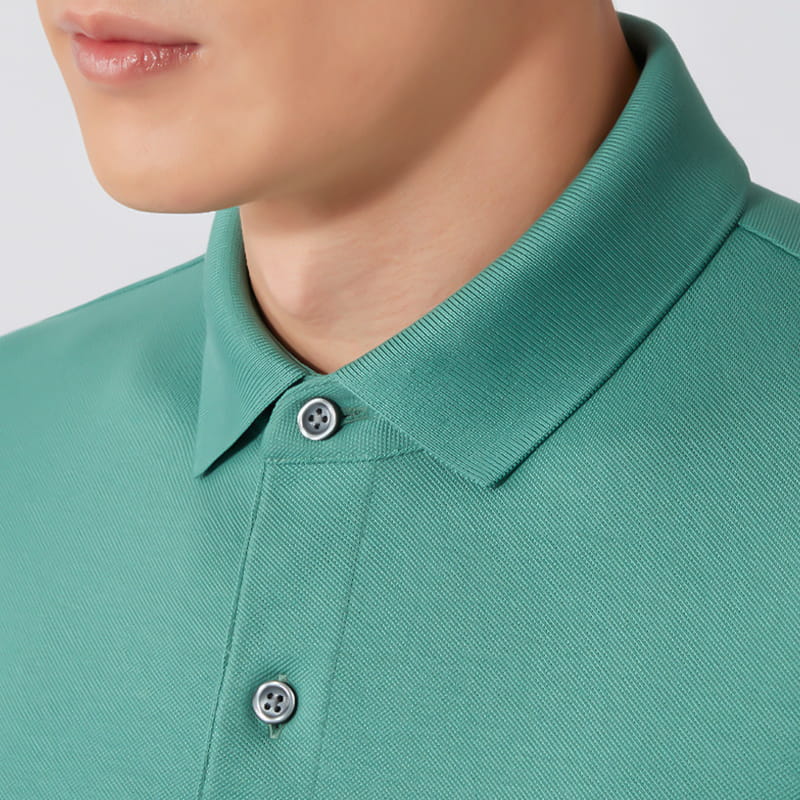
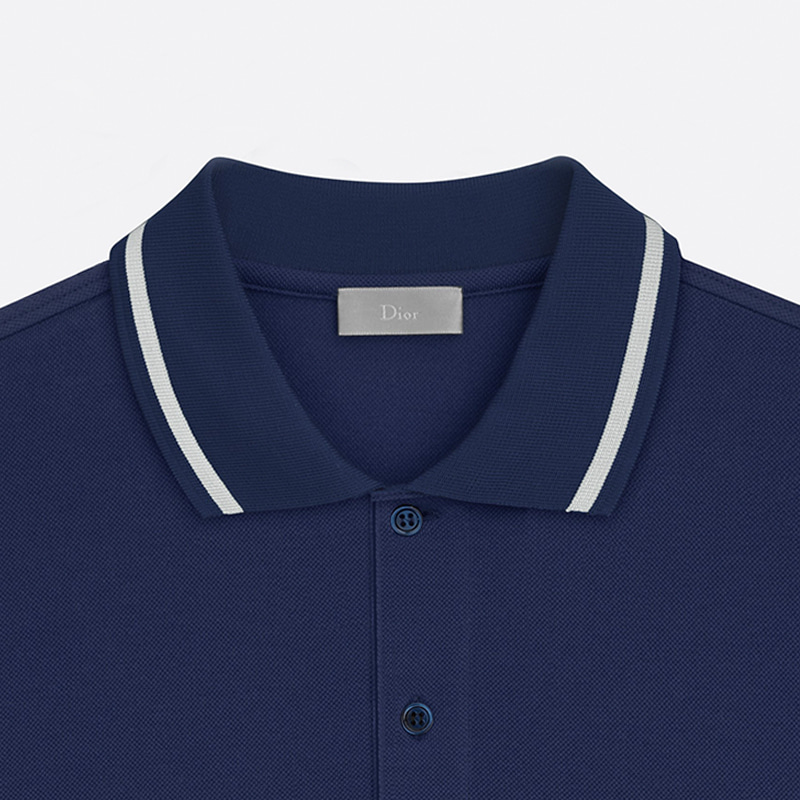
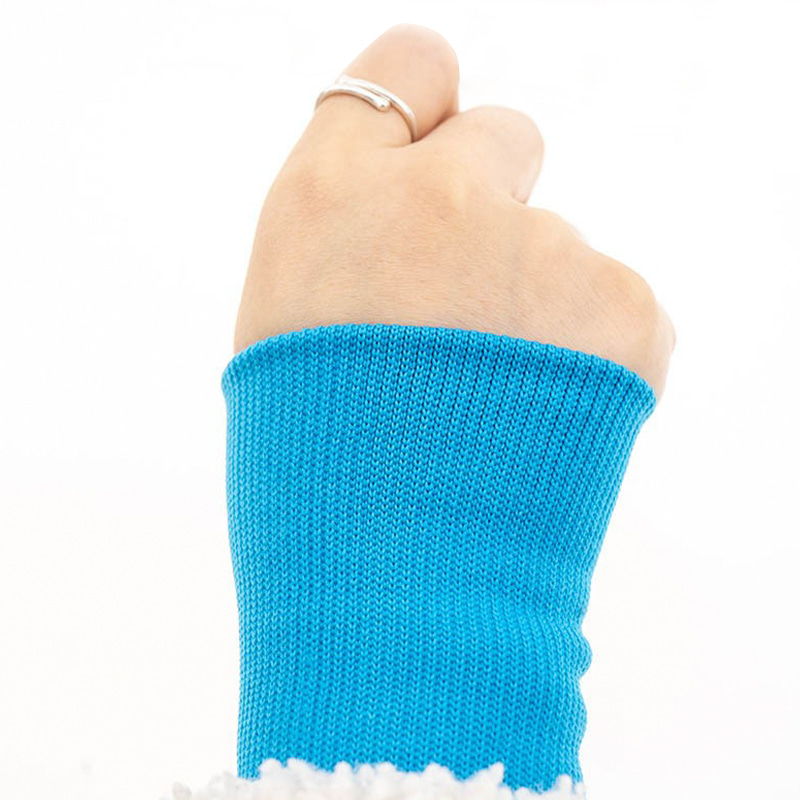
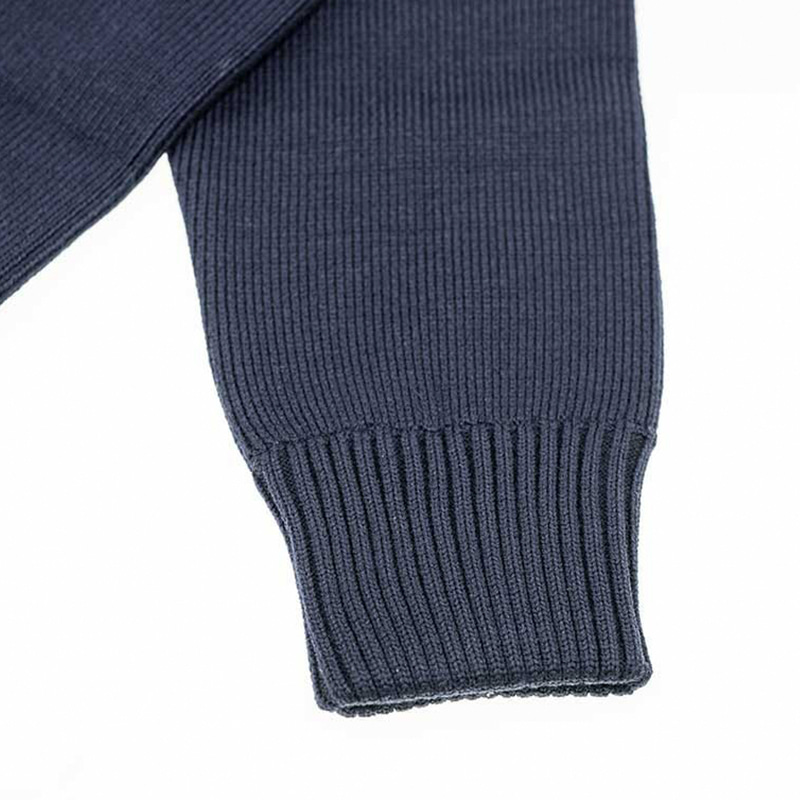
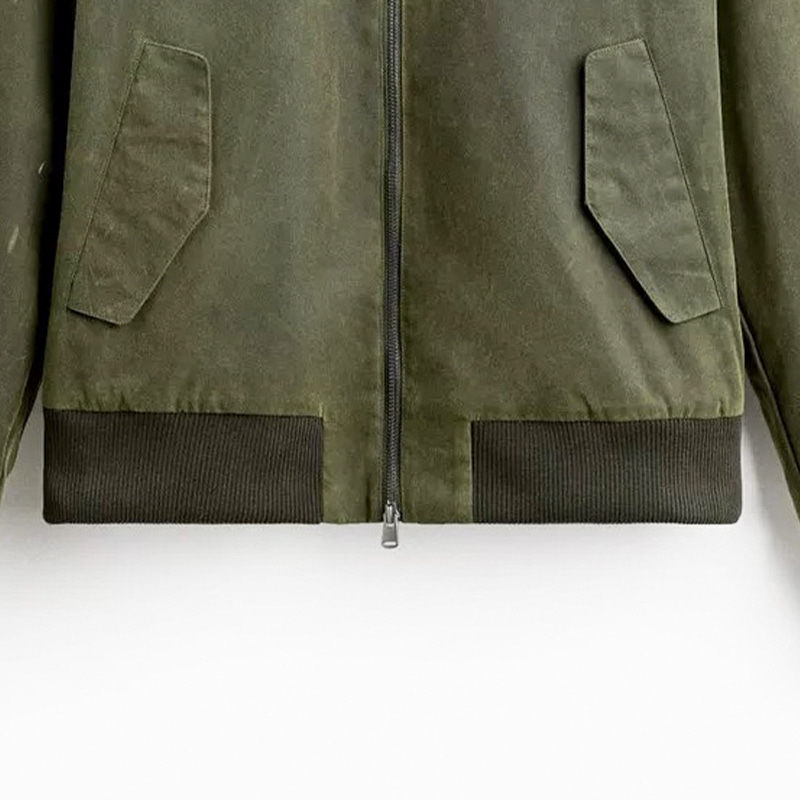
The most widespread industrial application of jacquard ribbing is for functional trim components, including collars, sleeve cuffs, and bottom waistbands on performance outerwear, polo shirts, and corporate uniforms.
The fabric provides a secure seal against wind and moisture ingress while allowing the manufacturing company to knit branding elements, color accents, or high-visibility patterns directly into the trim. This eliminates the need for post-production printing or embroidery, which can degrade or cause skin irritation.
5.2 Full-Body Performance Apparel
In modern athletic apparel production, jacquard ribbing is increasingly specified for entire garments, such as seamless compression leggings, engineered training tops, and heavy winter sweaters.
By varying the jacquard stitch design in localized zones of a single garment panel, texturing can create breathable mesh regions over high-heat areas (like the back or underarms) while maintaining thick, supportive ribbed structures around major muscle groups for targeted compression and thermal insulation.
6. Manufacturing Workflow and Quality Control Standards
The production of high-grade jacquard ribbing requires close technical oversight at every stage of the manufacturing sequence. Minor variations in yarn tension or machine temperature can lead to noticeable defects in the repeating geometric patterns.
6.1 Pre-Knit Optimization
Before beginning production on electronic double-knit jacquard machines, yarn packages must undergo rigorous inspection for uniform moisture content and twist consistency.
Yarn lubrication is closely monitored. An even application of paraffin wax or specialized silicone oil reduces the coefficient of friction as the yarn travels through the complex yarn guides and feeders. This step prevents yarn breakage and ensures consistent loop sizes across the entire fabric roll.
6.2 Knitting Precision and Tension Control
During the knitting process, automated positive yarn feeders deliver the yarn to the needles at a constant, controlled speed. Because jacquard patterns require different needle configurations from course to course, the rate of yarn consumption fluctuates dynamically.
Advanced knitting machinery uses real-time electronic tension sensors to instantly adjust delivery speeds, ensuring the fabric does not develop tight spots or uneven borders.
6.3 Post-Knit Finishing and Inspection
After removal from the knitting machinery, jacquard ribbing fabrics go through a series of stabilization treatments:
- Scouring and Washing: Removes processing lubricants, protective starches, and temporary tints used during spinning.
- Heat Setting: The fabric is processed through a stenter frame at precise temperatures to stabilize synthetic fiber components like polyester or elastane. This process ensures the material meets strict international guidelines for low residual shrinkage, typically allowing less than 3% dimensional variance after home or commercial laundering.
- Four-Point Inspection: Finished rolls are evaluated under standardized lighting banks to check for structural anomalies, dropped stitches, color matching, and pattern alignment before packaging.
7. B2B Procurement Considerations for Wholesale Buyers
When sourcing jacquard ribbing fabrics from manufacturing facilities, global procurement managers must clarify several technical specifications to ensure the product matches their processing infrastructure.
7.1 Machine Gauge and Fabric Density
The machine gauge determines the density and relative thickness of the finished knit fabric. For fine, lightweight summer apparel trims, a high gauge such as 18G to 24G is selected, meaning there are more needles per inch, resulting in small, precise stitches.
For heavy outerwear or thick sweaters, a low gauge like 7G to 12G is standard, producing heavy-weight, rugged rib profiles. Buyers must define the desired grams per square meter weight to verify the fabric will perform correctly in its intended environment.
7.2 Minimum Order Quantities and Pattern Customization
Because setting up an electronic double-knit jacquard machine involves complex programming, precise needle arrangement, and specialized yarn threading, manufacturers apply strict Minimum Order Quantity parameters for custom patterns.
Standard production runs typically require a minimum of 500 kilograms per custom colorway or pattern design. Smaller trial orders can occasionally be accommodated by utilizing pre-arranged stock warp colors and adjusting only the weft yarn colors to achieve the client’s desired aesthetic.
8. Technical Data Summary Table
The following technical specification matrix lists standard baseline parameters for commercial-grade jacquard ribbing fabrics across three popular industrial blend configurations:
| Technical Parameter | 100% Combed Cotton | Cotton-Polyester Blend | Performance Nylon-Spandex |
|---|---|---|---|
| Common Gauge Range | 12G to 18G | 14G to 20G | 18G to 24G |
| Standard Weight Range | 220 to 320 gsm | 240 to 350 gsm | 280 to 400 gsm |
| Color Fastness to Washing | Grade 4.0 | Grade 4.5 | Grade 4.5 |
| Pilling Resistance Rating | Grade 3.5 to 4.0 | Grade 4.0 | Grade 4.5 |
| Standard Shrinkage Tolerance | Within 4.0% total variance | Within 2.5% total variance | Within 2.0% total variance |
| Primary Industrial Use | High-end fashion trims | School and work uniforms | Heavy compression sportswear |
9. Conclusion
Jacquard ribbing fabrics provide an excellent balance of functional elasticity and customizable design capability, making them highly versatile materials for international apparel brands and industrial buyers.
By utilizing advanced double-bed needle selection systems, these fabrics deliver excellent dimensional stability, eliminate the edge-curling issues found in flat knits, and allow for structural textures that cannot be replicated by basic printing methods.
For global procurement officers, choosing the proper material composition, machine gauge, and backing type is essential to matching the structural properties of the fabric with the performance demands of the end consumer market.
Frequently Asked Questions
FAQ 1: Why does jacquard ribbing fabric offer superior shape retention compared to basic single-knit fabrics?
Jacquard ribbing is produced using a double-needle bed construction that alternates loops between the face and back sides of the material. This balanced structure neutralizes internal twisting forces, preventing the fabric from curling or warping. When combined with synthetic filaments like elastane, the double-knit loop arrangement acts like an internal spring, returning to its exact original dimensions after significant physical stretching.
FAQ 2: Can custom brand logos be integrated directly into the jacquard ribbing structure?
Yes. Electronic jacquard knitting machines interface with specialized computer-aided design software. This configuration allows textile engineers to program individual needle selections for every stitch course, enabling the precise integration of complex corporate logos, text patterns, and geometric accents directly into the fabric matrix during the actual knitting process.
FAQ 3: What is the main structural difference between single jacquard ribbing and double jacquard ribbing?
Single jacquard ribbing controls needle selections on only one bed, leaving yarn floats or a plain appearance on the reverse side. It is lighter and thinner. Double jacquard ribbing coordinates needle selections on both beds simultaneously, creating a clean, professional backing (such as birdseye or solid styles) that encloses all raw yarn edges. This results in a thicker, heavier, and more durable textile.
FAQ 4: How does relief jacquard ribbing achieve a three-dimensional surface texture?
Relief jacquard ribbing uses tuck stitches programmed into specific needle sequences. A tuck stitch occurs when a needle holds its existing yarn loop instead of clearing it, while accepting a new yarn thread. This creates a build-up of loops over multiple production courses, pushing the fabric outward to create a raised, padded, or quilted three-dimensional surface texture across the face of the fabric.
FAQ 5: What laundering and care standards should be followed to prevent jacquard rib patterns from distorting?
To maintain pattern alignment and structural integrity, jacquard ribbing fabrics containing elastane or polyester blends should be washed at temperatures below 40 degrees Celsius using mild detergents. High-temperature drying should be avoided, as extreme heat can degrade elastic fibers, leading to tension loss and pattern warping. Instead, flat drying or low-temperature tumble drying is recommended.
References
- Spencer, D. J. (2001). Knitting Technology: A Comprehensive Handbook and Practical Guide. Woodhead Publishing.
- Ceken, F. (2011). “An Investigation into the Properties of Double-Face Rib Knitted Jacquard Fabrics.” Journal of the Textile Institute, 102(8), 682-691.
- Ray, S. C. (2012). Fundamentals and Advances in Knitting Technology. Woodhead Publishing India.
- Anbumani, N. (2007). Knitting Fundamentals, Machines, Structures, and Developments. New Age International Publishers.
- Auin, M. A. (2018). “Analysis of Dimensional Stability and Structural Properties of Electronic Jacquard Knit Textiles.” International Journal of Textile Science, 7(3), 45-52.