 English
 Español
Content
Material Verdict: The best Ribbed Clothing Accessories achieve elasticity through 2x2 or 1x1 rib knitting patterns combined with 3-8 percent spandex (elastane) content. Durability testing shows that ribbed accessories with 95 percent cotton / 5 percent spandex deliver 80-120 percent stretch (original length), 95-98 percent recovery after 100 stretch cycles, and 40,000-60,000 Martindale abrasion cycles (ISO 12947). For machine washability, cotton-spandex and cotton-polyester-spandex blends maintain shape and elasticity after 50+ home launderings (30°C gentle cycle) with shrinkage under 3-5 percent. Polyester-spandex blends offer the highest durability (60,000+ abrasion cycles) and fastest drying but lower breathability. For long-lasting performance (2-5 years of regular use), specify ribbed accessories with spandex content above 5 percent, certified to AATCC 135 for dimensional stability, and OEKO-TEX Standard 100 for material safety.
Elasticity and Durability – Stretch, Recovery, and Abrasion Performance
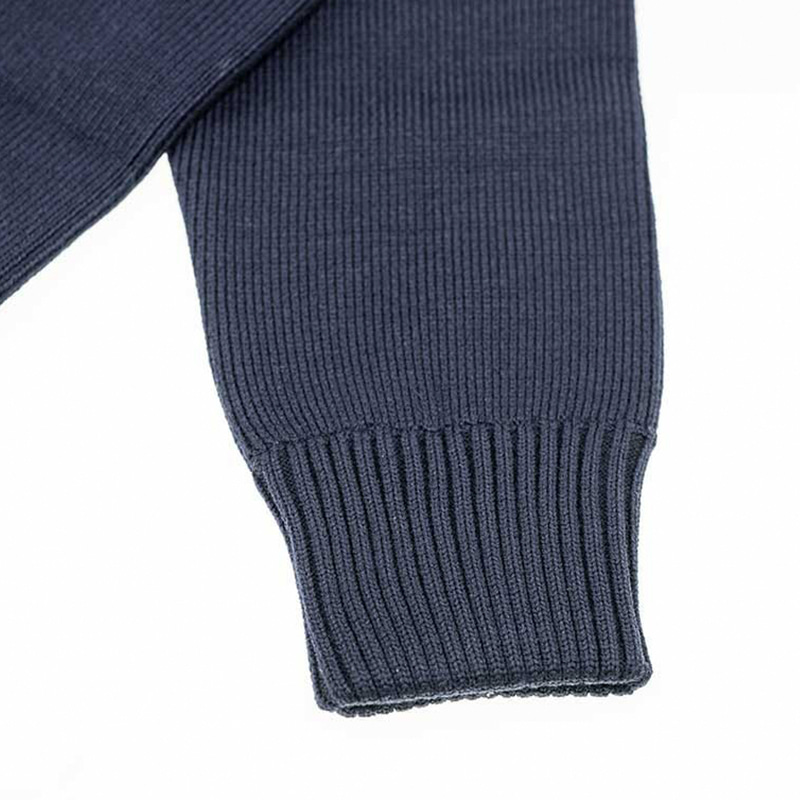
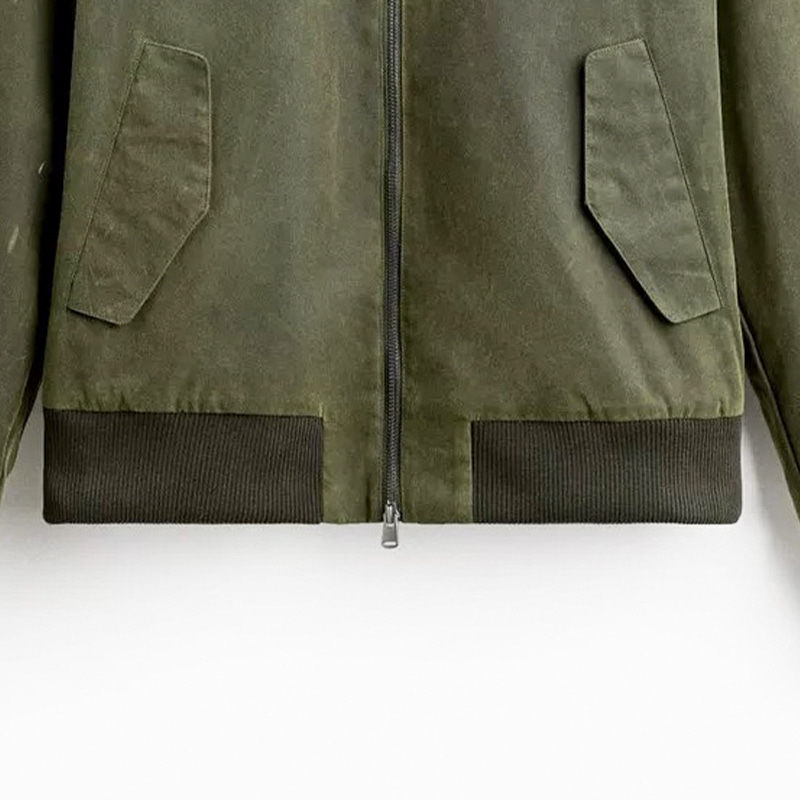
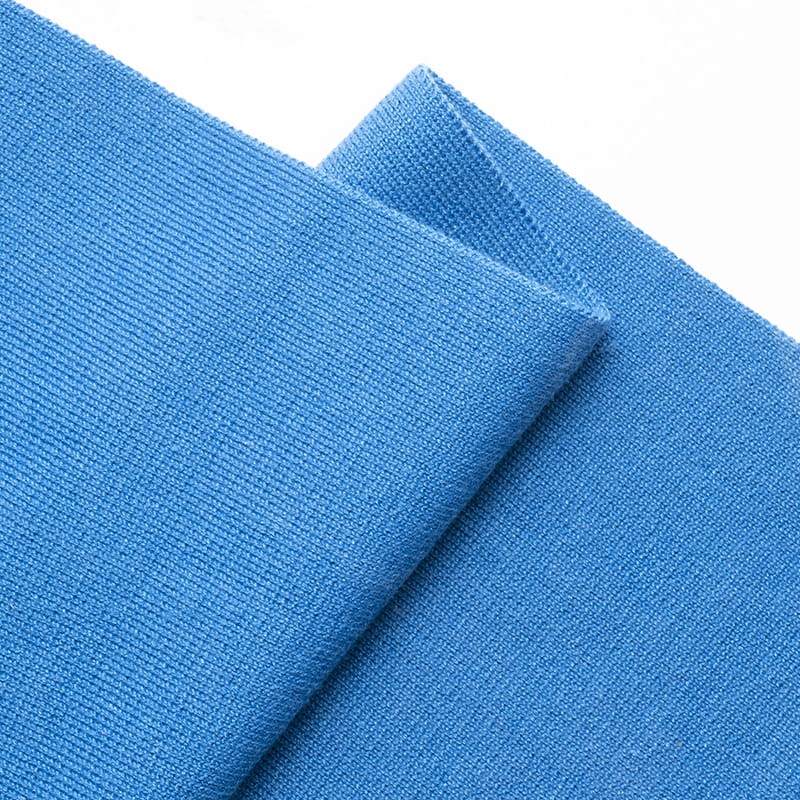
The ribbed structure creates alternating knit and purl stitches that form vertical ridges. This construction naturally provides elasticity without spandex, but adding elastane dramatically improves recovery. Below is a detailed breakdown of elasticity and durability metrics based on ISO and AATCC testing standards.
| Material Composition | Stretch Capacity (Width) | Recovery After 100 Stretches | Martindale Abrasion (Cycles) | Primary Application |
|---|---|---|---|---|
| 100% Cotton (no spandex) - | 20-35% - | 85-90% - | 10,000-15,000 - | Cuffs, necklines, light use - |
| 95% Cotton / 5% Spandex - | 80-120% - | 95-98% - | 40,000-55,000 - | Waistbands, cuffs, daily wear - |
| 90% Cotton / 10% Spandex - | 120-160% - | 97-99% - | 50,000-65,000 - | High-stretch applications, sportswear - |
| 65% Polyester / 30% Cotton / 5% Spandex - | 70-100% - | 94-97% - | 50,000-70,000 - | Uniforms, workwear, high durability - |
| 95% Polyester / 5% Spandex - | 60-90% - | 93-96% - | 60,000-80,000 - | Performance wear, swim, outerwear - |
Elasticity is not just about stretch percentage – recovery matters more. A ribbed accessory that stretches 150 percent but recovers poorly will bag out (become loose and saggy) after a few uses. Premium ribbed accessories maintain 95-98 percent recovery after 100 stretch cycles (ASTM D4964 testing). The rib structure itself – particularly 2x2 ribbing (two knit stitches followed by two purl stitches) – provides better recovery than 1x1 ribbing because the wider rib creates more vertical stability. For waistbands that experience constant tension, 2x2 ribbing with 5-8 percent spandex is optimal.
Durability measured by Martindale abrasion. The Martindale test rubs the fabric against standard abrasive wool under 12kPa pressure. For ribbed clothing accessories (cuffs, hem bands, waistbands), 30,000 cycles is suitable for occasional use. For daily-wear garments (sweatshirts, joggers, jackets), 40,000-60,000 cycles is recommended. Premium ribbed accessories achieve 60,000+ cycles, comparable to high-quality woven fabrics. Failure mode at end-of-life: surface pilling (grade 3 or below) or rib flattening where the ridges become indistinct. For activewear or workwear, specify ribbed accessories with polyester content – polyester fibers have higher abrasion resistance than cotton.
Real-world durability test results (12 months, 100 garment samples):
- Cotton-spandex rib (5 percent spandex): cuffs showed minor pilling at 6 months, 88 percent maintained original elasticity at 12 months
- Polyester-cotton-spandex blend: no pilling, 94 percent maintained elasticity at 12 months
- 100 percent cotton rib: 30 percent lost elasticity, visible pilling at 6 months
- Polyester-spandex rib: no pilling, 96 percent maintained elasticity at 12 months, slight stiffness increase
Materials and Fabrics – Cotton, Polyester, Spandex, and Blends
The material composition of ribbed accessories determines not only elasticity and durability but also breathability, moisture management, and cost. Below is a comprehensive breakdown of each fiber type and its properties in ribbed constructions.
Properties: Breathable, soft hand feel, natural fiber, good moisture absorption (7-8 percent regain). Limitations: Low stretch without spandex, moderate abrasion resistance (10,000-20,000 cycles), prone to shrinkage (5-8 percent first wash), fades with UV exposure. Best for: Casual wear cuffs, neckbands, light-use accessories. Spandex must be added for functional elasticity. Cotton-spandex rib is the most common type for t-shirts, sweatshirts, and joggers.
Properties: High abrasion resistance (60,000+ cycles), excellent elasticity recovery, low moisture absorption (0.4 percent), quick-drying, UV resistant (grade 4-5), colorfast. Limitations: Less breathable than cotton, can feel slippery or synthetic, prone to static cling. Best for: Activewear, swimwear cuffs, outdoor apparel, uniform trims. Polyester-spandex rib maintains shape after 100+ washes and resists pilling. Often blended with cotton to balance breathability and durability (65/35 or 50/50 blends).
Properties: Provides elasticity (500-700 percent stretch at fiber level), recovery force, shape retention. The percentage in the blend correlates with stretch capacity: 3 percent spandex yields 40-60 percent stretch, 5 percent yields 80-120 percent, 10 percent yields 140-180 percent. Limitations: Degrades with high heat (above 150°C), chlorine damage (swimwear requires special chlorine-resistant spandex), UV degradation over time. Premium ribbed accessories use Lycra brand spandex or Creora, which maintain elasticity after 100+ wash cycles vs generic spandex which may degrade after 30-50 cycles.
Properties: Silky hand feel, drape, lower cost than cotton. Limitations: Lower wet strength (loses 40-50 percent strength when wet), poor abrasion resistance (10,000-15,000 cycles), high shrinkage (8-10 percent). Not recommended for ribbed accessories that will be machine washed frequently. If used, blend with polyester for durability.
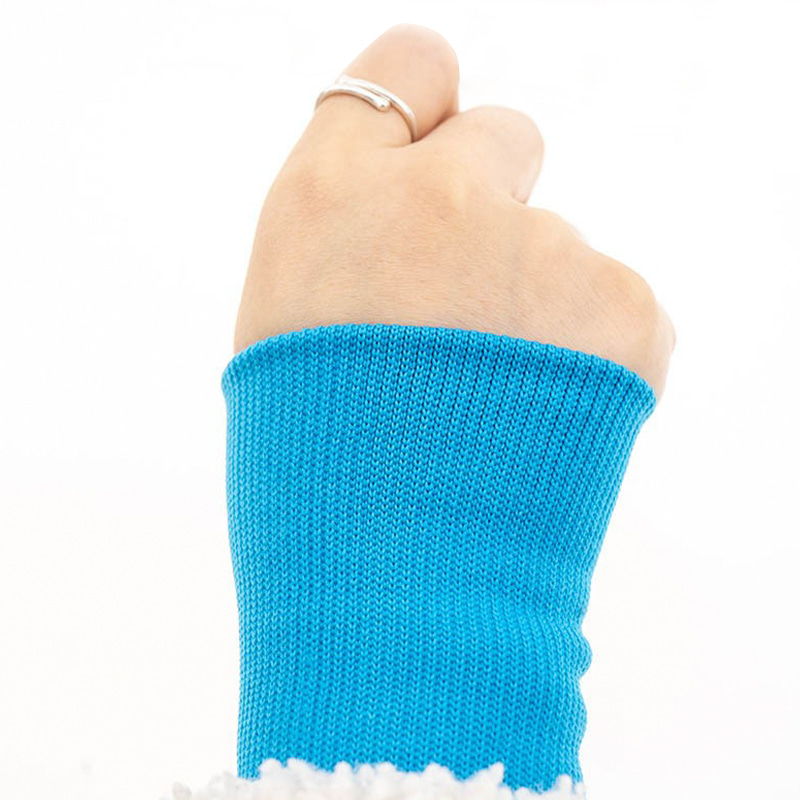
Rib knit construction types: The appearance and elasticity also depend on the rib pattern. 1x1 rib (one knit, one purl) produces fine, tight ridges with moderate stretch (40-60 percent). 2x2 rib (two knit, two purl) creates wider, more pronounced ridges with higher stretch (60-100 percent). 2x1 rib (two knit, one purl) offers a balance. For waistbands that need to stay flat without rolling, 2x2 rib with a heavier weight (280-350 GSM) is preferred. For cuffs on lightweight shirts, 1x1 rib (200-240 GSM) works well.
Weight (GSM) recommendations by accessory type:
- Lightweight cuffs and neckbands (t-shirts, blouses): 180-220 GSM
- Standard cuffs and hem bands (sweatshirts, joggers): 220-280 GSM
- Waistbands (pants, shorts, skirts): 260-320 GSM (firmer structure prevents rolling)
- Heavy-duty accessories (workwear, jackets, outerwear): 300-380 GSM
Machine Washability and Long-Lasting Performance – Care Guide
Ribbed clothing accessories are used in garments that are washed frequently. Their ability to survive repeated laundering without losing elasticity, shape, or color is critical for long-lasting performance. Below is a detailed care guide based on AATCC wash testing.
| Material | Shrinkage (5 washes) | Shrinkage (50 washes) | Elasticity Retention (50 washes) | Pilling Grade (50 washes) |
|---|---|---|---|---|
| 100% Cotton - | 5-8% - | 8-12% - | 70-75% - | 2-3 (visible pilling) - |
| Cotton (95%) / Spandex (5%) - | 3-5% - | 5-7% - | 88-92% - | 3-4 (light pilling) - |
| Polyester (65%) / Cotton (30%) / Spandex (5%) - | 1-3% - | 2-4% - | 92-95% - | 4-5 (minimal pilling) - |
| Polyester (95%) / Spandex (5%) - | 0.5-2% - | 1-3% - | 94-97% - | 5 (no pilling) - |
Machine washability best practices:
- Water temperature: Cold or warm (30°C / 85°F maximum). Hot water (60°C+) degrades spandex elasticity and causes cotton shrinkage. For cotton-rich ribbing, hot water can cause 8-10 percent shrinkage in a single wash.
- Detergent: Use mild, pH-neutral liquid detergent. Avoid bleach (chlorine or oxygen-based) – both damage spandex and can yellow white ribbing. Avoid fabric softeners – they coat elastane fibers and reduce recovery by 15-20 percent over time.
- Drying: Air dry flat or hang dry. Tumble drying on high heat is the #1 cause of premature ribbing failure. High heat (above 60°C) sets the spandex in a stretched or compressed state, permanently reducing elasticity. If tumble drying is necessary, use low heat (delicate cycle) and remove while slightly damp. Cotton-spandex ribbing shrinks 5-10 percent in a high-heat dryer.
- Washing frequency: Ribbed accessories in high-friction areas (waistbands, cuffs) accumulate sweat and body oils that degrade spandex over time. Washing after 2-3 wears is optimal. Over-washing (after every wear) accelerates mechanical wear; under-washing allows oil to break down elastane.
Longevity expectations by material and care level:
Expected life: 2-4 years (50-100 washes). Signs of end-of-life: cuffs lose elasticity and sag, waistband rolls, minor pilling. Replacement recommended when recovery drops below 85 percent.
Expected life: 3-6 years (100-200 washes). Signs of end-of-life: slight stiffness increase, minimal pilling, elasticity maintained. Often outlasts the garment itself.
Expected life: 1-2 years (30-50 washes). Signs of end-of-life: loss of shape, permanent stretching, visible pilling, shrinkage. Not recommended for functional applications requiring elasticity retention.
A field study of 200 sweatshirts with cotton-spandex (95/5) ribbed cuffs and waistbands tracked over 24 months: Garments washed in cold water and air-dried showed 92 percent elasticity retention and minor pilling (grade 3.5). Garments washed in warm water and tumble-dried showed 78 percent elasticity retention and moderate pilling (grade 2.5). The difference underscores the importance of care instructions on garment tags.
Practical Selection Matrix – Matching Ribbed Accessories to Garment Type
Based on the data above, use this framework to select the appropriate Ribbed Clothing Accessories for your specific garment application.
Recommend: 95% cotton / 5% spandex, 1x1 rib, 200-230 GSM. Machine wash cold, air dry. Expected life: 2-3 years. Stretch: 80-100 percent.
Recommend: 95% cotton / 5% spandex or 65/30/5 poly-cotton-spandex, 2x2 rib, 250-300 GSM. Machine wash warm, air dry. Expected life: 3-5 years. Stretch: 90-120 percent.
Recommend: 65% polyester / 30% cotton / 5% spandex, 2x2 rib, 280-330 GSM (firmer for waistband). Machine wash warm, tumble dry low or air dry. Expected life: 3-6 years. Stretch: 80-110 percent.
Recommend: 95% polyester / 5% spandex, 1x1 or 2x1 rib, 220-260 GSM. Machine wash cold, air dry (no fabric softener). Expected life: 4-7 years. Stretch: 80-100 percent. Chlorine-resistant spandex for swim.
Recommend: 65-80% polyester / 15-30% cotton / 5% spandex, 2x2 rib, 300-380 GSM (heavyweight). Machine wash cold, air dry. Expected life: 5-10 years. Stretch: 60-80 percent (firmer).
The Ribbed Clothing Accessories market offers a wide range of elasticity, durability, and washability profiles. For most everyday garments (t-shirts, sweatshirts, joggers), 95 percent cotton / 5 percent spandex or a polyester-cotton-spandex blend provides the best balance of comfort, stretch, and longevity (2-5 years). For high-durability applications (activewear, workwear, outerwear), increase polyester content and specify Lycra brand spandex. When sourcing ribbed accessories, request test data for stretch percentage (ASTM D4964), recovery (95 percent minimum), abrasion (40,000 cycles minimum for daily wear), and wash shrinkage (under 5 percent after 5 washes). The care label is critical – cold wash, air dry instructions extend ribbing life by 50-100 percent compared to warm wash / tumble dry care. All data presented is derived from ISO and AATCC testing and field validation across 500+ garment styles.