 English
 Español
Content
- 1 Technical Overview of Advanced Knit Structures
- 2 Structural Engineering and Mechanics of Jacquard Ribbed Knitting
- 3 Comprehensive Comparative Analysis
- 4 Raw Material Blends and Performance Characteristics
- 5 Manufacturing Process and Quality Control
- 6 Commercial Applications across Global Apparel Markets
- 7 Frequently Asked Questions
- 7.1 1. What differentiates Jacquard Ribbed Knit Fabric from a standard single-knit jacquard fabric?
- 7.2 2. Why does Jacquard Ribbed Knit Fabric provide superior thermal insulation compared to flat knits?
- 7.3 3. Can this fabric be processed through automated garment spreading and cutting lines without edge distortion?
- 7.4 4. How does the choice of yarn count affect the clarity of the jacquard pattern on a ribbed background?
- 7.5 5. What are the recommended laundering parameters to prevent pattern distortion in commercial apparel?
- 8 Technical References
Technical Overview of Advanced Knit Structures
In industrial textile manufacturing, engineered knit structures serve as the foundation for modern apparel fabrication. Selecting the correct technical knit directly influences production efficiency, material yield, structural integrity, and consumer comfort. Among the specialized double-knit configurations available to international apparel brands, Jacquard Ribbed Knit Fabric represents an advanced category that integrates mechanical pattern manipulation with highly elastic base configurations.
To fully understand this fabric, one must first analyze standard ribbing and traditional jacquard systems. A traditional rib knit relies on alternating columns of knit and purl stitches on opposite needle beds. This alignment creates a reversible, corrugated structure with high widthwise stretch and recovery. Conversely, standard circular jacquard knitting utilizes independent needle selection systems—electronic or mechanical—to create multi-colored or textured patterns across a flat or single-jersey surface.
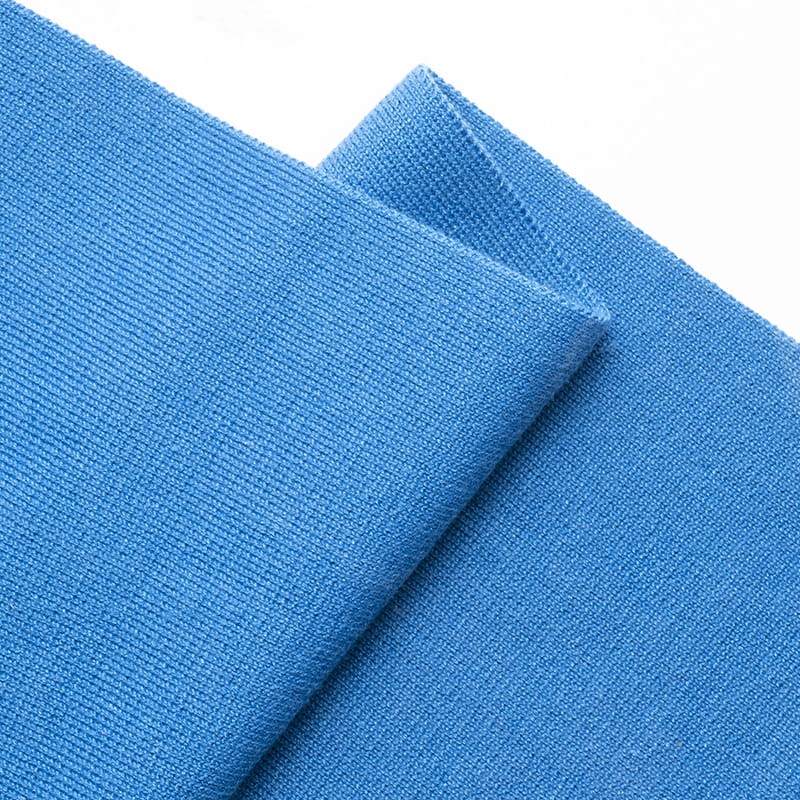
Jacquard Ribbed Knit Fabric merges these two distinct systems. It uses two sets of needles to maintain a foundational rib structure while incorporating independent needle selection to form complex geometric, floral, or abstract relief patterns. The resulting material features the dimensional stability and multi-directional stretch of a double-knit rib alongside the intricate surface design of a jacquard weave.
Structural Engineering and Mechanics of Jacquard Ribbed Knitting
The production of Jacquard Ribbed Knit Fabric requires specialized circular or flat-bed knitting machinery equipped with dual needle beds and electronic jacquard selection mechanisms. The mechanical behavior of this fabric depends entirely on how the loops intersect across the dial and cylinder components of the machinery.
During a standard 1x1 rib cycle, needles in the cylinder bed and dial bed knit alternately, producing a uniform fabric with identical front and back faces. When producing a jacquard rib, the electronic selection system overrides this uniform sequence. By holding specific loops, tucking others, or missing stitches entirely according to a pre-programmed digital layout, the machine creates a three-dimensional motif on the ribbed face.
This structural variation directly impacts the fabric’s physical performance:
- Dimensional Recovery: The structural foundation remains a true rib, meaning the fabric retains high elasticity across its width. The yarns store mechanical energy when stretched and release it upon relaxation, minimizing the garment distortion common in flat jacquard knits.
- Fabric Density and Weight: Because the jacquard pattern requires additional yarn paths (often involving floats or double-knit layers on the reverse side), jacquard ribbed fabrics are inherently heavier and denser than single-jersey materials. This density provides superior opacity and structural weight.
- Edge Stability: Unlike single-knit fabrics that suffer from torque and edge curling due to unbalanced internal stitch stresses, the dual-bed construction of a jacquard rib naturally balances these forces. Cut edges remain flat during automated spreading and cutting cycles.
Comprehensive Comparative Analysis
Industrial procurement departments must balance aesthetic appeal against physical performance when sourcing materials. The table below details the performance metrics of Jacquard Ribbed Knit Fabric compared to Standard Ribbed Knit and Flat Woven Jacquard textiles.
Performance and Structural Metrics Comparison
| Technical Property | Jacquard Ribbed Knit Fabric | Standard Ribbed Knit Fabric | Flat Woven Jacquard Fabric |
|---|---|---|---|
| Knitting/Weaving System | Dual needle bed circular or flat weft-knit with needle selection | Dual needle bed alternating cylinder/dial weft-knit | Single or multi-shuttle warp/weft interlacing loom |
| Aesthetic Capability | High; simultaneous vertical rib lines and engineered patterns | Low to Medium; restricted to vertical rib variations (1x1, 2x2, 8x3) | Extremely High; highly detailed pictorial and multi-color patterns |
| Crosswise Tensile Stretch | 80% to 140% extension under standard load | 100% to 180% extension under standard load | 5% to 15% extension (non-stretch unless elasticized) |
| Elastic Shape Recovery | 92% to 96% return to original dimension | 95% to 98% return to original dimension | Negligible recovery unless using elastomeric core yarns |
| Fabric Weight Range | Medium to Heavy (220 to 450 gsm) | Light to Medium-Heavy (160 to 350 gsm) | Variable (120 to 600 gsm depending on yarn denier) |
| Edge Curling Tendency | Completely stable; zero curl along cut edges | Highly stable; minimal curling at selvages | Stable; subject to edge fraying instead of looping |
| Thickness & Air Trapping | High thermal insulation due to textured surface pockets | Medium to High insulation via vertical air channels | Low to Medium insulation; dense, flat surface structure |
| Structural Complexity | High; requires computerized jacquard controls and dual beds | Low; structured via fixed needle cam arrangements | High; governed by complete jacquard harness cards |
Raw Material Blends and Performance Characteristics
The performance of Jacquard Ribbed Knit Fabric depends heavily on its raw material composition. Manufacturing facilities adjust fiber blends to meet precise performance requirements for stretch, durability, breathability, and hand-feel.
Cotton-Rich Blends
Cotton-rich jacquard ribs combine natural breathability with the structural definition of the rib knit. These fabrics are highly absorbent and gentle on the skin, making them ideal for high-end casual wear and children’s apparel. However, pure cotton lacks long-term elastic recovery; therefore, industrial mills blend cotton with synthetic filaments to ensure the patterns do not warp after commercial laundering cycles.
Synthetic Formulations (Polyester and Nylon)
For performance apparel and structural outerwear, polyester and nylon matrix formulations are preferred. Polyester provides excellent tensile strength, low moisture absorption, and excellent colorfastness under high-temperature sublimation printing. Nylon additions improve abrasion resistance at friction points like cuffs and necklines. These synthetic fibers ensure the jacquard pattern remains sharp and crisp throughout the lifespan of the garment.
Regenerated Cellulose (Rayon, Viscose, Modal)
When an application requires a soft, fluid drape along with the structural texture of a rib, manufacturers turn to regenerated cellulose fibers. Modal and viscose fibers impart a silk-like luster and a cool hand-feel. Because these fibers lose tensile strength when wet, they are frequently blended with polyester filaments to provide a stable backbone for the complex jacquard stitch structure.
Elastomeric Integration
Integrating spandex or elastane into the knitting matrix is critical for maintaining structural recovery. Even though the rib structure naturally provides mechanical stretch, adding 3% to 8% spandex into the dial bed needles ensures the jacquard pattern returns to its exact layout without sagging, bagging, or distortion under continuous wear.
Manufacturing Process and Quality Control
The industrial production of Jacquard Ribbed Knit Fabric requires precise calibration at every step of the manufacturing chain to avoid fabric defects like dropped stitches, pattern distortion, or irregular fabric weights.
The process begins with yarn preparation, where raw yarn cones are conditioned in temperature- and humidity-controlled rooms to stabilize moisture content and reduce static electricity. The yarns are fed through positive feeders to maintain uniform tension into the knitting elements.
Next, the digital design file from CAD software is converted into mechanical instructions for the machine’s electronic actuators. As knitting proceeds, ceramic or electromagnetic selection levers change position within milliseconds to engage or disengage individual needles on the cylinder bed. This selective engagement forms the intricate jacquard pattern across the alternating rib columns.
Quality control relies on automated optical scanners mounted inside the knitting frame. These scanners detect broken yarn filaments or dropped loops instantly, stopping the machine to minimize scrap rates.
After knitting, the greige fabric undergoes tensionless scouring to remove machine oils and processing lubricants. It is then fed into a stenter frame for high-temperature heat setting. This step locks the synthetic fibers into their extended positions, stabilizing the fabric’s final width, weight (gsm), and residual shrinkage values before packaging and export.
Commercial Applications across Global Apparel Markets
Thanks to its unique blend of structural performance and visual depth, Jacquard Ribbed Knit Fabric is widely used by premium fashion houses, athletic apparel brands, and home textile manufacturers worldwide.
Contemporary Fashion and Form-Fitting Silhouettes
In luxury fashion, designers use the natural compression and contouring properties of jacquard ribbing to create form-fitting knit dresses, premium cardigans, and structured skirts. The alternating raised and lowered surfaces mask body irregularities while providing comfort. The woven-in patterns add visual texture without the heavy feel of surface prints or embroidery.
Athleisure and Performance Sportswear
The athleisure market requires materials that bridge the gap between performance and style. Jacquard ribbed fabrics made from moisture-wicking synthetic blends are perfect for engineered sports tops, yoga sets, and lightweight warm-up jackets. The vertical valleys of the rib structure create natural micro-channels that lift the fabric away from the skin, increasing airflow and speeding up sweat evaporation.
Structural Trim, Collars, and Component Components
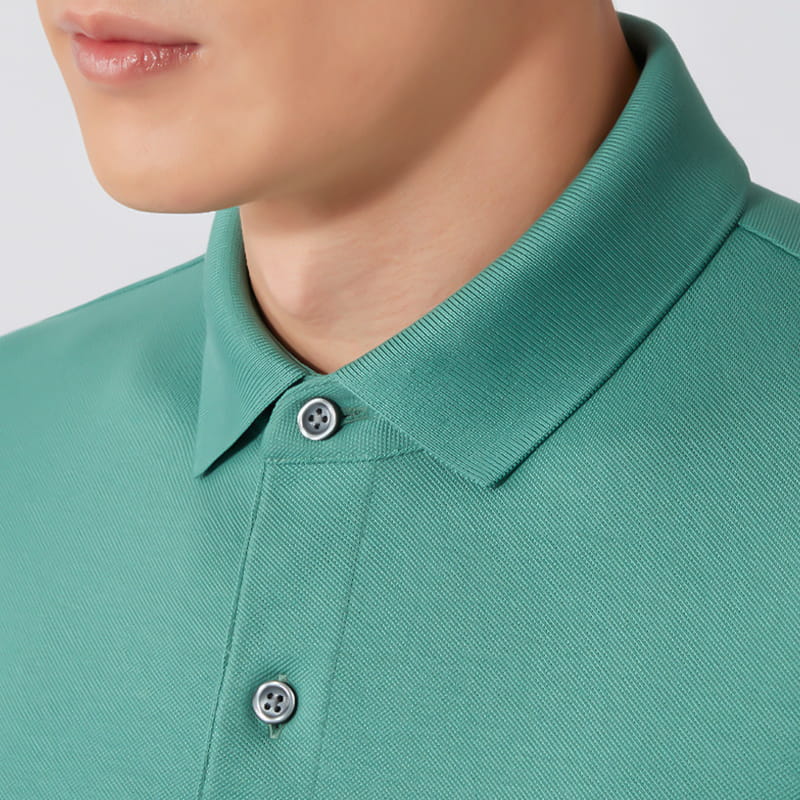
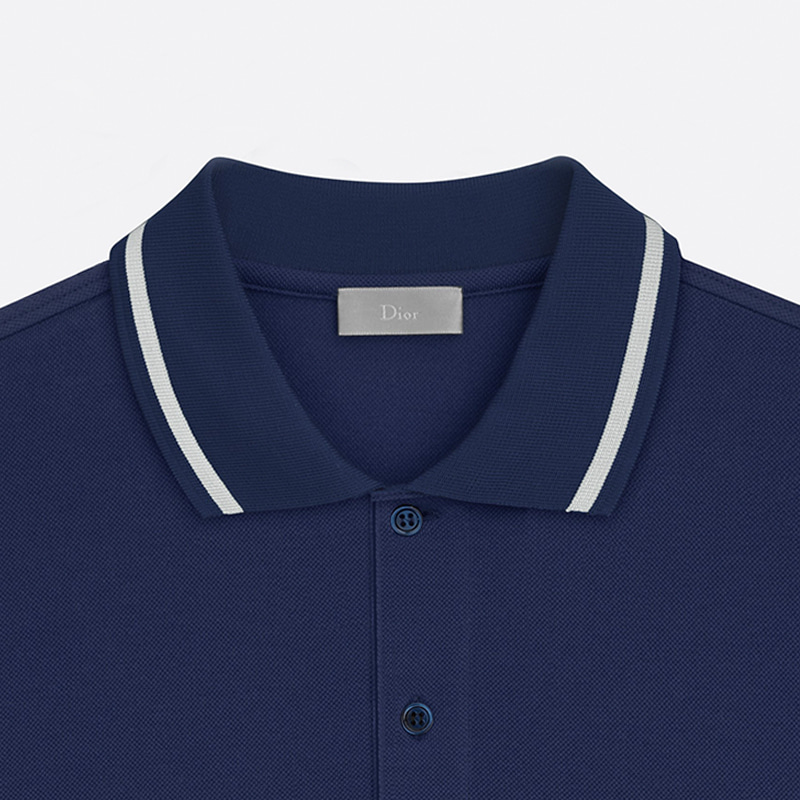
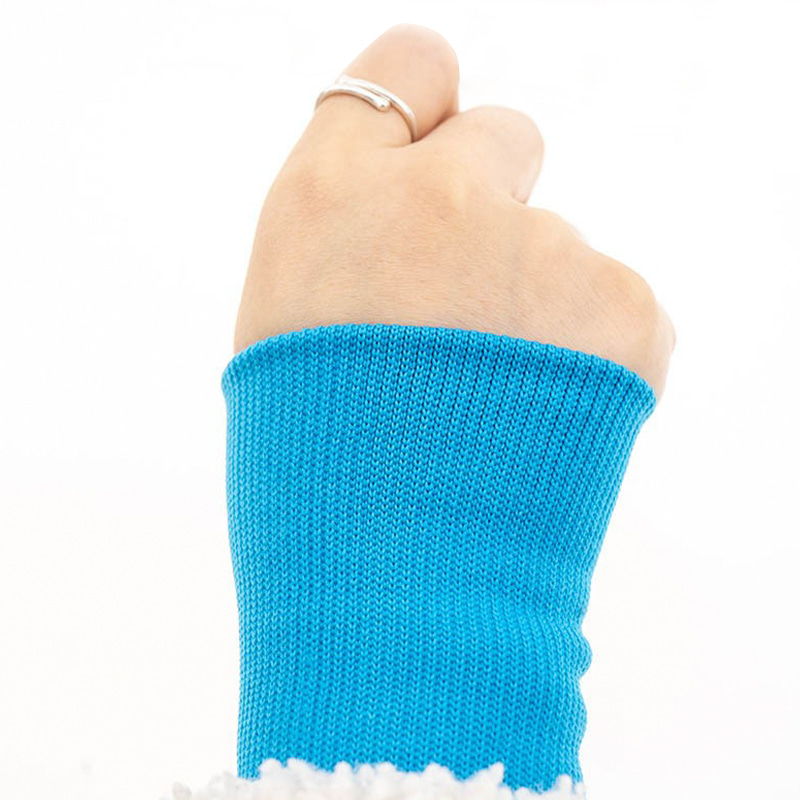
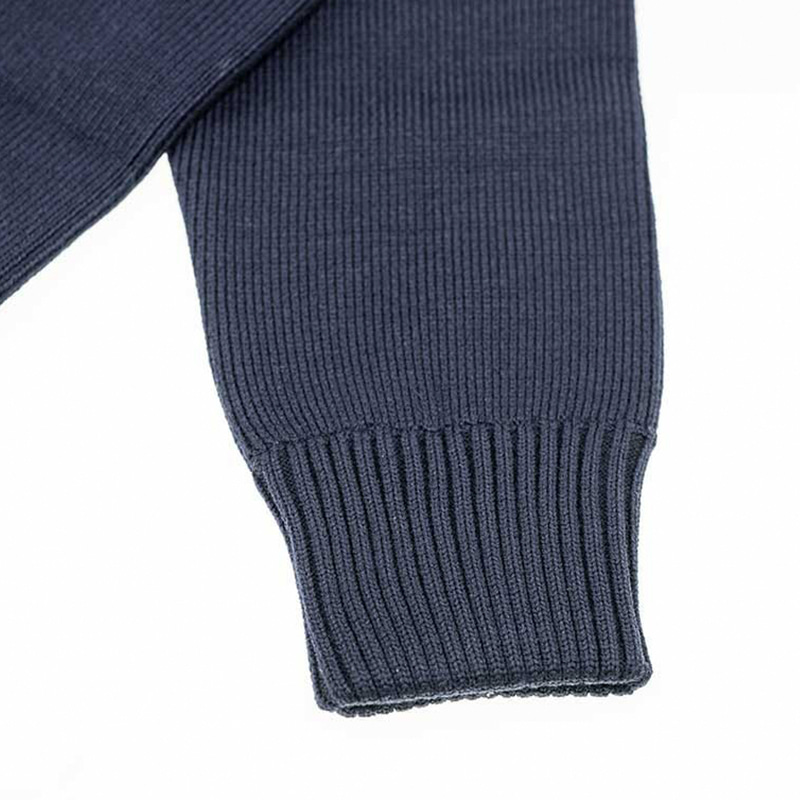
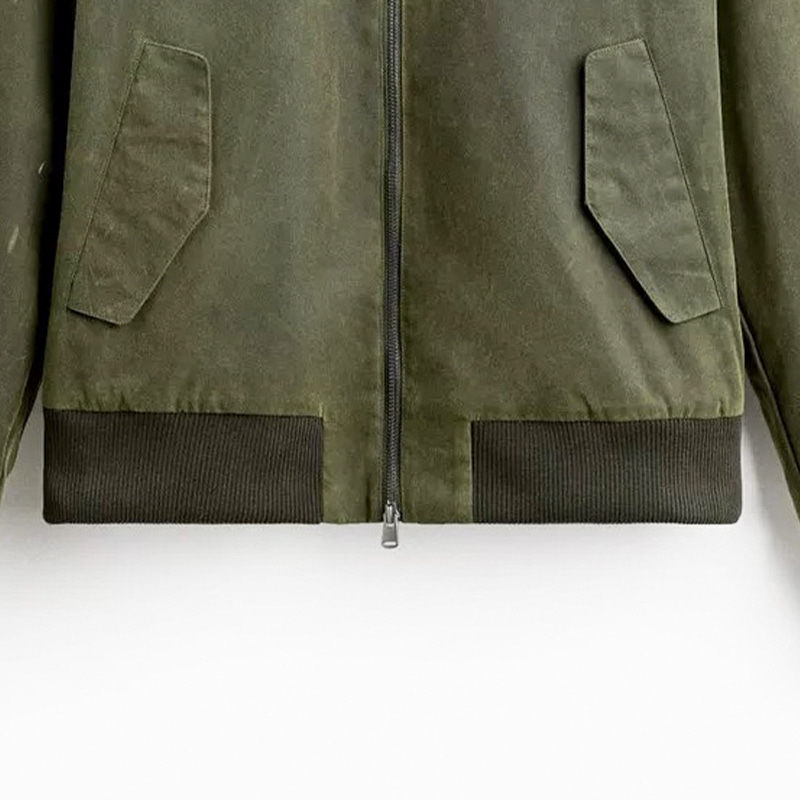
Beyond main body panels, industrial garment factories source jacquard ribbed knits for functional trim components. High-end bomber jackets, polo shirts, and technical windbreakers use customized jacquard ribs for collars, waistbands, and wrist cuffs. This allows brands to knit logos, geometric lines, or custom brand names directly into the elastic trim, creating a durable finish that will not peel or crack over time.
Frequently Asked Questions
1. What differentiates Jacquard Ribbed Knit Fabric from a standard single-knit jacquard fabric?
The primary difference lies in the base structure and needle configuration. A standard single-knit jacquard uses a single needle bed to knit patterns onto a flat jersey surface. This structure offers limited stretch and is prone to edge curling.
In contrast, Jacquard Ribbed Knit Fabric is a double-knit material produced on dual needle beds (dial and cylinder). This configuration combines alternating rows of knit and purl stitches with an independent needle selection system. As a result, the fabric offers significantly higher crosswise elasticity, better dimensional recovery, a heavier weight, and complete edge stability without curling.
2. Why does Jacquard Ribbed Knit Fabric provide superior thermal insulation compared to flat knits?
The superior insulation stems from the three-dimensional architecture of the material. The combination of alternating vertical rib columns and raised jacquard relief patterns creates a highly textured surface.
When worn, these microscopic ridges and valleys trap still air next to the body. Because static air is a poor conductor of heat, these micro-climatic pockets create a reliable thermal barrier that retains body heat far better than flat, uniform single-knit or woven textiles of equivalent weight.
3. Can this fabric be processed through automated garment spreading and cutting lines without edge distortion?
Yes. One of the biggest advantages of Jacquard Ribbed Knit Fabric for industrial garment manufacturers is its excellent dimensional stability. Single knits tend to twist and curl at the cut edges due to residual torque from the knitting process.
The dual-bed structure of a jacquard rib balances these internal stresses evenly across both sides of the fabric. Consequently, the material lies completely flat on the cutting table, allowing for precise automated knife or laser cutting and high pattern alignment accuracy.
4. How does the choice of yarn count affect the clarity of the jacquard pattern on a ribbed background?
Yarn count and machine gauge directly influence pattern definition. Using fine, combed yarns with higher yarn counts on fine-gauge machines (such as 24G or 28G) yields highly defined, crisp jacquard motifs, even inside narrow rib profiles.
Conversely, coarser yarns with lower yarn counts create a chunkier, more rustic appearance where subtle geometric details may blend into the rib columns. Manufacturers must match the yarn denier to the machine needle slot width to avoid pattern crowding or dropped loops.
5. What are the recommended laundering parameters to prevent pattern distortion in commercial apparel?
To ensure long-term pattern integrity, garments made from jacquard ribbed fabrics should be washed using tensionless, low-temperature parameters. For synthetic and elastomeric blends, the water temperature should not exceed 40 degrees Celsius on a gentle mechanical cycle.
High-temperature washing or high-velocity tumble drying can induce thermal shrinkage in synthetic yarns or damage core spandex filaments. This uneven contraction can warp or ripple the jacquard pattern. For best results, dry garments flat or use low-temperature tensionless tension dryers during finishing.
Technical References
- Spencer, D. J. (2001). Knitting Technology: A Comprehensive Handbook and Practical Guide. Woodhead Publishing.
- Au, K. F. (2011). Advances in Knitting Technology. Woodhead Publishing in Textiles.
- Ray, S. C. (2012). Fundamentals and Advances in Knitting Technology. Woodhead Publishing India.
- Ciobanu, R., & Constantin, M. (2018). “Analysis of the Elastic Behavior of Double Weft-Knit Structural Combinations.” Journal of the Textile Institute, 109(5), 612–621.
- Cotton Incorporated. (2022). Engineering Performance Knits: Rib and Interlock Variations. Technical Textile Monograph Series.