 English
 Español
Content
- 0.1 1. Introduction: The Essential Role of Ribbed Trims in Garment Construction
- 0.2 2. Defining Ribbed Clothing Accessories
- 0.3 3. Comparison One: 1x1 Rib vs. 2x2 Rib Knit Structures
- 0.4 4. Comparison Two: Standard Rib vs. Jacquard Rib
- 0.5 5. Material Composition and Fiber Blends
- 0.6 6. Elasticity, Recovery, and Durability Testing
- 0.7 7. Sewing Techniques for Ribbed Accessories
- 0.8 8. Applications Across Garment Categories
- 0.9 9. Quality Certifications and Standards
- 0.10 10. Sustainability in Ribbed Accessories
- 0.11 11. Quality Control and Production Capacity
- 0.12 12. Conclusion: Matching the Rib to the Garment and the Application
- 1 5 Frequently Asked Questions (FAQs)
- 2 References
- 3 Page TKD (Title, Keywords, Description)
1. Introduction: The Essential Role of Ribbed Trims in Garment Construction
In the world of garment manufacturing, the visible fabric gets all the attention. Designers focus on the shell fabric color, pattern, and drape. Marketing teams highlight the innovative main material. But any experienced garment professional knows that the quality of a finished product is often determined by the details that are not immediately obvious. Among these critical details, ribbed clothing accessories stand out.
Ribbed cuffs, collars, waistbands, and hems are the unsung heroes of apparel construction. They provide the elasticity that allows a jacket cuff to fit snugly around the wrist. They give a sweater waistband the recovery that keeps it from stretching out after hours of wear. They add structure to a t-shirt neckline, preventing it from becoming floppy or misshapen. Without high-quality ribbed accessories, even the most expensive shell fabric will produce a garment that feels cheap and performs poorly.
This article provides a comprehensive technical comparison of the primary ribbed accessory knit structures: 1x1 rib, 2x2 rib, and jacquard rib. We will examine knitting patterns, elasticity, recovery, durability, material compositions, and application suitability. For garment manufacturers and procurement professionals, this guide serves as a reference for selecting the appropriate ribbed trim for different garment types, performance requirements, and aesthetic goals.
2. Defining Ribbed Clothing Accessories
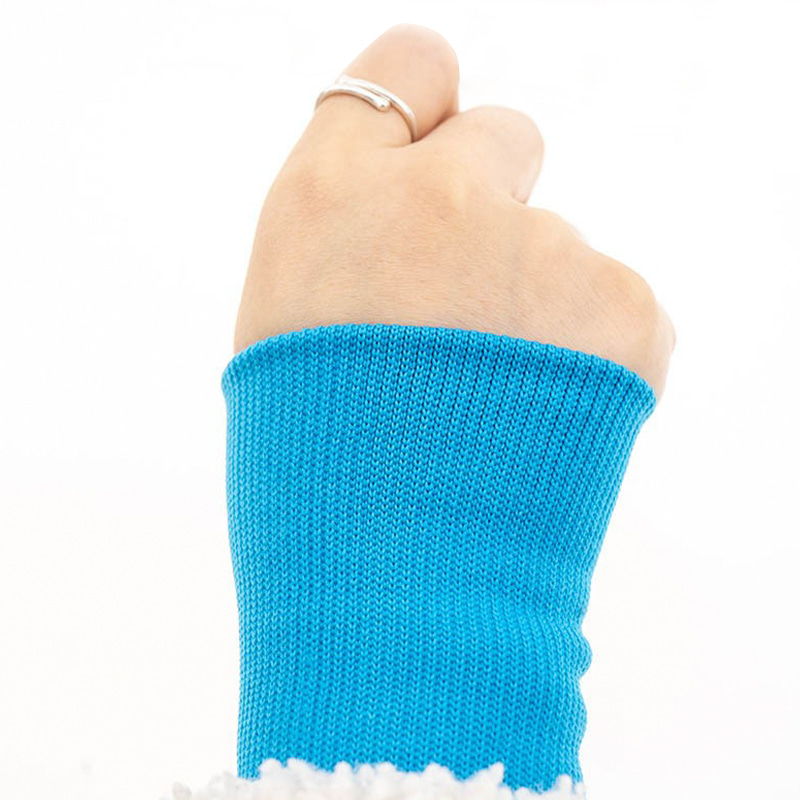
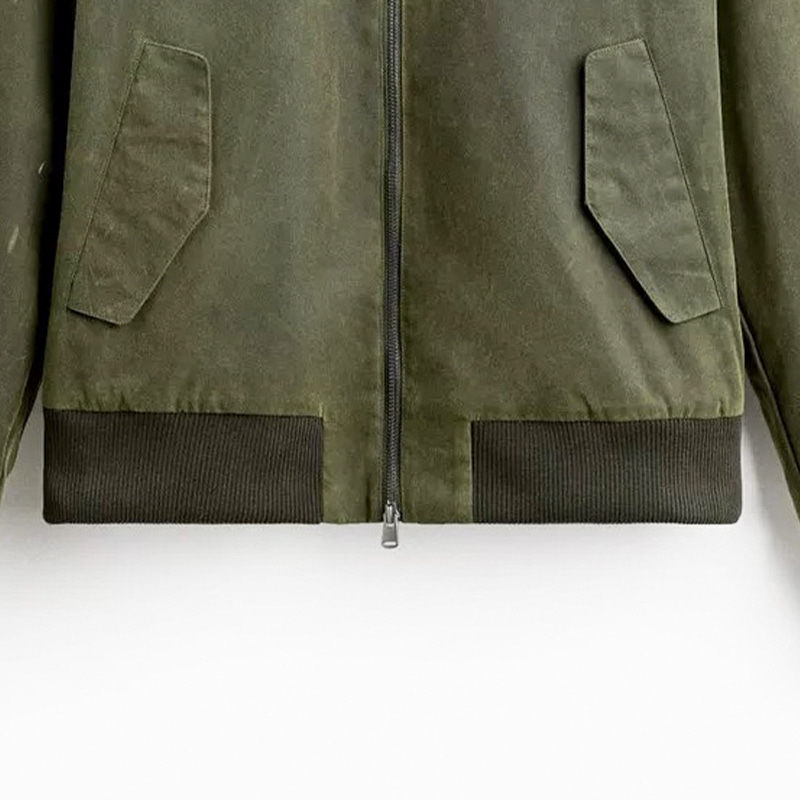
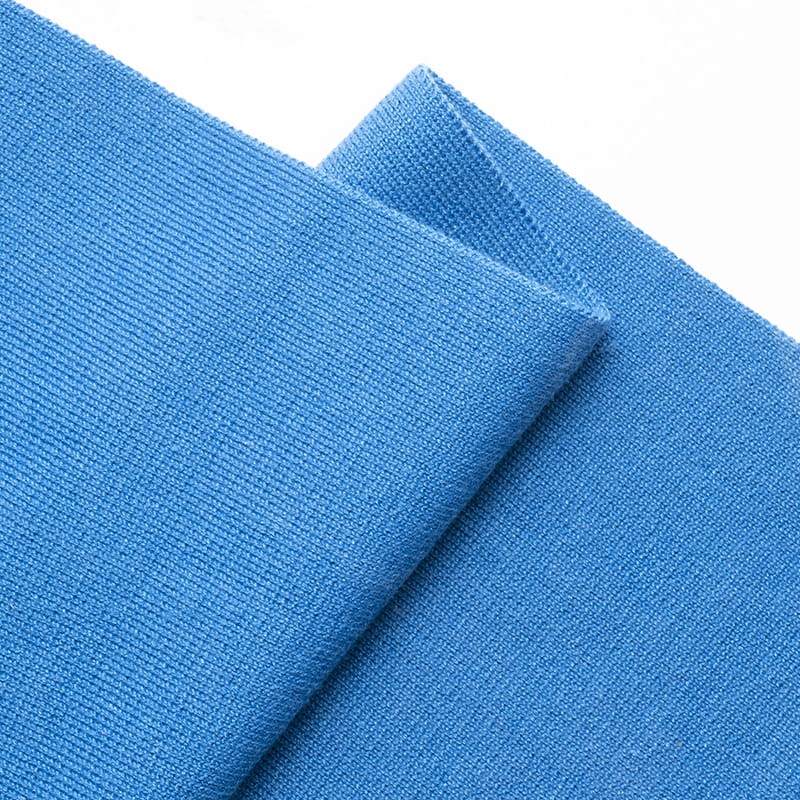
Ribbed clothing accessories are narrow width knit fabrics used as trims on garments. They are applied to specific areas such as cuffs, collars, waistbands, hem bands, pocket openings, and plackets. The ribbed knit structure creates alternating raised and recessed vertical wales, giving the fabric its characteristic textured appearance and, more importantly, its exceptional elasticity.
The defining feature of ribbed knit is its ability to stretch significantly in the width direction and then recover to its original dimensions when tension is released. This elasticity comes from the knit loop structure itself, where loops are interlocked in a way that allows them to straighten under tension and return to shape when tension is removed.
Ribbed accessories are distinguished from main body fabrics by their construction. They are typically knit on smaller diameter machines using coarser yarns or multiple yarn ends to create a denser, more structured fabric. The width of ribbed accessories ranges from 1 centimeter for narrow binding to 30 centimeters or more for waistband panels.
The materials used for ribbed accessories vary by application. Polyester offers excellent durability, color retention, and moisture wicking. Cotton provides natural softness and breathability. Acrylic offers wool-like warmth at lower cost. Spandex or elastane is often added to enhance elasticity and recovery.
When you select a Ribbed Clothing Accessories, you are choosing a component that must meet demanding requirements: elasticity for fit, recovery for shape retention, abrasion resistance for durability, color fastness for appearance, and compatibility with the main garment fabric.
3. Comparison One: 1x1 Rib vs. 2x2 Rib Knit Structures
The fundamental difference between 1x1 rib and 2x2 rib lies in the sequence of knit and purl stitches. This difference affects elasticity, thickness, appearance, and application.
1x1 rib is created by alternating one knit stitch and one purl stitch across the width of the fabric. The resulting structure has narrow, closely spaced vertical wales. The fabric is relatively thin and has very high elasticity. 1x1 rib is the most common structure for lightweight trims such as t-shirt collars, light jacket cuffs, and thin waistbands. It lies flat without curling and provides excellent recovery.
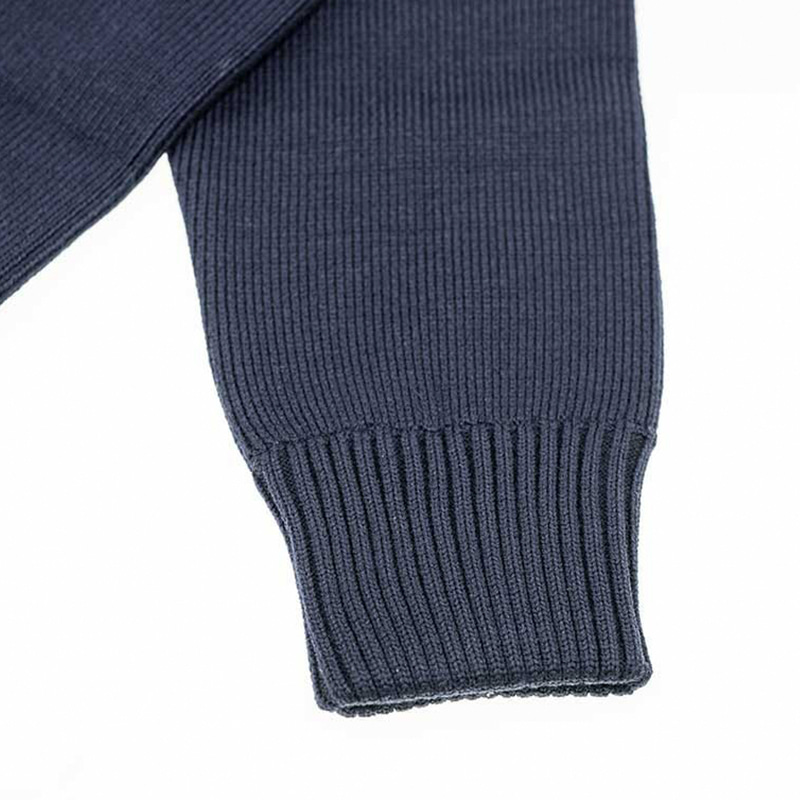
2x2 rib is created by alternating two knit stitches and two purl stitches across the width. The resulting structure has wider, more pronounced vertical wales. The fabric is thicker and heavier than 1x1 rib. Elasticity is good but slightly lower than 1x1 rib. 2x2 rib is preferred for heavier garments such as sweater waistbands, heavy jacket cuffs, and outerwear trim. The thicker structure provides more substance and durability.
The table below compares 1x1 rib and 2x2 rib across key parameters.
| Parameter | 1x1 Rib | 2x2 Rib |
|---|---|---|
| Knit Pattern | Alternating one knit, one purl | Alternating two knit, two purl |
| Appearance | Fine, closely spaced wales | Wider, more pronounced wales |
| Thickness | Thin, lightweight | Thicker, heavier |
| Elasticity | Very high | High |
| Recovery | Excellent | Very good |
| Curling Resistance | Good, lies flat | Excellent, very stable |
| Typical Yarn Count | Finer yarns (20/2 to 40/2) | Coarser yarns (10/2 to 20/2) |
| Best Application | Lightweight garments, T-shirts, thin jackets | Heavy garments, sweaters, outerwear |
For lightweight garments where a delicate trim is desired, 1x1 rib is the appropriate choice. For heavier garments where durability and substance are priorities, 2x2 rib is preferred.
4. Comparison Two: Standard Rib vs. Jacquard Rib
Standard rib has a simple, repeating vertical stripe pattern. The appearance is uniform across the width of the fabric. Standard rib is the most economical option and is suitable for most applications where no pattern is required.
Jacquard rib incorporates patterns directly into the knit structure. The pattern can be stripes, checks, geometric designs, logos, or text. The design is formed by selectively controlling individual needles to create different colored or textured areas. Jacquard rib allows brands to integrate their identity directly into the trim, eliminating the need for separate printing or embroidery.
The manufacturing process for jacquard rib is more complex than standard rib. Specialized electronic jacquard knitting machines are required. Each needle is controlled individually, allowing intricate patterns. The cost is higher than standard rib, and minimum order quantities are typically larger. However, for branded products where the trim is part of the design statement, jacquard rib offers unique possibilities.
The table below compares standard rib and jacquard rib.
| Parameter | Standard Rib | Jacquard Rib |
|---|---|---|
| Pattern Capability | Simple vertical stripes | Complex patterns, logos, text |
| Manufacturing Equipment | Standard flat or circular knitting machines | Electronic jacquard machines |
| Cost per Meter | Lower | Higher |
| Minimum Order Quantity | Lower | Higher |
| Lead Time | Shorter | Longer |
| Brand Integration | Requires separate labeling | Knitted directly into the trim |
| Best Application | Basic garments, high volume | Branded products, fashion garments |
For a basic t-shirt where the rib is purely functional, standard rib is appropriate. For a premium hoodie where the cuff rib displays the brand name, jacquard rib adds value.
5. Material Composition and Fiber Blends
The performance of ribbed clothing accessories depends heavily on the fiber blend. Different applications require different combinations of elasticity, durability, softness, and moisture management.
Cotton rib is the standard for many applications. Cotton offers natural softness, breathability, and comfort. It is hypoallergenic and accepts dyes well. However, cotton has lower elasticity and recovery than synthetic fibers. Cotton rib may stretch out over time and lose its shape. For applications where recovery is critical, cotton is often blended with spandex.
Polyester rib offers superior durability, color retention, and moisture wicking. Polyester does not absorb water, so it dries quickly and resists shrinking. Polyester rib maintains its elasticity and recovery through many wash cycles. The hand feel is less natural than cotton but can be engineered to be quite soft. Polyester is often blended with cotton to combine the advantages of both fibers.
Acrylic rib offers a wool-like hand feel at lower cost. Acrylic is warm, soft, and lightweight. It resists moths and mildew. However, acrylic has lower abrasion resistance than polyester and may pill over time. Acrylic is often used for sweater trims and cold weather accessories.
Spandex or elastane is added to rib knits to enhance elasticity and recovery. Spandex content typically ranges from 3 to 8 percent. Even a small percentage of spandex significantly improves the ability of the rib to stretch and return to shape. For cuffs and waistbands that experience repeated stretching, spandex is essential.
The table below summarizes material options for ribbed clothing accessories.
| Material | Elasticity | Recovery | Durability | Softness | Best Application |
|---|---|---|---|---|---|
| 100% Cotton | Moderate | Moderate | Good | Excellent | Lightweight garments, comfort priority |
| 100% Polyester | Good | Good | Excellent | Moderate | Sportswear, performance wear |
| 100% Acrylic | Moderate | Moderate | Moderate | Good | Sweaters, cold weather |
| Cotton-Spandex (95/5) | High | Very good | Good | Excellent | T-shirts, casual wear |
| Polyester-Spandex (92/8) | Very high | Excellent | Excellent | Moderate | Activewear, heavy use |
| Cotton-Polyester | Moderate | Moderate | Very good | Good | Balanced performance |
When selecting a ribbed accessory, consider the end use. A cuff that will be stretched many times each day, such as a jacket sleeve, benefits from spandex content. A collar that must maintain its shape, such as a polo shirt collar, benefits from high recovery fibers.
6. Elasticity, Recovery, and Durability Testing
The functional performance of ribbed clothing accessories is measured through standardized testing. Understanding these tests allows buyers to specify appropriate performance levels.
Elasticity refers to the ability of the fabric to stretch when force is applied. It is measured as the percentage of elongation at a specified tension. For ribbed cuffs, 50 to 100 percent elongation in the width direction is typical. Higher elongation allows the cuff to fit a wider range of wrist sizes.
Recovery refers to the ability of the fabric to return to its original dimensions after stretching. It is measured as the percentage of original length retained after a specified number of stretch cycles. For ribbed waistbands, recovery of 90 percent or higher is desirable. Poor recovery results in baggy, stretched out garments.
Durability for ribbed accessories includes abrasion resistance, pilling resistance, and wash fastness. Abrasion resistance is measured by rubbing the fabric against a standard abrasive surface for a specified number of cycles. Pilling resistance measures the tendency of fibers to form small balls on the surface. Wash fastness measures color retention and dimensional stability after laundering.
The table below provides typical performance targets for different garment categories.
| Performance Metric | Lightweight Casual | Performance Activewear | Heavy Outerwear |
|---|---|---|---|
| Elongation (Width) | 40-60 percent | 60-80 percent | 50-70 percent |
| Recovery (after 100 cycles) | 85-90 percent | 90-95 percent | 85-90 percent |
| Abrasion Resistance (cycles) | 10,000-20,000 | 20,000-30,000 | 30,000-50,000 |
| Pilling Resistance (rating) | 3.5-4.0 | 4.0-4.5 | 4.0-4.5 |
| Wash Fastness (rating) | 4.0 | 4.0-4.5 | 4.0 |
When sourcing ribbed accessories, request test reports from accredited laboratories to verify that the material meets your performance requirements.
7. Sewing Techniques for Ribbed Accessories
The quality of a finished garment depends not only on the ribbed accessory itself but also on how it is sewn to the main body. Proper sewing technique ensures that the seam lies flat, the trim is secure, and the appearance is professional.
Material pretreatment is essential before sewing. Ribbed accessories and main body fabrics should be ironed to eliminate wrinkles. Pre-shrinking both components reduces shrinkage differences during subsequent laundering. Trimming ensures clean, tidy edges for sewing.
Suture selection depends on the fabric types and the required seam appearance. Flat seams are suitable for thinner fabrics and keep seams flat. Overlock seams prevent fabric edges from fraying and are appropriate for knit fabrics. Elastic seams are specifically designed for elastic fabrics and maintain stretch through the seam line.
Tension control is critical. The technician must adjust the upper and lower thread tensions and use appropriate presser foot pressure to ensure even fabric feeding. Improper tension results in puckered seams or loose, weak seams.
Sewing order and direction affect the final appearance. Continuous sewing from one end to the other without pauses prevents stitch discontinuities and tension changes. Sewing in the direction of the fabric elasticity reduces deformation and wrinkles.
After sewing, immediate ironing of the seam area rearranges the fabric fibers, eliminating wrinkles and achieving a smooth finish. Professional ironing equipment with appropriate temperature and pressure settings is required.
Quality inspection after sewing verifies stitch firmness, fabric flatness, and the absence of defects such as skipped stitches or missed areas.
8. Applications Across Garment Categories
Ribbed clothing accessories serve different garment categories, each with specific requirements.
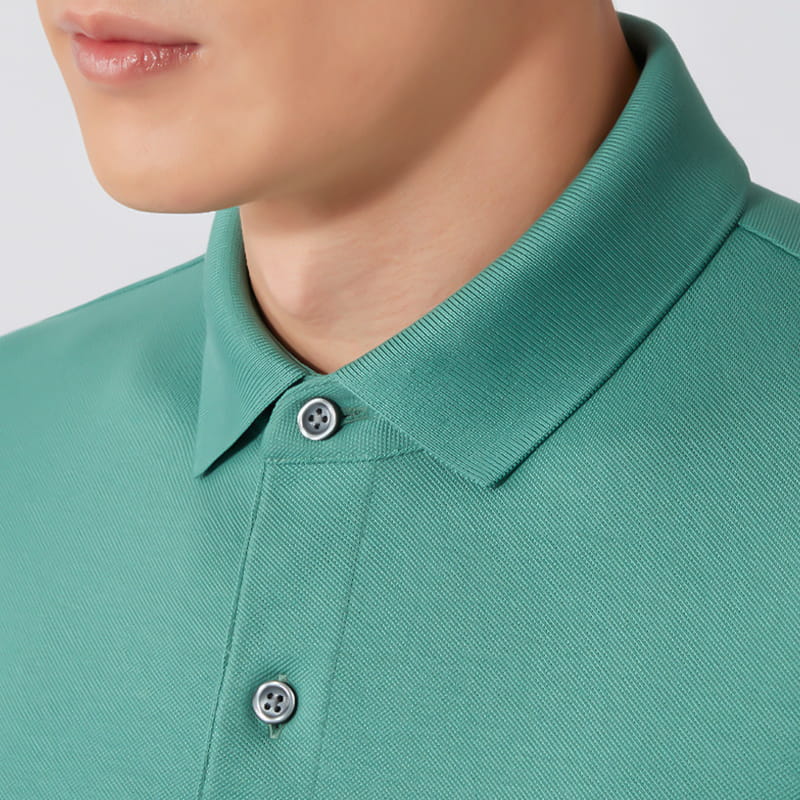
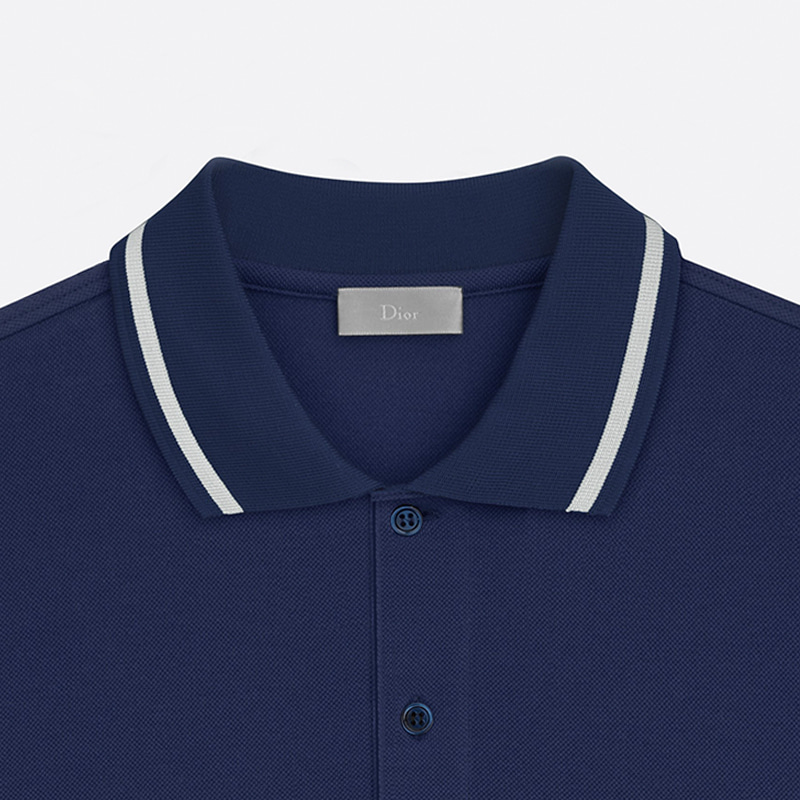
In t-shirts and polo shirts, ribbed collars and cuffs provide structure and fit. The rib must be soft against the skin, as it contacts the neck and wrists. Recovery is important to maintain shape through repeated wear and washing. 1x1 cotton-spandex rib is common in this category.
In hoodies and sweatshirts, ribbed cuffs and waistbands are typically heavier and more substantial. The rib must resist abrasion from daily wear. 2x2 polyester-cotton or polyester-spandex rib is common. Jacquard rib with brand logos adds value for premium garments.
In jackets and outerwear, ribbed cuffs and hem bands provide a snug fit that seals out wind and retains heat. The rib must be durable and maintain elasticity through years of use. Polyester-spandex or acrylic blends are common. Weather resistance may be enhanced with special finishes.
In activewear and sportswear, ribbed trims must manage moisture and maintain performance through intense activity. Polyester-spandex with moisture wicking properties is preferred. The rib must dry quickly and resist odor.
In underwear and loungewear, ribbed trims must be extremely soft and comfortable. Fine cotton or modal with low spandex content is used. The rib should not bind or leave marks on the skin.
9. Quality Certifications and Standards
For export to international markets, ribbed clothing accessories should meet recognized quality and safety standards.
OEKO-TEX Standard 100 is the most important certification for textile components. It certifies that the product does not contain harmful substances above regulated limits. The standard covers hundreds of chemicals including heavy metals, formaldehyde, pesticides, and other restricted substances. For products that contact the skin, OEKO-TEX certification is highly recommended.
GRS (Global Recycled Standard) certifies products containing recycled materials. For brands with sustainability commitments, GRS certified ribbed accessories provide assurance that recycled content claims are accurate.
GOTS (Global Organic Textile Standard) certifies products made from organic fibers. GOTS certified ribbed accessories must contain at least 70 percent certified organic fibers and meet strict environmental and social criteria.
BCI (Better Cotton Initiative) certification indicates that the cotton used was sourced from farms practicing sustainable growing methods. BCI focuses on reducing water and pesticide use.
When sourcing ribbed accessories, request documentation of all relevant certifications. A reputable supplier will provide these certificates and may display certification marks on their website and marketing materials.
10. Sustainability in Ribbed Accessories
Environmental responsibility is increasingly important for apparel brands and their consumers. Ribbed clothing accessories can be manufactured with reduced environmental impact.
Recycled polyester, made from post-consumer plastic bottles, is widely available. Recycled polyester rib has the same performance characteristics as virgin polyester but uses less petroleum and diverts waste from landfills.
Organic cotton rib is grown without synthetic pesticides or fertilizers. Organic farming uses less water and maintains soil health. Organic cotton rib has a soft, natural hand feel and appeals to eco-conscious consumers.
Natural dyes derived from plants, minerals, and other renewable sources are replacing synthetic dyes in some production. Natural dyes reduce the chemical load of the dyeing process.
Water consumption in dyeing and finishing can be reduced through efficient processes and closed-loop water treatment systems. Some manufacturers now use low liquor ratio dyeing machines that consume less water per kilogram of fabric.
When sourcing ribbed accessories, ask about recycled content options, organic materials, and water management practices. Communicate sustainable features to consumers who value environmental responsibility.
11. Quality Control and Production Capacity
Consistent quality is essential for ribbed clothing accessories. Variations in elasticity, color, or dimensions will affect the finished garment.
Quality control begins with raw material inspection. Yarns must be tested for denier, tenacity, and color to ensure they meet specifications. Contaminated or out of specification yarns will produce defective rib.
During knitting, machine settings such as stitch length, yarn tension, and fabric take-down must be precisely controlled. Modern knitting machines with electronic controls allow precise monitoring and adjustment.
After knitting, the rib fabric may undergo finishing processes such as washing, dyeing, and heat setting. Each step must be controlled to achieve the specified properties.
Final inspection should examine the rib for defects such as dropped stitches, holes, uneven texture, or color variation. Samples should be tested for elasticity, recovery, and color fastness.
A supplier with significant production capacity, such as 20 sets of computerized flat knitting machines imported from Germany plus more than 100 sets of domestic flat knitting machines, can serve large volume orders while maintaining consistent quality. The ability to produce various types of ribbing ensures flexibility for different customer requirements.
12. Conclusion: Matching the Rib to the Garment and the Application
The selection of the right ribbed clothing accessory requires careful consideration of the garment type, the performance requirements, and the brand positioning.
For lightweight t-shirts and polo shirts, select 1x1 cotton-spandex rib. The soft hand feel and good elasticity provide comfort and fit. For branded products, consider jacquard rib with woven logos.
For hoodies and sweatshirts, select 2x2 polyester-cotton or polyester-spandex rib. The thicker structure provides durability and substance. For premium garments, jacquard rib adds value.
For jackets and outerwear, select 2x2 polyester-spandex rib with high spandex content. The excellent elasticity and recovery maintain a snug fit through years of use. Consider acrylic blends for warmth.
For activewear and sportswear, select polyester-spandex rib with moisture wicking properties. The quick drying and durable performance meet the demands of intense activity.
For underwear and loungewear, select fine cotton-spandex rib with low spandex content. The soft hand feel and gentle elasticity provide comfort without binding.
By understanding the technical differences and performance characteristics presented in this article, garment manufacturers and procurement professionals can confidently select the right ribbed clothing accessories for each product line, ensuring fit, durability, and consumer satisfaction.
5 Frequently Asked Questions (FAQs)
Q1: What is the difference between 1x1 rib and 2x2 rib?
A: 1x1 rib alternates one knit stitch and one purl stitch, creating fine, closely spaced vertical wales. It is thinner, more elastic, and suitable for lightweight garments such as t-shirts. 2x2 rib alternates two knit stitches and two purl stitches, creating wider, more pronounced wales. It is thicker, heavier, and suitable for heavier garments such as sweaters and outerwear. The choice depends on the garment weight and the desired appearance.
Q2: How does spandex content affect the performance of ribbed cuffs?
A: Spandex (elastane) significantly enhances both elasticity and recovery. A 1x1 cotton rib with no spandex may stretch from 20 cm to 30 cm under tension but may not fully recover, leaving a baggy cuff. The same rib with 5 percent spandex will stretch to 35 cm and recover to 20 cm. For cuffs and waistbands that experience repeated stretching, spandex content of 3 to 8 percent is essential for maintaining fit over time.
Q3: What is the difference between standard rib and jacquard rib?
A: Standard rib has a simple, repeating vertical stripe pattern. It is economical and suitable for most applications. Jacquard rib incorporates patterns, logos, or text directly into the knit structure using electronic jacquard knitting machines. Each needle is controlled individually, allowing intricate designs. Jacquard rib is more expensive and requires larger minimum orders but allows brand integration without separate printing or embroidery.
Q4: How do I sew ribbed cuffs to a jacket sleeve to ensure a flat, professional finish?
A: First, pre-shrink and iron both the rib and the main fabric. Use an overlock seam for knit fabrics to prevent fraying. Adjust thread tension and presser foot pressure to ensure even fabric feeding. Sew continuously from one end to the other without stopping. Sew in the direction of the fabric elasticity. After sewing, immediately iron the seam with appropriate temperature and pressure. Conduct quality inspection to verify stitch firmness and flatness.
Q5: What certifications should I look for in ribbed clothing accessories for export?
A: For general safety and chemical compliance, OEKO-TEX Standard 100 is the most important certification. For products with recycled content, GRS (Global Recycled Standard) provides verification. For organic cotton, GOTS (Global Organic Textile Standard) certification is required. For sustainable cotton sourcing, BCI (Better Cotton Initiative) certification is relevant. For export to European markets, REACH compliance is also required. Request documentation of all relevant certifications from your supplier.
References
- Jiaxing Zhapu Jilida Garment Accessories Co., Ltd. (2024). Ribbed Clothing Accessories Technical Specifications and Material Properties.
- Jiaxing Zhapu Jilida Garment Accessories Co., Ltd. (2024). Ribbing Accessories Industry Knowledge Sewing Techniques.
- OEKO TEX Association. (2024). OEKO TEX Standard 100 Certified Product List.
- Global Recycled Standard. (2021). GRS Certification Requirements.
- Textile Exchange. (2023). Organic Cotton Market Report.
- Better Cotton Initiative. (2024). BCI Standards and Certification.
- ASTM International. (2019). ASTM D4964 Standard Test Method for Tension and Elongation of Elastic Fabrics.
- International Organization for Standardization. (2020). ISO 105 C10 Textiles Tests for color fastness Part C10.
- Jiaxing Zhapu Jilida Garment Accessories Co., Ltd. (2024). Production Capacity and Quality Control Standards.
- American Association of Textile Chemists and Colorists. (2021). AATCC Test Method 124 Appearance of Fabrics after Repeated Home Laundering.
Page TKD (Title, Keywords, Description)
Title:
Ribbed Clothing Accessories | 1x1 & 2x2 Ribbed Cuffs, Collars & Waistbands
Keywords:
Ribbed Clothing Accessories, ribbed cuffs, ribbed collars, ribbed waistbands, 1x1 rib, 2x2 rib, jacquard rib, cotton spandex rib, polyester rib, garment trims
Description:
Technical comparison of 1x1 versus 2x2 versus jacquard rib for clothing accessories. Analyze elasticity, recovery, material composition, sewing techniques, and application selection for cuffs, collars, and waistbands. A professional sourcing guide for garment manufacturers and apparel brands.