 English
 Español
Content
- 0.1 Structural Mechanics and Production of Ribbed Textiles
- 0.2 Detailed Analysis of 1x1 Rib Knit Fabric
- 0.3 Detailed Analysis of 2x2 Rib Knit Fabric
- 0.4 Exploring Wide Rib and Asymmetrical Variations
- 0.5 Technical Performance Matrix: 1x1 vs. 2x2 vs. Wide Rib
- 0.6 Commercial Selection Criteria for Global Apparel Sourcing
- 1 Frequently Asked Questions (FAQ)
- 1.1 Does ribbed knit fabric shrink more than standard plain jersey fabric?
- 1.2 Why do some ribbed fabrics lose their elasticity and stretch out permanently over time?
- 1.3 Can 1x1 and 2x2 rib fabrics be used interchangeably for garment trims?
- 1.4 Are ribbed knit fabrics completely reversible during the garment cutting process?
- 1.5 Which knitting machinery is required to produce professional ribbed fabrics?
- 2 Academic and Technical References
In the global textile supply chain, selecting the correct material structure determines the performance, fit, and lifespan of the final apparel product. Among the vast array of weft knitted textiles, ribbed knit fabric is heavily relied upon by apparel brands, sourcing managers, and manufacturing plants worldwide. This material is widely recognized for its unique texture and high elastic properties. Unlike standard jersey knits, a ribbed structure provides bidirectional stretch and an exceptional ability to return to its original shape without losing form. This makes it an essential choice for tight fitting garments, casual wear, and structural parts like neckbands, waistbands, and cuffs.
For clothing factories and international buyers, understanding the structural differences between various rib styles is necessary to ensure precise product development. The structural variations are defined by how the knit and purl stitches are arranged during the factory manufacturing process. The most common varieties found in commercial manufacturing are 1x1 rib knit and 2x2 rib knit, alongside specialized wide rib setups such as 3x3, 4x4, or asymmetrical arrangements. Each structure exhibits distinct physical characteristics, weight variations, and functional performance profiles. This comprehensive guide breaks down the core structural mechanics, production parameters, and precise application fields for each ribbed textile group to assist you in making informed bulk purchasing decisions.
Structural Mechanics and Production of Ribbed Textiles
To understand why different ribbed materials perform the way they do, it is helpful to look at how they are manufactured on an industrial level. Ribbed textiles are categorized as double knit structures. This means they are produced on specialized circular or flat knitting machines equipped with two independent sets of needles operating at right angles to each other, often referred to as the dial and the cylinder.
During the automated knitting cycle, the machine alternates between forming face loops and back loops. A face loop is created when a needle pulls the yarn from the back of the fabric to the front, creating a visible vertical column known as a wale. Conversely, a back loop or purl stitch is created when the yarn is pulled from front to back, forming a recessed groove. This alternating sequence creates the classic raised ridges and deep valleys that run lengthwise down the fabric surface.
Because both sides of the material contain an equal arrangement of face and back wales, the face and reverse sides of a standard balanced rib look exactly identical. This balanced construction provides an important production benefit: the fabric remains completely flat and has no tendency to curl at the cut edges, unlike single jersey fabrics which roll significantly. Furthermore, the alternating needle arrangement creates a compressed, accordion-like structure. When wide pressure is applied, these ridges open up, providing massive crosswise elasticity that far exceeds that of plain single knits.
Detailed Analysis of 1x1 Rib Knit Fabric
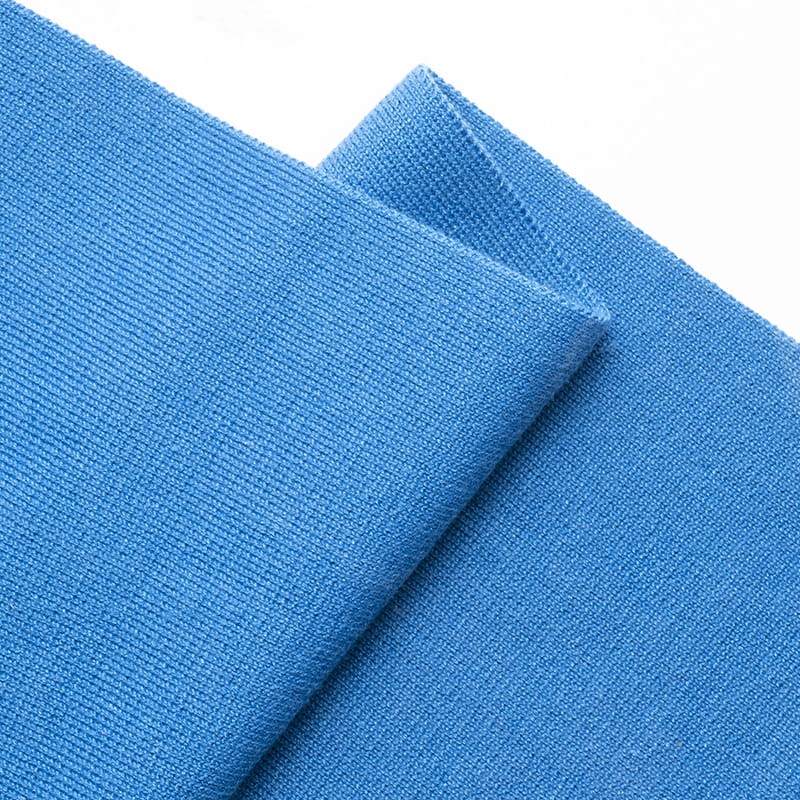
The 1x1 rib structure represents the foundational design of double knit textiles. In this setup, the manufacturing machine is configured to alternate exactly one column of face stitches with one column of purl stitches across the entire width of the bed. The resulting fabric surface features a highly dense, fine, and subtle micro rib appearance. When the fabric is at rest, the recessed purl columns are pulled inward, making the material look like a smooth, unbroken surface until it is pulled open horizontally.
From a performance standpoint, 1x1 ribbing provides a highly balanced combination of fine texture, lightweight feel, and clean surface structure. Because the ridges are narrow and closely packed, the fabric surface is exceptionally smooth, making it highly compatible with fabric printing techniques and detailed embroidery. It offers excellent crosswise stretch combined with the highest recovery rate among all standard rib styles, meaning it snaps back to its exact dimensions instantly after stretching.
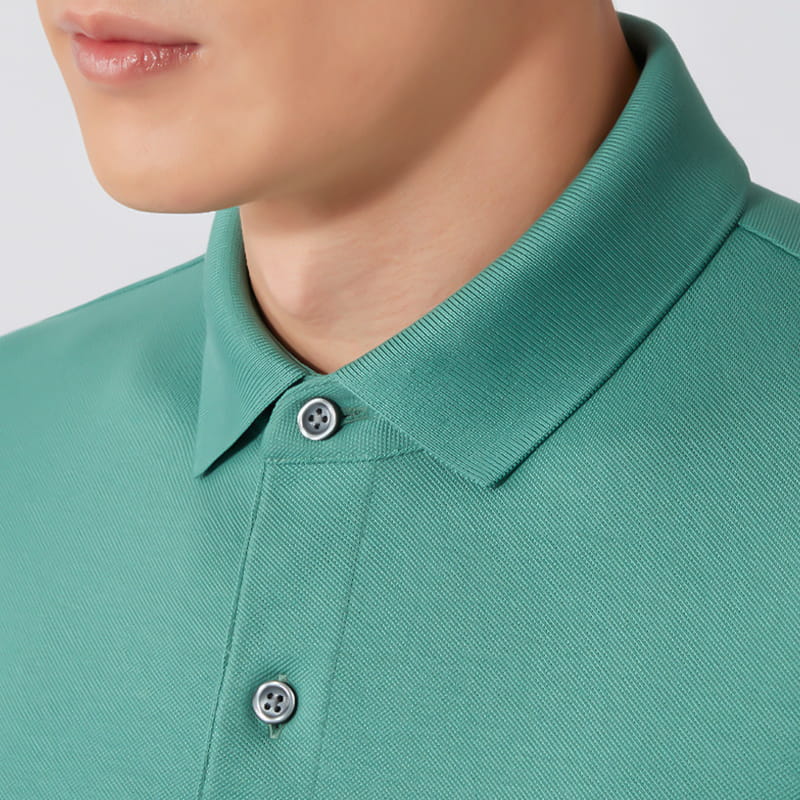
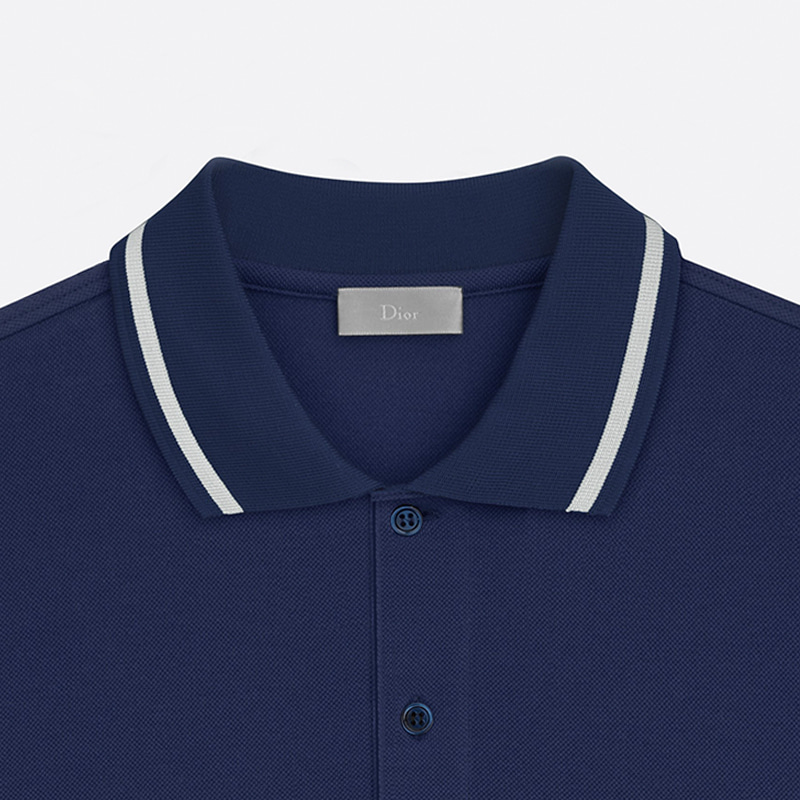
In commercial manufacturing, 1x1 ribbing is primarily used for lightweight applications. It is the industry standard for creating clean, professional trim on lightweight cotton t-shirts, polo shirt collars, and fine base layers. Because it is thin and lies perfectly flat, it hugs the body comfortably without adding bulk, making it a preferred material for infant clothing, thermal underwear, and sleek activewear linings.
Detailed Analysis of 2x2 Rib Knit Fabric
The 2x2 rib structure, often referred to in the commercial market as the Swiss rib, takes the alternating sequence a step further. In this configuration, the knitting machine is programmed to produce two consecutive vertical columns of face stitches followed by two consecutive columns of purl stitches. This creates significantly wider, more prominent vertical ridges and deeper valleys on both sides of the textile.
The physical presence of double columns alters the performance characteristics of the fabric. A 2x2 rib is noticeably thicker, heavier, and more substantial than a 1x1 rib made from the exact same yarn count. The deeper structure allows the fabric to trap more air within its valleys, providing enhanced thermal insulation and warmth. While it retains excellent shape recovery, its total crosswise elongation capacity is often higher than a 1x1 rib, giving it a highly flexible, accommodating stretch profile.
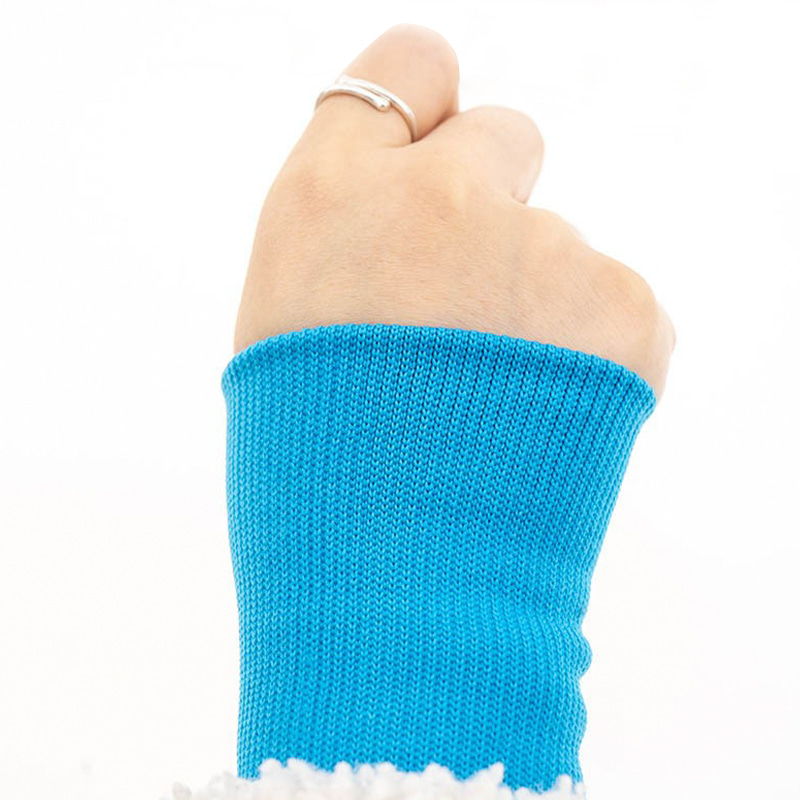
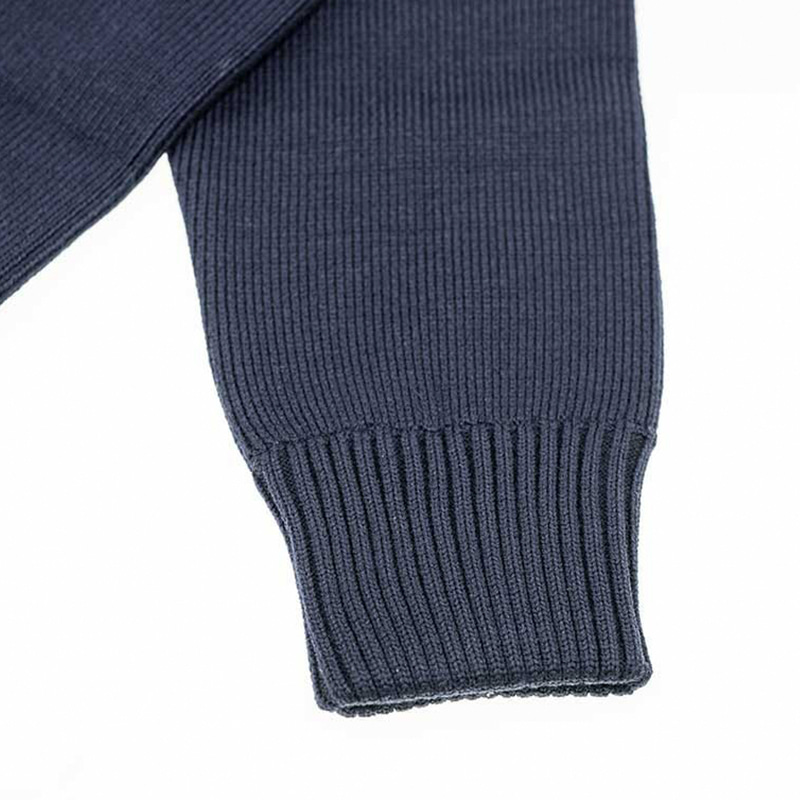
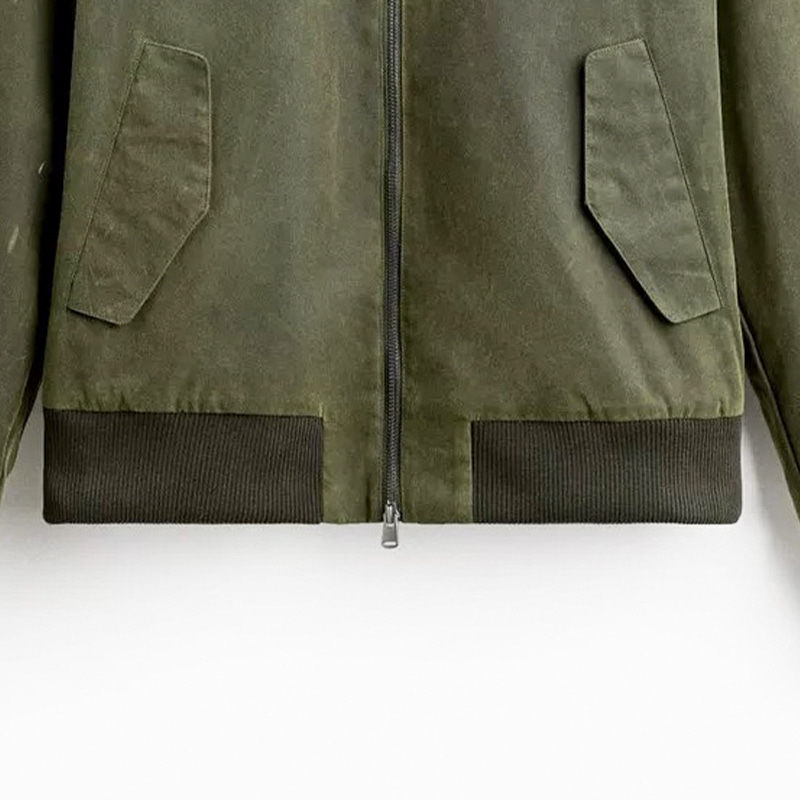
For product designers and sourcing agents, 2x2 ribbing is chosen when a garment requires a bold visual texture or heavy duty structural support. It is widely used to manufacture form fitting dresses, casual sweaters, and heavy t-shirts. In outerwear production, 2x2 ribbing serves as the primary material for heavy duty waistbands and sleeve cuffs on bomber jackets and hoodies, as it successfully grips the wrists and waist firmly to block cold air from entering the garment.
Exploring Wide Rib and Asymmetrical Variations
Beyond the classic options, industrial textile manufacturing can produce wide rib and customized asymmetrical patterns to achieve distinct stylistic and functional effects. Wide ribs include structures like 3x3, 4x4, or 5x5, where large blocks of knit and purl stitches alternate sequentially. These fabrics display highly pronounced, chunky vertical lines that give garments a traditional handcrafted appearance while maintaining high mechanical stretch.
Asymmetrical ribs, such as 2x1, 3x1, or 5x2, alter the balance between the face and reverse sides. For instance, a 2x1 rib alternates two face columns with a single purl column. This specific setup forces the face ridges to dominate the front look of the fabric while reducing the total thickness and weight compared to a full 2x2 structure. Asymmetrical configurations allow clothing brands to achieve the visual depth of a heavy rib while maintaining a lighter weight and reducing the overall material cost per square meter.
Wide and asymmetrical configurations are highly favored in the production of fashion forward knitwear, oversized cardigans, loungewear sets, and thick winter socks. Because these structures have wide valleys, they offer unique design flexibility, allowing factories to mix different colored yarns within the hidden purl sections to create a dynamic color changing effect when the fabric expands during movement.
Technical Performance Matrix: 1x1 vs. 2x2 vs. Wide Rib
To help commercial buyers choose the ideal fabric structure for their target product line, the table below provides a direct technical comparison of the primary ribbed knit fabric categories.
| Technical Parameter | 1x1 Rib Knit Fabric | 2x2 Rib Knit Fabric | Wide Rib Fabric (e.g., 3x3, 4x4) |
|---|---|---|---|
| Visual Appearance | Ultra fine, smooth micro ridges; resembles plain jersey when relaxed | Clearly defined, prominent parallel vertical lines on both sides | Bold, chunky, dimensional columns with deep valleys |
| Fabric Thickness | Relatively thin and low profile; minimal bulk addition | Medium to thick; substantial hand feel | Thick and high loft; maximum bulk and texture |
| Horizontal Elasticity | High crosswise stretch with strong, snappy tension | Very high crosswise stretch with smooth, flexible elongation | Maximum crosswise stretch but lower initial tension |
| Elastic Shape Recovery | Superior recovery; returns to original shape immediately | Excellent recovery; maintains firm grip over long term use | Moderate recovery; prone to slight widening after heavy use |
| Thermal Insulation | Moderate; suitable for layering and spring or summer wear | High; traps air effectively for autumn and winter garments | Very high; excellent heat retention properties |
| Edge Stability | Completely flat; zero curling or rolling at cut edges | Completely flat; excellent stability during cutting and sewing | Flat; requires careful tension handling during manufacturing |
| Primary Structural Uses | T-shirt necklines, lightweight cuffs, infant wear bodies | Jacket waistbands, heavy sleeve cuffs, fitted dresses | Fashion cardigans, winter sweaters, thick accessories |
| Production Speed | Fast; straightforward needle selection on double beds | Moderate; requires precise double needle alignment | Slower; complex needle gating and layout setups |
Commercial Selection Criteria for Global Apparel Sourcing
When sourcing ribbed fabric in bulk, industrial buyers must evaluate several critical factors beyond just visual preference. The ultimate choice between 1x1, 2x2, or wide rib structures depends heavily on the garment type, fiber composition, and processing requirements.
- Garment Function and Fit: If the goal is to produce high performance sportswear or seamless base layers that require a second skin fit, 1x1 ribbing is preferred due to its low thickness and snappy recovery. For casual outerwear trim or structural collars that must hold weight without sagging, 2x2 ribbing provides the necessary thickness.
- Yarn Selection and Count: The choice of fiber significantly influences rib performance. Cotton and cotton spandex blends are standard for everyday apparel trims. When working with luxury fibers like wool, viscose, or acrylic blends for fashion sweaters, wider rib structures are often deployed to maximize the soft drape and thermal properties of the fine yarns.
- Cutting and Sewing Efficiency: From a factory floor perspective, balanced rib fabrics simplify the production workflow. Because they do not curl, cutting teams can maximize fabric utilization and minimize waste. However, when assembling garments with wide or asymmetrical ribs, sewing operators must carefully align the vertical ridges at the seams to maintain high aesthetic standards.
Frequently Asked Questions (FAQ)
Does ribbed knit fabric shrink more than standard plain jersey fabric?
Yes, ribbed knit fabrics generally exhibit higher potential shrinkage during laundering compared to plain single jersey fabrics. Because the ribbed structure is highly elastic and compressed like an accordion, the columns can contract significantly when exposed to moisture and heat. To minimize shrinkage in commercial production, it is highly recommended to perform fabric pre shrinking or add a small percentage of synthetic fibers like polyester or spandex to stabilize the yarn network.
Why do some ribbed fabrics lose their elasticity and stretch out permanently over time?
When a ribbed fabric loses its shape recovery, it is usually due to fiber fatigue or a lack of elastomeric support. Pure cotton ribbing relies entirely on the mechanical twist of the yarn and the knit pattern for its stretch. Over time and repeated washing, cotton fibers naturally relax and stretch out. To ensure long term shape retention, especially for high stress components like neckbands and cuffs, manufacturers typically incorporate a small percentage of spandex yarn into the knit structure.
Can 1x1 and 2x2 rib fabrics be used interchangeably for garment trims?
While it is technically possible, they are rarely used interchangeably because they create entirely different functional performance and visual styles. A 1x1 rib provides a thin, flat, and subtle finish, making it ideal for delicate necklines on lightweight t-shirts. A 2x2 rib is much thicker and stiffer, which is better suited for heavy duty jacket cuffs and waistbands that require maximum grip and durability against heavy wear.
Are ribbed knit fabrics completely reversible during the garment cutting process?
Balanced ribbed knits, such as standard 1x1 and 2x2 configurations, feature an identical arrangement of face and back wales, making both sides look and feel exactly the same. For clothing factories, this means the fabric is fully reversible, which speeds up the cutting process and reduces errors on the assembly line. However, asymmetrical ribs like 2x1 or 3x1 are not reversible, as one side will display more raised ridges than the other.
Which knitting machinery is required to produce professional ribbed fabrics?
Ribbed fabrics must be produced on double needle bed machines, which include double jersey circular knitting machines or V bed flat knitting machines. These machines utilize two sets of needles that cross each other at right angles, allowing the simultaneous knitting of front and back rows. Single bed machines, which are used for standard single jersey production, cannot manufacture a true ribbed structure.
Academic and Technical References
- Spencer, D. J. (2001). Knitting Technology: A Comprehensive Handbook and Practical Guide. Woodhead Publishing.
- Brackenbury, T. (1992). Knitted Clothing Technology. Blackwell Scientific Publications.
- Ray, S. C. (2012). Fundamentals and Advances in Knitting Technology. Woodhead Publishing India.
- Choi, M. S., & Ashdown, S. P. (2011). Effect of Knit Structure on Fabric Elongation and Recovery Properties. Textile Research Journal, 81(12), 1255-1265.
- Anbumani, N. (2007). Knitting-Fundamentals, Machines, Structures and Developments. New Age International Publishers.