 English
 Español
The hem of a garment is far more than a simple edge finish. For down jackets, sportswear, casual coats, and performance apparel, the hem must seal warmth, resist curling, and adapt to different body shapes without losing elasticity. This technical guide compares elastic ribbed hems against standard woven hems, explains material science, rib structures (1x1, 2x2), attachment methods, and international quality certifications — helping manufacturers and sourcing professionals make informed decisions for export markets.
1. The Critical Difference Between an Elastic Ribbed Hem and a Standard Woven Hem
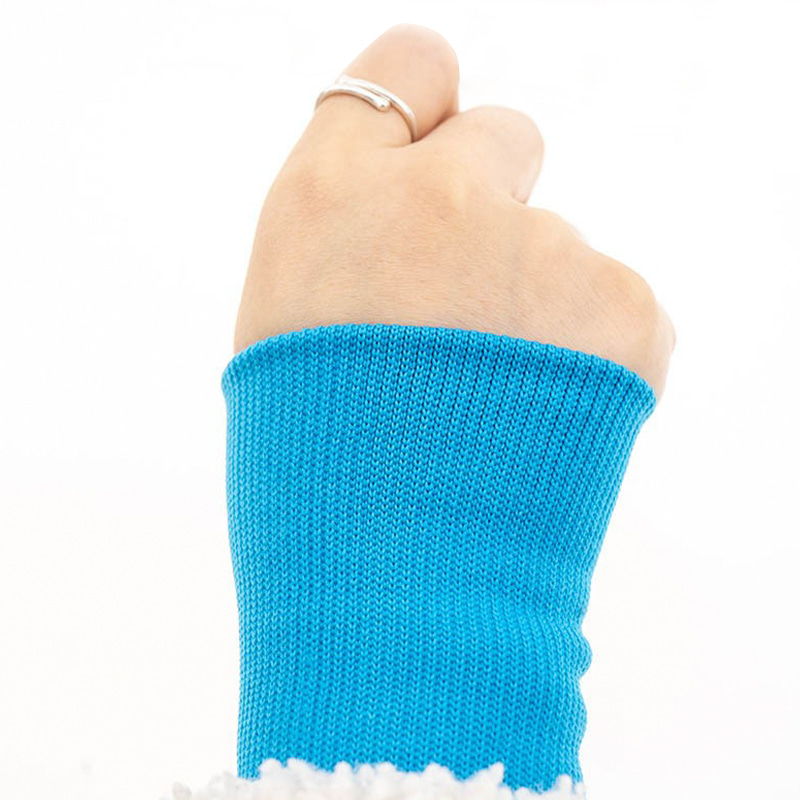
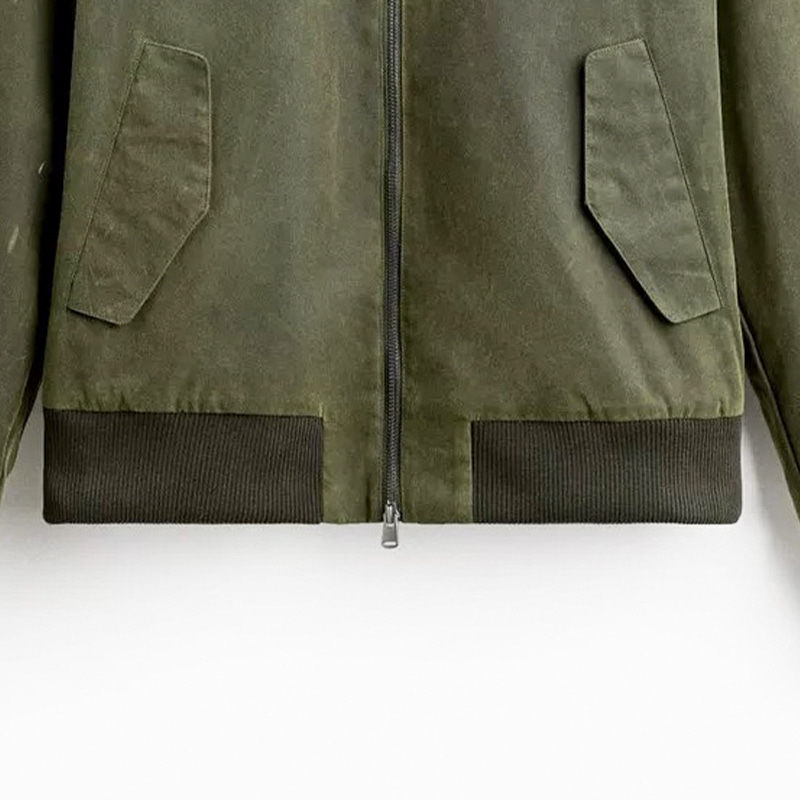
A standard woven hem is created by folding the main fabric and stitching it in place. It offers minimal stretch unless elastic thread is inserted into a casing. After repeated washing or heavy use, woven hems often curl, lose shape, or feel stiff. In contrast, an elastic ribbed hem is a separate knitted component made with rib knitting patterns (1x1 or 2x2) combined with spandex (elastane). This construction provides natural lateral stretch and excellent recovery, keeping the garment snug and stable. For manufacturers exporting to Europe, North America or Japan, the elastic ribbed hem delivers consistent performance across different body types and wash cycles.
2. Material Composition: Why Yarn Choice Defines Performance
The performance of an elastic ribbed hem begins with fiber selection. Common materials include cotton, polyester, cotton-polyester blends, and wool, each offering unique advantages. Cotton provides softness and breathability, ideal for casual wear; but pure cotton lacks elastic recovery, so spandex (3-5%) is essential. Polyester delivers superior durability and shape retention, perfect for sportswear and outdoor gear, often with 5-8% spandex. Cotton-polyester blends (e.g. 65/35) combine softness with strength and are widely used in down jackets and everyday coats. Wool-rich blends are premium options for cold-weather outerwear, providing natural insulation and moisture control. Yarn thickness and spandex percentage must be matched to the target garment.
| Material Blend | Best Application | Elastic Recovery | Softness | Durability |
|---|---|---|---|---|
| Cotton + Spandex (3-5%) | Casual wear, light jackets | Good | High | Moderate |
| Polyester + Spandex (5-8%) | Sportswear, performance outerwear | Excellent | Moderate | High |
| Cotton-Polyester Blend + Spandex | Down jackets, everyday apparel | Very good | High | Very high |
| Wool + Nylon/Spandex | Premium cold-weather coats | Excellent | High (premium grades) | High |
3. Knitting Structure: 1x1 Rib vs. 2x2 Rib and Impact on Hem Performance
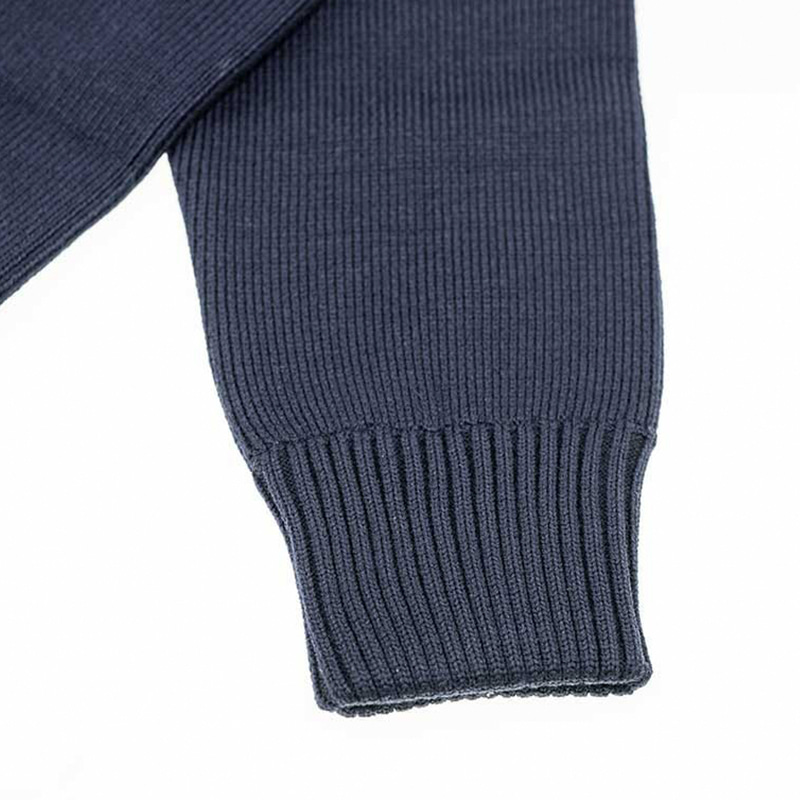
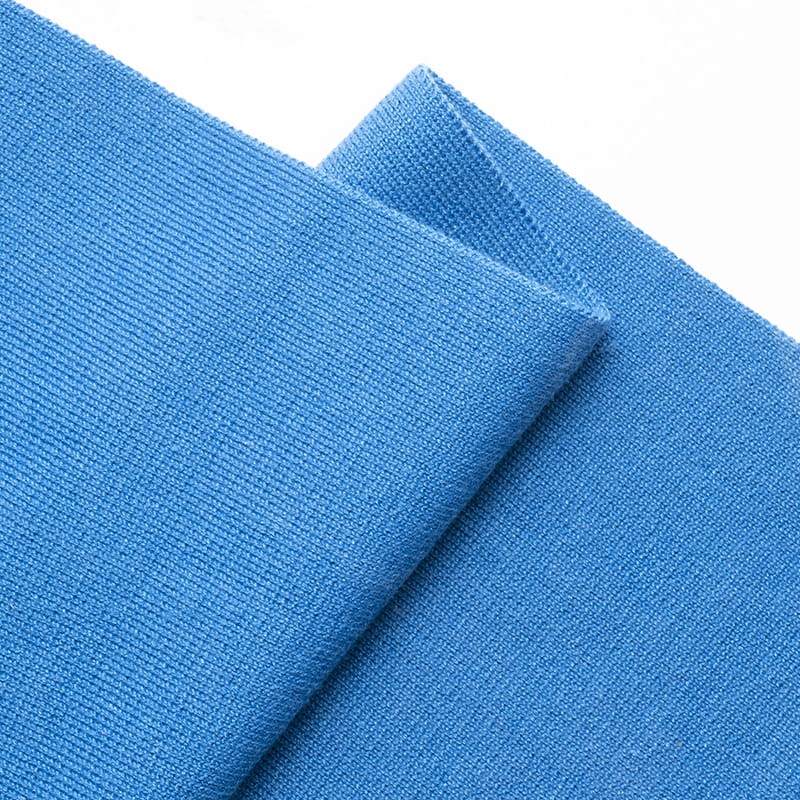
The knitting pattern determines stretch, density, and appearance. 1x1 rib alternates one knit stitch with one purl stitch, creating a dense, tight fabric with moderate horizontal stretch. It holds shape firmly and looks neat on both sides, making it ideal for visible hems on sweaters or jacket cuffs. 2x2 rib alternates two knit stitches with two purl stitches, producing wider channels and significantly more stretch — perfect for waistbands and cuffs that must accommodate varied body sizes. Both structures can be produced on computerized flat knitting machines (such as German models) which allow precise control of stitch length and tension. Shorter stitch lengths reduce stretch but improve recovery; longer stitch lengths increase stretch but reduce recovery. Post-knitting heat setting stabilizes dimensions and locks in elasticity, ensuring the ribbed hem will not shrink or curl after the first wash.
4. Attachment Methods: How the Hem Joins the Garment Body
Even a high-quality elastic ribbed hem will fail if incorrectly attached. Three main methods are used in professional garment manufacturing. Flat seam attachment uses a two-needle coverstitch machine, creating two parallel rows of stitching on the outside. It lies flat, minimizes bulk, and is standard for sportswear and casual jackets. Lapped seam attachment places the hem slightly inside the garment body, secured with single or double stitching; it provides higher tensile strength and is common for heavy outerwear and down jackets. Bound hem attachment encases the raw edge of the main fabric inside folded ribbed material, producing the cleanest finish for unlined or reversible garments. Seam stretch compatibility is critical: use stretchable core-spun threads (polyester sheath with spandex core) and adjust stitch density to 8-12 stitches per inch. Ballpoint needles are mandatory to avoid cutting yarns in the knit structure.
| Garment Type | Recommended Rib Structure | Recommended Material | Hem Width | Attachment Method |
|---|---|---|---|---|
| Down Jacket / Coat | 2x2 Rib | Cotton-Polyester + 5-8% Spandex | 4-6 cm | Flat Seam |
| Sportswear / Activewear | 1x1 or 2x2 Rib | Polyester + 8% Spandex | 2-3 cm | Flat Seam |
| Casual Jacket | 2x2 Rib | Cotton-Polyester + 5% Spandex | 4-5 cm | Flat or Lapped Seam |
| Sweatshirt / Hoodie | 1x1 Rib | High-Cotton Blend + 3-5% Spandex | 5-7 cm | Lapped or Bound |
5. Quality Testing and Certification for Export Markets
For manufacturers exporting to Europe, North America, and Japan, documented quality testing is mandatory. OEKO-TEX Standard 100 certification is the most widely recognized safety standard, testing hundreds of harmful substances. Additional certifications such as GRS (Global Recycled Standard), GOTS (Global Organic Textile Standard), and BCI (Better Cotton Initiative) are increasingly requested by European buyers. SGS testing verifies dimensional stability, seam strength, and tensile force. Japan Kaken testing is often a specific requirement for Japanese retailers, covering color fastness to washing, perspiration, and rubbing. Elasticity and recovery are measured by standard test methods: a high-quality elastic ribbed hem should show less than 5% permanent deformation after multiple stretch cycles. The Martindale abrasion test (20,000-50,000 cycles) confirms durability for garment hems.
A reliable supplier provides test reports from accredited laboratories. For instance, an elastic ribbed hem with OEKO-TEX Class I or II certification meets strict human-ecological requirements. Buyers should request documentation of spandex content, heat setting parameters, and pre-shrinking results. A professional manufacturer will have in-house lab equipment such as color fastness testers, anti-pilling testers, and HP value testers to ensure consistency across production batches. For detailed specifications and custom options, visit our elastic ribbed hem.
6. Common Failure Modes and How to Prevent Them
Curl at the hem edge occurs when the rib knitting structure is unbalanced. Prevention requires precise machine setup and balanced 1x1 or 2x2 patterns. Loss of elasticity after washing is caused by inadequate spandex content or improper heat setting. Using certified spandex and following heat setting parameters (180-195°C for 30-45 seconds) solves this. Wavy or puckered seams result from mismatched stretch between the hem and sewing thread; always match thread stretch to hem stretch and use ballpoint needles. Pilling indicates low-quality yarns or incorrect knitting tension; higher twist yarns and anti-pilling finishes reduce pilling. Shrinkage is controlled by pre-shrinking the ribbed fabric before cutting. Professional manufacturers with computerized flat knitting machines and strict process control eliminate these failures.
Frequently Asked Questions
Q1: What is the standard spandex content for a durable elastic ribbed hem?
A: For most garment applications, spandex content between 5% and 8% of total fabric weight provides optimal balance of stretch, recovery and durability. Sportswear uses up to 8%, while casual wear typically uses 3-5%.
Q2: How do I choose between 1x1 rib and 2x2 rib for my garment?
A: Choose 1x1 rib when you need a dense, firm hem with excellent shape retention and a neat appearance on both sides. Choose 2x2 rib when you need maximum horizontal stretch, such as for waistbands or cuffs that must fit over hands or accommodate varying body sizes.
Q3: Can elastic ribbed hems be washed in hot water and machine dried?
A: Yes, properly manufactured elastic ribbed hems can withstand machine washing at 40-60°C. However, high heat drying above 80°C degrades spandex over time. Tumble drying on low heat or line drying extends service life.
Q4: What certifications should I look for when sourcing elastic ribbed hems for export to Europe?
A: For the European market, OEKO-TEX Standard 100 certification is the minimum requirement. GRS (recycled content), GOTS (organic fibers), and compliance with REACH regulations are increasingly expected. Your supplier should provide test reports from accredited laboratories.
Q5: Why does my hem curl upward after the first wash and how can I prevent it?
A: Curling after washing indicates the rib knitting structure was unbalanced or the hem was not properly heat-set before cutting. To prevent curling, request hems from suppliers who use computerized flat knitting machines with precise tension control and who perform heat setting as a standard post-knitting step.
References
- OEKO-TEX Association. (2024). OEKO-TEX STANDARD 100: General and Special Conditions. Zurich: OEKO-TEX Secretariat.
- SGS Group. (2023). Textile Testing: Physical and Chemical Test Methods for Knitted Fabrics. Geneva: SGS Publications.
- Japan Kaken Testing Center. (2024). Test Methods for Color Fastness of Textile Products. Tokyo: Japan Kaken.
- ASTM International. (2023). ASTM D4964-23: Standard Test Method for Tension and Elongation of Elastic Fabrics. West Conshohocken, PA.
- International Organization for Standardization. (2023). ISO 105-C10:2006 (Confirmed 2023). Geneva: ISO.