 English
 Español
Content
- 1 What 1x1 and 2x2 Rib Structures Actually Mean
- 2 Stretch: Which Structure Extends Further?
- 3 Recovery: Which Structure Returns Faster and More Completely?
- 4 Application-Specific Performance: Collars, Cuffs, and Hems
- 5 Yarn, Gauge, and Construction Variables
- 6 Choosing the Right Structure for Your Production
- 7 Conclusion
When a quality controller picks up a finished polo shirt, the first thing they check is often the collar. They pull it sideways, release it, and watch how it returns. In that moment, the perceived quality of the entire garment rests on a few centimeters of ribbed knit. Whether the trim is 1x1 or 2x2 rib determines how far it stretches, how quickly it snaps back, and whether it still holds its shape after months of wear and washing.
For manufacturers sourcing collars, cuffs, and hems, the choice between these two structures is not a minor detail. It affects cutting efficiency, sewing behavior, garment hand feel, and long-term performance. This article compares 1x1 rib and 2x2 rib in terms of stretch and recovery, with practical guidance for selecting the right structure for each garment application.
What 1x1 and 2x2 Rib Structures Actually Mean
Rib knitting alternates knit stitches and purl stitches in vertical columns. A 1x1 rib repeats one knit column followed by one purl column. A 2x2 rib repeats two knit columns followed by two purl columns. The name describes the repeating unit, and that unit changes how the fabric behaves.
In a 1x1 rib, the frequent alternation creates a densely packed structure that draws in strongly at the edges. The fabric achieves high widthwise elongation because the boundary between knit and purl columns acts as a hinge, allowing the fabric to open and close like an accordion. In a 2x2 rib, the wider paired columns produce more pronounced ridges, a thicker cross-section, and a flatter, more stable surface.
The differences are visible immediately. A 1x1 trim looks fine and uniform, with narrow vertical lines. A 2x2 trim shows wider, more distinct channels. The 2x2 structure also uses more yarn per unit area for a given gauge, which increases weight and bulk.
| Property | 1x1 Rib | 2x2 Rib |
|---|---|---|
| Stitch pattern | 1 knit / 1 purl | 2 knit / 2 purl |
| Visual ridges | Fine and closely spaced | Wide and pronounced |
| Widthwise stretch | Higher | Moderate to high |
| Recovery speed | Fast and complete | Slightly slower, highly stable |
| Thickness | Thinner | Thicker |
| Typical use | Polo collars, light cuffs | Sweater cuffs, jacket hems |
Stretch: Which Structure Extends Further?
For most garment trims, stretch means widthwise extension. When you pull a cuff or collar sideways, the fabric opens at the column boundaries. The number of boundaries directly influences how far the fabric can open.
A 1x1 rib has more boundaries per centimeter, so it extends further relative to its relaxed width. In practice, a 1x1 rib trim made from cotton with 5% spandex can stretch to 180–200% of its relaxed width before reaching its limit. A comparable 2x2 rib typically reaches 140–170%. The difference narrows when spandex is added, but the structural advantage of 1x1 remains.
A 2x2 rib does not stretch as far, but it stretches differently. The paired columns distribute tension across wider sections, so the fabric feels more substantial under load. For a thick sweater cuff or a heavy jacket hem, that solid feel is often more important than maximum elongation.
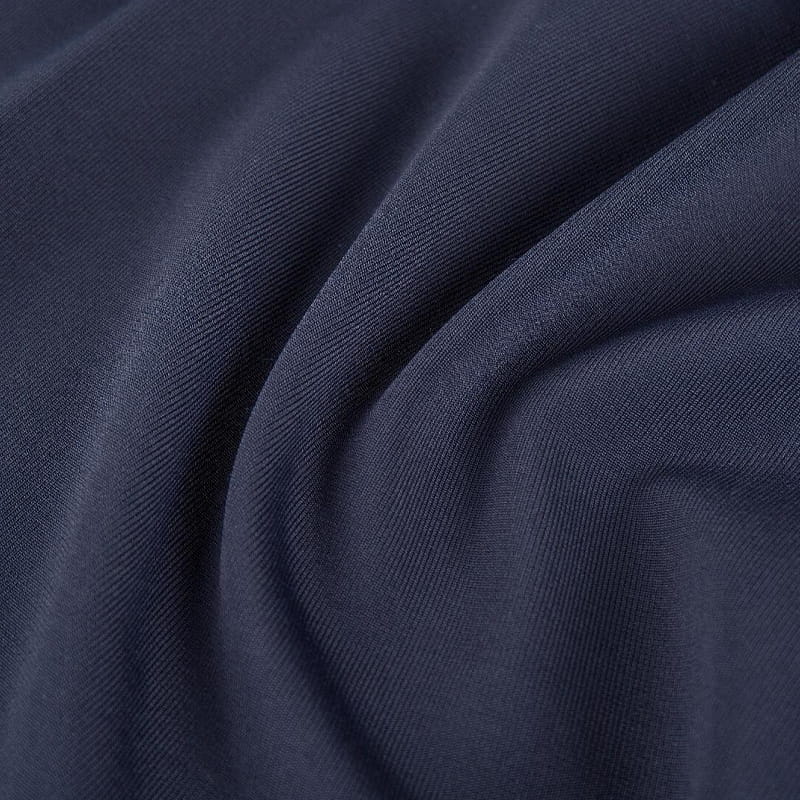 1x1 Rib Knit Fabric with Polyester and Spandex for Garment SewingThis 1x1 rib knit fabric blends polyester and spandex for good elasticity and recovery, making it a practical choice for cuffs, collars, and hems where initial stretch matters.View Product →
Recovery: Which Structure Returns Faster and More Completely?
Recovery is the ability to return to original dimensions after being stretched. In garment trims, poor recovery means baggy collars, stretched cuffs, and wavy hems. It is the property that customers notice after the first wash.
A 1x1 rib snaps back quickly because its short structural interval distributes stress evenly. The frequent alternation of knit and purl columns keeps the deformation local, so the elastic energy releases as soon as the load is removed. Even after repeated stretching, a 1x1 rib collar tends to return close to its original width.
A 2x2 rib returns more slowly from the same elongation. The longer unbroken columns act as larger levers that store more energy during the stretch. When the load is released, the fabric may take a moment to settle. However, when 2x2 rib is constructed on a tight gauge with elastomeric yarn, its recovery is excellent and often more durable over the long term because the structure distributes stress across a wider area.
Manufacturers evaluating fabrics for demanding applications can review the features and advantages of ribbed fabrics to understand how structure, yarn, and finishing combine to influence elastic performance.
Application-Specific Performance: Collars, Cuffs, and Hems
Collars
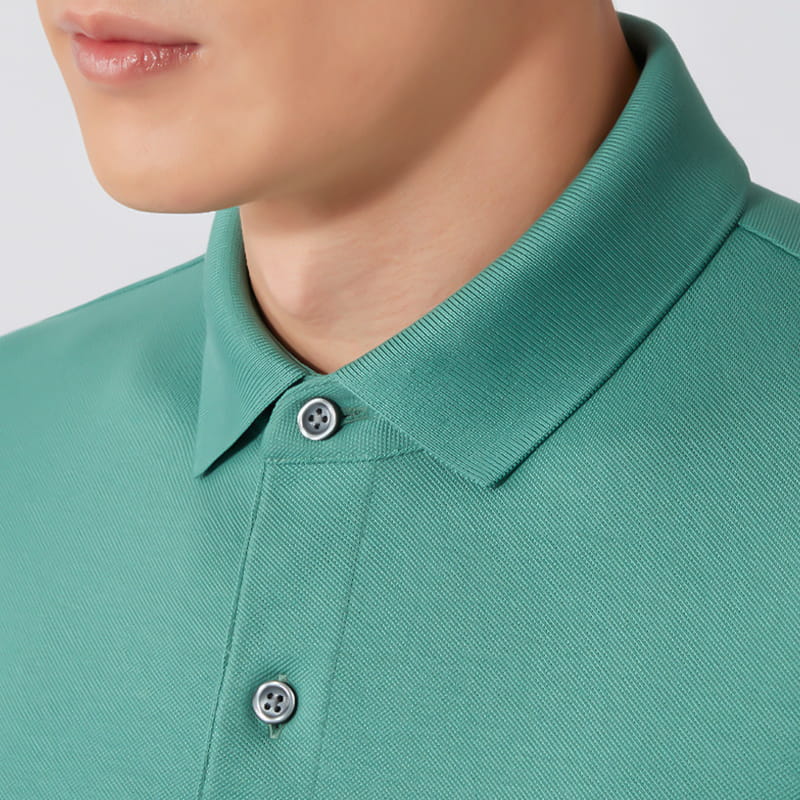
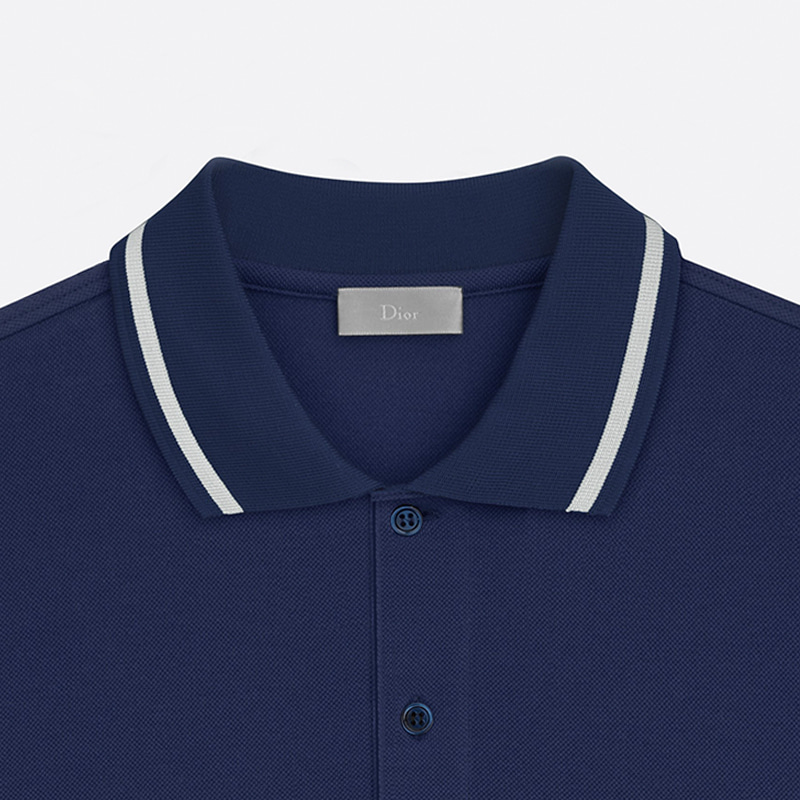
Polo shirt collars demand high stretch for easy dressing and fast recovery to keep the collar points flat. 1x1 rib is the better default for this purpose. Most standard men's polo collars use a 1x1 structure because it conforms around the neck without permanent stretching. A 2x2 collar feels heavier and does not snap back as quickly, which can leave the neckline stretched by midday.
Cuffs
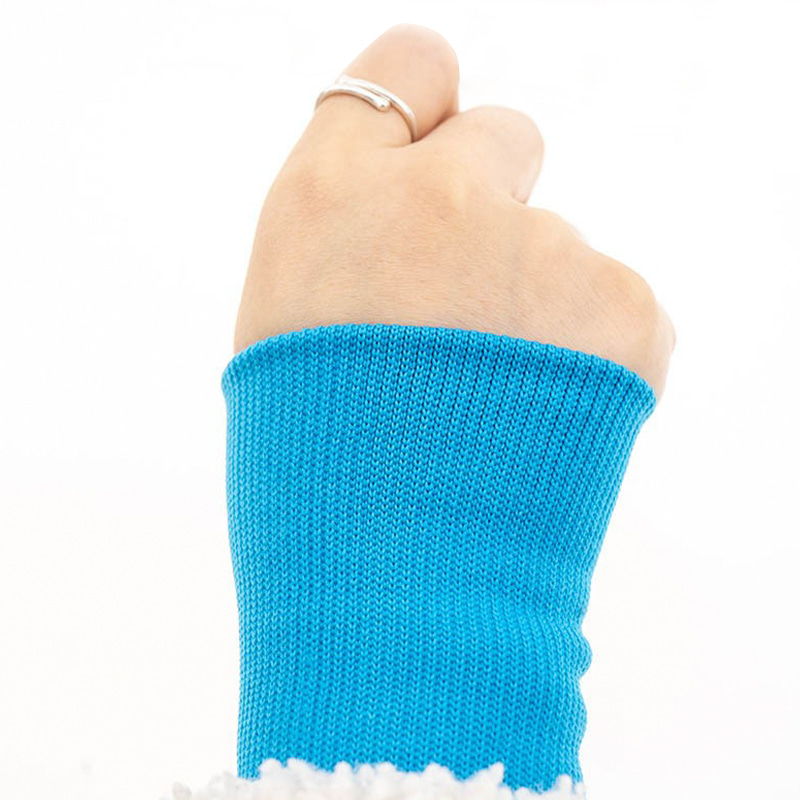
Sweater cuffs are pulled over the hand hundreds of times over the life of the garment. A 2x2 wool rib cuff offers the right balance of stretch, warmth, and durability. The thicker structure traps air and provides a firmer grip around the wrist.
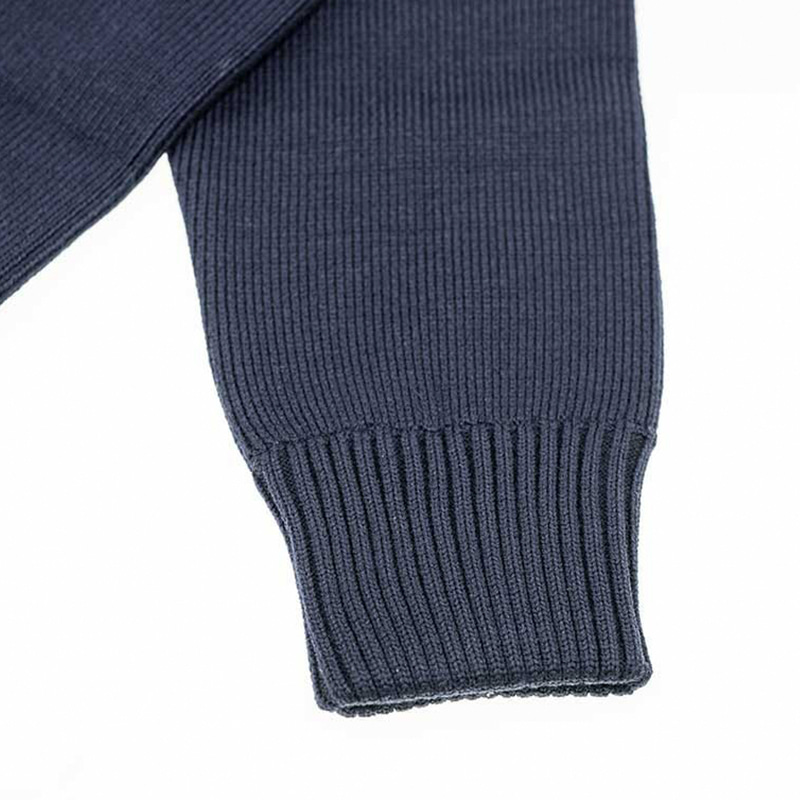 Tubular 2x2 Wool Rib Knit Cuffs for Sweaters and JacketsThese cuffs combine wool warmth with spandex stretch in a durable 2x2 rib structure, providing the firm grip and resilience needed for frequently pulled sweater sleeves.View Product →
For lightweight knit tops, a 1x1 cuff with spandex provides enough stretch and faster recovery. The garment weight should guide the choice. Lightweight tops look better with a fine cuff, while chunky cardigans and workwear jackets need the substance of 2x2.
Hems
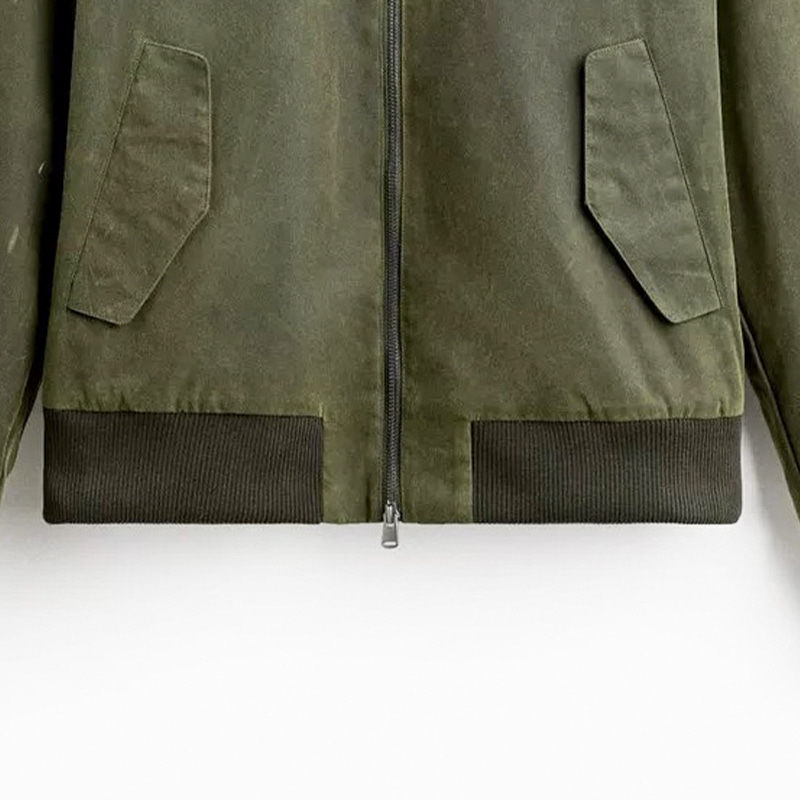
The hem of a jacket or sweater does not receive the same repeated deformation as a collar, but it must lie flat and keep its shape. A 2x2 rib hem with a tight knit structure provides stable, clean edges that resist rolling. For baseball jackets and heavy cardigans, the thicker 2x2 structure also adds visual weight. Lighter shirts may use 1x1 for a softer, less bulky hem.
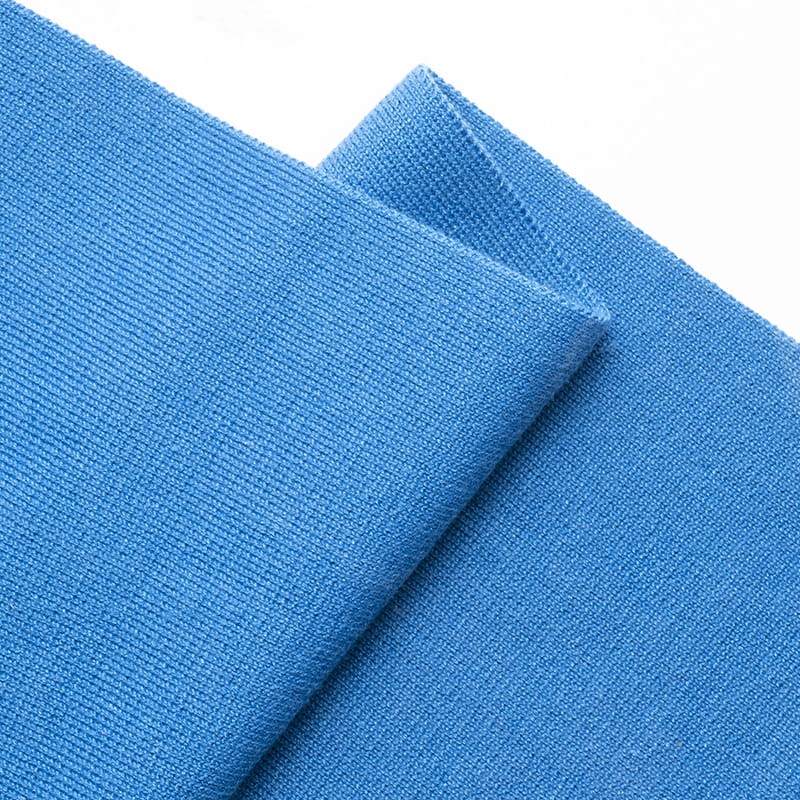 2x2 Ribbed Knit Plain Trim Material for Garment HemsMade with acrylic and spandex, this 2x2 ribbed trim offers a stable, stretchy edge that resists rolling, making it a reliable finish for hems on jackets and cardigans.View Product →
Yarn, Gauge, and Construction Variables
The structure determines the ceiling, but yarn and gauge determine the actual performance.
Spandex content is the largest variable. A 1x1 cotton rib without spandex recovers moderately. Add 3–5% spandex and the recovery improves dramatically. In 2x2 structures, spandex is almost essential for trims that need to return to their original shape.
Yarn count matters too. Fine yarns on a fine gauge produce trims that are lighter and more elastic per unit of thickness. Coarse yarns on a coarse gauge produce heavier, more durable trims with lower stretch. For the same nominal structure, a 2x2 trim knitted on a fine gauge feels completely different from one knitted on a coarse gauge.
Fiber selection also plays a role. Polyester and nylon contribute durable elasticity, while cotton and wool contribute comfort and absorbency. Blends are typical in production. The double-sided nature of ribbed fabric in the art of weaving makes it adaptable to a wide range of fiber combinations. Finishing matters as well: heat setting and compacting affect both stretch and recovery, and a well-finished 2x2 trim can outperform a poorly finished 1x1 trim.
Choosing the Right Structure for Your Production
Use 1x1 rib for collars, lightweight cuffs, and knit tops where high stretch and fast recovery are non-negotiable.
Use 2x2 rib for sweater cuffs, jacket hems, and heavy-knit trims where structure, thickness, and long-term stability matter.
Request performance testing if your quality standard includes specific stretch and recovery limits. A 30-minute recovery test after 100% extension is a common benchmark used by garment manufacturers.
Consider the trim in context. A heavy sweater with a delicate 1x1 cuff feels mismatched, while a light t-shirt with a thick 2x2 hem will not drape well.
| Application | Recommended Structure | Reason |
|---|---|---|
| Polo shirt collar | 1x1 rib | High stretch and fast recovery keep the collar flat |
| Lightweight top cuff | 1x1 rib | Fine appearance with elastic comfort |
| Sweater or jacket cuff | 2x2 rib | Thicker, warmer, and more durable under repeated pulling |
| Baseball jacket hem | 2x2 rib | Stable edge with visual weight |
| T-shirt hem | 1x1 rib | Soft, light, and nearly invisible |
Conclusion
1x1 rib offers higher stretch and faster recovery, making it the first choice for collars and lightweight trims. 2x2 rib provides a thicker, more stable structure with excellent long-term shape retention for cuffs and hems. Neither structure is strictly better.
The correct answer follows from your garment type, weight, and the performance your customers actually feel when they pull on a sleeve or fasten a collar. For sourcing teams, working with a manufacturer that produces both structures on controlled knitting equipment, and that can supply samples for testing, ensures the final trim matches the technical specification and survives the realities of daily wear.