 English
 Español
Content
When a polo shirt loses its collar shape after a few washes, the blame usually falls on the trim. Rib knit collars, cuffs, and hems are often the first components to show wear, yet they are the same components that determine whether a garment feels premium or disposable. If you are weighing materials for a new apparel line or updating your trim specifications, one material consistently demonstrates better performance across durability, recovery, and waste reduction — rib knit. This article explains why it earns its place in sustainable garment production, and what you should look for when sourcing it.
What Rib Knit Is and How It Works
Rib knit is a knitted structure where courses of stitches alternate between face and reverse loops, producing vertical ridges. This arrangement gives the fabric significant stretch across the width while maintaining a clean, flat surface on both sides. The most common constructions are 1x1 rib, 2x2 rib, tubular rib, and seamless rib — each offering a different balance of stretch, thickness, and drape.
Because rib knit naturally returns to its original shape after being stretched, it is especially well suited for opening edges of garments: necklines, sleeve cuffs, and waist hems. Unlike woven bands or cut-and-sew elastic, rib knit distributes tension evenly and conforms to the body without pinching or gathering unusually. This structural advantage is the foundation of its sustainability story.
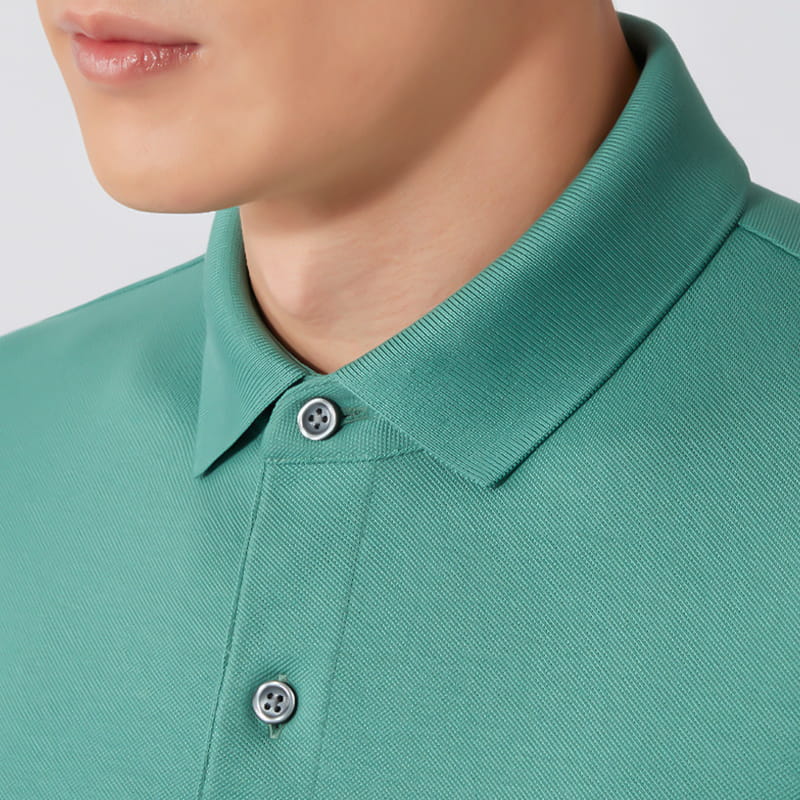
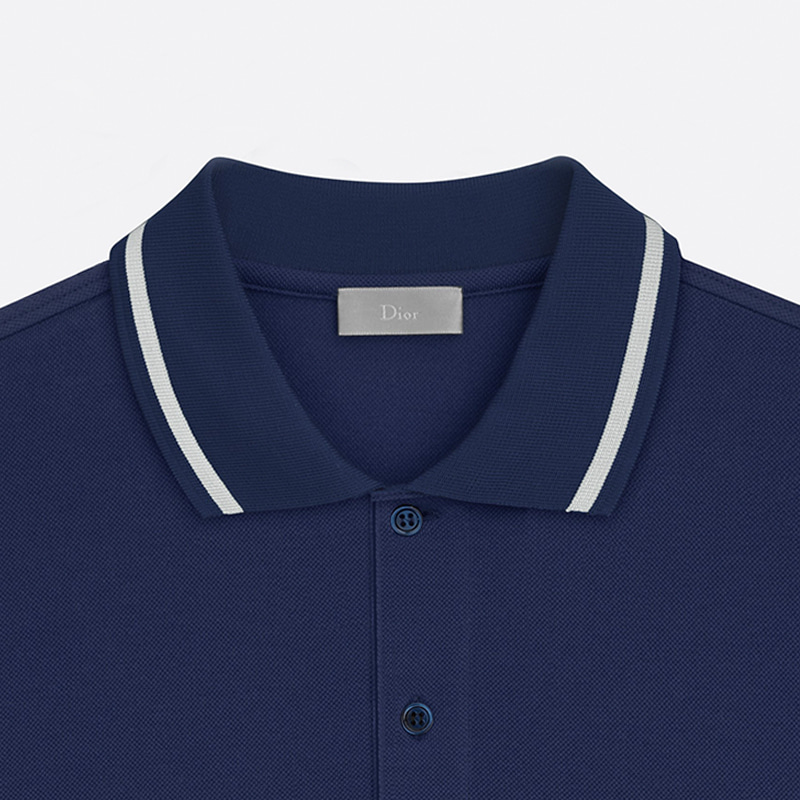 Men's Classic Polo Shirt with Ribbed Double Peak CollarThis polo shirt features a ribbed double peak collar in a 97% cotton and 3% spandex blend, offering breathability and shape retention for long-lasting wear.View Product →
For collars specifically, the ribbed double peak collar demonstrates how this structure supports long-term shape retention. A collar that resists curling or sagging helps a garment keep its intended silhouette, and that means fewer repairs and fewer early replacements.
Why Rib Knit Is a Sustainable Trim Choice
Sustainability in garment production goes beyond recycled polyester labels. It includes durability, repairability, and the ability to use fewer resources over the life of a product. Rib knit scores well on each of these counts.
Elastic Recovery Reduces Waste
A trim that loses elasticity quickly forces consumers to discard the garment prematurely. Rib knit, especially in 2x2 or tubular form, delivers reliable recovery through repeated stretching and laundering. This extends garment lifespan, which is a direct and measurable sustainability outcome — lower replacement frequency means fewer materials, less water, and less energy used per wear.
Fewer Finishing Steps
Rib knit does not require overlocking the edge in the same way as woven tape. Since it is knitted in finished tubular or flat form, it often eliminates additional cutting and sewing steps. That simpler process reduces fabric waste, thread use, and garment assembly time, which directly lowers the environmental footprint of production.
Versatile Fiber Blending
Rib knit can be made from cotton, viscose, recycled polyester, wool, and spandex blends. This flexibility makes it compatible with fiber strategies already in place for sustainable lines. A supplier who can spin a rib fabric with a lower share of virgin materials — or use certified recycled yarns — gives you an easier path to your sustainability targets.
How Rib Knit Trims Compare to Other Options
Understanding trade-offs helps you make an informed specification choice. The table below compares rib knit trims against woven elastic bands and cut-and-sew woven tape.
| Factor | Rib Knit Trim | Woven Elastic Band | Cut-and-Sew Woven Tape |
|---|---|---|---|
| Stretch | High, low to medium recovery | High, fast recovery | Low, limited stretch |
| Shape retention | Excellent | Good | Moderate |
| Waste in production | Minimal, knitted to size | Moderate, cut from rolls | High, frequent offcuts |
| Durability over time | High, resists sag and curl | Moderate, can stretch out | Good, but can ravel |
| Ease of matching with knit fabrics | Excellent, same knit language | Moderate, does not visually match knits | Low, visible mismatch |
Practical Considerations When Sourcing Rib Knit Trims
If you decide rib knit is the better path for your trim, the following purchasing criteria help you avoid costly mistakes and ensure the finished product performs as intended.
- Stretch and recovery rate: Verify the elongation percentage under standard load. A collar or cuff that stretches beyond 15% and returns slowly may feel loose after a few wear cycles.
- Rib construction: 1x1 rib offers a fine, classic look; 2x2 rib adds thickness and warmth; tubular rib provides seamless comfort. Match the construction to the end use.
- Composition: Check the fiber blend. A high spandex and synthetic content gives long-term stretch but may complicate future recycling. A predominant cotton or wool blend improves biodegradability on some levels.
- Width consistency: Rib knit trims should be produced within a tight tolerance. You can request width variation limits to minimize stitching adjustments on the assembly line.
- Edge quality: Examine whether the raw edge is neat or frayed, especially for open-ended rib. Poor edge quality increases napping and visible laddering in finished garments.
Custom Rib Knit Production: What a Supplier Must Provide
For a meaningful sustainability partnership, you need a supplier that controls both raw materials and behind-the-scenes quality processes. A competent rib knit partner should demonstrate a proven capability to run small batch trials, hold consistent widths, and deliver reliable bulk quantities.
When evaluating a manufacturer, look for a team that can advise you on the right structure for your garment — not just sell what is sitting in stock. Experienced factories usually operate several computerized flat knitting machines and can produce medium to high volume runs with repeatable quality. The ability to switch between different yarn compositions without losing width consistency is another strong sign of production discipline.
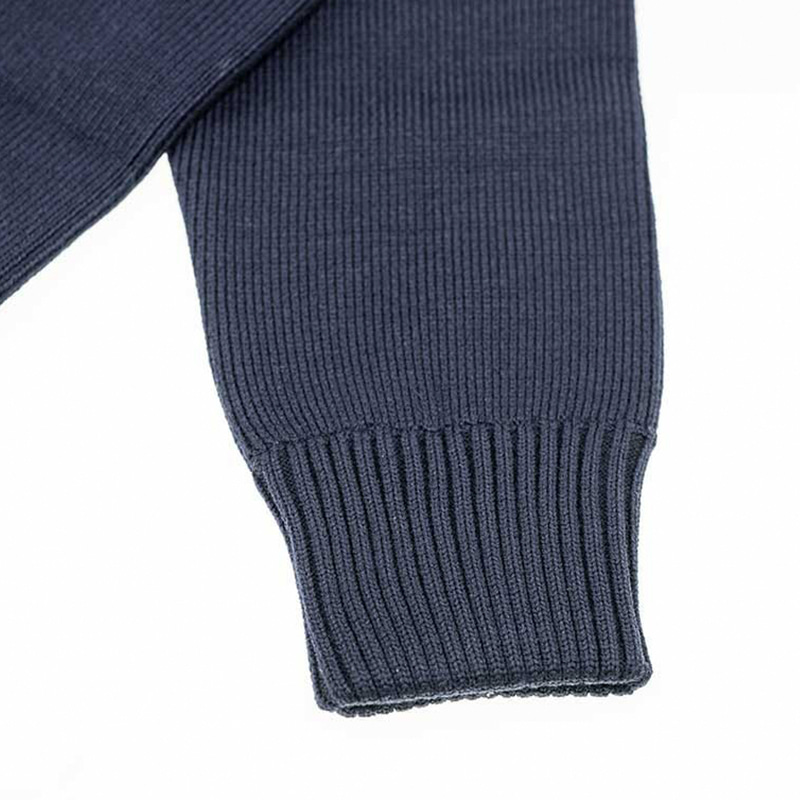
Ribbed fabrics offer specific performance advantages that make them, layer by layer, a smarter alternative for many construction challenges. For example, tubular 2x2 wool rib is prized for its durable, easy-care properties, making it a practical choice for jacket and sweater cuffs.
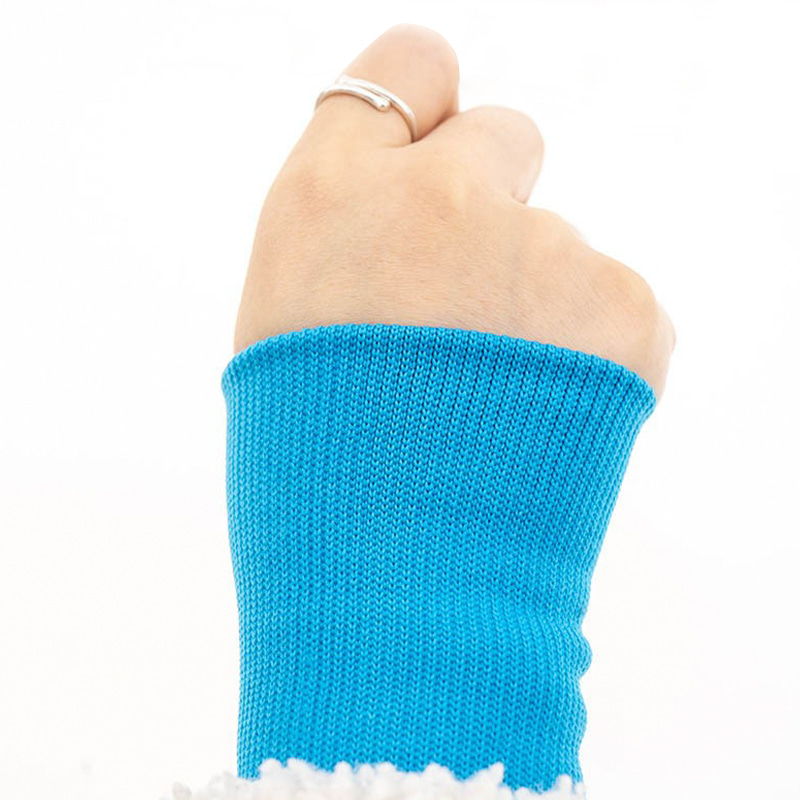 Seamless Ribbed Cuffs in Acrylic and SpandexThese seamless 2x2 ribbed cuffs combine 90% acrylic and 10% spandex for a stretchy, durable finish that provides a smooth, comfortable fit.View Product →
Seamless ribbed cuffs are a case in point. They can be knitted exactly to the required circumference, which means the cuff is a finished piece straight off the machine. This lowers material waste dramatically and avoids the seam bumps that sometimes occur in traditional woven closures.
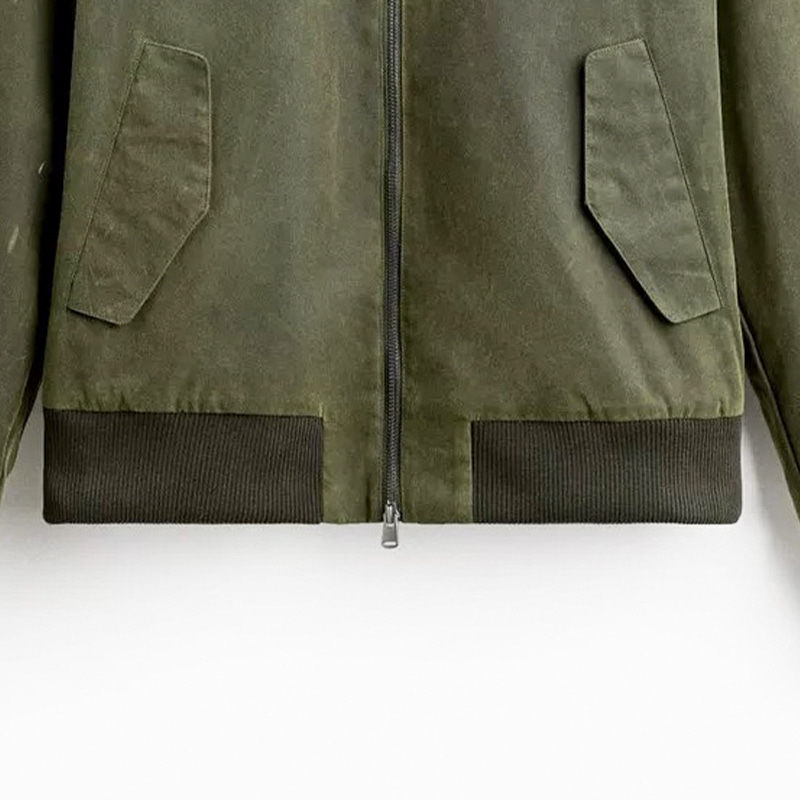
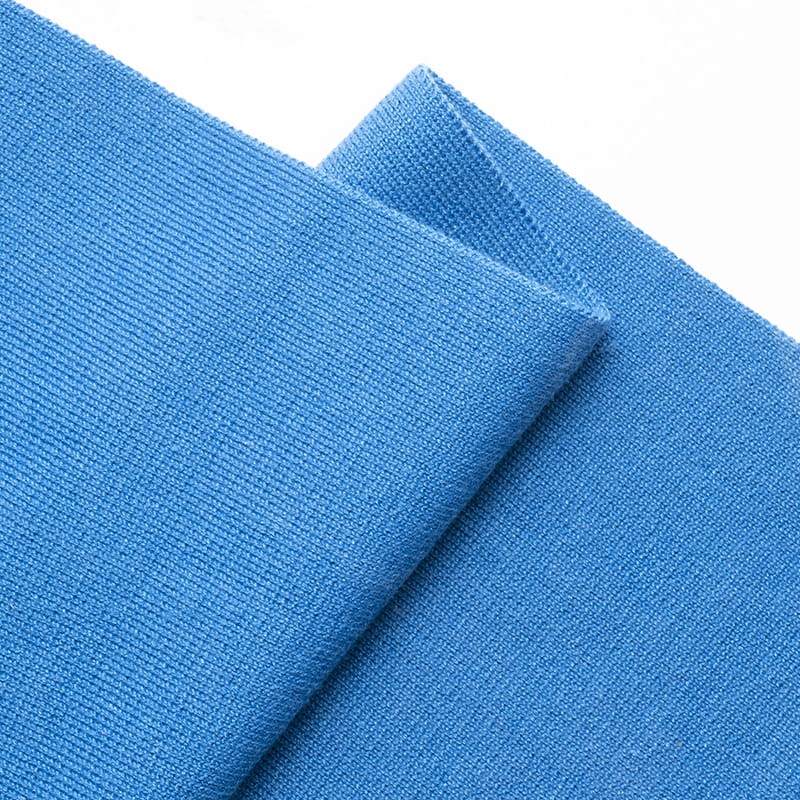 2x2 Ribbed Knit Trim for Garment HemsThis hem trim uses a 2x2 rib knit in 97% acrylic and 3% spandex, offering stretch and resilience to keep hems flat and maintain their shape over time.View Product →
Garment hems, often one of the largest trim components in a jacket, benefit from a 2x2 rib knit in polyester and spandex blends. A sturdy, plain rib hem provides a clean finish and helps prevent the hem from flipping out over time, which is a frequent issue with lighter fabric options.
Choosing Rib Knit for Long-Term Value
Across collars, cuffs, hems, and even waistbands, rib knit trim is without a doubt a viable and convincingly sustainable option for garment manufacturing. High elasticity, good shape recovery, minimal production waste, and efficient finishing make it a low-risk, high-value component in any sustainable apparel strategy.
When you work with a cost-effective rib knit supplier, ask about their ability to customise yarn blends and provide consistent dimensions across batches. Invest in samples and test wear cycles early to validate recovery; if you do, you will have an easier time delivering garments that last longer and reduce your overall environmental footprint per piece. With the right supplier, rib knit trims will not only meet your functional needs but also contribute measurably to your sustainability goals.
For further reading, explore how ribbed knit products span fashion and comfort, helping designers find solutions that are both practical and appealing in the final retail garment.