 English
 Español
Content
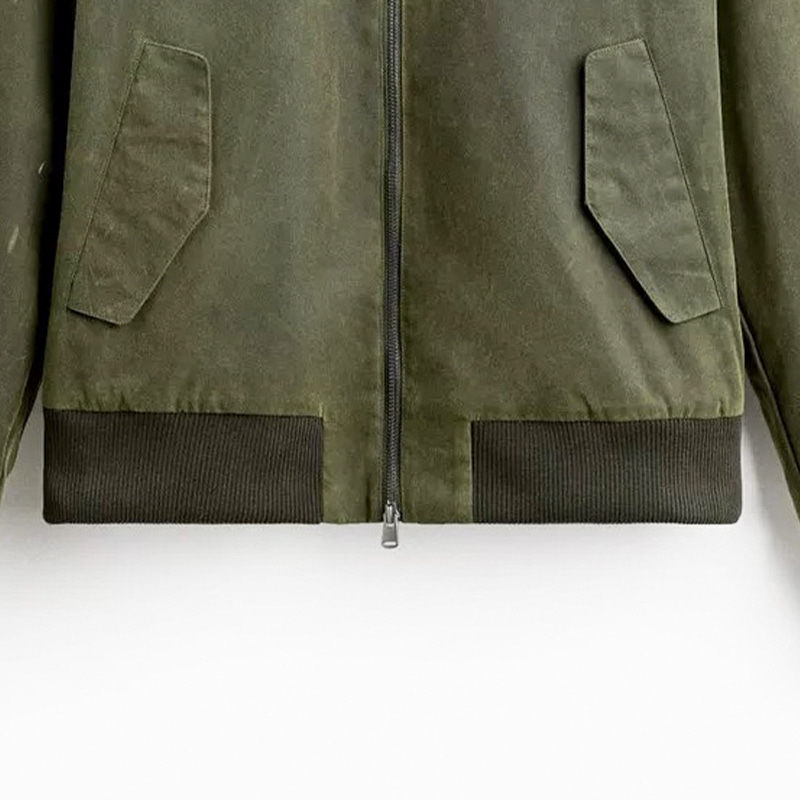
In the highly competitive world of garment manufacturing, the distinction between a premium product and an ordinary one often lies in the finest details—specifically, the quality of the accessories used in the construction. Among these, the Tubular Knitted Ribbed Cuff stands out as a critical component that defines the durability, aesthetics, and comfort of the final apparel. Whether applied to jackets, sweatshirts, trousers, or sportswear, the ribbed cuff provides the necessary elasticity to ensure a snug fit while maintaining the garment's shape over time. Unlike cut-and-sewn options, tubular knitted cuffs are produced in a continuous seamless tube, offering superior structural integrity and a cleaner finish. As fashion trends evolve towards higher quality and longevity, manufacturers and designers are increasingly prioritizing these specialized cuffs to meet consumer demand for functionality without sacrificing style. Understanding the technical nuances, material compositions, and manufacturing capabilities behind these cuffs is essential for any business looking to elevate its product line in the global market.
Understanding the Tubular Knitted Ribbed Cuff
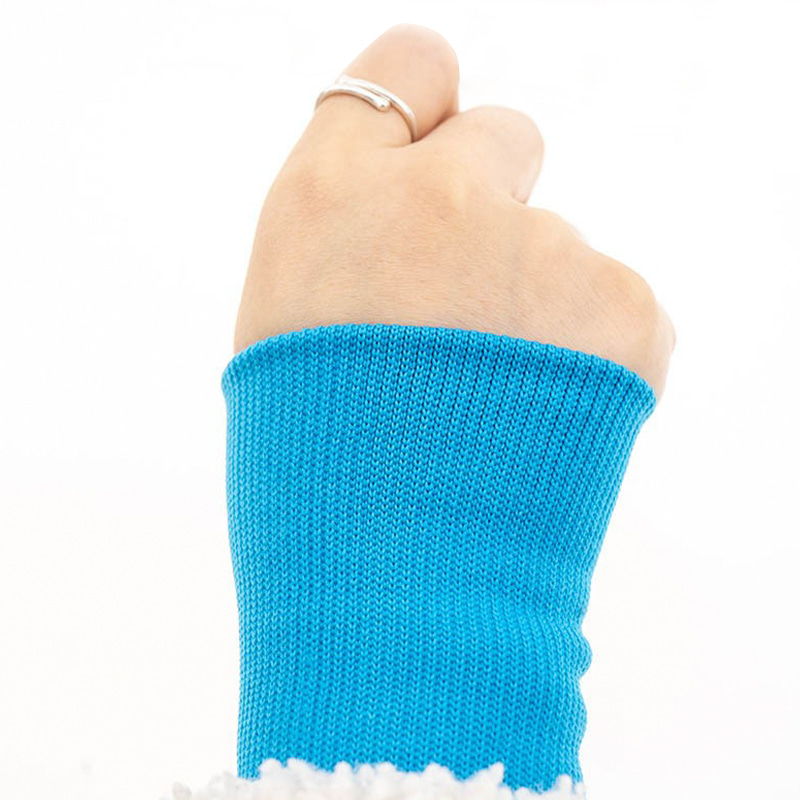
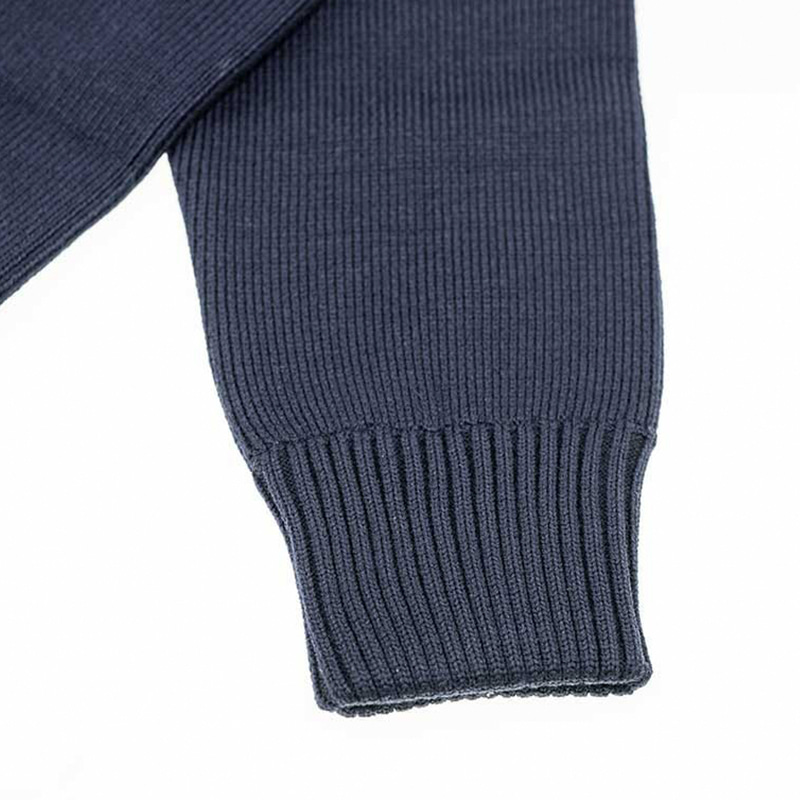
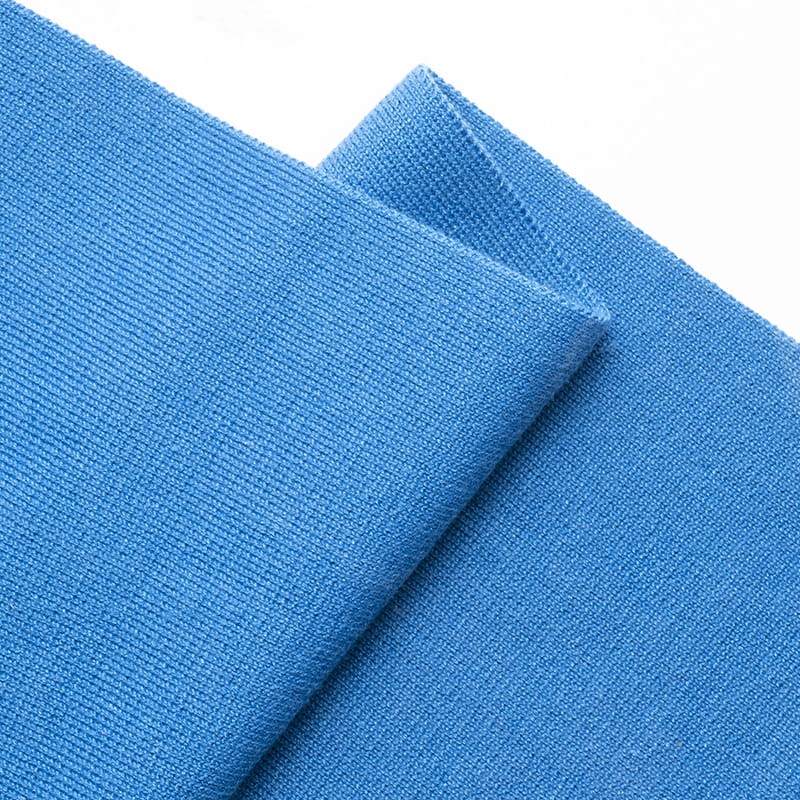
The Tubular Knitted Ribbed Cuff is a specialized textile component designed to provide stretch and recovery at the extremities of garments, such as wrists, ankles, and waists. The term "tubular" refers to the construction method where the fabric is knit in a continuous circle or tube, eliminating side seams that can cause irritation or structural weakness. Ribbing refers to the textured pattern of alternating raised and lowered rows, which allows the fabric to stretch crosswise and retract back to its original shape. This dual-directional elasticity is crucial for cuffs that must withstand repeated pulling and stretching during daily wear. The quality of these cuffs is determined by the gauge of the knitting machine, the tightness of the stitch, and the quality of the yarn used. High-quality ribbing maintains its elasticity even after multiple washes, ensuring that the sleeves or pant legs of a garment do not become loose or baggy over time. This reliability is what makes tubular ribbing a preferred choice for high-end fashion and performance sportswear alike.
Structure and Manufacturing Excellence
The manufacturing of a high-quality Tubular Knitted Ribbed Cuff requires precision engineering and advanced machinery. The process involves knitting yarns into a double-layered fabric that creates a reversible texture, often visible as 1x1, 2x2, or 2x1 rib patterns. These numbers indicate the sequence of knitted and purled stitches, with 1x1 being the finest and most elastic, and 2x2 offering a chunkier, more defined rib look. The excellence in manufacturing is achieved through computerized flat knitting machines that can control tension to the minutest degree, ensuring uniformity across thousands of meters of fabric. This uniformity is vital for large-scale garment production where consistency is key. Furthermore, the tubular construction reduces raw material waste during the cutting process, as manufacturers do not need to trim selvedge edges, making it a more efficient and sustainable option for accessory production.
The Role of German Knitting Technology
The integration of advanced technology is pivotal in producing elastic ribbed knit cuffs with consistent density and stretch. Leading manufacturers utilize computerized flat knitting machines imported from technologically advanced regions, such as Germany, to achieve the highest standards of production.
| Technology Feature | Computerized Flat Knitting | Traditional Mechanical Knitting |
| Precision | High (Programmable tension) | Variable (Manual adjustment) |
| Pattern Complexity | ||
| Production Speed | Faster and automated | Slower, labor-intensive |
| Defect Rate |
Material and Design Variations
Selecting the right material for wholesale tubular rib cuffs is a decision that impacts the hand feel, performance, and care requirements of the final garment. While the structure of the ribbing dictates the stretch, the material dictates the comfort and durability. Manufacturers must consider factors such as moisture-wicking capabilities, thermal insulation, and skin sensitivity when choosing yarns. In the current market, there is a significant shift towards natural fibers blended with high-performance synthetics to offer the best of both worlds. This versatility allows garment producers to source specific types of cuffs tailored to the needs of their collection, whether it is lightweight summer activewear or heavy winter outerwear.
Advantages of wholesale tubular rib cuffs
Sourcing wholesale tubular rib cuffs offers apparel manufacturers significant economic and logistical advantages. Purchasing these components in bulk ensures a consistent supply chain, reducing the risk of production halts due to material shortages. Furthermore, wholesale suppliers often provide a vast array of stock options, enabling designers to find ready-made solutions that fit their specifications without the lead times associated with custom mill runs. This is particularly beneficial for fast-fashion sectors where speed to market is critical. Beyond speed and availability, wholesale sourcing often comes with tiered pricing structures, significantly lowering the unit cost and improving the overall profit margin for the clothing brand. By establishing relationships with reliable wholesale partners, manufacturers gain access to a steady stream of high-quality ribbing that meets international safety and quality standards.
Cost-Effectiveness for Bulk Orders
The economic model of buying wholesale tubular rib cuffs is designed to support large-scale production efficiency. The cost savings are derived from optimized production runs and reduced material handling.
| Purchasing Factor | Wholesale Bulk Order | Retail/Small Batch |
| Unit Cost | Significantly Lower | High |
| Customization Fees | Inventory Management | Color Consistency |
The Superiority of elastic ribbed knit cuffs
The defining characteristic of elastic ribbed knit cuffs is their ability to endure repetitive stress without losing shape. Elasticity in knitted fabrics is achieved through the interplay of the yarn's inherent stretch and the structural memory of the knit stitches. High-quality cuffs often incorporate a small percentage of spandex or elastane fibers blended with the main yarn (such as cotton or polyester). This addition enhances the recovery power of the cuff, ensuring that it snaps back to its original size after being stretched over the hand or foot. This "recovery" quality is the hallmark of superior elastic ribbing; inferior cuffs will eventually bag out or become loose, compromising the garment's fit and appearance. For active-wear and uniforms, where freedom of movement is paramount, the durability of the elastic recovery provided by these cuffs is non-negotiable.
Stretch and Recovery Properties
Performance testing of elastic ribbed knit cuffs focuses heavily on stretch and recovery metrics. Engineers measure how much force is required to stretch the cuff and how effectively it returns to zero.
| Performance Metric | High-Performance Cuff | Standard Cuff |
| Stretch Percentage | High (100%+) | Moderate (50-70%) |
| Recovery Rate | Deformation after Wash | Longevity |
Benefits of cotton tubular knit cuffs
For manufacturers prioritizing natural comfort and hypoallergenic properties, cotton tubular knit cuffs are the industry standard. Cotton is a breathable, natural fiber that feels soft against the skin, making it ideal for baby clothing, underwear, and casual wear. Unlike synthetic fibers which can trap moisture and heat, cotton absorbs perspiration, keeping the skin dry. Cotton ribbing also possesses a natural matte finish that is aesthetically pleasing and absorbs dyes well, resulting in rich, deep colors. Organic and sustainably sourced cotton options are increasingly available, allowing brands to cater to the growing market of eco-conscious consumers. The natural softness of cotton combined with the structured rib design provides a comfortable yet secure hold that does not pinch or irritate the skin.
Breathability and Skin Health
The choice of cotton tubular knit cuffs is often driven by health and comfort considerations. The natural structure of cotton fibers allows for superior air circulation compared to petroleum-based synthetics.
| Property | Cotton Ribbing | Polyester Ribbing |
| Breathability | High (Air circulates) | Low (Traps heat) |
| Skin Sensitivity | Moisture Wicking | Static Build-up |
Customization and Application
In an era where brand identity is paramount, the ability to offer custom knit ribbed cuffs provides a significant competitive edge. Customization goes beyond simple color matching; it involves selecting specific gauges, widths, and yarn blends to create a unique accessory that aligns perfectly with a brand's aesthetic and functional requirements. Leading manufacturers with advanced development capabilities can produce ribbing that matches exact Pantone colors, integrates multi-colored stripes, or utilizes unique fiber blends for specific performance attributes. This level of customization is essential for brands looking to differentiate themselves on the rack. It ensures that every component of the garment, down to the cuff, reinforces the brand's commitment to quality and attention to detail.
Creating Unique Solutions with custom knit ribbed cuffs
The process of developing custom knit ribbed cuffs begins with a deep understanding of the end-use of the garment. For instance, a heavy winter coat requires a thick, dense ribbing with high insulating properties, while a running jacket needs a lightweight, highly elastic cuff that wicks moisture. Custom solutions allow for the engineering of these specific properties. Manufacturers can adjust the yarn count (thickness) and the knitting gauge to achieve the desired weight and hand feel. Additionally, custom finishing techniques, such as mercerization for cotton or brushing for fleece, can be applied to further enhance the tactile experience. This bespoke approach ensures that the cuff is not just an afterthought, but an integral part of the garment's performance architecture.
Color and Gauge Variations
When ordering custom knit ribbed cuffs, the two most critical technical specifications are the gauge and the width. The gauge refers to the number of needles per inch, determining the fineness of the rib.
| Specification | Low Gauge (e.g., 3G, 5G) | High Gauge (e.g., 12G, 15G) |
| Appearance | Chunky, Bulky | Fine, Delicate |
| Warmth | ||
| Application | ||
| Flexibility |
Meeting International Standards
The capability to produce Tubular Knitted Ribbed Cuff that meets international standards is a testament to a manufacturer's quality control systems. This involves rigorous testing for color fastness, shrinkage control, and pilling resistance. Top-tier manufacturers often collaborate with internationally renowned fashion houses, adhering to their strict compliance requirements regarding restricted substances (such as AZO dyes) and labor practices. This level of scrutiny ensures that the finished components are safe for global consumption and consistent in quality across different production batches. Maintaining these standards requires continuous investment in quality assurance technologies and staff training, ensuring that every yard of fabric produced is worthy of bearing the labels of the world's leading fashion brands.
Serving Top Global Brands
Partnerships with leading global fashion brands act as a seal of quality for wholesale tubular rib cuffs manufacturers. These relationships are built on trust and the ability to deliver consistent quality at scale.
| Collaboration Aspect | Top Tier Manufacturer | Standard Supplier | ||
| Compliance | Adheres to global standards (OEKO-TEX) | R&D Capability | Consistency | Capacity |
Expertise at Jiaxing Zhapu Jilida Garment Accessories Co., Ltd.
Jiaxing Zhapu Jilida Garment Accessories Co., Ltd. stands as a premier entity in the garment accessories industry, recognized for its dedication to quality and extensive experience. Founded in 2002, the company has built a robust 18-year development history, amassing a wealth of knowledge in product development and production. Located in the Jiaxing Port District Venture Innovation Centre, the company benefits from a strategic geographic position that facilitates efficient logistics and distribution. Over the years, Jilida has established itself as a reliable partner for major international brands, maintaining cooperative relationships with top-tier fashion labels. Their commitment to excellence is evident in their substantial facility operations and the continuous expansion of their production capabilities to meet the growing demands of the global market.
18 Years of Innovation in Ribbing Production
With nearly two decades of operation, Jiaxing Zhapu Jilida Garment Accessories Co., Ltd. has transformed into a powerhouse in the production of Tubular Knitted Ribbed Cuff and other essential garment accessories. This longevity in the market is not merely a measure of time but a reflection of their ability to adapt to changing fashion trends and technological advancements. The 18-year history has allowed them to refine their craft, moving from basic production to the creation of sophisticated elastic ribbed knit cuffs that meet the exacting standards of high-end fashion. Their experience translates directly into reliability for their clients, offering peace of mind that comes with a supplier who understands the nuances of the industry.
Advanced Production Capabilities
Jilida's manufacturing infrastructure is designed for precision and scale. To ensure the highest quality of wholesale tubular rib cuffs, the company has invested heavily in state-of-the-art machinery. Their facility boasts a 2000 square metre production workshop and a separate 2000 square metre material warehouse, ensuring ample space for organized manufacturing and efficient inventory management. The backbone of their production line includes 20 sets of computerized flat knitting machines imported from Germany, representing the pinnacle of knitting technology. These machines allow for the intricate production of various ribbing styles with superior consistency. Complementing this, they operate more than 100 sets of domestic flat knitting machines, providing the flexibility to handle larger volume orders and diverse product specifications.
2000㎡ Workshop and Imported Machinery
The scale of Jilida's operations is a significant competitive advantage, enabling them to fulfill large orders for custom knit ribbed cuffs without compromising on delivery times. The integration of German technology with domestic manufacturing efficiency creates a robust production ecosystem.
| Asset | Specification | Production Advantage |
| Production Workshop | ||
| Material Warehouse | ||
| German Machines | ||
| Domestic Machines |
FAQ
What materials are used in Tubular Knitted Ribbed Cuff production?
Primary materials include cotton, polyester, wool, and blends of these fibers. High-performance cuffs often incorporate spandex or elastane for added elasticity. cotton tubular knit cuffs are popular for their softness, while synthetics offer durability and moisture-wicking properties.
Can I order Custom Knit Ribbed Cuffs in small quantities?
While many manufacturers specialize in bulk wholesale tubular rib cuffs, some facilities can accommodate smaller custom orders, especially if they have a diverse range of domestic machinery. However, custom dye colors and specific gauges usually require minimum order quantities to be cost-effective.
What makes Elastic Ribbed Knit Cuffs better than woven cuffs?
Elastic Ribbed Knit Cuffs offer superior stretch and recovery compared to woven cuffs. The knitted structure allows the cuff to expand significantly and return to its original shape without deforming, providing a comfortable fit that secures the garment effectively.
Are Cotton Tubular Knit Cuffs suitable for baby clothing?
Yes, cotton tubular knit cuffs are ideal for baby clothing. Cotton is a natural, hypoallergenic fiber that is gentle on sensitive skin. The tubular seam-free construction prevents irritation, ensuring maximum comfort for infants.