 English
 Español
Content
- 1 Introduction: The Charm and Core Function of the Ribbed Collar
- 2 A Beginner's Guide: Step-by-Step to Your First Ribbed Collar
- 3 Design Inspiration: Free Ribbed Collar Patterns and Resources
- 4 Rescue and Repair: Fixing a Stretched-Out Ribbed Collar
- 5 Material Matters: Choosing the Best Yarn for Durability
- 6 Cohesive Design: The Harmony of Collar and Cuffs
- 7 FAQ
Introduction: The Charm and Core Function of the Ribbed Collar
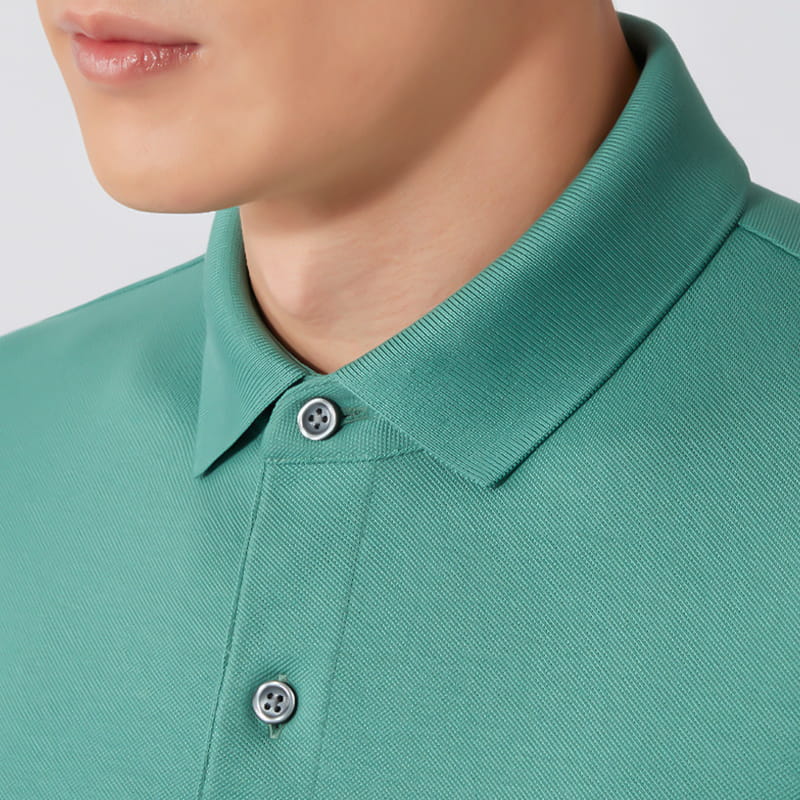
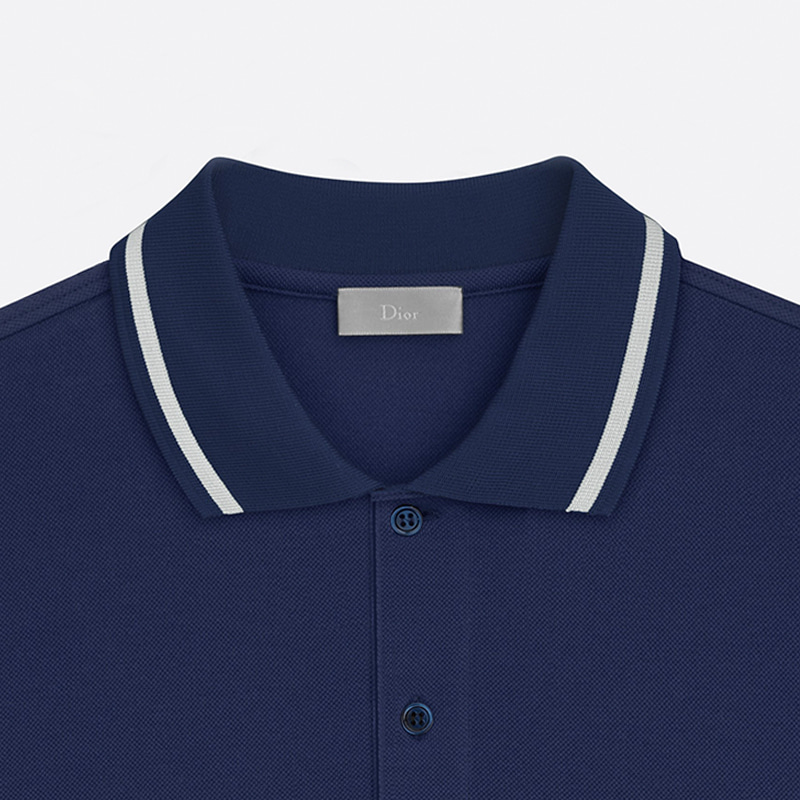
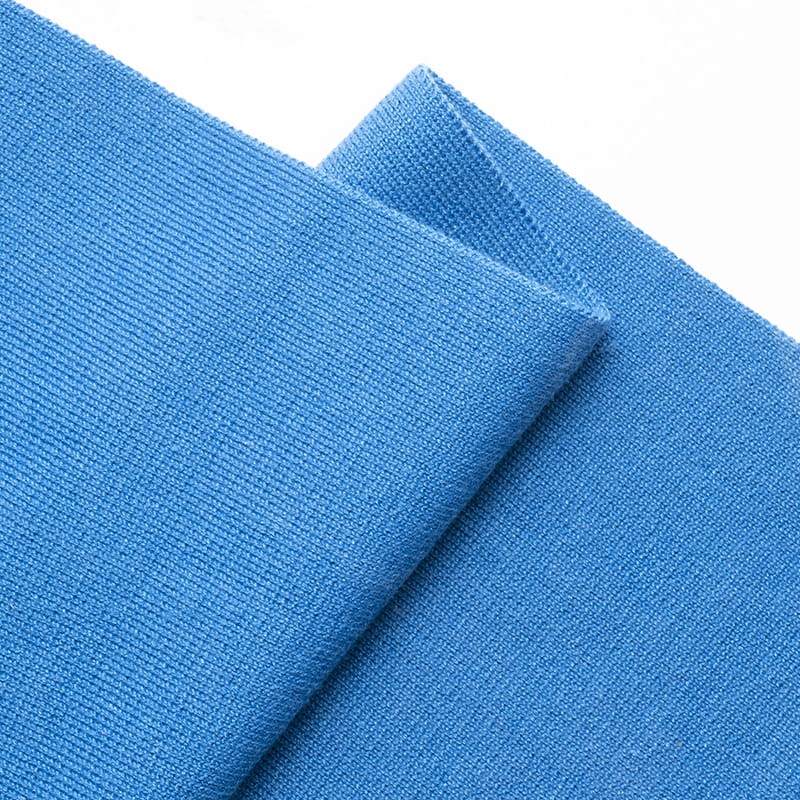
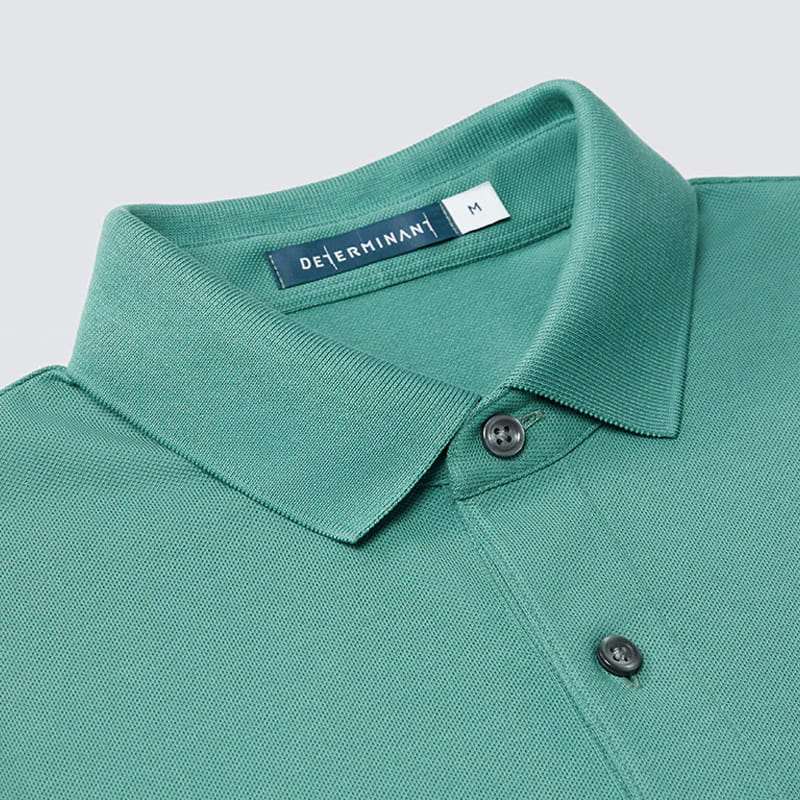
The knitted ribbed collar is far more than just a finishing detail on a sweater or cardigan. It serves as a foundational element that marries form with function, providing essential structure, stretch, and comfort. A well-executed ribbed collar hugs the neckline gracefully, retains its shape after countless wears and washes, and offers a comfortable fit that doesn't constrict. The secret lies in its distinctive rib stitch pattern, typically a combination of knit and purl stitches in columns (like 1x1 or 2x2), which creates its characteristic elasticity and texture. For knitters, mastering the ribbed collar is a rite of passage. For the garment industry, it represents a critical component of quality and durability. Achieving the perfect balance of elasticity, recovery, and aesthetic appeal requires not only skill but also an understanding of materials, techniques, and pattern design. Whether you are a hobbyist starting your first project or a professional seeking to understand the nuances of production, the journey to a flawless collar begins with appreciating its pivotal role in the overall garment's performance and look.
- Structural Integrity: Prevents the neckline from stretching out and losing its shape.
- Superior Comfort: The elastic nature allows the garment to be put on and taken off easily while sitting comfortably on the skin.
- Aesthetic Versatility: From classic crewnecks to turtlenecks, the ribbed finish provides a clean, professional look that complements various styles.
- Technical Foundation: The techniques used in a collar are often applied to cuffs and hems, creating a cohesive design language for the entire piece.
A Beginner's Guide: Step-by-Step to Your First Ribbed Collar
Embarking on knitting your first knitted ribbed collar can be incredibly rewarding. The process demystifies a key garment construction element and equips you with skills for many future projects. This guide will walk you through how to knit a ribbed collar for beginners step by step, focusing on clarity and foundational techniques. Before you begin, ensure you have the correct needle size (often slightly smaller than the body needles for a tighter knit) and a smooth, light-colored yarn to easily see your stitches. The first critical step is accurate measurement and gauge swatching to determine how many stitches to cast on. A common mistake is guessing, which leads to a collar that is either too tight or frustratingly loose.
- Step 1: Measure & Calculate: Measure the neckline edge where the collar will be attached. Knit a gauge swatch in your chosen rib pattern, measure how many stitches per inch you have, and calculate the total stitches needed for your desired neck circumference, subtracting a few stitches for negative ease to ensure a snug fit.
- Step 2: Casting On: Use a stretchy cast-on method, such as the long-tail cast-on or the tubular cast-on for a professional edge. This is crucial for the collar's ability to stretch over the head without breaking the yarn.
- Step 3: Establishing the Rib Pattern: Begin your established rib pattern (e.g., *K1, P1* for 1x1 rib). Place a stitch marker at the beginning of the round if knitting in the round. Consistency in your stitch pattern is key to an even texture.
- Step 4: Knitting to Length: Continue in the rib pattern for the desired height of the collar. For a standard crewneck, this is typically between 2.5 to 4 inches (6-10 cm). Regularly try it on or measure against the garment.
- Step 5: Binding Off: Use a stretchy bind-off method. A simple elastic bind-off involves knitting two stitches, then passing the first stitch over the second, but always knitting or purling the next stitch *before* passing over to maintain elasticity.
To help beginners visualize the differences between common rib patterns for collars, here is a comparison:
| Rib Pattern | Stitch Sequence | Best For | Elasticity Level |
| 1x1 Rib | *Knit 1, Purl 1* repeat | Standard crewnecks, high elasticity needs | Very High |
| 2x2 Rib | *Knit 2, Purl 2* repeat | A thicker, more pronounced texture | High |
| Broken Rib | Alternate rows of all knit and a rib pattern | A flatter, more decorative look with less curl | Medium |
Design Inspiration: Free Ribbed Collar Patterns and Resources
Once you've mastered the basics, the world of design opens up. Exploring different knitted ribbed collar patterns free download resources is an excellent way to find inspiration and challenge your skills. The right pattern can transform a simple sweater into a statement piece. For the home knitter, countless websites and communities offer free patterns ranging from simple folded collars to intricate cable-edged designs. When choosing a pattern, consider the garment's overall style, the yarn weight, and your skill level. A pattern provides more than just stitch counts; it offers a tested blueprint for success, including any special techniques for seamless joins or decorative transitions. For larger-scale production, pattern development involves precise engineering to ensure consistency, durability, and perfect sizing across thousands of units, leveraging specialized machinery to execute complex designs with flawless repeatability.
- Classic Standbys: The folded 1x1 rib collar and the simple 2x2 rib turtleneck are timeless and versatile patterns suitable for almost any project.
- Skill-Building Patterns: Look for patterns incorporating a tubular cast-on/bind-off for an ultra-professional edge, or patterns that integrate the collar seamlessly with a raglan or set-in sleeve.
- Decorative Variations: Explore patterns with twisted ribs, fisherman's rib (a brioche-like pattern), or collars that incorporate a subtle colorwork band.
- Technical Considerations: Advanced patterns will specify row counts for different sizes and may include instructions for short-row shaping to make the collar sit perfectly at the back of the neck.
Rescue and Repair: Fixing a Stretched-Out Ribbed Collar
Few things are more disappointing than a beloved sweater with a sagging, stretched out knitted ribbed collar. This common issue often stems from the collar bearing the brunt of stress when putting on and taking off the garment, combined with the gradual relaxation of fibers under their own weight. However, all is not lost. Knowing how to fix a stretched out knitted ribbed collar can breathe new life into your favorite knitwear. The approach depends on the severity of the stretching and the yarn fiber content. The core principle in most fixes is to reintroduce tension and encourage the yarn's memory to return to its original state through the controlled application of moisture, heat, or manual re-knitting.
- Prevention is Key: Always store knitwear folded, not hung. Gently hand wash and lay flat to dry, reshaping the collar while damp. Avoid pulling on the collar when dressing.
- The Steam Block Method: For moderately stretched collars made of wool or other animal fibers. Hold a steam iron or steamer several inches above the collar, saturating it with steam. Gently manipulate and pat it back to its original shape and size as it cools and dries. The heat and moisture reset the fibers.
- Re-Knitting the Edge: For severe stretching, the most durable fix is to re-knit the top portion. Carefully unravel the bind-off edge down to a round where the collar is still firm. Then, using a smaller needle size for added tightness, re-knit the final few rounds and bind off with a stretchy method.
- Adding Reinforcement: As a last resort or preventive measure for a weak collar, you can discreetly thread a thin, elastic clear thread (like sewing elastic) through the back of the stitches on the inside of the collar to provide hidden support.
Material Matters: Choosing the Best Yarn for Durability
The longevity and performance of your knitted ribbed collar are directly tied to your material choice. Selecting the best yarn for knitting a durable ribbed collar requires balancing several factors: fiber content, ply, twist, and elasticity. A collar must withstand significant mechanical stress and repeated stretching, so the yarn needs high tensile strength and excellent recovery—the ability to spring back to its original shape. A common pitfall is choosing a yarn that is too soft or single-ply for this high-wear area, which can lead to quick pilling and permanent deformation. For commercial production, yarn selection is a science, involving rigorous testing for pilling resistance, shrinkage, colorfastness, and cyclic stretch recovery to ensure the final product meets quality standards for global markets.
- Fiber Fundamentals:
- Wool & Animal Fibers: Naturally elastic with excellent recovery, especially merino and other fine wools. They respond well to blocking and shaping.
- Cotton & Linen: Inelastic fibers. While durable, they lack natural recovery and can stretch out permanently unless blended with elastic materials.
- Synthetic Blends (Nylon, Polyester): Add strength, durability, and often improve shrinkage resistance. A small percentage (5-15%) can significantly enhance a collar's lifespan.
- Elastane/Spandex Blends: The gold standard for maximum recovery in commercial knitwear. Even a 2-5% blend can make the collar incredibly resilient.
Consider this comparison of yarn characteristics for collar durability:
| Yarn Type | Key Durability Traits | Recovery | Ideal For |
| Merino Wool (Superwash) | Soft, strong, machine-washable | Very Good | High-quality hand-knits & garments |
| Wool/Nylon Blend (e.g., 75/25) | High strength, abrasion-resistant | Excellent | Socks, high-wear areas like collars/cuffs |
| Pima Cotton/Elastane Blend | Smooth, strong, added stretch | Good (due to elastane) | Lightweight, close-fitting summer knits |
| Acrylic/Wool Blend | Cost-effective, consistent, easy-care | Fair to Good | Budget-friendly and durable everyday wear |
Cohesive Design: The Harmony of Collar and Cuffs
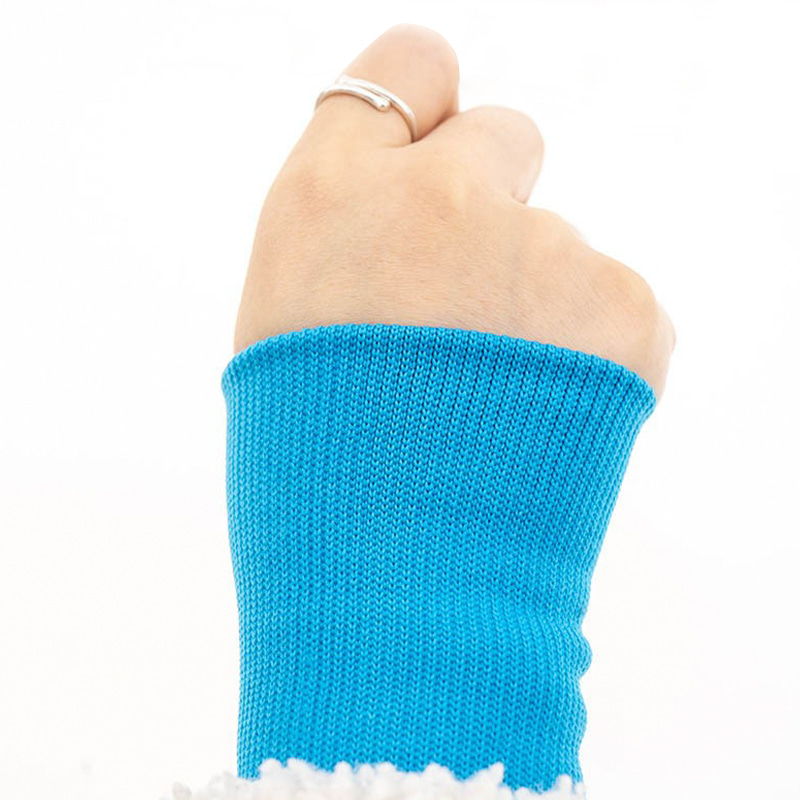
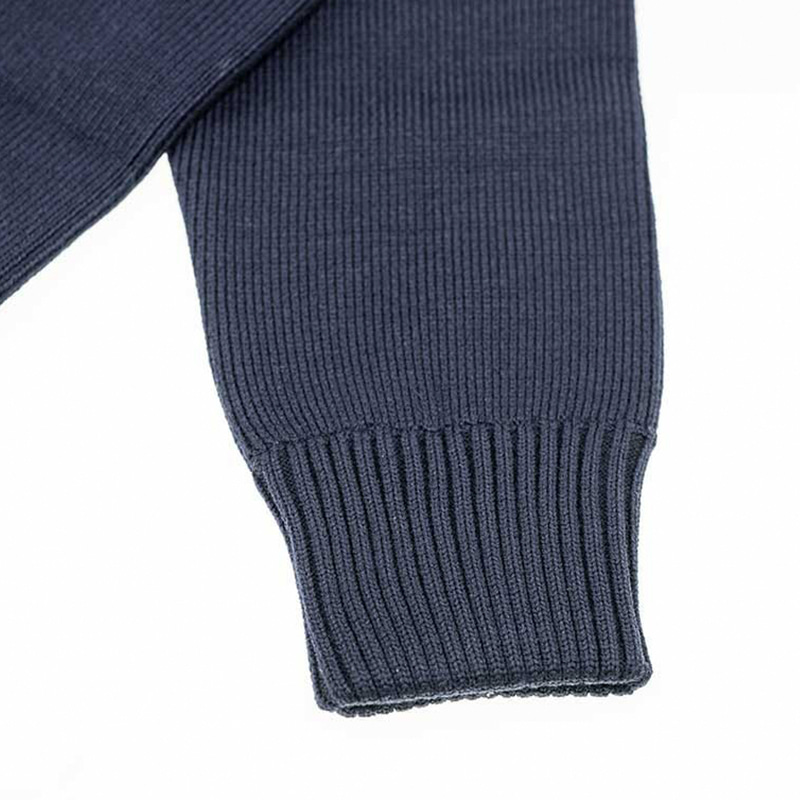
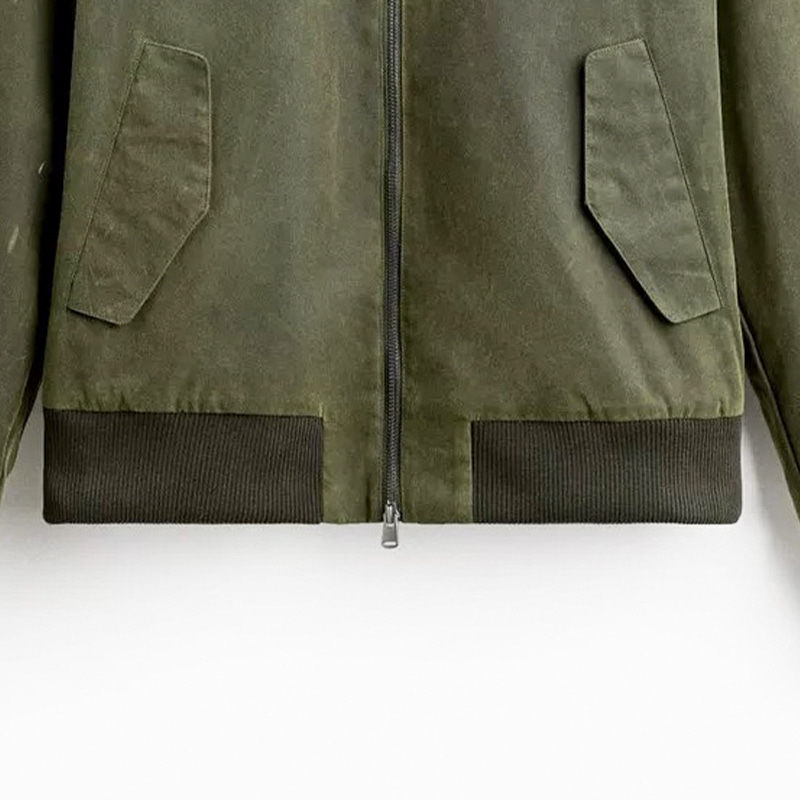
The classic silhouette of a knitted sweater with ribbed collar and cuffs design is a staple for a very good reason: it creates visual and functional harmony. This design approach ensures a uniform texture and tension at all the garment's critical edges, providing a balanced structure and a polished, intentional look. The ribbing at the cuffs and hem performs the same function as the collar—offering elasticity, fit, and preventing fraying or rolling. When designing or choosing such a sweater, attention must be paid to ensuring the rib patterns match not just in stitch type (e.g., all 2x2), but also in proportional height and tightness relative to the garment's body. This consistency is a hallmark of quality, whether in a hand-knit piece or industrially produced apparel.
- Functional Symmetry: The collar, cuffs, and hem work together to contain the garment's shape, creating a silhouette that is both fitted where it needs to be and comfortable.
- Visual Rhythm: Repeated ribbing elements create a rhythm that guides the eye and ties the design together, making it look professionally finished.
- Design Considerations: The depth of the ribbing on the cuffs and collar can be varied for stylistic effect—deeper ribbing lends a more casual, rugged look, while shallower ribbing appears more refined.
- Technical Execution: Achieving perfect consistency across thousands of garments requires precise gauge control, calibrated machinery, and standardized yarns to ensure every collar and cuff on every sweater has identical elasticity and appearance.
FAQ
What is the most stretchy and resilient rib stitch for a collar?
The 1x1 rib stitch (knit 1, purl 1) is generally considered the most elastic and resilient pattern for a knitted ribbed collar. Its high elasticity comes from the frequent alternation between knit and purl stitches, which creates a fabric that wants to contract back to its narrowest state. For even greater recovery in a hand-knit project, using a needle one or two sizes smaller than the body of the garment is recommended. In industrial production, this high level of consistent elasticity is achieved through precise machine calibration and often the inclusion of a small percentage of elastane in the yarn blend.
Can I use cotton yarn to knit a ribbed collar?
You can, but with important caveats. Pure cotton yarn has very little natural elasticity or "memory" compared to wool. A knitted ribbed collar made from 100% cotton is highly prone to stretching out permanently and losing its shape. If you desire the feel of cotton, opt for a cotton blend that includes a resilient fiber like wool (for hand-knitting) or a small percentage of elastane (common in commercial yarns). This addresses the key question of the best yarn for knitting a durable ribbed collar when a plant fiber is preferred, highlighting that blend composition is critical for longevity.
How do I prevent my hand-knit ribbed collar from rolling or flaring?
Rolling or flaring is often a sign of insufficient tension or an unsuitable stitch pattern. To prevent this:
- Use Smaller Needles: Switch to needles 0.5mm to 1.5mm smaller for the collar than you used for the body.
- Choose the Right Rib: A standard 1x1 or 2x2 rib is less likely to roll than a seed stitch or garter stitch edge.
- Consider a Folded Collar: Knitting a collar twice as long and folding it inward creates a double-thick, roll-resistant edge with excellent structure.
- Block Properly: After washing, aggressively pat and shape the collar to lie flat while it dries. This is a key step in many guides on how to knit a ribbed collar for beginners step by step.
My store-bought sweater's ribbed collar is stretched. Can I fix it without knitting?
Yes, you can attempt to fix it without re-knitting, which directly addresses the search intent behind how to fix a stretched out knitted ribbed collar. The most effective non-knitting method is steam blocking, as detailed earlier. For sweaters made of synthetic fibers (acrylic, polyester), extreme caution is needed as too much heat can melt the fibers. Use a lower steam setting and avoid direct contact. For wool, cashmere, or blends, steaming is very effective. Always test on an inconspicuous area first. If steaming fails, the only other non-knitting option is the discreet addition of a supportive elastic thread on the inside, which is a repair rather than a true restoration of the knit fabric itself.