 English
 Español
Content
- 1 First, the structural difference
- 2 The design value of plain rib: restraint that performs
- 3 The design value of jacquard rib: pattern built to last
- 4 Plain rib vs jacquard rib at a glance
- 5 Polo collars: start with plain rib
- 6 Sweater trims: match the structure to the stress
- 7 Sourcing decisions that affect both cost and design value
- 8 The bottom line
You are holding two trim samples for the same garment. One is a clean 1x1 rib with tidy vertical columns and an almost elastic snap-back. The other shows a woven-in geometric motif: a jacquard rib that invites a second look. Designers hit this fork on every polo collar and sweater trim decision. In short, plain rib adds design value through structure and fit, while jacquard rib adds it through pattern and texture. Which one you choose depends on where the trim sits, how much stretch it must survive, and what you want the customer to notice first.
First, the structural difference
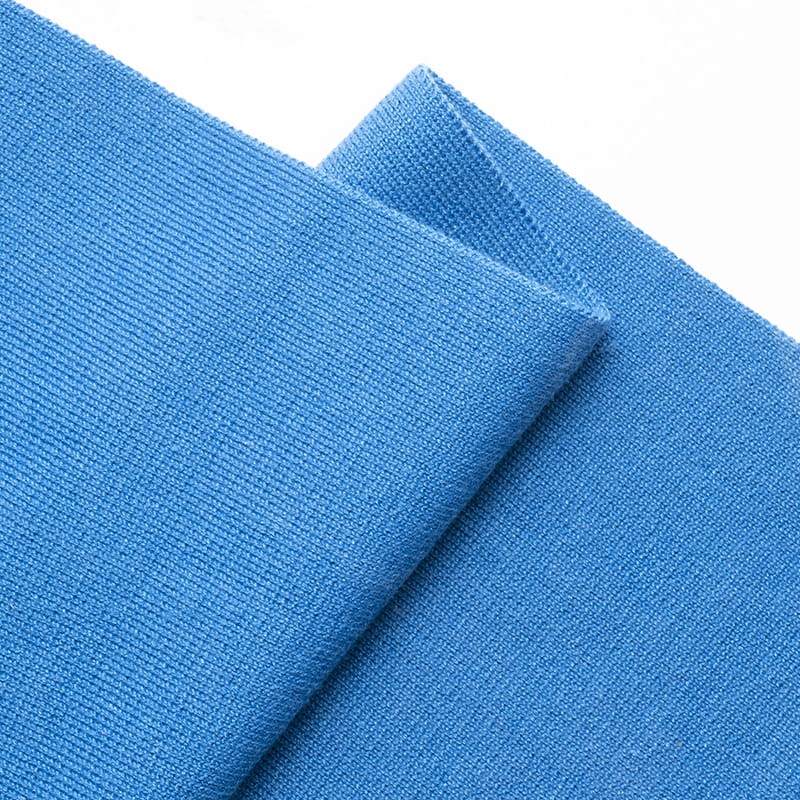
The difference between plain rib and jacquard rib is not cosmetic; it starts in the knitting machine. Plain rib alternates knit and purl stitches in a repeating sequence such as 1x1 or 2x2, producing vertical columns of stitches on both faces. Because the yarn zigzags between the faces, the fabric stretches widthwise and snaps back. That elastic behaviour is why plain rib has been the default for collar, cuff, and hem trims for decades.
Jacquard rib uses the same ribbed base but adds patterning. Additional yarns, colour changes, or stitch variations build a design directly into the structure. The pattern is not printed or embroidered; it is part of the knit. A letter jacquard polo sleeve panel, for example, carries the design in every stitch column, giving it a dimensional quality that printing cannot match. The trade-off is that patterned ribs are generally heavier and somewhat less elastic than plain ribs made from the same yarn.
The design value of plain rib: restraint that performs
Plain rib earns its place by subtraction. It does not compete with the main body fabric. On a solid-coloured polo, the ribbed collar frames the neckline without distracting; on a striped sweater, a 2x2 cuff continues the garment's rhythm instead of interrupting it. That visual discipline is itself a design position: quiet, classic, and easy to combine.
The functional case is just as strong. A collar is pulled over the head dozens of times per season and must return to its original width. A cuff is stretched every time the sleeve is pushed up. Plain rib's recovery comes from its structure, not from added elastic yarns, so it holds its shape wash after wash.
- Polo collars: double-peak and standard ribbed knit collars keep a tailored line.
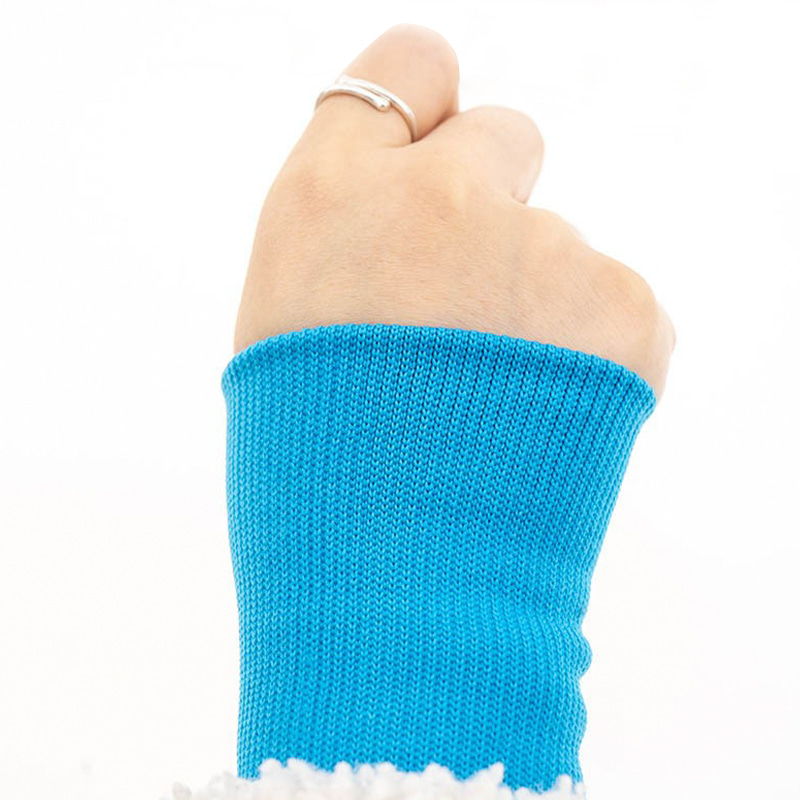
- Cuffs: seamless tubular ribs pull on smoothly and hold their width.
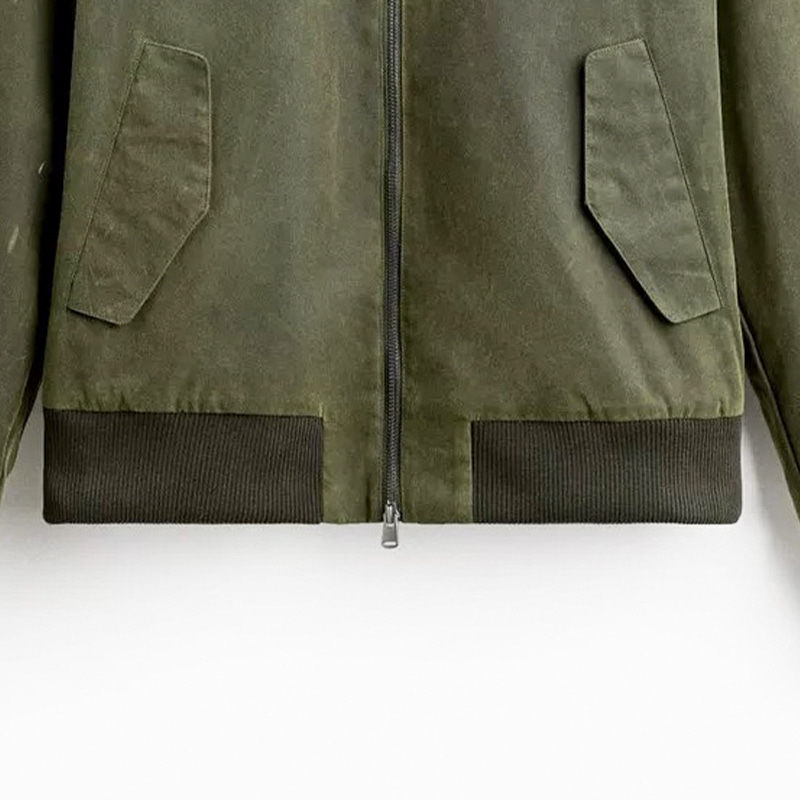
- Hems and waistbands: low-profile finishing that does not add bulk.
- Layering pieces: flat-lying trims under jackets read as precision.
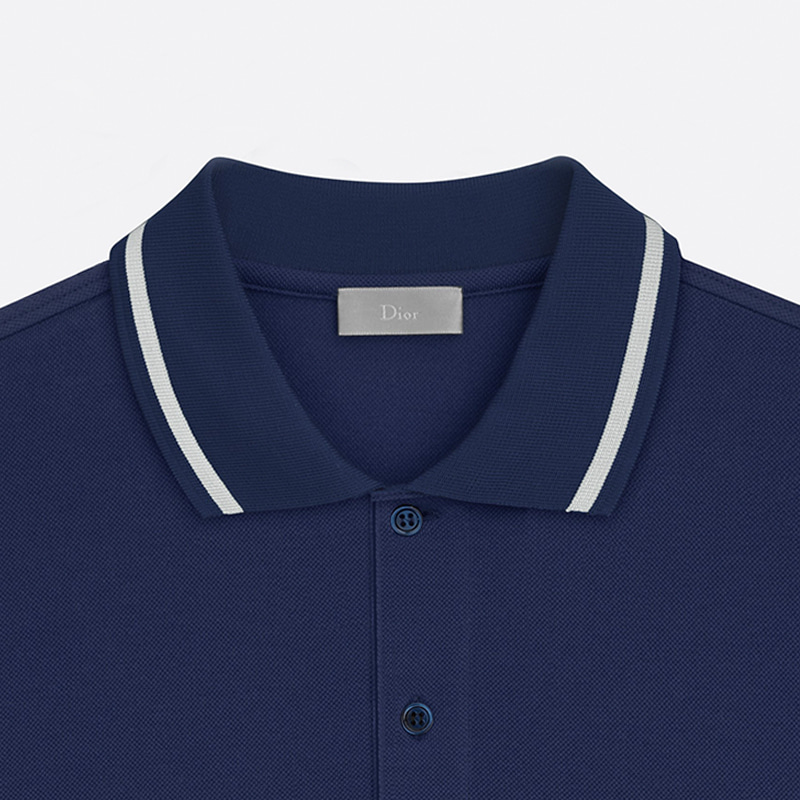
That is why classic polo collars are almost always plain rib. A structured collar with the right amount of stretch keeps the neckline area crisp and prevents gaping, and it can be produced in a knitted ribbed collar construction without the visual noise of a pattern.
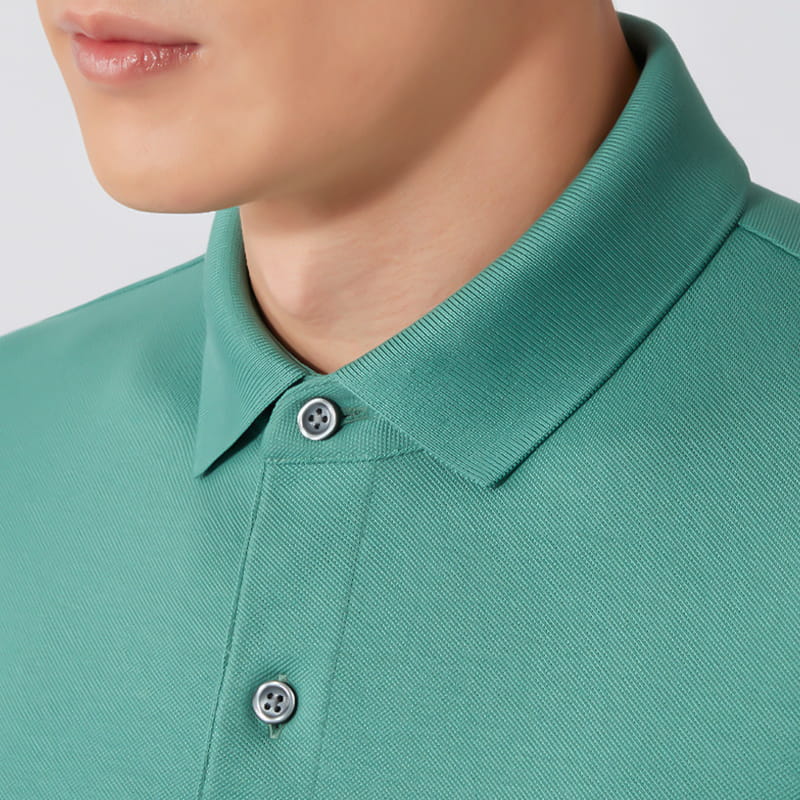 Ribbed Knit Collar for Men's Polo Shirts in Polyester-SpandexThis plain 1x1 ribbed collar prioritizes structure and stretch, keeping polo necklines crisp without patterned distraction. Its polyester-spandex blend resists deformation through repeated washing, making it a reliable choice for classic plain-rib trims.View Product →
The design value of jacquard rib: pattern built to last
Jacquard rib flips the equation: the trim becomes the story. A letter pattern on a polo sleeve or a geometric motif on a sweater hem makes the garment identifiable from across a room. Because the design is knitted in, it withstands abrasion, repeated washing, and sunlight. There is no peeling, no fading, and no surface wear. For brands that put logos or seasonal graphics on trims, jacquard is more durable than most printing or embroidery.
Jacquard also opens up texture. Hollow jacquard structures, 3D surface ribs, and multi-tone patterns change how light moves across the trim. In a fabric roll cut for sleeve panels or hem bands, that texture translates into a premium hand feel.
- Branded polo sleeves: letter jacquard reads as sportswear heritage.
- Sweater hems and pocket edges: a jacquard band frames the body.
- Contrast trims: multi-colour motifs without sewing on separate ribbons.
- Layered outerwear: textured trims add depth to solid shells.
If plain rib is the whisper, jacquard rib is the sentence. The design value shows in every stitch, but it comes with a higher cost per metre and more complex sampling. That trade-off matters when you multiply it across thousands of garments. Designers exploring this direction often start with a single branded trim, then expand the treatment once it proves itself in production, a route we traced in our note on how jacquard rib enhances fabric design.
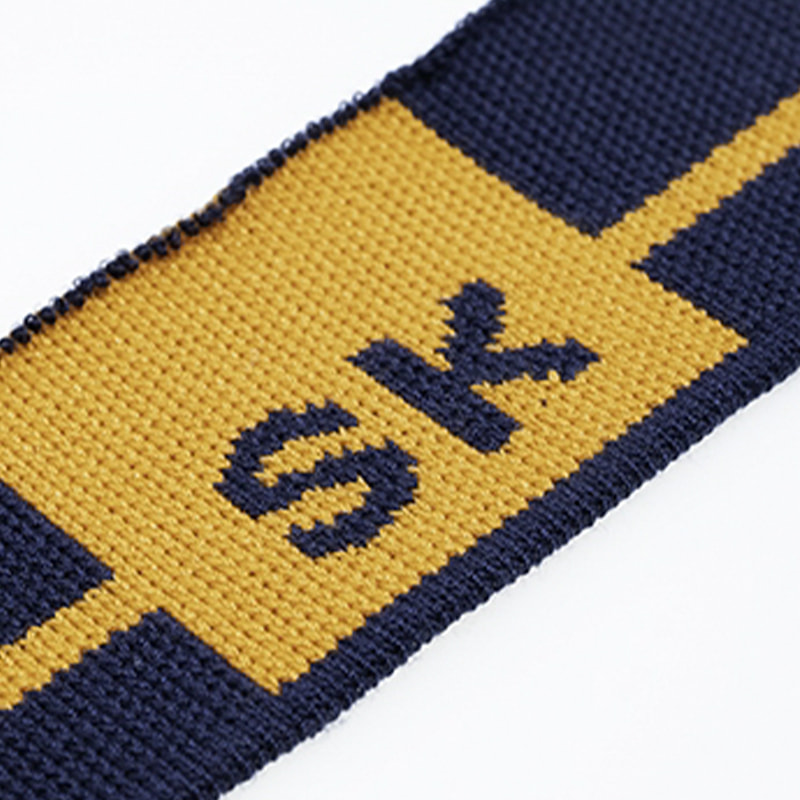 Letter Jacquard Ribbed Fabric for Polo Shirt Sleeves and HemsThis jacquard rib fabric knits letter motifs directly into the trim, offering durable branding that withstands abrasion and washing. With polyester and spandex, it balances visual impact with elasticity, suited for sleeves or hems where a patterned statement is intended.View Product →
Plain rib vs jacquard rib at a glance
The table below summarises the practical differences that matter most when you are comparing trim options.
| Factor | Plain Rib | Jacquard Rib |
|---|---|---|
| Surface design | Smooth vertical columns | Patterned, textured, or multi-colour |
| Elasticity | High, with excellent snap-back | Moderate, depends on pattern density |
| Weight | Light to medium | Medium to heavy |
| Cost per metre | Lower | Higher |
| Best trim applications | Polo collars, cuffs, hems | Sleeve panels, branded bands, decorative edging |
Use the table as a starting point, not a verdict. The same factory can produce both structures, so the real question is what the trim must do physically and visually in the finished garment.
Polo collars: start with plain rib
For polo collars, the conclusion is straightforward: plain rib is the safer foundation. A collar is a structural part of the garment. It holds the neckline, withstands repeated stretching, and must lie flat against the chest. A smooth double-peak or standard ribbed knit collar does all three without adding visual noise.
Can jacquard work on a collar? Yes, but selectively. A small keeper motif at the collar point or a brand mark lower on the placket avoids the stiffness that an all-over jacquard creates. If you want jacquard on a polo, the sleeve panel is the more forgiving location, because the sleeve band stays plain rib and keeps the stretch where it matters.
Sweater trims: match the structure to the stress
Sweater cuffs and hems are the most abused trims in a garment. They are stretched, rolled, and folded every time the sweater goes on and off. Plain rib, especially a tubular 2x2 wool structure, has the recovery to bounce back for years, which is why it is the workhorse for wrist, hem, and neckline ribs on pullovers.
Jacquard ribs on sweaters are best reserved for zones with less stretch demand: a decorative chest band, a pocket lip, or the bottom edge of a cardigan. When you do apply jacquard to a cuff, request a looser pattern density and test the recovery on a sample; dense motifs can turn a flexible trim into a rigid one.
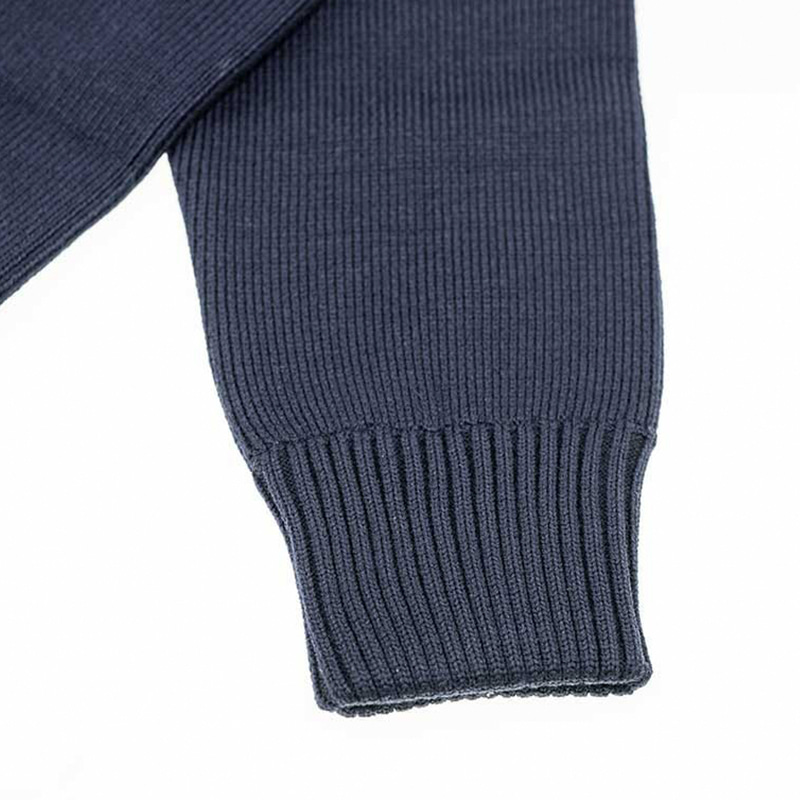 Tubular 2x2 Wool Rib Knit Cuffs for Sweaters and JacketsThese cuffs use a wool-spandex blend in a 2x2 rib construction to provide warmth, stretch, and recovery, extending from shoulder to cuff for a unified look. They suit garments needing snug, durable wrist trims with minimal rigidity.View Product →
Sourcing decisions that affect both cost and design value
Three practical factors often decide the argument before the sample room gets involved.
- Sampling speed: plain rib samples are quick to produce. Jacquard requires pattern programming and more rigorous testing, so plan an extra development cycle.
- Cost per piece: jacquard trims consume more yarn per metre and add machine time. Calculate the trim cost per garment, not per metre, before committing.
- Custom development: if you need a branded trim, work with a supplier that can knit letters or motifs directly into the rib. Combining a plain rib collar with a jacquard sleeve panel in one production run keeps sourcing simple.
When you source from a ribbed knit producer with both plain and jacquard capability, you can request both structures from one development team. That simplifies communication, quality control, and lead times, which matter as much to design value as the stitches themselves.
The bottom line
Plain rib adds design value through elasticity, restraint, and reliability. Jacquard rib adds it through pattern, texture, and brand presence. For polo collars and sweater cuffs, trims that must stretch and snap back, plain rib is the professional default. For visible zones like sleeve panels, hems, and chest bands, jacquard rib is the most effective way to make a design memorable.
The strongest strategy is rarely one structure alone. Use plain rib for the joints that work and jacquard rib for the surfaces that speak, and let each do the job it is best at.