 English
 Español
Content
- 1 What Custom Ribbed Garment Accessories Actually Cover
- 2 Sample Development: Four Checkpoints That Decide Bulk Feasibility
- 3 Rib Structure and Material Choices That Move Cost and Hand Feel
- 4 From Approved Trim Card to Bulk Production: Where Timelines Slip
- 5 Quality Gates for Ribbed Collars, Cuffs and Hems
- 6 How to Judge a Custom Ribbed Garment Accessories Supplier
- 7 Frequently Asked Questions About Custom Ribbed Garment Accessories
Ribbed trims are approved last and blamed first. On a 5,000-piece polo program, a 3 mm drift in collar point spread or a cuff that springs back 8% looser than the signed swatch is enough to hold a container at the port. Custom ribbed garment accessories live in that narrow gap between a sample that looks right on a meeting-room table and 20,000 pieces that must match it three months later.
The process below is the one that closes that gap: what to lock during sampling, which numbers belong on the trim card, and where bulk production typically loses tolerance.
What Custom Ribbed Garment Accessories Actually Cover
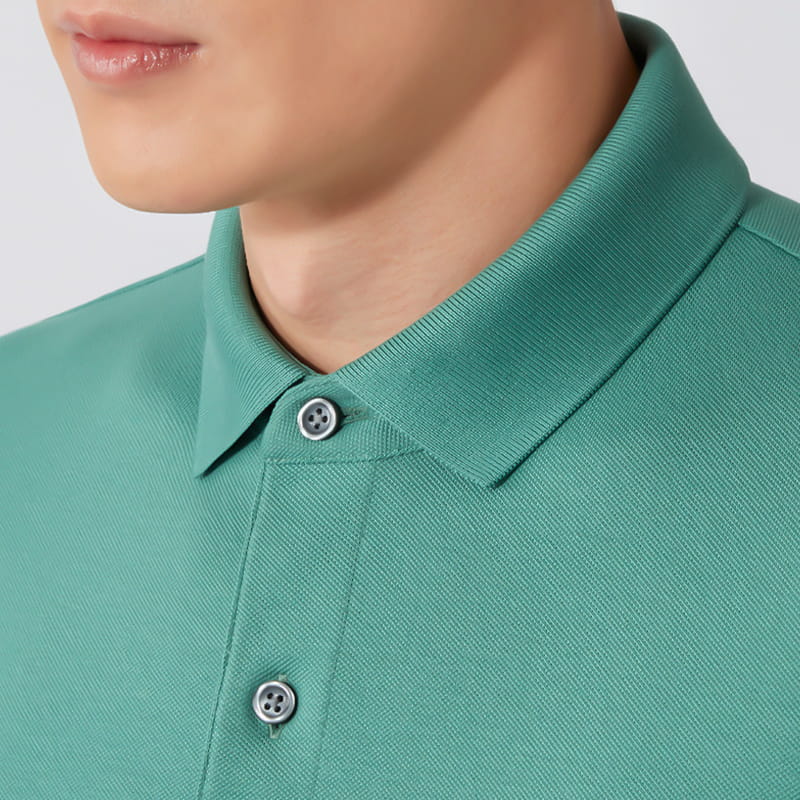
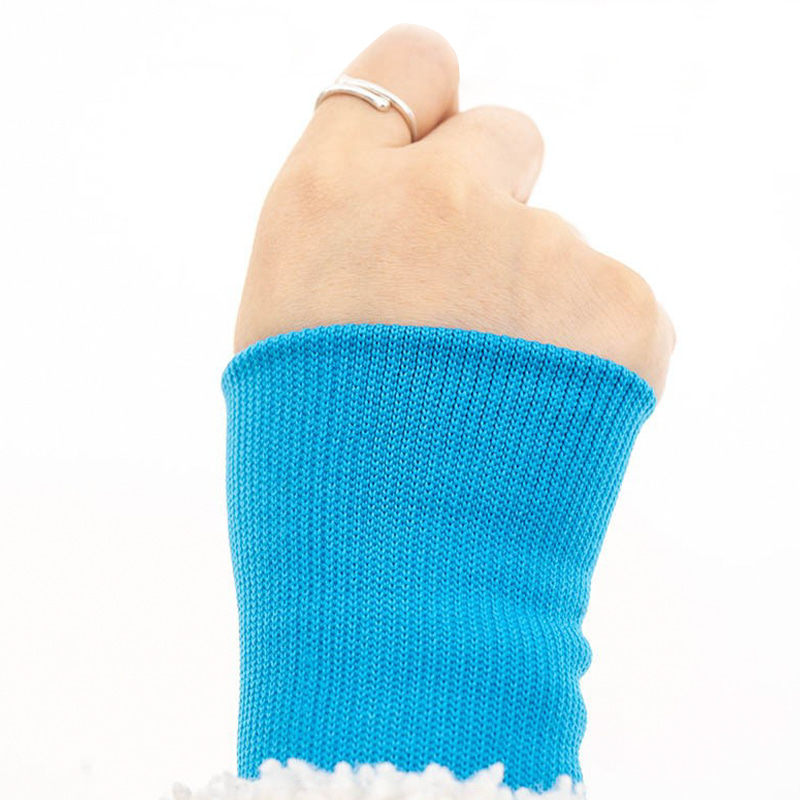
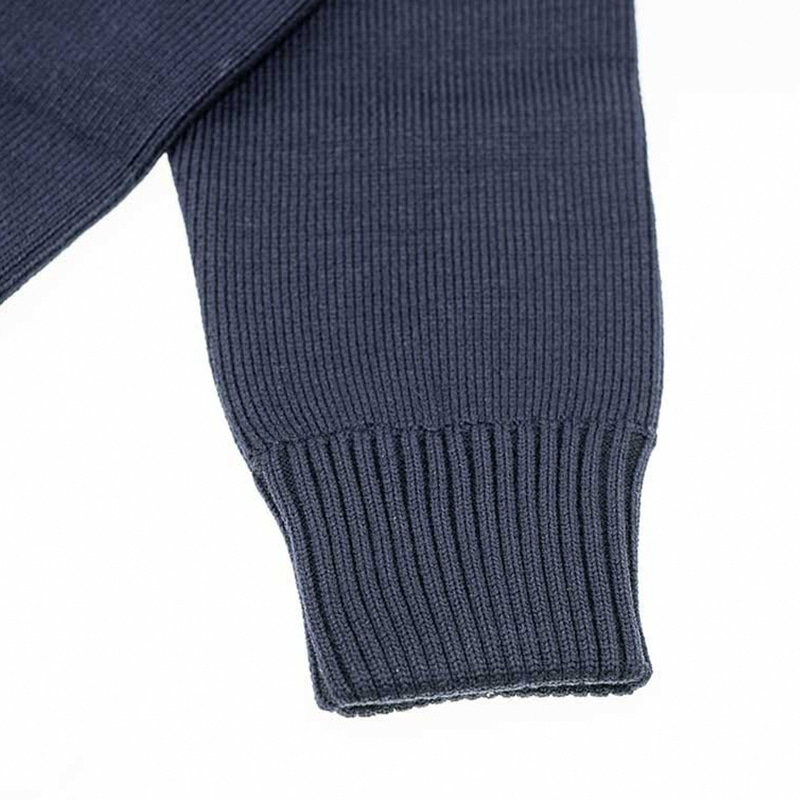
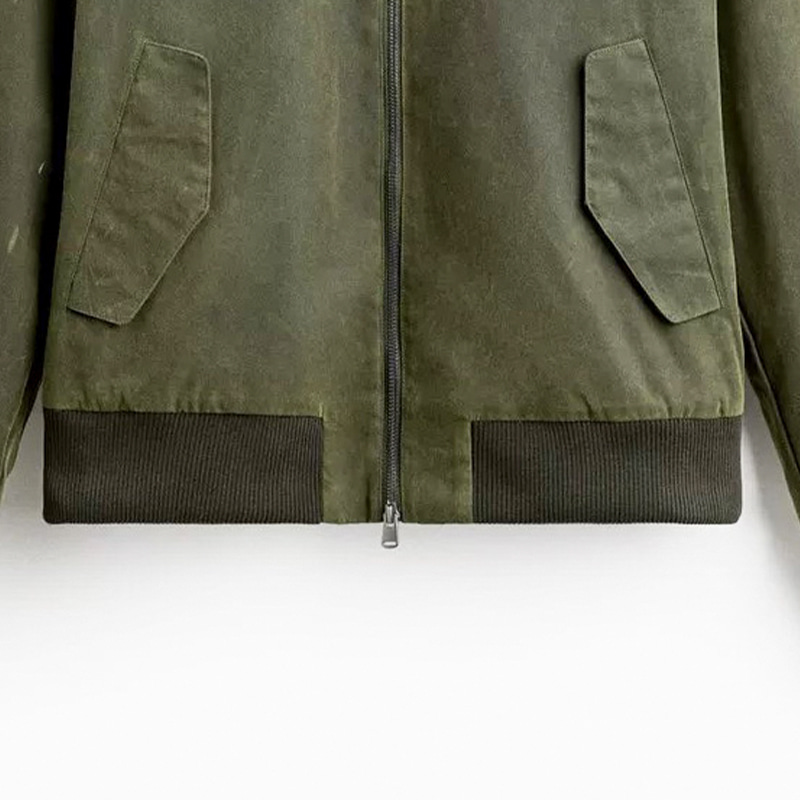
Custom ribbed garment accessories are knitted rib components, including collars, cuffs, hems, jacquard panels, drawstring waistbands and webbing, built to a finished garment's measurements instead of being pulled from a stock catalogue.
The category splits by garment position rather than by fabric name, and every position carries its own failure mode. Buyers who treat all rib as one commodity usually meet those differences for the first time in a bulk inspection report.
| Accessory | Typical structure | Common material | First failure in bulk |
| Polo collar | 1X1 or 2X2 rib, double peak | Cotton, poly-cotton | Point spread drifts, tips curl after pressing |
| Cuff | 1X1, 2X2, tubular seamless | Polyester-spandex, wool | Recovery fades after three washes |
| Hem | 2X2 thick rib | Cotton, poly-cotton | Band height varies piece to piece |
| Jacquard panel | Hollow rib, 3D texture | Acrylic, poly-spandex | Pattern distorts across the size break |
| Drawstring waistband | Ribbed webbing | Cotton, poly-cotton | Elongates under load, needle marks at the seam |
Because each of these parts is knitted to dimension rather than cut from roll goods, a small change in yarn count, gauge or spandex ratio shows up directly as a stretch difference. Understanding the stretch and recovery behaviour of ribbed fabrics is worth doing before the first swatch is even ordered.
Sample Development: Four Checkpoints That Decide Bulk Feasibility
Sample development decides whether a trim is producible or merely attractive, and only the first outcome survives bulk.
- Tech pack and yarn call. Lock gauge, composition, target weight (most trims sit between 180 and 320 gsm) and shrinkage allowance. A 2X2 wool cuff and a 1X1 polyester cuff can read identically on paper and knit 40% apart in cost.
- Swatch trial. Knit three to five metres and measure widthways stretch and recovery. A 1X1 polyester-spandex rib commonly stretches 80 to 110% and should return within 5% of its original width after a 30-second hold.
- Strike-off and wash test. Colour approval is half the job. Three home washes at 40 degrees should show under 5% length shrinkage and no shade shift, and that figure is built into the pattern rather than argued about later.
- Trim card sign-off. Photograph under D65 lighting, then record weight, thickness, stretch, recovery and yarn lot. Approving colour from memory is how shade steps reach bulk.
Rib Structure and Material Choices That Move Cost and Hand Feel
Structure sets hand feel and machine time; fibre sets durability, colour depth and price.
- Alternates one knit and one purl wale
- 60 to 100% widthways stretch, soft and light
- Fastest to knit, lowest material cost
- Fits polo necks, tee cuffs and light hems
- Alternates two knit and two purl wales
- 40 to 70% stretch, denser and more stable
- Holds shape through repeated washing
- Fits heavy hems, baseball jacket trims, sweater cuffs
Jacquard and hollow rib sit above both. Jacquard adds pattern and roughly 15 to 25% to knitting time because needle selection changes every course; hollow rib removes weight while keeping bulk, which is why it appears in breathable panels and 3D texture trims. Spandex content usually lands between 3 and 8%, enough to recover without feeling rubbery.
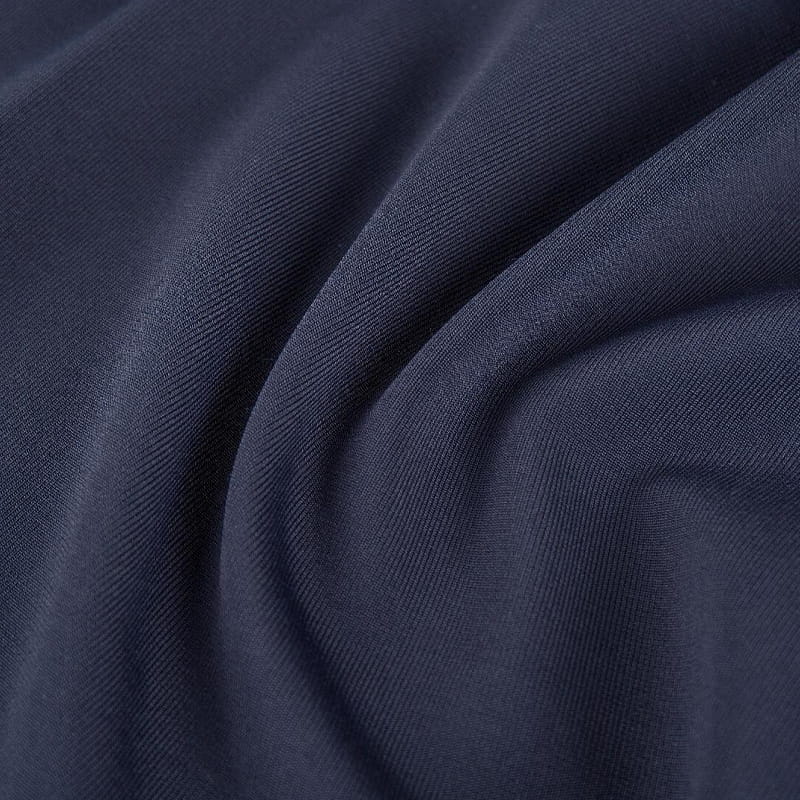 1x1 Ribbed Polyester Spandex Knit for Garment SewingLightweight 97% polyester/3% spandex rib knit offers controlled stretch, recovery and colorfastness for tights, leggings, activewear and repeat garment production.View Product →
From Approved Trim Card to Bulk Production: Where Timelines Slip
Bulk rib production rarely fails at the machine. It fails at the handovers, namely yarn approval, dye lot sign-off and the queue between sampling and bulk loading.
Two of those five stages depend on a buyer signature, and both sit before the machines. A trim card signed two weeks late pushes the entire knitting block, which is why production planners ask for approval dates before they quote a ship date.
Machine capacity alone is rarely the bottleneck. A plant running 200 computerized flat knitting machines can knit a cuff panel in minutes; yarn loading, changeover and lot segregation consume far more time than the knit itself. Consolidating colourways into fewer lots shortens a schedule more reliably than adding machines.
Quality Gates for Ribbed Collars, Cuffs and Hems
Three measurements catch most rib defects before a garment ever reaches a fitting table: widthways stretch, recovery and band height.
| Check | Method | Acceptance limit |
| Widthways stretch | 5 cm strip, 1 kg load, 30 seconds | Within 10% of the approved card |
| Recovery | Release and rest for 60 seconds | Returns within 5% of original width |
| Band height | Measure three points per piece | Within 2 mm across the piece |
| Shade | D65 light box against the trim card | No visible step between lots |
| Wale skew | Plumb line on a flat panel | Under 3 mm over 30 cm |
| Hand feel | Paired comparison with the signed swatch | No measurable difference |
Collars carry an extra check that no table captures: tip behaviour after pressing. A collar can measure perfectly and still curl at the point, which is why pressing trials belong in sample development rather than in final inspection.
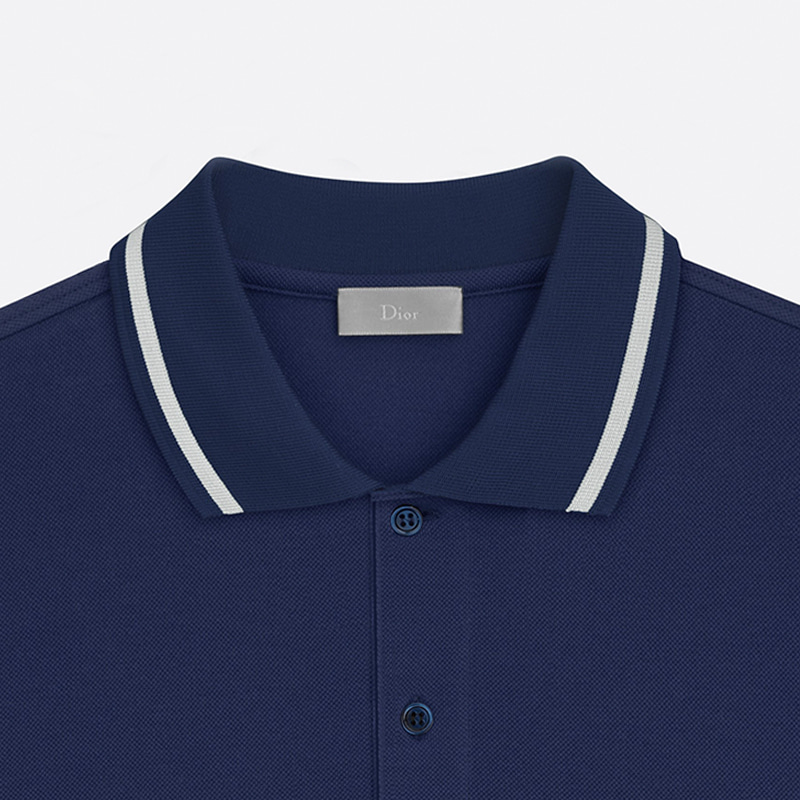 Ribbed Double Peak Collar for Men’s Classic Polo ShirtsCotton-rich 1x1 rib collar with controlled stretch, flat internal seams and double peak shaping for polo shirts, uniforms and business casual programs.View Product →
Drawstring waistbands need the same discipline. Webbing elongation under load is measured, not assumed, and the drawstring channel is checked for needle marks before it reaches a laundry wash.
 Cotton Ribbed Webbing Drawstring for Waistbands and LoungewearSoft 100% cotton ribbed drawstring offers adjustable fit and breathability for loungewear, pajama and sweatpants waistbands, with gentle washing care.View Product →
How to Judge a Custom Ribbed Garment Accessories Supplier
Ask for the machines and the trim cards, not the brochure.
Jiaxing Zhapu Jilida Garment Accessories Co., Ltd. has knitted rib in Jiaxing since 2002 and now runs a 4,000 sqm production floor alongside a 2,000 sqm material warehouse, with 200 machines in operation and 80 imported computerized flat knitting machines among them. The plant exports to overseas buyers and has supplied A&F, H&M, Uniqlo and Zara. Its ribbing accessories range covers collars, cuffs, hems, jacquard panels, drawstring webbing and finished knit accessories such as beanies, gloves, scarves and pet sweaters.
- Does the line that knits the swatch also knit bulk?
- Can the supplier show a signed trim card from a live order?
- Is jacquard knitted in-house or subcontracted?
- How are yarn lots segregated and traced after dyeing?
Frequently Asked Questions About Custom Ribbed Garment Accessories
How long does sample development take for custom ribbed garment accessories?
Two to four weeks for most trims. Swatch knitting takes three to five working days, dyeing and strike-off add seven to ten, and one counter sample round is standard. Add roughly a week for each revision cycle.
What causes rib cuffs to lose stretch in bulk?
Almost always a yarn or spandex variance between the sample lot and the bulk lot, or heat set at too high a temperature during finishing. Testing widthways stretch from the same yarn lot isolates the cause in a single measurement.
Should shrinkage be built into the trim or the garment pattern?
Into the trim specification first. Trims are knitted to a pre-shrunk dimension and then verified after three washes; if a trim still moves more than 5%, pattern allowance cannot compensate without distorting band height.
What is the minimum information a trim card must contain?
Composition, yarn lot, gauge, weight in gsm, finished dimensions with tolerances, widthways stretch, recovery, shrinkage after three washes and a D65 photograph. Anything missing becomes a dispute at inspection.