 English
 Español
Content
- 1 Why Knitted Rib Garment Trims Fail More Often Than Body Fabric
- 2 Collar Trims: Curling Edges, Twisted Points and Neck Drop
- 3 Cuffs and Hems: Growth, Bore Closure and Stretch Loss
- 4 Shading and Barre Lines Across Trim Rolls
- 5 Tolerance Benchmarks and How to Verify Them
- 6 A Seven-Point Prevention Protocol for Knitted Rib Garment Trims
- 7 Frequently Asked Questions
A 3 mm cuff that measures 9 mm after three home washes fails final inspection, and no amount of pressing hides it. Knitted rib garment trims take more mechanical stress than any other component on a garment: they are knitted narrow, stretched open to be sewn, steamed, pressed and then laundered repeatedly by the wearer. Their tolerances are tighter than the body fabric and their reject rate is higher. What follows is the working list of quality issues that recur in rib collars, cuffs, hems and waistbands, the machine-level cause behind each one, and the checks that keep them out of the shipment.
Why Knitted Rib Garment Trims Fail More Often Than Body Fabric
Four production variables explain almost every rib trim defect: yarn and elastane tension, stitch density, heat setting, and handling between knitting and sewing.
A rib holds its shape because knit and purl wales alternate and pull against each other, and the mechanics behind that elasticity are set out in this overview of ribbed fabric features and advantages. The practical consequence is that drift in yarn input tension shows up as a width change rather than a visible hole, so a defective trim leaves the machine looking acceptable and only reveals itself once it has been stretched, sewn and washed.
Trims are also the smallest cut components on the garment, so a 2 mm deviation on a 40 mm cuff is a 5 percent deviation. Final inspection measures absolutes, not percentages.
The distribution is illustrative and shifts with fibre, gauge and trim width; the ranking reflects where inspectors usually find the first failure.
Collar Trims: Curling Edges, Twisted Points and Neck Drop
Collar curl and point mismatch are heat-setting and takedown-tension problems, not cutting problems, and they are visible before the collar is ever attached.
A polo collar leaves the needle bed under tension. When the takedown rollers pull unevenly, one selvedge ends up longer than the other and the collar twists as it relaxes. When the piece is packed without a steam set, that curl becomes permanent within a day.
- Edge curl: the selvedge rolls toward the purl side after relaxing, judged with the collar laid flat and unweighted.
- Point mismatch: left and right points differ by more than 2 mm after pressing.
- Neck drop variance: the front opening stretches under the sewing machine and never returns.
- Relaxation drift: the collar sits wider than specification after a single 60 C wash cycle.
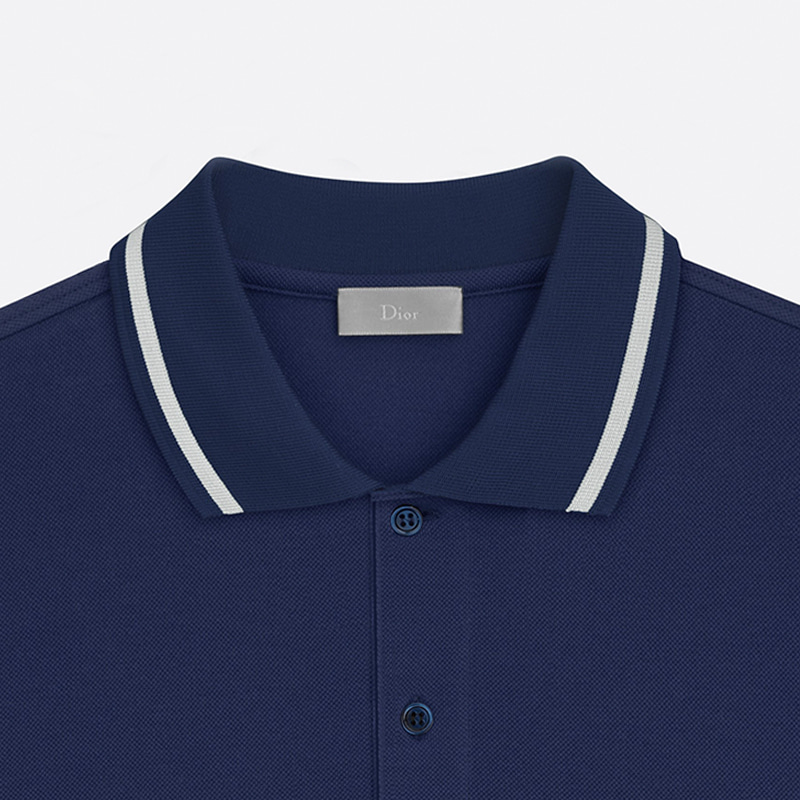
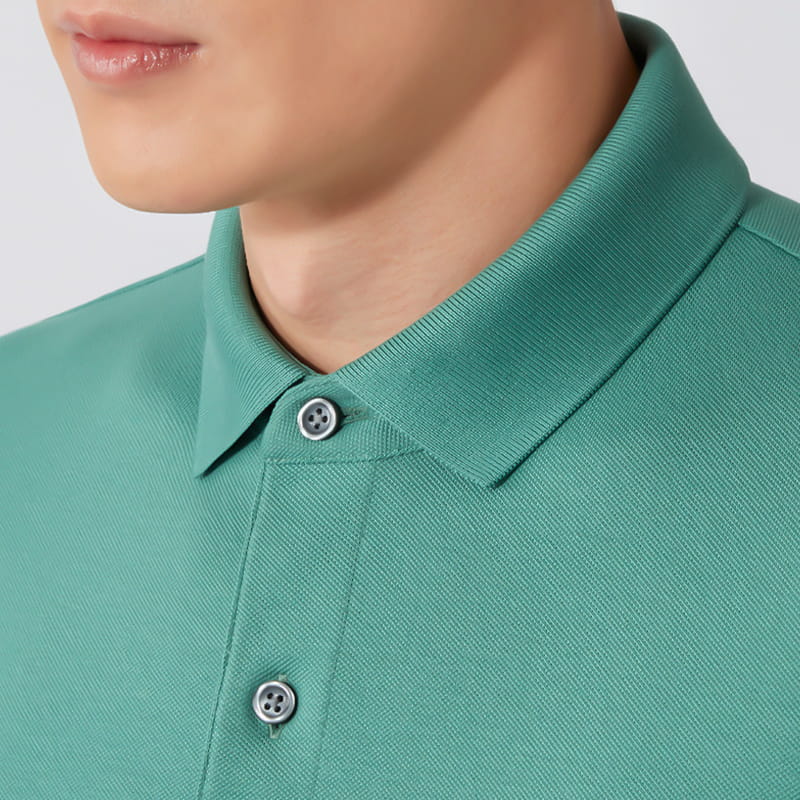 Men’s Polo Shirt Ribbed Knit CollarRibbed 1x1 polyester-spandex collar with controlled elasticity and flat seams, relevant for polo collars that must resist twisting and hold shape.View Product →
What to change at the machine
Reduce takedown tension on narrow collars, steam-set at 100 to 110 C for 20 to 30 seconds, and batch panels by machine and shift so collar pairs are cut from the same relaxation state rather than mixed across a day of production.
Cuffs and Hems: Growth, Bore Closure and Stretch Loss
Cuff growth and hem flare are elastane fatigue and insufficient relaxation problems, and they are the defects most often blamed on the yarn when the cause sits in the cutting room.
Stretch recovery is the percentage of original width a trim returns to after being extended to 80 percent of its elastic limit, measured to ASTM D2594 and checked again after laundering.
Tubular cuffs and open-width ribbed cuffs fail in different ways. A tubular cuff has no seam to restrain it, so a small loss of elastane efficiency opens the bore and the sleeve slides down the arm. A cut-and-sew cuff holds its bore longer but splits at the seam allowance when the trim is over-stretched during attaching.
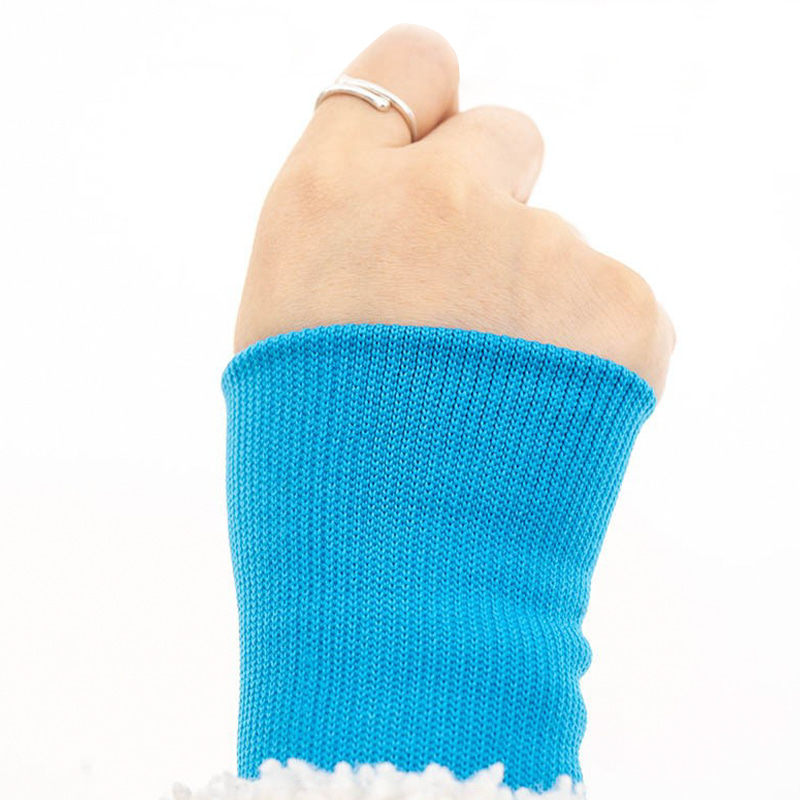
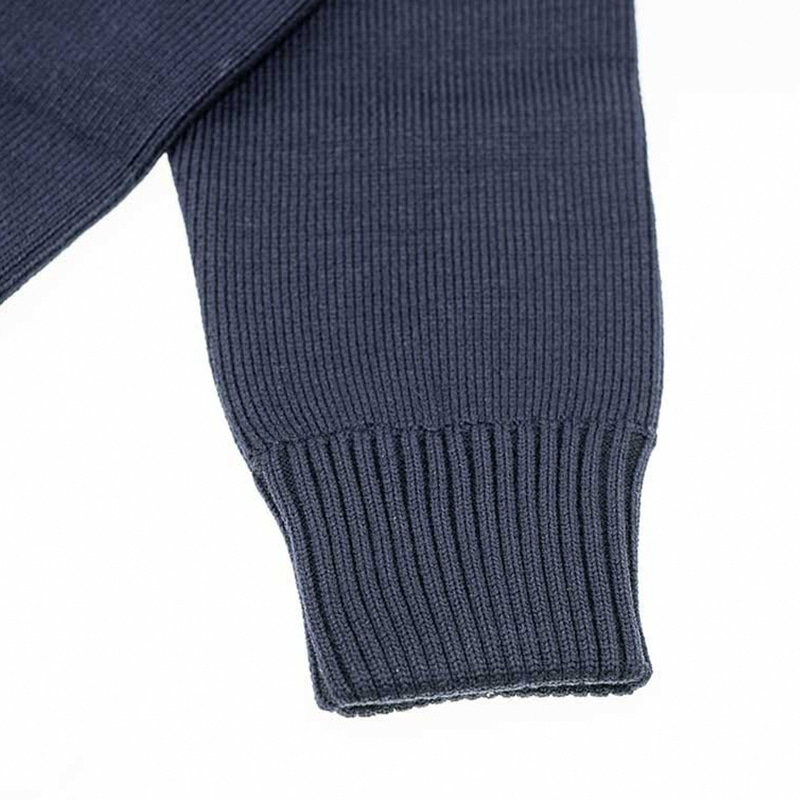 Tubular 2X2 Wool Rib Knit Cuffs for Sweater JacketsWool-spandex tubular 2x2 rib cuffs with continuous knit and flat edges, suited to sweater jackets where cuff bore and elastic recovery matter.View Product →
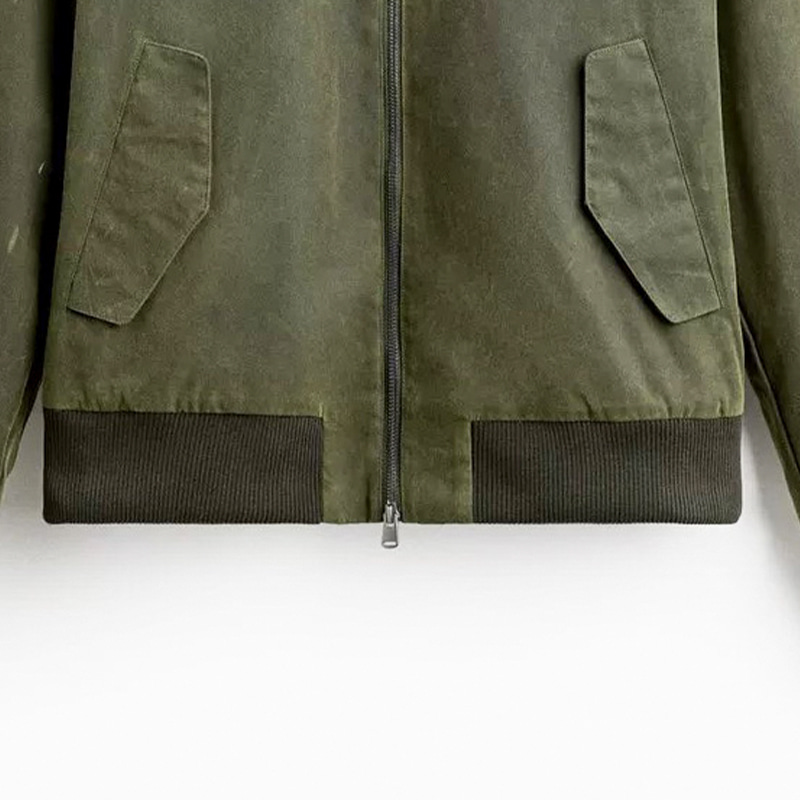
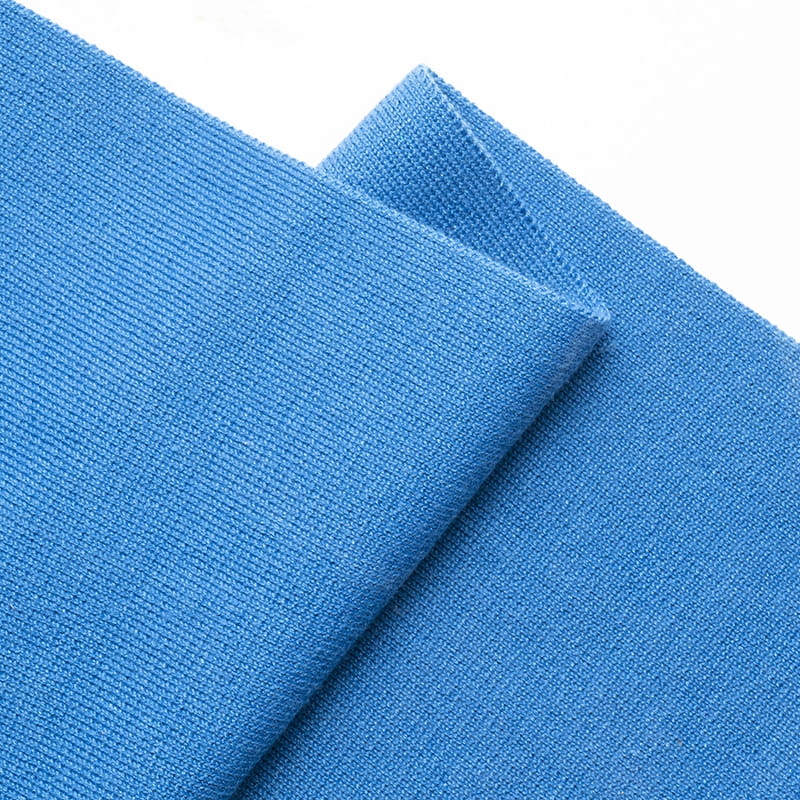 2X2 Ribbed Knit Plain Hem TrimAcrylic-spandex 2x2 ribbed hem trim with uniform stretch and shape retention, useful for T-shirts, sweatshirts and other hems needing elastic recovery.View Product →
- Bore closure: the cuff opening exceeds wearer size by more than 8 mm after three wash cycles.
- Hem flare: the hem lifts away from the body because the trim was cut from the roll edge, where knitting tension is highest.
- Stretch loss: recovery below 90 percent on the ASTM D2594 test.
- Needle lines: vertical lines from a bent needle or a wrong yarn path, most obvious on dark shades.
Write a relaxation window into the purchase order. Trims cut within four hours of knitting will grow, however good the yarn is.
Shading and Barre Lines Across Trim Rolls
Shading between a rib trim and its body fabric is nearly always a yarn-lot or feed-position issue, not a dyehouse failure.
Rib reflects light differently from single jersey because the purl wales sit at another angle, so a numerically perfect dye match can still read as a shade difference in the finished garment. The risk compounds when trims are knitted from two yarn lots, or when one feed on a multi-feed machine runs at a slightly different tension and lays a faint barre line into the panel.
- Keep trim and body yarn from a single lot number.
- Sleeve panels from the same feed position together.
- Approve shade under D65 lighting with both components side by side.
- Mixing lots inside one order to shorten lead time.
- Approving shade under office lighting or on a screen.
- Knitting trim before the body fabric shade is confirmed.
Tolerance Benchmarks and How to Verify Them
Most buyers enforce measurable limits on rib trims, and pass or fail is decided by the test method rather than by opinion on the sewing floor.
| Trim and defect | Usual cause | How to verify | Pass mark |
| Collar, edge curl | Uneven takedown tension, no steam set | Lay flat for 24 hours, measure roll height | Under 2 mm |
| Cuff, growth | Elastane creep, low stitch density | ASTM D2594 stretch and recovery | 90 percent recovery or better |
| Hem, flare | Trim cut before relaxation | AATCC 135, three home launderings | 5 percent width shrinkage maximum |
| Any trim, shading | Mixed yarn lots, feed drift | Visual assessment under D65 against the body fabric | No visible band or step |
| Waistband, slippage | Drawstring channel too wide | Static pull test at 50 N | No movement beyond 2 mm |
A Seven-Point Prevention Protocol for Knitted Rib Garment Trims
Run these seven checks in order; each one catches a defect the next cannot.
- Confirm yarn and elastane lot numbers against the approved swatch before the machine is set.
- Log yarn input tension and takedown tension per machine, per shift, not per order.
- Knit a 30 cm test strip and measure width off the machine and again after 24 hours of relaxation.
- Steam-set every collar and cuff, and record temperature and dwell time on the batch sheet.
- Pull 5 percent of each lot and run three home launderings to AATCC 135 before bulk cutting begins.
- Check shade under D65 with trim and body fabric side by side, never against a standard alone.
- Quarantine trims that fail width or recovery for re-setting, never for pressing.
Frequently Asked Questions
What causes a rib cuff to grow after washing?
Growth is elastane fatigue combined with insufficient relaxation before cutting. When a cuff is cut a few hours after knitting, the yarn is still under machine tension and keeps relaxing inside the garment; after three wash cycles the elastane loses part of its retractive force and the opening stays wide. A 24-hour relaxation window plus a stitch density check resolves most cases.
How tight should a rib trim width tolerance be?
Plus or minus 3 mm on collars and cuffs is workable for most knit gauges, tightening to plus or minus 2 mm on narrow trims under 40 mm. Looser tolerances only move the problem to the sewing floor, where operators stretch the trim to fit and create a second defect.
Is rib trim shrinkage the same as body fabric shrinkage?
No. Rib trims normally shrink more in width and less in length than the body fabric, so testing them as one component hides the difference. Test trims separately using AATCC 135 and report width and length results independently.
Can pressing fix a stretched cuff?
Only temporarily. Pressing flattens the rib and lets the measurement pass for a few hours, but the elastane is still fatigued and the trim returns to its stretched state after the first wash. Re-knitting at corrected tension is the only durable fix.