 English
 Español
Content
- 1 Beyond Basics: Defining Luxury and Function in Knitwear
- 2 Deconstructing the Fabric: A Fusion of Art and Structure
- 3 From Sketch to Sample: Category Applications and Development Guide
- 3.1 1. Defining Luxury: Crafting Fabric for High-End Sweaters
- 3.2 2. Performance Meets Aesthetics: Engineering Fabric for Activewear
- 3.3 3. Accessible Innovation: Sourcing Fabric by the Yard for Small Batches
- 3.4 4. Elevating Winter Accessories: Selecting Fabric for Scarves and More
- 3.5 5. The Critical First Step: Obtaining and Evaluating Fabric Samples
- 4 Navigating the Custom Sourcing Workflow
- 5 FAQ
- 5.1 What is the typical minimum order quantity (MOQ) for custom jacquard rib knit fabric?
- 5.2 How does the durability of a jacquard pattern in knit fabric compare to a printed pattern?
- 5.3 Can jacquard rib knit fabric be made with sustainable materials?
- 5.4 What are the main cost drivers when producing custom knit fabric like this?
- 5.5 How long does the development process take from initial design to receiving bulk fabric?
Beyond Basics: Defining Luxury and Function in Knitwear
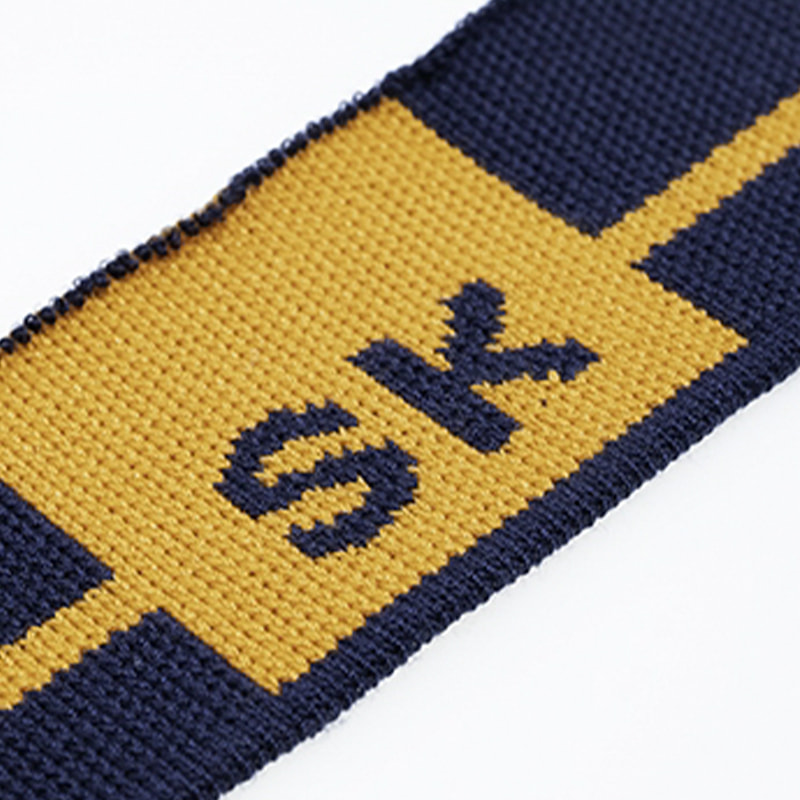
Jacquard Ribbed Knit Fabric
The landscape of modern fashion demands materials that do more than just cover; they must communicate brand identity, deliver exceptional comfort, and perform. This is where Custom Jacquard Ribbed Knit Fabric emerges as a strategic powerhouse. By masterfully intertwining the intricate artistry of jacquard patterning with the structural, textured elasticity of a rib knit, this fabric category offers unparalleled design freedom. It allows designers to move beyond surface prints, embedding logos, geometric patterns, or organic motifs directly into the very structure of the garment. This guide serves as a comprehensive resource for fashion brands, designers, and product developers, exploring the technical nuances, diverse applications, and practical pathways to sourcing this transformative material, ensuring your next collection stands out with substance and style.
Deconstructing the Fabric: A Fusion of Art and Structure
To fully leverage its potential, one must understand the dual engineering behind Custom Jacquard Ribbed Knit Fabric. This isn't merely a fabric with a pattern; it's a sophisticated integration of two distinct knitting technologies working in concert.
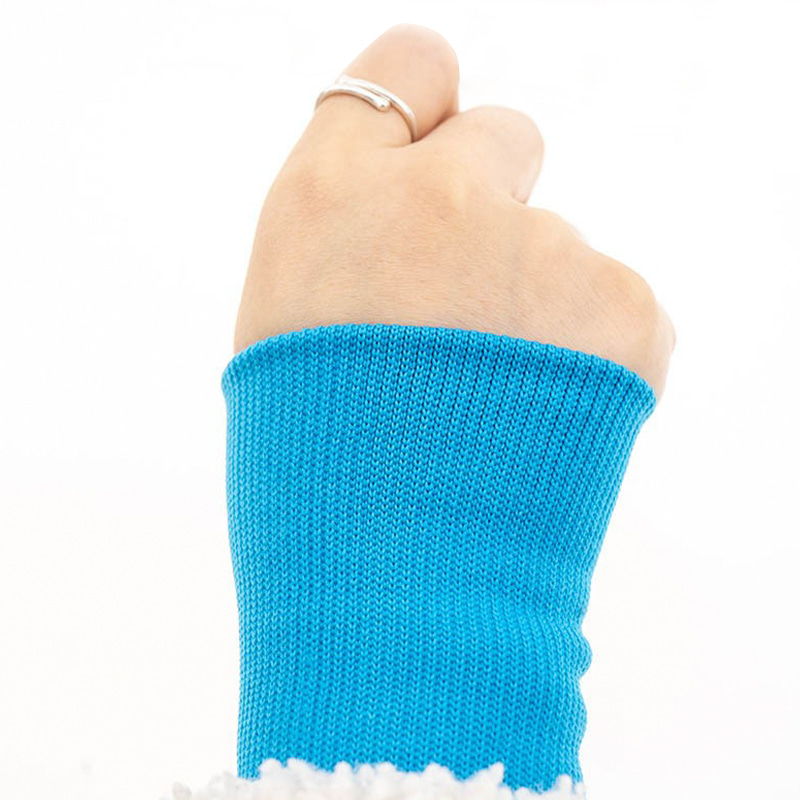
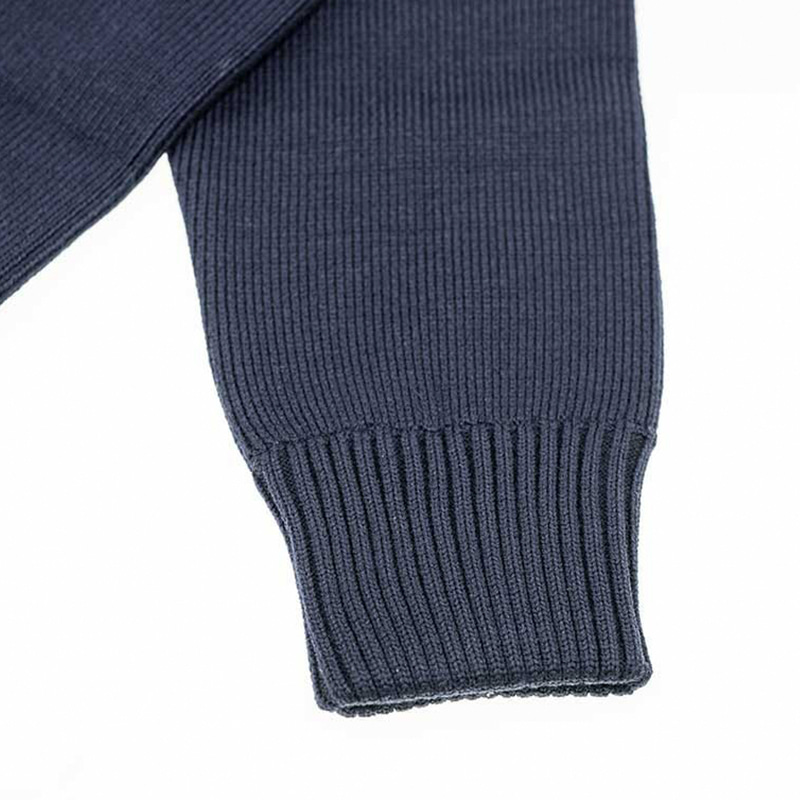
Jacquard knitting utilizes a specialized mechanism (historically a punch card system, now digitally controlled) to individually select needles, creating complex, multi-color patterns that are integral to the fabric—not printed on top. This allows for detailed imagery, brand logos, or tonal textures without compromising the fabric's breathability or hand feel. Meanwhile, the rib knit structure is created by alternating columns of knit and purl stitches, forming characteristic vertical ridges. This construction provides excellent crosswise stretch and superior recovery, meaning it holds its shape and snaps back after being pulled. When combined, the jacquard mechanism is applied within the resilient framework of the rib, resulting in a fabric that is both visually captivating and dimensionally stable.
- Key Insight: The "custom" aspect is paramount. It grants control over every variable: the specific yarns used (defining hand and performance), the precise gauge of the knit (affecting drape and density), the intricacy of the jacquard pattern, and the rib width (from fine 1x1 to bold 2x2 or wider).
From Sketch to Sample: Category Applications and Development Guide
The true power of Custom Jacquard Ribbed Knit Fabric is realized when matched with a clear product vision. Different categories demand specific executions of this versatile material.
1. Defining Luxury: Crafting Fabric for High-End Sweaters
The pursuit of a custom jacquard ribbed knit fabric for luxury sweaters revolves around tactility, sophistication, and longevity. Here, the choice of fiber is the first statement. Premium natural fibers like cashmere, merino wool, or luxurious blends such as wool-silk define the hand. The jacquard pattern is often more subtle—a tonal texture, a small emblem, or an elegant all-over motif—relying on yarn quality and precise knitting for its impact. The rib structure provides the classic fit and resilience expected from fine knitwear. Development focuses on achieving a soft, lofty hand, impeccable stitch clarity, and colors that enhance the natural luster of the chosen fibers.
2. Performance Meets Aesthetics: Engineering Fabric for Activewear
Developing a breathable jacquard rib knit fabric for activewear requires a shift to a tech-first mindset. The goal is to integrate aesthetic design with non-negotiable functionality. This is achieved by using synthetic performance yarns like polyester or nylon, often with moisture-wicking or cooling properties. The jacquard pattern can be strategically designed to create zones of varying breathability, such as mesh-like open areas. The inherent stretch and recovery of the rib construction provide necessary compression and freedom of movement. This fusion results in activewear that performs technically while standing out visually from generic, printed alternatives.
3. Accessible Innovation: Sourcing Fabric by the Yard for Small Batches
For independent designers and emerging brands, the ability to source stretch custom jacquard ribbed fabric by the yard is a game-changer. This model drastically lowers the barrier to entry, allowing for small production runs, limited editions, or initial market testing without massive capital commitment. The key is finding mills or converters that cater to lower minimum order quantities (MOQs). When engaging in this process, be prepared with precise artwork and clearly communicate your requirements for stretch, weight, and composition to ensure the sampled yardage meets your prototype needs.
4. Elevating Winter Accessories: Selecting Fabric for Scarves and More
A wool blend jacquard rib knit fabric for custom scarves offers a perfect canvas for cold-weather accessories. The wool (or wool/acrylic blend) provides essential warmth and a soft, insulating loft. The jacquard technique allows for stunning, often intricate, patterns that are beautiful on both sides—a critical feature for scarves. The rib structure gives the fabric a delightful, cozy texture and excellent drape. When developing, consider a slightly looser knit gauge to enhance the fabric's softness and flexibility, ensuring it wraps and wears comfortably.
| Application Focus | Luxury Sweaters | Technical Activewear | Winter Accessories |
| Primary Fiber Focus | Cashmere, Merino Wool, Silk Blends | Polyester, Nylon, Elastane | Wool, Wool/Acrylic Blends |
| Jacquard Pattern Role | Subtle Texture, Emblem, Tonal Elegance | Technical Mesh Zones, Bold Graphics, Reflective Details | Intricate, All-Over Designs, Double-Sided Appeal |
| Key Performance Trait | Ultimate Hand Feel, Drape, Shape Retention | Moisture Management, Breathability, 4-Way Stretch | Warmth, Soft Drape, Cozy Texture |
5. The Critical First Step: Obtaining and Evaluating Fabric Samples
Before committing to a full production order, procuring digital jacquard ribbed knit samples for apparel is an essential, risk-mitigating step. Modern mills often produce these small swatches using the same digital controls planned for bulk production, providing a highly accurate preview. When evaluating a sample, go beyond a visual check. Assess the hand feel, weight (GSM), stretch and recovery, the precision of the pattern edges, and color accuracy under different lights. This tangible piece is your most reliable tool for finalizing design decisions and qualifying a supplier.
Successfully bringing a custom fabric to life requires a structured and professional approach. Start by developing a comprehensive tech pack for your Custom Jacquard Ribbed Knit Fabric. This should include detailed CAD artwork for the jacquard pattern, specified in repeat size and colors (PMS or yarn references), along with clear requirements for base fabric: desired composition (e.g., 85% Cotton / 15% Elastane), knit gauge, finished weight (GSM), width, and critical performance tests (like colorfastness or stretch recovery). Understanding cost drivers is crucial; prices are influenced by yarn type and cost, pattern complexity (number of colors, fineness of detail), total order volume, and any special finishing processes. Open communication with your potential manufacturing partner about these factors from the outset will streamline development.
- Pro Tip for Development: Always request a strike-off or sample before bulk production. This is a small batch made to your exact specifications. It is the final opportunity to confirm all details—from color matching and pattern alignment to the final hand feel—ensuring the bulk fabric meets your vision.
FAQ
What is the typical minimum order quantity (MOQ) for custom jacquard rib knit fabric?
MOQs can vary dramatically based on the mill and the complexity of the order. For a fully custom design involving new yarn sourcing and machine setup, MOQs often start at 500 to 1,000 yards per colorway. However, some specialized converters or smaller mills may offer programs for stretch custom jacquard ribbed fabric by the yard or lower MOQs (around 100 yards), particularly for simpler designs or using their stock yarn bases. This is a key question to address early in discussions with any supplier.
How does the durability of a jacquard pattern in knit fabric compare to a printed pattern?
A jacquard pattern is significantly more durable than a printed pattern. Because the jacquard design is knitted into the fabric structure using different colored yarns, it cannot crack, peel, or fade away with washing and wearing like a surface print can. The colors are integral to the yarns themselves, which are typically dyed for excellent colorfastness. This makes Custom Jacquard Ribbed Knit Fabric ideal for garments like luxury sweaters or activewear that require longevity and repeated laundering.
Can jacquard rib knit fabric be made with sustainable materials?
Absolutely. The growing demand for eco-conscious materials is fully compatible with this fabric type. The custom nature means you can specify yarns made from organic cotton, recycled polyester (rPET), recycled nylon, Tencel™ Lyocell, or responsibly sourced wool. Creating a custom jacquard ribbed knit fabric for luxury sweaters with GOTS-certified organic wool or a breathable jacquard rib knit fabric for activewear with recycled performance fibers is a powerful way to combine design innovation with environmental responsibility.
What are the main cost drivers when producing custom knit fabric like this?
Several factors directly impact cost: 1. Yarn: Premium natural fibers (cashmere, silk) are far more costly than standard cotton or synthetics. 2. Pattern Complexity: The number of colors in the jacquard design and the fineness of the detail increase machine programming time and can slow production. 3. Order Volume: Higher meterage spreads fixed setup costs over more units, reducing the price per yard. 4. Finishings: Special washes, brushing, or other post-knit treatments add cost but also value and specific hand feels.
How long does the development process take from initial design to receiving bulk fabric?
Develop a realistic timeline. The process from initial concept to finished bulk fabric can take anywhere from 8 to 16 weeks, or sometimes longer for highly complex projects. This timeline includes sampling and revision cycles (2-4 weeks per sample round), yarn sourcing (if special dyes are needed), final sample approval, and then the bulk production and shipping. Clear and timely communication with your supplier at every stage is the best way to keep the project on schedule.