 English
 Español
Content
What exactly is blue acrylic jacquard elastic rib knit fabric
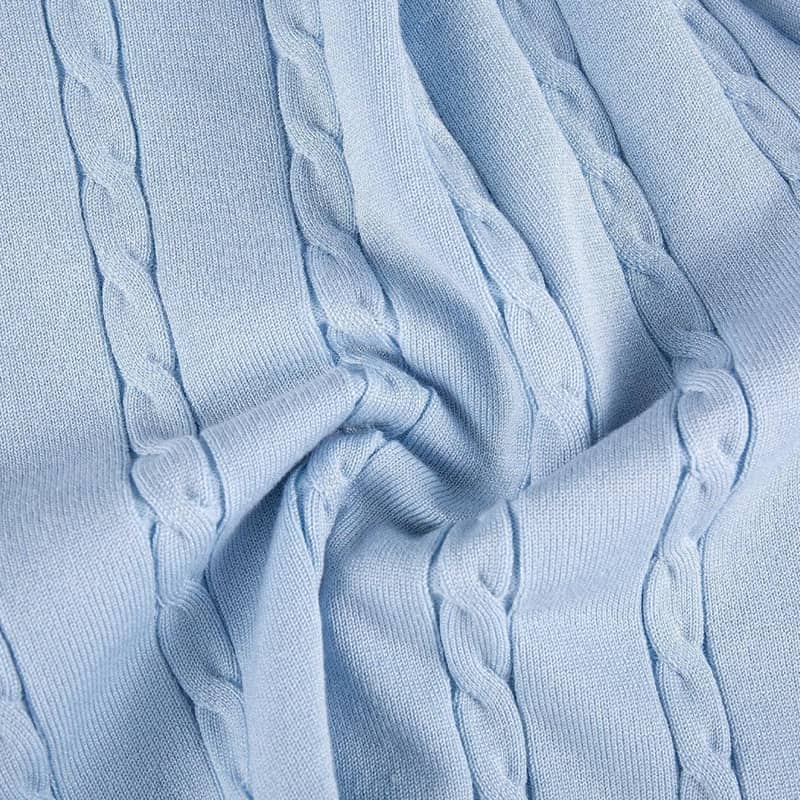
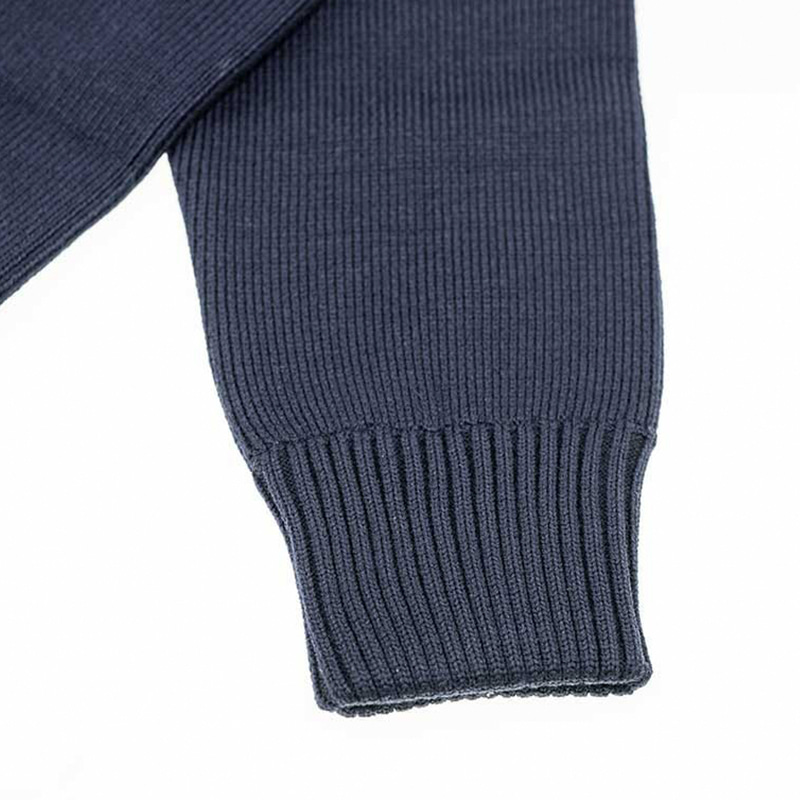
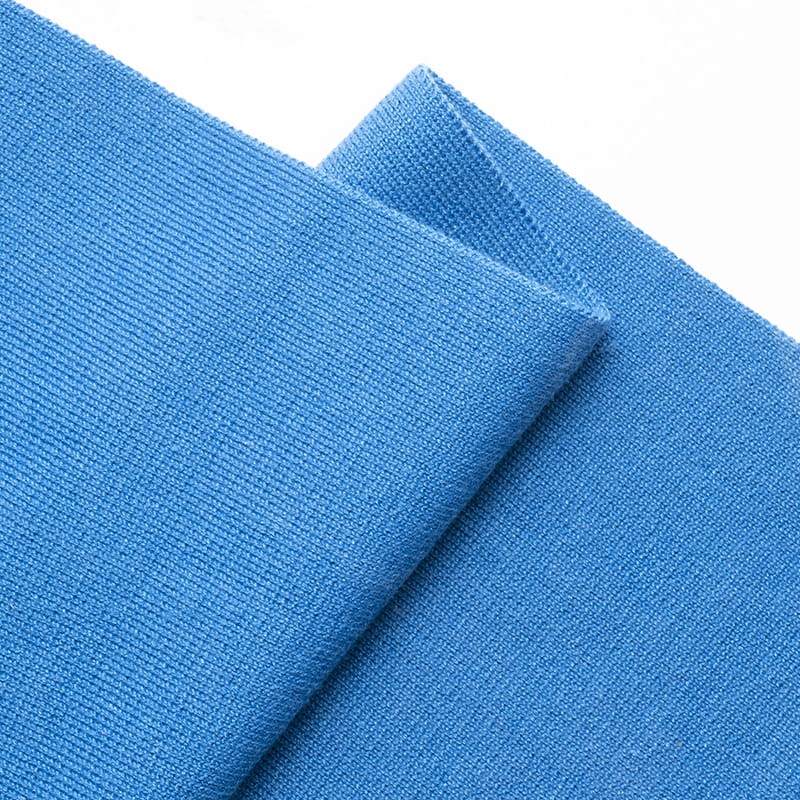
The term blue acrylic jacquard elastic rib knit fabric may sound intricate at first glance, but it actually combines several well-defined textile concepts into one advanced material. At its heart, it is a knitted textile that uses acrylic yarns dyed in various shades of blue, woven (or more precisely, knitted) using a jacquard mechanism to introduce patterns or textures, and constructed with an elastic rib structure that imparts stretch and recovery. Unlike plain knit, jacquard knit allows for complex motifs and multi-color effects; unlike non-elastic fabrics, the elastic ribbing gives this material a flexibility and form retention that is highly valued in fashion applications. The confluence of color, pattern, and elasticity makes this kind of fabric stand out in both aesthetic and functional dimensions.
How the material and structure contribute to its performance
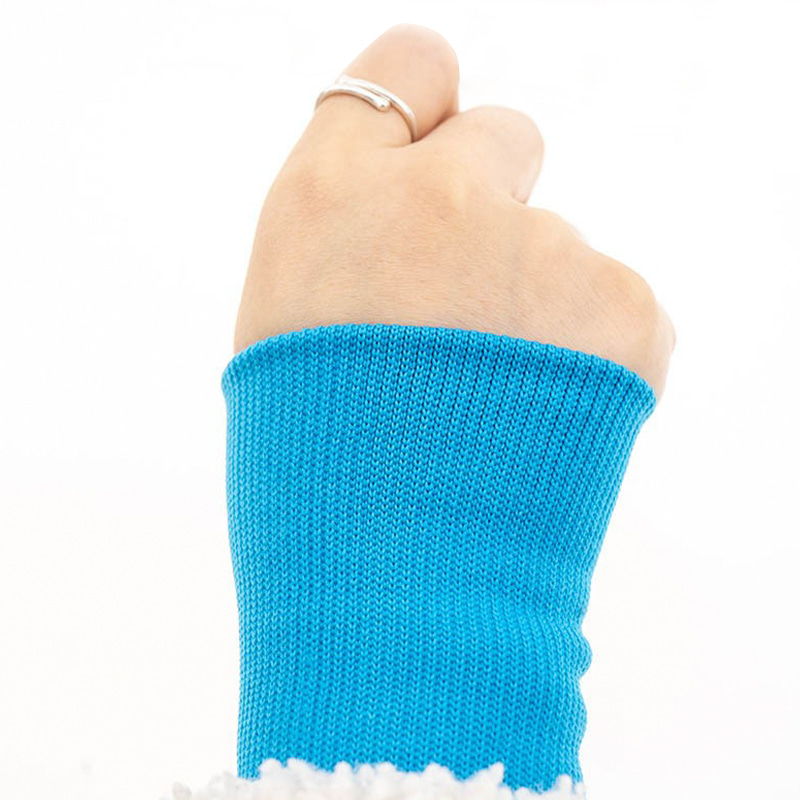
Acrylic fibers carry a number of desirable traits: they are lightweight, resistant to ultraviolet fade, quick to dry, and generally manage to retain shape better than some natural fibers when blended appropriately. In this fabric, the acrylic base delivers a canvas that holds color well and does not absorb moisture excessively. The jacquard knitting technique introduces a more intricate structure: by selectively lifting and lowering yarns, distinct motifs or textural designs can be created in the knit, giving a depth and visual interest that plain jerseys cannot match. Finally, the elastic ribbing—typically implemented by alternating knit and purl stitches or adding elastane/spandex yarns—provides the fabric with lateral stretch, vertical recovery, and the “give” that lets garments conform to body movement while resisting sagging. Together, these structural choices yield a fabric that balances elegance, stretch, and resilience.
In which garment applications it excels and the strengths it brings
This kind of fabric shines in garment categories where both appearance and comfort are critical. For example, for a fitted sweater or a body-skimming dress, the jacquard patterns provide decorative appeal while the rib structure ensures the garment stays close to the body without binding or losing shape. In outerwear shells or layered knits, the fabric’s durability and colorfastness make it suitable as a visible panel or decorative insert. Designers often appreciate that this fabric offers both visual complexity and mechanical performance, making it ideal for statement pieces. From a user’s standpoint, sweaters or dresses made of this fabric tend to feel soft yet supportive, presenting surface patterns without sacrificing stretch. In cold climates, it also traps warmth effectively thanks to the knit’s three-dimensional structure. The combination of texture, elasticity, and lightness means one can achieve a balance of style and wearability that is difficult with woven jacquards or rigid fabrics.
Best practices for care, handling, and sewing
To ensure longevity of garments made from this fabric, proper care is key. Washing should be done gently—ideally by hand or on a delicate cycle with cold water—and using mild detergents; avoid bleach or harsh chemicals that may degrade elastic fibers. Drying should be air flat or hung carefully to prevent distortion, and direct heat should be minimized. Ironing, if necessary, should use low temperature with a pressing cloth to protect the knit surface. When cutting and sewing, allowances must be made for the fabric’s stretch: seam allowances should incorporate negative ease or stabilizing stitches, and cutting should avoid overstretching the knit edges. Using ballpoint or stretch-needle sewing machines helps reduce snagging. To prevent puckering or distortion at seams, stay stitching or stabilizers may be applied to edges. Avoid sharp pulls, excessive strain, or overhandling during construction. With these precautions, garments can maintain shape and appearance through repeated cycles of use.
How to evaluate and procure this fabric wisely
When sourcing rolls or meters of this fabric, critical metrics should guide decision making: the width of the fabric, the exact proportion of acrylic and elastic (or other blended fibers), the weight per square meter (gsm), the density of knit (stitches per inch), and the stretch percentage (both across the ribs and along the grain). Requesting and testing a sample is essential: one should test for colorfastness, wash recovery, stretch retention over time, and durability under abrasion. Comparisons of cost per usable square meter (accounting for defective length) give insight into value. Communication with the supplier should clarify all these specs explicitly, avoiding vague descriptions. It is also wise to discuss minimum order quantities, lead times, dye lot consistency, and quality inspection measures. By rigorously vetting these details, one can ensure that the final garment production runs smoothly and that the finished pieces perform up to expectations.