 English
 Español
Content
- 1 The Anatomy and Function of the Ribbed Collar
- 2 From Yarn to Garment: Materials and Manufacturing
- 3 Design Variations and Style Applications
- 4 Durability Challenges and Care Solutions
- 5 FAQ
- 5.1 1. Which fabric is best for a ribbed collar that won't lose its shape?
- 5.2 2. Can you customize the ribbing on a garment order?
- 5.3 3. How can I realistically fix a sweater collar that has become loose and floppy?
- 5.4 4. What's the difference between a ribbed collar on a sweater and one on a t-shirt?
- 5.5 5. Are there specific washing instructions to protect a ribbed collar?
A knitted ribbed collar is far more than a simple finishing detail on a sweater or sweatshirt. It is a critical engineering component, a style definer, and a primary point of interaction between the garment and the wearer. Found on everything from classic wool sweaters to modern athletic wear, this distinctive collar is characterized by its vertical ridges, created by a specific alternating knit and purl stitch pattern. This structure is not merely aesthetic; it grants the fabric exceptional horizontal elasticity and remarkable memory, allowing it to stretch for a comfortable fit and reliably snap back to its original shape. Understanding the anatomy, material science, and manufacturing behind a ribbed collar is essential for both consumers seeking quality apparel and brands developing durable, comfortable garments. This article will explore the key aspects of the ribbed collar, from the foundational knitted ribbed collar fabric types to solutions for common issues like how to fix a stretched knitted ribbed collar, providing a comprehensive guide to this ubiquitous yet complex garment feature.
The Anatomy and Function of the Ribbed Collar
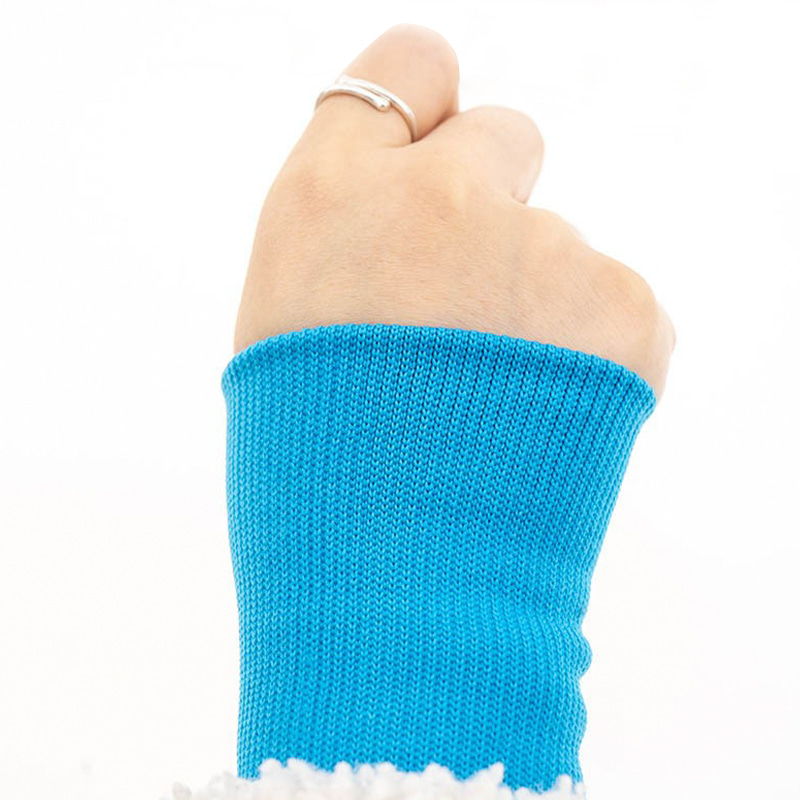
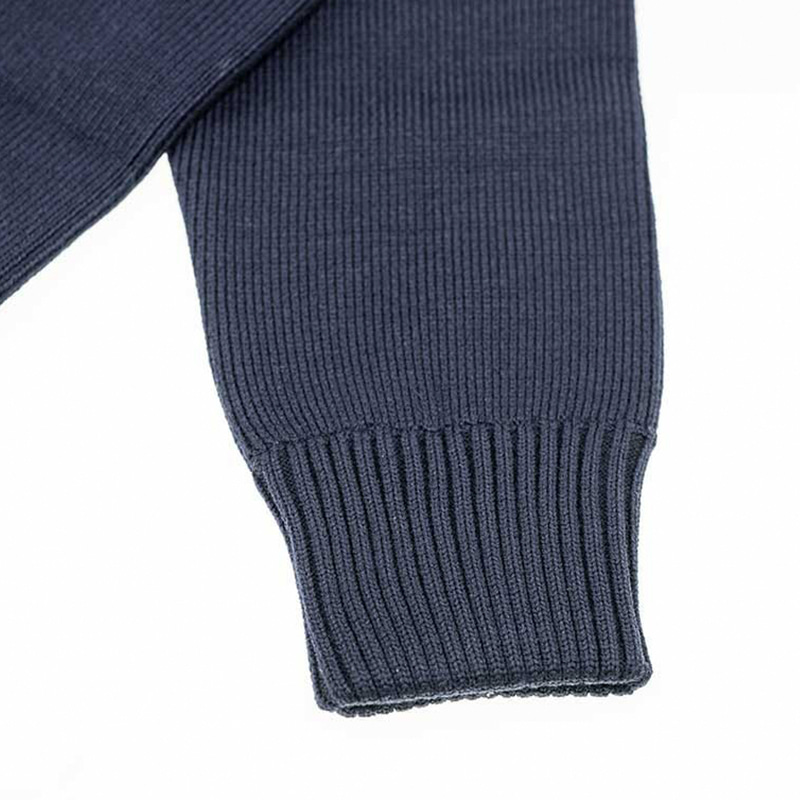
At its core, a ribbed collar is defined by its unique construction. The signature look and feel are achieved through the rib knit stitch pattern, most commonly in a 1x1 (one knit stitch, one purl stitch) or 2x2 sequence. This alternating structure creates columns of stitches that naturally want to pull together laterally, contracting the fabric. It is this inherent elasticity that forms the basis for all of the collar's functional benefits. Unlike a standard jersey knit, which can sag and lose its shape under tension, a well-made rib knit provides structural integrity. The primary purposes of a knitted ribbed collar are threefold. First, it provides a comfortable, adaptive fit around the neck, stretching to allow the garment to be put on and taken off easily, then contracting to sit snugly without choking, thereby sealing in warmth. Second, it acts as a reinforced stabilizer for the entire neckline, preventing the main body fabric from stretching out over time and maintaining the garment's intended silhouette. Finally, it serves as a key stylistic element, where its height, tightness, and texture can signal a garment's style, from the casual slouch of a weekend sweater to the crisp, tailored look of a polo shirt.
- Elastic Structure: The alternating knit-purl pattern creates built-in horizontal stretch and recovery.
- Comfort & Fit: Allows for easy on/off while providing a snug, comfortable seal around the neck.
- Structural Support: Reinforces the neckline, preventing deformation of the main garment body.
- Style Definition: The height, width, and type of ribbing are fundamental to the garment's aesthetic.
From Yarn to Garment: Materials and Manufacturing
The performance and feel of a ribbed collar are profoundly influenced by the choice of material and production technique. Selecting the appropriate knitted ribbed collar fabric types is the first critical decision. Natural fibers like cotton offer breathability and softness but may lack long-term recovery, especially when wet. Wool and cashmere provide superior elasticity, warmth, and a luxurious hand, making them a premium choice for a classic men's sweater with knitted ribbed collar. Synthetic fibers like polyester and nylon, or blends like cotton-polyester, are chosen for their durability, excellent shape retention, and moisture-wicking properties, often found in performance wear. The manufacturing process further defines quality. Ribbed collars can be knitted separately on flatbed machines and then attached (sewn) to the garment body, a method offering flexibility for custom knitted ribbed collar for apparel projects. Alternatively, they can be integrally knitted on circular machines, creating a seamless, high-strength join with the body, which is often more durable and has a cleaner finish.
| Fiber Type | Key Characteristics | Ideal Use Case |
| Cotton | Soft, breathable, absorbent. Can relax over time. | Basic sweatshirts, casual sweaters, t-shirts. |
| Wool / Merino | Excellent natural elasticity, warm, moisture-wicking, resilient. | Quality sweaters, cold-weather base layers. |
| Synthetic Blends (e.g., Cotton-Polyester) | High durability, strong shape recovery, cost-effective, easy care. | Activewear, uniform polos, high-frequency casual wear. |
| Cashmere / Luxury Fibers | Exceptional softness, lightweight warmth, premium feel. | High-end sweaters and luxury loungewear. |
Design Variations and Style Applications
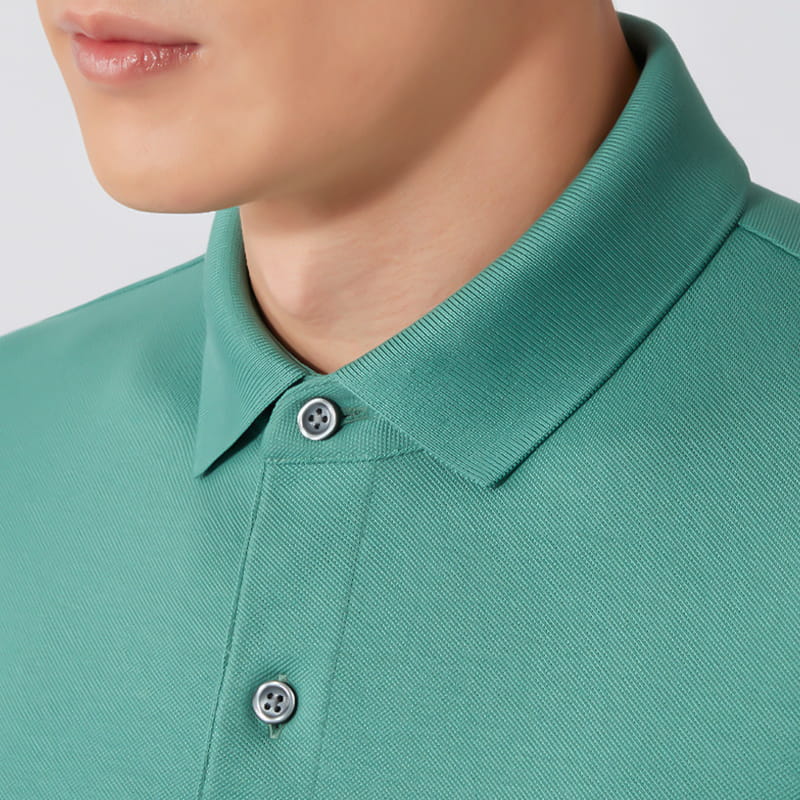
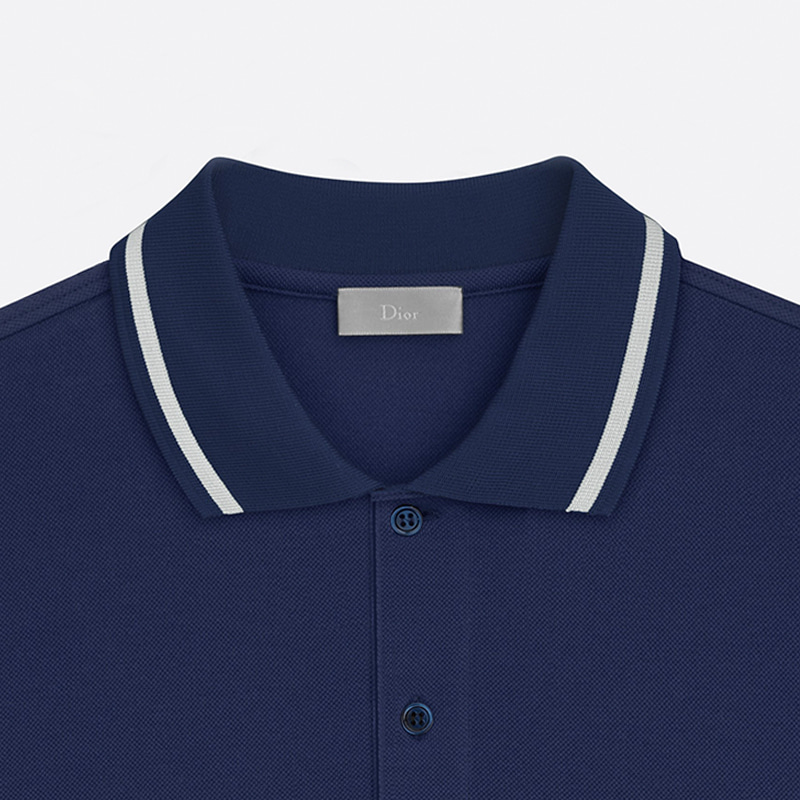
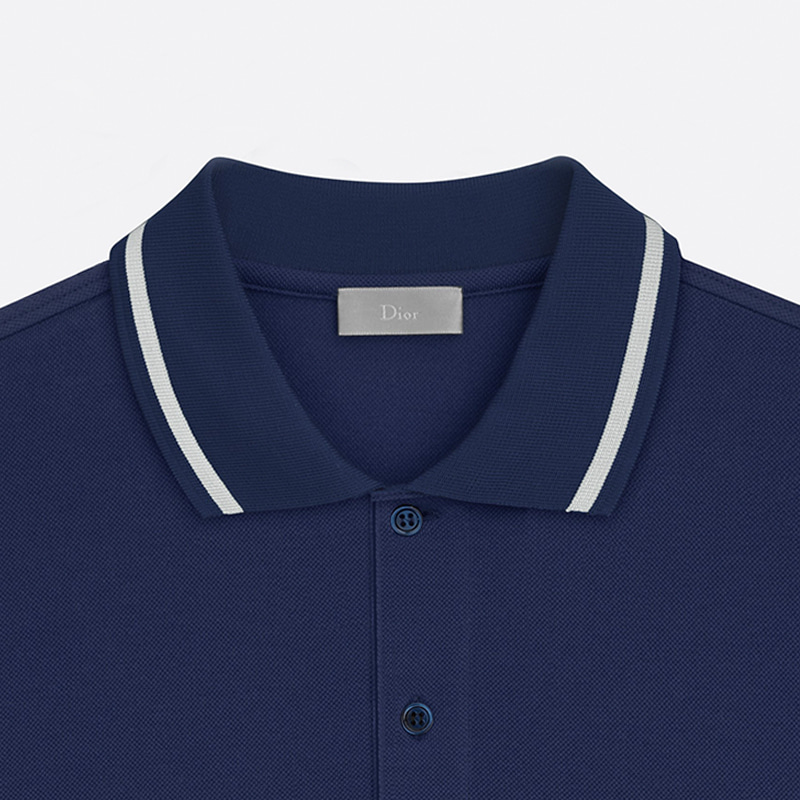
The basic rib knit principle is adapted into various designs to serve different functional and aesthetic needs. The most common is the crew neck rib, a versatile style that works for nearly any casual garment. Moving up in height, the high neck knitted ribbed collar pattern presents a more complex design challenge. A high neck or turtleneck requires a finer balance of elasticity and structure; it must be tall enough to fold or sit comfortably against the jawline but possess enough memory to not buckle or sag. This often involves tighter gauge knitting and sometimes the use of yarns with higher recovery. Other popular variations include the V-neck rib, which requires precise shaping at the point, and the Henley collar, which incorporates a short placket with buttons. From a styling perspective, the ribbed collar is a powerful tool. A thick, slouched rib on an oversized sweater creates a relaxed, modern look, while a thin, tight rib on a fitted polo shirt yields a classic, polished appearance. The choice of collar design directly communicates the garment's intended use and style ethos.
- Crew Neck: The universal standard, offering a balanced look for sweaters, hoodies, and sweatshirts.
- High Neck / Turtleneck: Provides extra warmth and a modern silhouette; requires precise elasticity in its high neck knitted ribbed collar pattern.
- V-Neck: Creates a more formal or elongating line; common in polos and lighter sweaters.
- Henley: Features a buttoned placket, combining the fit of a ribbed collar with the adjustable comfort of a partial opening.
Durability Challenges and Care Solutions
Despite its resilient structure, the ribbed collar is often the first part of a garment to show wear. The primary issue is permanent stretching, which occurs when the yarn fibers are subjected to continuous or excessive tension beyond their elastic recovery point. This can be accelerated by improper care, such as machine drying with high heat, hanging a heavy wet sweater by the shoulders (which pulls the collar down), or simply the natural fatigue of fibers over years of use. The propensity to stretch also varies significantly by material, which is why understanding knitted ribbed collar fabric types is crucial for both prevention and repair. A collar made from a cotton-polyester blend will generally resist stretching far better than one made from 100% cotton. Fortunately, there are effective methods for how to fix a stretched knitted ribbed collar. The most common technique involves carefully applying steam from an iron or steamer while gently reshaping and compressing the collar back to its original size, allowing the heat and moisture to "relax" and retract the fibers. For more severe cases, skilled hand-sewing techniques can be used to take in excess fabric from the inside.
- Cause of Stretching: Fiber fatigue from tension, heat damage, and improper garment care and storage.
- Preventative Care: Always lay knitwear flat to dry. Store folded, not hung. Wash in cool water on a gentle cycle.
- Repair Focus: Solutions for how to fix a stretched knitted ribbed collar often rely on the controlled application of heat and moisture to reactivate the yarn's memory.
FAQ
1. Which fabric is best for a ribbed collar that won't lose its shape?
For optimal shape retention, look for collars made from synthetic blends or high-quality wool. A collar using a cotton-polyester blend (e.g., 60% cotton, 40% polyester) leverages polyester's excellent recovery to counteract cotton's tendency to relax. Merino wool also has outstanding natural elasticity. For a classic men's sweater with knitted ribbed collar that balances comfort and durability, a wool-nylon or wool-polyester blend is an industry-preferred choice. Pure cotton, while soft, is generally the most prone to stretching over time unless it's a very dense, high-quality knit.
2. Can you customize the ribbing on a garment order?
Yes, developing a custom knitted ribbed collar for apparel is a common practice in fashion manufacturing. Brands can specify the exact yarn composition, the rib stitch pattern (1x1, 2x2, wider ribs), the finished height and width of the collar, and the attachment method. This is essential for creating a unique brand signature or achieving a specific functional requirement, such as an extra-tall high neck knitted ribbed collar pattern for a winter collection. Working with a manufacturer that has expertise in knitwear engineering is crucial to translate these specifications into a sample that performs as intended.
3. How can I realistically fix a sweater collar that has become loose and floppy?
Fixing a stretched collar is often possible. The most effective DIY method for how to fix a stretched knitted ribbed collar is steam blocking. Gently stretch the collar back to its original, smaller circumference and pin it to an ironing board covered with a towel. Hold a steam iron just above the fabric, thoroughly saturating the fibers with steam. Allow it to dry completely while pinned. The heat and moisture can help the yarn fibers "remember" their original shape and contract. For valuable garments, consulting a professional knitwear cleaner or tailor is recommended.
4. What's the difference between a ribbed collar on a sweater and one on a t-shirt?
The core difference lies in the gauge (thickness) of the knit and its intended function. A sweater collar is typically knitted with thicker yarn on fewer needles (a lower gauge), creating a substantial, warm, and highly elastic band meant to retain heat and provide structure. A t-shirt or polo collar uses a much finer gauge knit with thinner yarn, resulting in a lighter, flatter rib whose primary role is to create a neat, clean edge that lies flat and resists curling, with stretch being a secondary benefit for ease of dressing.
5. Are there specific washing instructions to protect a ribbed collar?
Absolutely. To maximize the life of any knitted ribbed collar, always turn the garment inside out before washing. Use cold water and a gentle, slow spin cycle. Never use bleach, as it can damage fibers and reduce elasticity. The most critical step is drying: never machine dry unless the care label explicitly states it's safe. Instead, reshape the garment and lay it completely flat to air dry. Hanging a wet knitwear will cause the weight of the water to stretch the collar and shoulders permanently.