 English
 Español
Content
- 1 Deconstructing the Composition: The Science of the 97/3 Blend
- 2 Analyzing the Design: The Art of the Letter Jacquard
- 3 Fabric Comparison: Jacquard Ribbing vs. Other Sleeve Materials
- 4 Performance Metrics: Key Indicators of Quality
- 5 Understanding the Fabric Workflow
- 6 Applications and Design Versatility
- 7 Care and Longevity
- 8 Conclusion
- 9 Frequently Asked Questions
- 10 References
In the competitive world of apparel manufacturing, the choice of fabric is a critical decision that directly influences garment quality, brand identity, and consumer satisfaction. Among the myriad of options available for polo shirt construction, the sleeve fabric plays a pivotal role in both aesthetics and functionality. Within this category, the Polyester Letter Jacquard Ribbed Polo Shirt Sleeve Fabric represents a significant advancement, merging visual branding with technical performance. This article provides a detailed technical analysis of this specific fabric, exploring its composition, design, and the advantages it holds over other materials used in garment sleeves and hems.
This comprehensive guide is intended for apparel designers, product developers, and procurement specialists who seek to understand the nuances of high-performance textile technology. We will delve into the science behind its polyester-spandex blend, the engineering of its letter jacquard pattern, and its critical role in ensuring durable, comfortable, and branded apparel. Understanding these elements is essential for making an informed sourcing decision that enhances product quality and brand perception.
Deconstructing the Composition: The Science of the 97/3 Blend
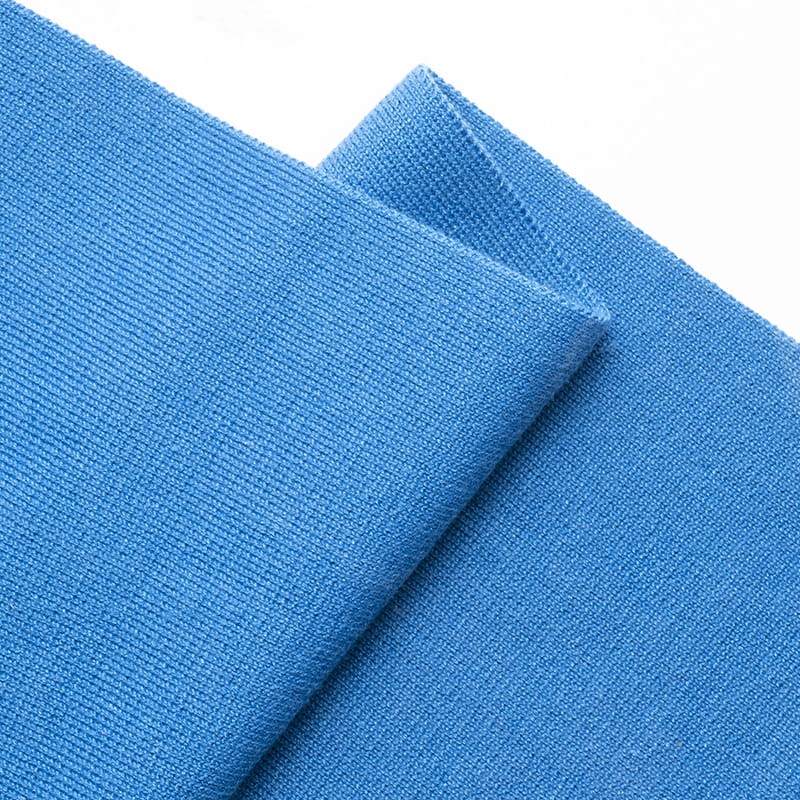
The core functionality of this fabric lies in its precise 97% polyester and 3% spandex blend. This composition is not arbitrary; it is engineered to provide a balance of durability, comfort, and elasticity. The high polyester content is the foundation of the fabric's performance. Polyester is a synthetic fiber known for its excellent wear resistance, making the fabric durable enough to withstand the friction and stress of regular use on polo shirt sleeves and cuffs. Its wrinkle resistance ensures that the garment maintains a crisp, professional appearance, which is particularly important for apparel like polo shirts that are often worn in business casual settings. Additionally, polyester provides superior color fastness, meaning the fabric resists fading even after repeated washing and exposure to sunlight.
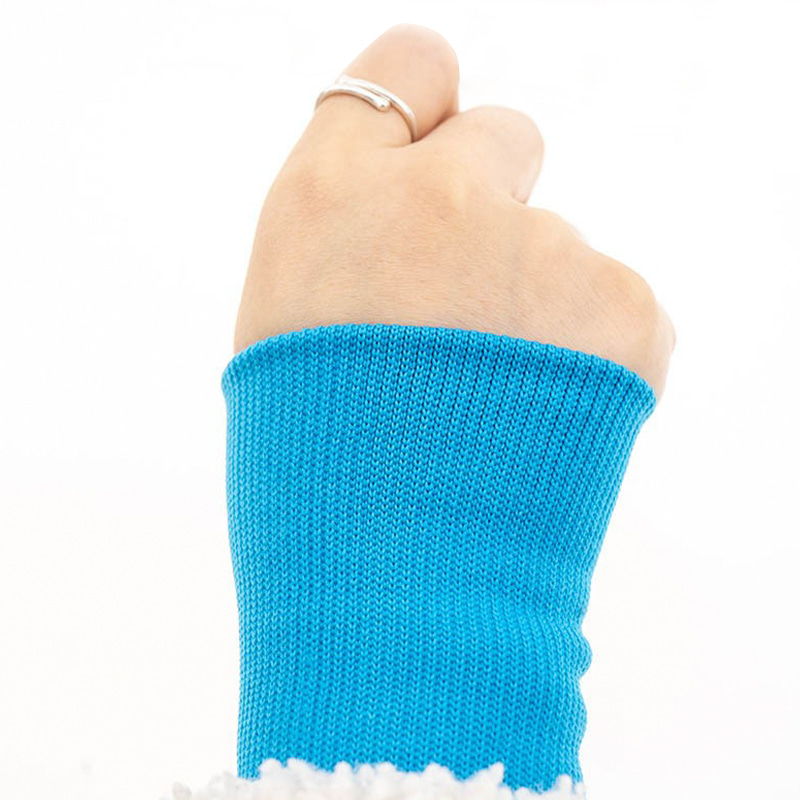
The 3% spandex component, while a small percentage, is functionally critical. Spandex, also known as elastane, is a synthetic fiber renowned for its exceptional elasticity. Its integration into the fabric provides controlled stretch and a high degree of recovery. This means that the sleeve can comfortably conform to the arm's shape during movement, and then return to its original form, preventing the cuff from becoming loose or baggy over time. This elasticity is what gives the ribbed structure its characteristic snug fit, which is both comfortable and helps the sleeve stay in place.
The combination of these two fibers creates a fabric that is far more than the sum of its parts. The polyester ensures the fabric is tough, long-lasting, and easy to care for, while the spandex makes it comfortable, flexible, and resilient. This thoughtful blending is what makes this fabric particularly well-suited for the demands of polo shirt sleeves, which require both structure and give.
Analyzing the Design: The Art of the Letter Jacquard
Beyond its technical composition, the fabric is defined by its distinguishing aesthetic feature: the letter jacquard pattern. Jacquard is a weaving technique that allows for the creation of complex, detailed patterns directly into the fabric's structure. Unlike printing, where a design is applied to the surface, a jacquard pattern is an integral part of the weave itself. This has several key advantages. First, it makes the design highly durable; the letters will not peel, flake, or fade over time, as they are woven from the fabric's yarns. Second, it creates a rich, textured visual effect that adds depth and dimension to the fabric.
In the context of a letter jacquard, this technology is leveraged to integrate branding elements directly into the garment's construction. For a polo shirt manufacturer, this opens up significant opportunities for brand differentiation. The letters can be a brand name, a logo, or a design motif, creating a subtle yet sophisticated statement. This is a powerful tool for building brand recognition, as it turns a simple functional component like a sleeve cuff into a brand ambassador. The aesthetic created is modern and personalized, appealing to consumers who value both quality and distinct style.
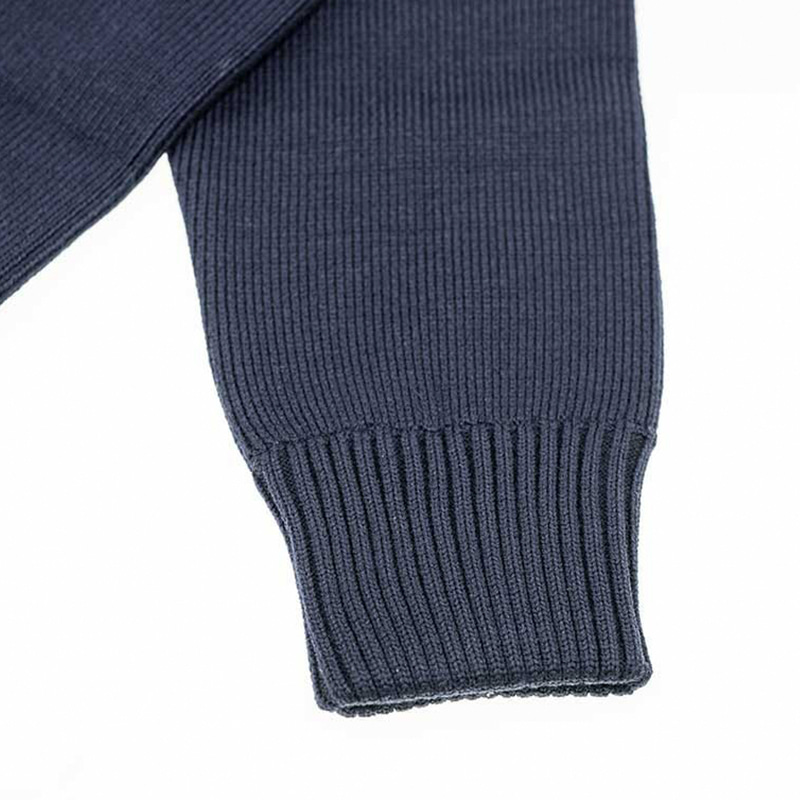
The integration of this jacquard pattern with the ribbed construction is a testament to the fabric's sophisticated engineering. The ribbing not only provides the necessary elasticity and structure but also serves as a perfect canvas for the jacquard design, with the raised texture of the ribs adding to the visual and tactile appeal of the lettering.
Fabric Comparison: Jacquard Ribbing vs. Other Sleeve Materials
To fully appreciate the value of this fabric, it is useful to compare it against other common materials used for polo shirt sleeves and cuffs. The choice between a jacquard ribbed fabric, a plain ribbed knit, or a woven self-fabric can significantly impact the garment's look, feel, and durability.
| Feature | Letter Jacquard Ribbed Fabric | Plain Ribbed Knit | Woven Self-Fabric |
|---|---|---|---|
| Brand Integration | Excellent; in-woven letter design | Limited; requires labels or embroidery | Limited |
| Durability | High; pattern is structural | Good; but can lose elasticity | Variable; depends on weave |
| Elasticity & Recovery | Excellent; due to spandex blend | Moderate to Good | Poor; no inherent stretch |
| Aesthetic Impact | High; textured and unique | Standard; functional | Classic; matches the main fabric |
| Comfort | High; snug yet flexible | Good | Less flexible, more rigid |
| Best Application | Branded polo shirts, premium casual wear | Standard garments, cost-effective solutions | Formal shirts, classic polo styles |
As the table illustrates, the letter jacquard ribbed fabric offers a compelling combination of branding potential, durability, and comfort. While a plain ribbed knit is functional, it lacks the visual impact and integrated branding capability. A woven self-fabric cuff, while offering a classic look, provides no elasticity and can be less comfortable. The jacquard ribbed fabric excels in its niche, delivering a high-end aesthetic with lasting performance, making it an ideal choice for brands seeking to differentiate themselves in a crowded market.
Performance Metrics: Key Indicators of Quality
The quality of a fabric like this is measured by several key performance indicators. These metrics provide a quantifiable assessment of its suitability for various applications. The following data highlights the fabric's core capabilities, underscoring its value in the apparel industry.
These metrics demonstrate that the fabric is engineered for both performance and aesthetics. Its high polyester content ensures longevity and ease of care, while the spandex provides the comfort and fit that modern consumers expect. The jacquard pattern elevates the fabric from a simple component to a branding tool.
Understanding the Fabric Workflow
The journey from raw materials to a finished piece of letter jacquard ribbed fabric is a complex process that requires precision at every stage. Understanding this workflow illustrates the quality control and engineering that goes into creating a premium textile. This diagram outlines the step-by-step process, from fiber preparation to final inspection.
Fiber Blending and Spinning
Polyester and spandex fibers are precisely weighed and blended to achieve the 97/3 ratio. The blend is spun into high-quality yarns.
Jacquard Knitting
The yarns are knitted using a specialized jacquard machine that creates the letter pattern and ribbed texture simultaneously.
Finishing and Quality Control
The fabric undergoes finishing processes like washing and heat-setting to stabilize it. Rigorous checks verify pattern clarity and elasticity.
This structured process ensures that the final product meets stringent quality standards. For a closer look at these components, you can explore the Polyester Letter Jacquard Ribbed Polo Shirt Sleeve Fabric options available from leading manufacturers.
Applications and Design Versatility
The fabric is a versatile material that lends itself to a wide range of apparel applications beyond polo shirt sleeves. Its unique combination of durability, comfort, and aesthetic branding makes it a preferred choice for many different scenarios.
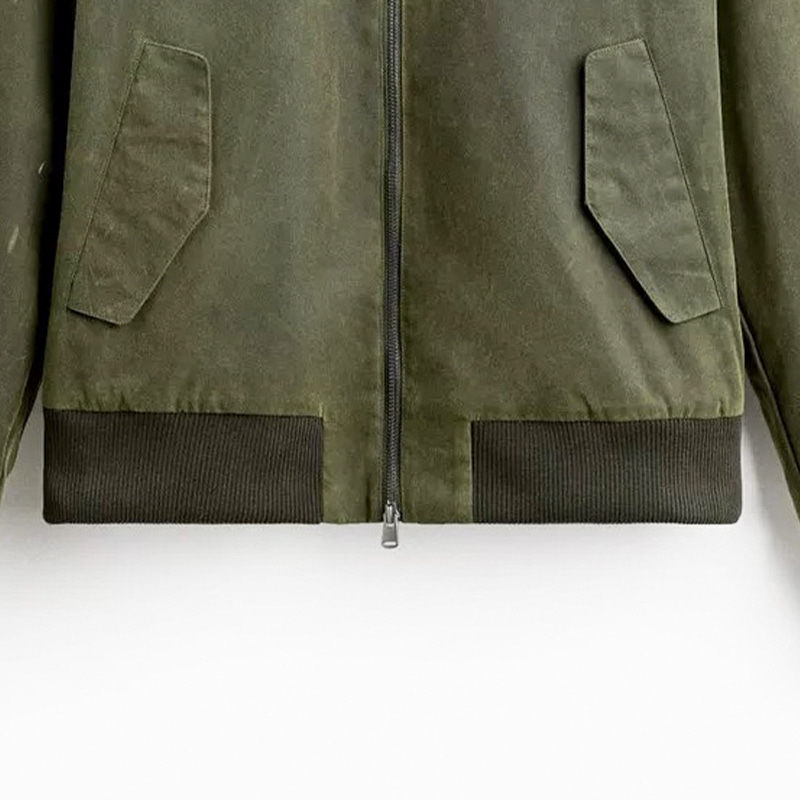
It is ideally suited for polo shirt sleeves and cuffs, where its ribbed structure ensures a comfortable, snug fit. It is also an excellent choice for garment hems, cuffs on jackets, and other components of casual apparel where an elastic, branded finish is desired. Its jacquard pattern makes it a favorite for branded sportswear and custom garment manufacturing, as it allows for a clean, high-end integration of a logo or design. The fabric can be used in retail fashion collections where designers are looking for textured, high-quality trims to elevate their designs.
The versatility of this fabric is a testament to its quality. Its ability to meet the demands of both mass-market production and high-fashion design makes it a favored choice for designers and brands focused on quality and innovation.
Care and Longevity
Investing in a high-quality fabric also means investing in the longevity of the garment. The fabric is designed to withstand the rigors of active use and repeated washing. To maintain its performance, simple care routines are recommended. Machine washing in cold or warm water with similar colors is typical. Using a gentle cycle and mild detergent will help preserve the fibers. It is advisable to avoid bleach and fabric softeners, which can affect the polyester fibers and spandex elasticity. Tumble drying on low heat or air drying is recommended to maintain the fabric's shape and recovery properties.
This straightforward maintenance ensures that garments made from this fabric continue to perform and look great for a long time. The fabric's durability, combined with its performance characteristics, makes it a wise investment for both consumers and brands.
Conclusion
The Polyester Letter Jacquard Ribbed Polo Shirt Sleeve Fabric is a meticulously engineered textile that exemplifies the best of modern apparel design. Its blend of advanced technical properties and integrated branding capabilities offers an exceptional balance of performance and aesthetics. The fabric's design, defined by its durable polyester-spandex blend and distinctive letter jacquard pattern, provides a sophisticated foundation for creating garments that are both functional and memorable. Whether for a prestigious polo shirt line or a high-end casual wear collection, this fabric represents a leading choice for brands seeking to deliver quality, comfort, and a strong visual identity.
Frequently Asked Questions
References
- Jilida Technical Specifications for Polyester Letter Jacquard Ribbed Fabric.
- Industry standards for ribbed knit fabric performance.
- Comparative analysis of jacquard vs. printed textiles.
- Consumer preference data on branded apparel features.