 English
 Español
Content
Imagine you are reviewing rib knit swatches for a new line of athletic hoodies and casual polos. Two materials keep coming back: cotton rib and polyester-spandex rib. Each has a distinct personality, and choosing the wrong one can lead to fit issues, pilling, moisture complaints, or order returns. The short answer is that polyester-spandex rib is the better performer in sportswear, while cotton rib delivers a softer, more natural feel in casual wear. For mixed-use garments that need both function and comfort, a high-stretch polyester-spandex rib with a smooth face offers the most balanced compromise.
The Short Answer: Match the Rib to the End Use
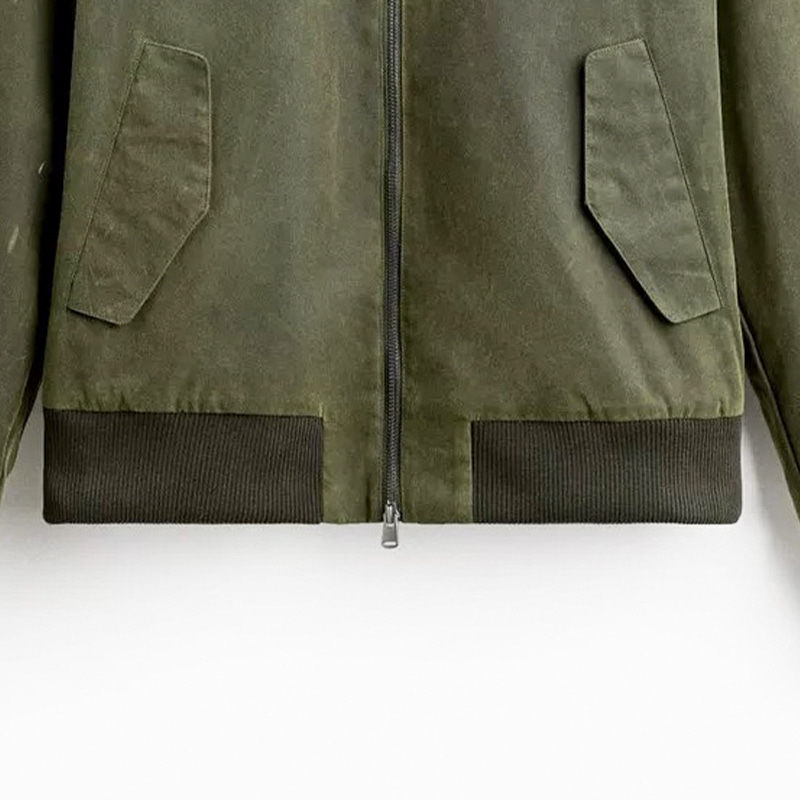
No material wins in every application. Sportswear demands rapid moisture movement, stretch recovery, and consistent shape even after repeated washing. Polyester-spandex rib answers those demands with a durable synthetic core and elastane fibers that return to shape. Cotton rib, on the other hand, feels naturally soft, breathes well in low-sweat scenarios, and drapes with a classic matte look. The key is to define the end use first, then select the rib construction and fiber blend that satisfies the real performance criteria rather than relying on tradition.
Side-by-Side Performance Comparison
The table below summarizes the most important differences a buyer should know when comparing the two rib materials.
| Attribute | Cotton Rib | Polyester-Spandex Rib |
|---|---|---|
| Stretch recovery | Good, but loses elasticity over time | Excellent, retains shape after repeated stretch |
| Moisture management | Absorbs moisture, dries slowly | Wicks moisture, dries rapidly |
| Durability | Moderate; prone to pilling and abrasion in high-stress areas | High; resists pilling and stands up to machine washing |
| Appearance | Matte, natural; wrinkles and fades after frequent wash | Smooth, lustrous optional; holds color and shape better |
| Comfort | Soft, breathable, skin-friendly in dry conditions | Cool touch; may feel less natural to sensitive skin |
| Cost | Historically higher raw material cost for long-staple cotton | Often more cost-efficient and highly consistent |
The reasons behind these differences are rooted in fiber chemistry. Cotton is a hydrophilic natural fiber: it absorbs sweat, swells, and dries slowly. Polyester is hydrophobic, meaning it does not soak up water, and blended with spandex it creates a fabric that wicks moisture and bounces back to its original dimensions. That chemistry is why a polyester-spandex rib often outperforms cotton rib in high-output athletic wear.
Why Polyester-Spandex Rib Delivers in Sportswear
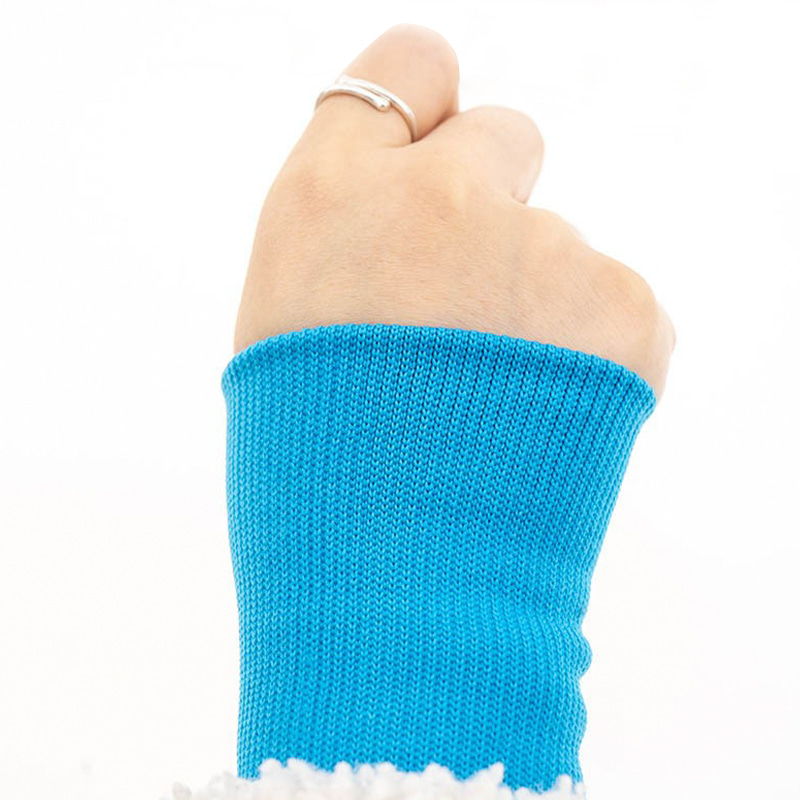
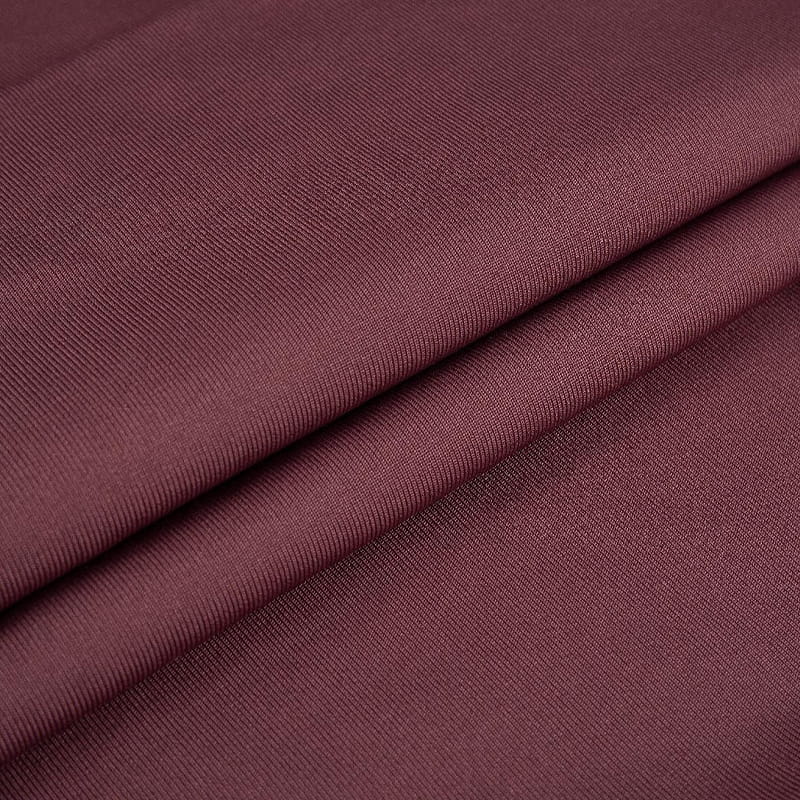 1x1 Polyester Spandex Ribbed Fabric for Athletic SportswearThis ribbed knit blends polyester and spandex for excellent stretch recovery and moisture wicking, making it a reliable choice for sportswear cuffs, collars, and hems that must retain shape through repeated wear and washing.View Product →
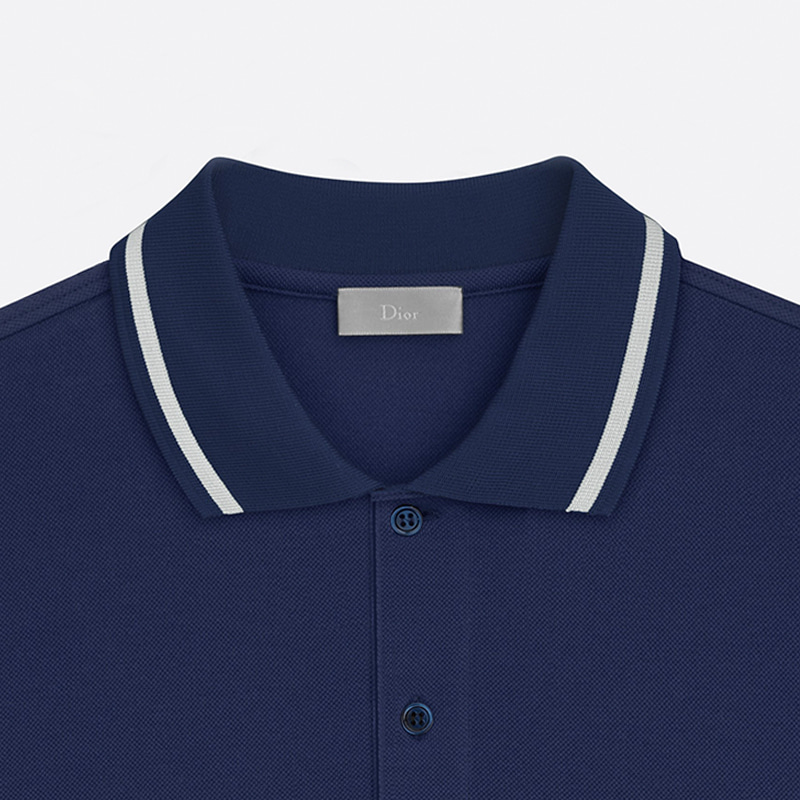
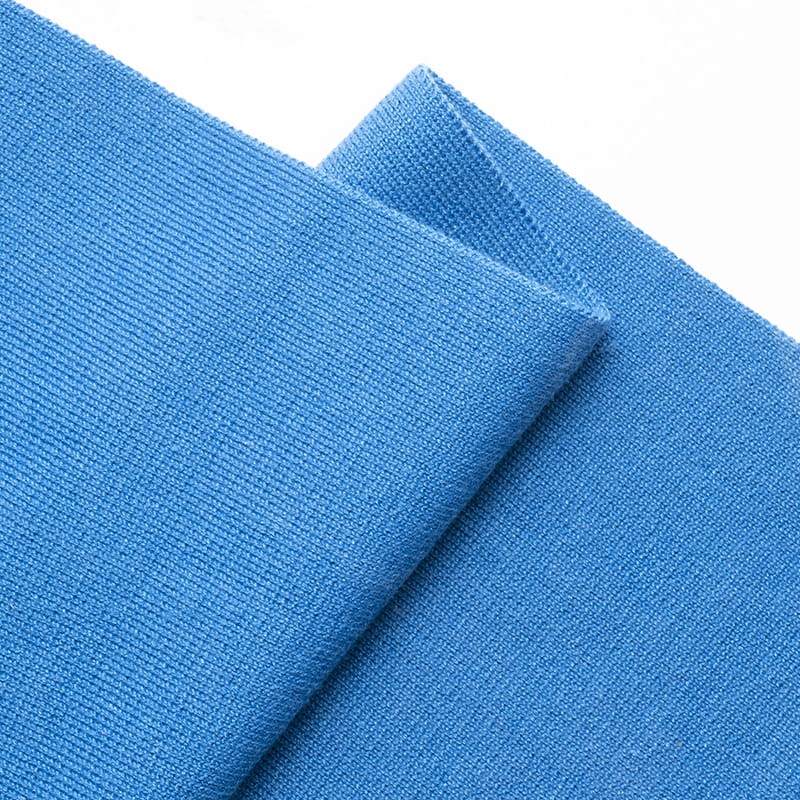
In sportswear, the ribbed fabric needs to move with the athlete, not against them. A 1x1 rib construction with polyester and spandex provides a tight, elastic grip around wrists, collars, and hems without cutting off circulation. Lab-style tests typically measure stretch recovery at 20–30% elongation, and a well-constructed polyester-spandex rib returns to nearly its original length after repeated cycles. Cotton rib, by contrast, often shows permanent elongation after several washes, which produces the sagging cuffs and loose necklines that a buyer can see within a few weeks of use.
Moisture management is another deciding factor. A polyester-spandex rib draws sweat away from the skin to the outer surface, where it can evaporate. This helps prevent the clammy sensation that athletes feel with cotton rib once they stop moving. For high-intensity shoulder seams, side panels, or bottom hems, the durable 1x1 polyester ribbed stretch fabric also holds up against rubbing and machine washing, unlike cotton which tends to pill in high-friction zones.
The relationship between rib structure and elasticity is an important detail. A 1x1 rib is more form-fitting and elastic, whereas a 2x2 rib has a heavier feel and more pronounced texture. In sportswear, the 1x1 construction is frequently chosen for cuffs and hem bands, while 2x2 can be used for more structured waistbands. If you want to understand how the basic knit construction affects performance, this overview of ribbed fabric features and advantages explains the mechanics in more practical terms.
Where Cotton Rib Earns Its Place in Casual Wear
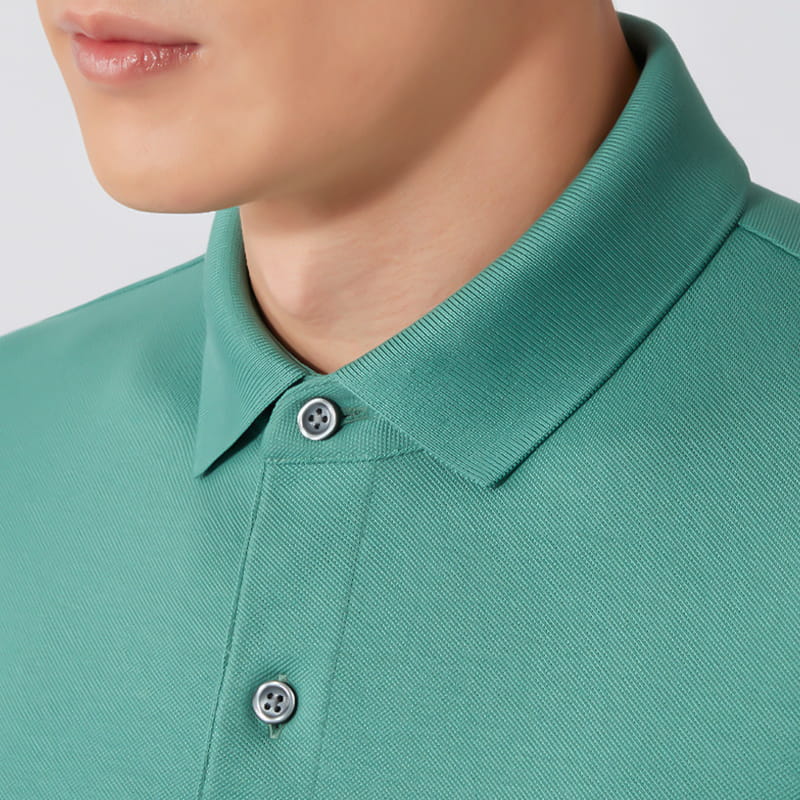
Casual wear is a different world. Think about a relaxed crew-neck sweatshirt, a soft polo, or a comfortable pajama bottom. Here, cotton rib feels warmer, softer, and more natural against the skin. It has a matte finish that blends well with denim or woven fabrics, and its substantial drape can create a flattering silhouette without looking shiny or synthetic. Cotton also accepts dye differently, giving a slightly distressed or heathered appearance that many lifestyle brands prefer.
But cotton rib is not free from challenges. It wrinkles after a few hours, can shrink if not pre-shrunk, and may lose its stretching ability in the waistband or cuff. If you want the soft appearance of casual rib but still need shape retention and easy care, a heavier 2x2 polyester-spandex rib can be a strong alternative. The extra elastane content helps the waistband keep its form, and the polyester content reduces the risk of shrinkage in home laundry.
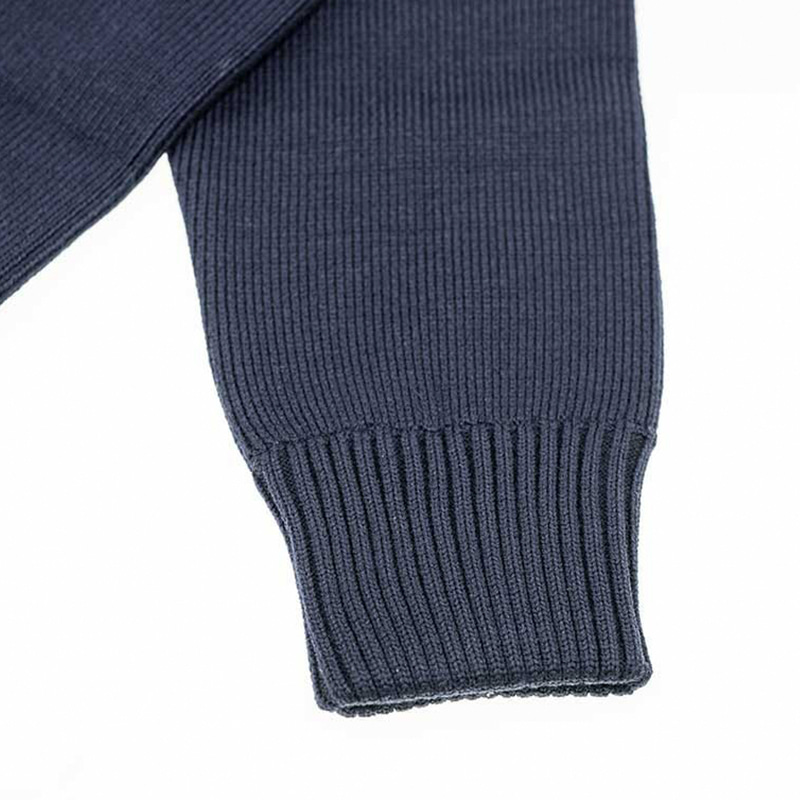
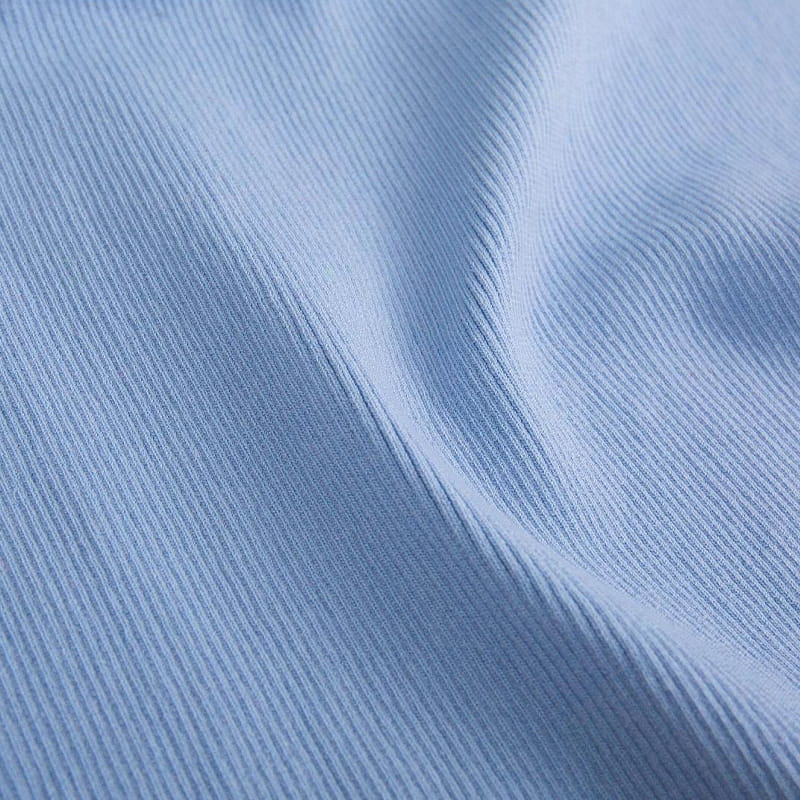 2x2 Polyester Spandex Ribbed Knit for Durable ApparelWith a higher spandex content, this 2x2 rib knit offers enhanced shape retention and easy care, ideal for casual garments like loungewear or waistbands that need both structure and comfort.View Product →
For a garment that is worn around the house but also thrown in the machine on a regular basis, the stretch 2x2 polyester ribbed knit apparel fabric offers a practical balance: it maintains a clean knit pattern, dries quickly, and will not develop the stretched-out cuffs that cotton often does. It is a comparison worth having with your supplier before placing an order, because the final choice affects not only the initial handfeel but also returns, complaints, and overall branding.
Sourcing and Buying Considerations
When you compare quotes from different suppliers, the material performance is only half the story. You also need to confirm tolerances, testing protocols, and batch consistency. A few points that rarely appear on a specification sheet but matter in actual production include:
- Stretch recovery percentage after 20 or 50 stretch cycles, not just the initial elongation percentage.
- Color fastness to washing, light, and perspiration, especially for dark polyester-spandex blends.
- Shrinkage limits for rolled and cut rib material, since a high shrinkage rate can ruin finished garments.
- Pilling rating, particularly for areas that rub against the arm or body continuously.
- Whether the supplier can handle custom rib widths, densities, and jacquard patterns for a seasonal collection.
Many rib knit suppliers, including the author of this article, operate with a mix of domestic and imported computerized flat knitting machines and can produce custom structures such as 1x1, 2x2, seamless, and jacquard rib. If you are working with a supplier that emphasizes sustainable practices, ask about their dyeing process. Some fabric treatments, like Anding dyeing, can improve the handfeel and color depth while reducing the environmental burden, though this is not a universal option.
Final advice: Do not let “whatever is cheaper” decide the material for you. Instead, map the actual wear conditions of your garment. For performance sportswear, choose a polyester-spandex rib with proven stretch recovery and moisture transport. For relaxed casual wear, cotton rib can deliver the organic feel your customers expect, provided you control shrinkage and pilling. And when both markets meet in one product line, a medium gauge 2x2 polyester-spandex rib may be the safest production choice.