 English
 Español
Content
- 1 Understanding the Mechanism: The Science of Breathable Ribbed Clothing Fabric
- 2 Core Advantages: The Performance Benefits of Breathable Ribbed Clothing Fabric
- 3 Fabric Comparison: Breathable Ribbed vs. Standard Ribbed vs. Plain Knit Fabrics
- 4 Performance Metrics: Key Indicators of Quality
- 5 Understanding the Application Process
- 6 Applications and Design Versatility
- 7 Care and Longevity
- 8 Conclusion
- 9 Frequently Asked Questions
- 10 References
In the world of modern apparel design and textile manufacturing, the selection of fabric is a critical decision that directly influences the final product's comfort, performance, and aesthetic appeal. Among the myriad of options available, the Breathable Ribbed Clothing Fabric has emerged as a sophisticated and versatile solution for creating garments that offer superior comfort, structure, and moisture management. This article provides a detailed technical analysis of this vital material, exploring its composition, performance characteristics, and the advantages it offers over standard knit fabrics.
This comprehensive guide is intended for apparel designers, textile engineers, and procurement specialists who seek to understand the nuances of high-performance ribbed knit materials. We will delve into the science behind its breathability, the engineering of its ribbed structure, and its critical role in creating products that enhance both comfort and performance. Understanding these elements is essential for making an informed sourcing decision that elevates the quality and functionality of product lines.
Understanding the Mechanism: The Science of Breathable Ribbed Clothing Fabric
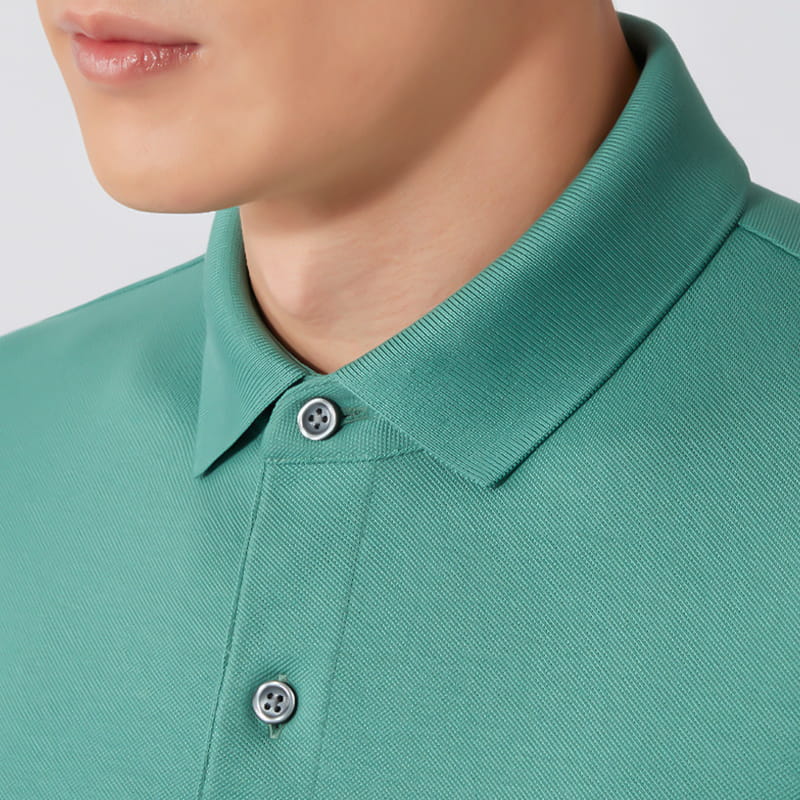
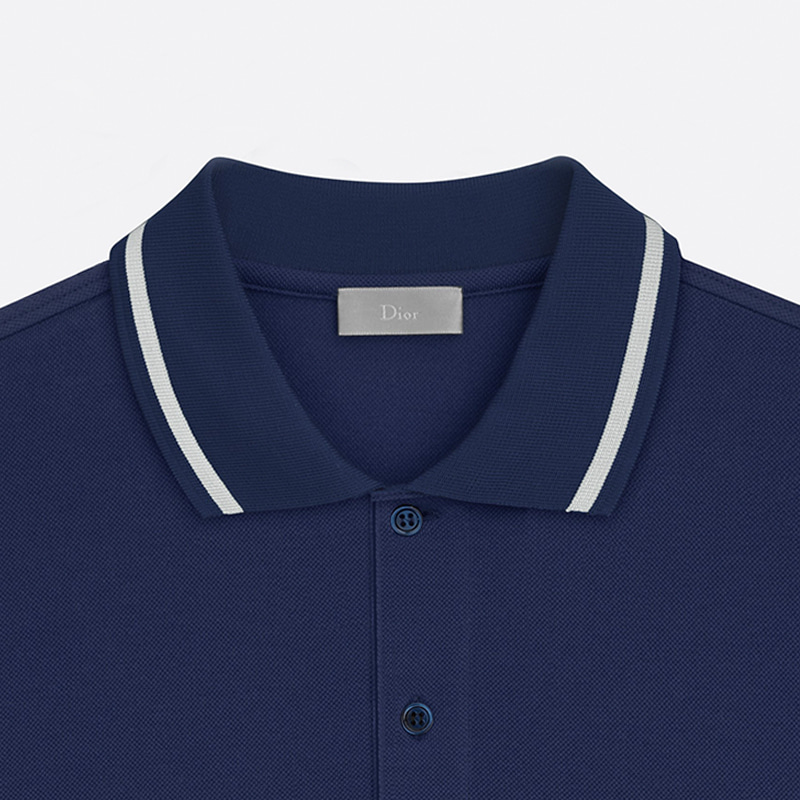
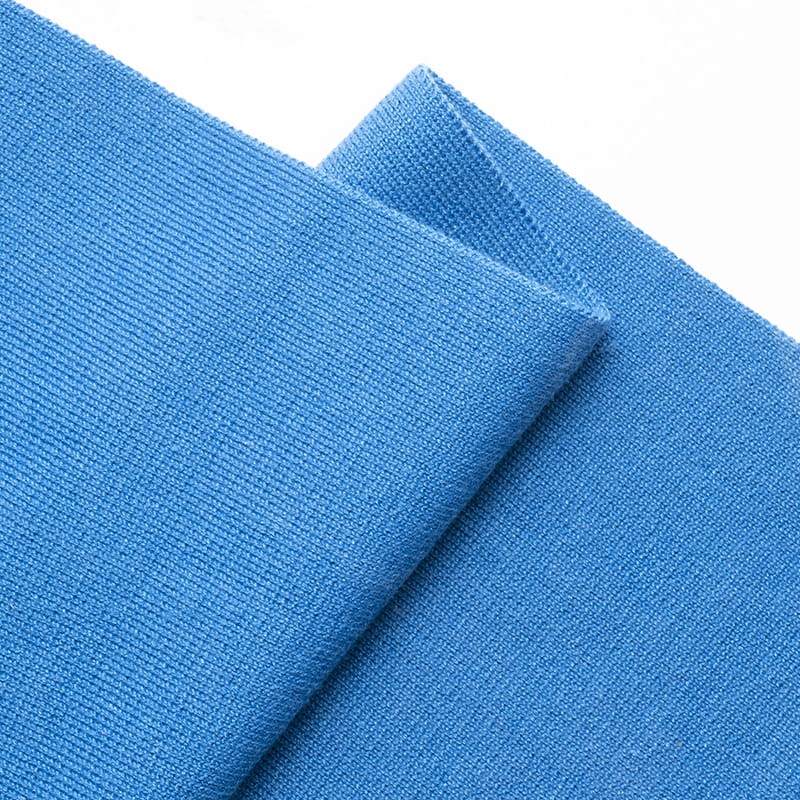
The defining characteristic of breathable ribbed clothing fabric is its ability to provide excellent airflow and moisture management while maintaining the structural integrity and stretch of a ribbed knit. This is fundamentally different from standard ribbed fabrics, which may not prioritize breathability, or basic knits that lack the structural benefits of a ribbed construction. Breathable ribbed fabric achieves this through a combination of fiber selection, knit construction, and pattern design.
One key mechanism is the use of breathable fibers and yarns that allow air to circulate and moisture to evaporate. The ribbed knit structure, characterized by alternating raised and recessed vertical columns, creates channels that further enhance airflow. The hollow pattern design, often achieved through jacquard knitting, can create open areas in the fabric that increase breathability without compromising the fabric's structure. The combination of these elements results in a fabric that is both comfortable and functional, making it ideal for activewear, underwear, and other applications where moisture management is critical.
This breathability is crucial for garments worn close to the skin or during physical activity, as it helps to regulate body temperature and prevent the discomfort of trapped moisture. The ribbed structure also provides excellent stretch and recovery, ensuring a comfortable fit that moves with the body.
Core Advantages: The Performance Benefits of Breathable Ribbed Clothing Fabric
Modern breathable ribbed clothing fabric is engineered to provide a combination of comfort, structure, and moisture management. Beyond simple breathability, these materials are designed to offer a range of performance benefits crucial for demanding applications. The fabric's ability to maintain its properties over time is a key indicator of its quality.
One of the most critical performance features is the effective moisture management provided by the breathable construction. The fabric quickly wicks moisture away from the skin and allows it to evaporate, keeping the wearer dry and comfortable. This is essential for activewear and garments worn in warm conditions. The hollow pattern and ribbed structure create channels that enhance airflow and speed up drying.
Another key feature is the fabric's structural integrity and stretch. The ribbed knit provides excellent elasticity and recovery, allowing the garment to maintain its shape and fit over time. The fabric's stretch also ensures a comfortable, body-hugging fit that allows for freedom of movement. The combination of breathability and stretch makes this fabric a popular choice for a wide range of applications.
Fabric Comparison: Breathable Ribbed vs. Standard Ribbed vs. Plain Knit Fabrics
To fully appreciate the value of breathable ribbed clothing fabric, it is useful to compare it against other common fabric types used in similar applications. The choice between breathable ribbed, standard ribbed, or plain knit fabric can significantly impact a garment's comfort, performance, and durability.
| Feature | Breathable Ribbed Fabric | Standard Ribbed Fabric | Plain Knit Fabric |
|---|---|---|---|
| Breathability | Excellent; enhanced airflow and moisture management | Moderate; limited airflow | Good; depends on construction |
| Moisture Management | Excellent; quick-drying | Moderate; can trap moisture | Moderate; varies |
| Structure & Stretch | Excellent; ribbed construction | Excellent; ribbed construction | Good; basic stretch |
| Comfort | Excellent; soft and breathable | Good; can be warm | Good; depends on fiber |
| Design Versatility | Excellent; hollow patterns available | Good; limited pattern options | Good; versatile |
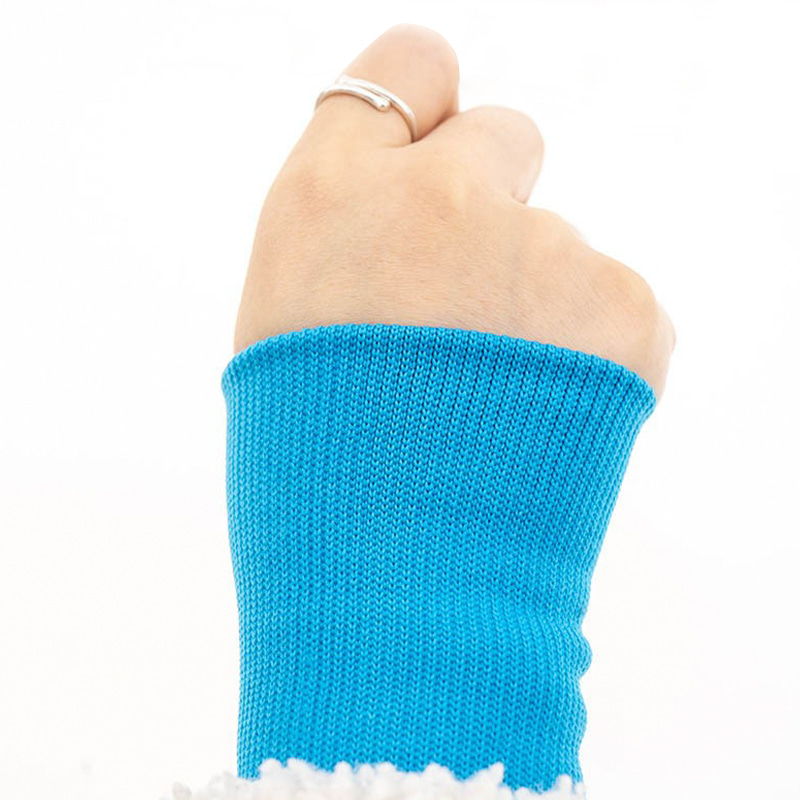
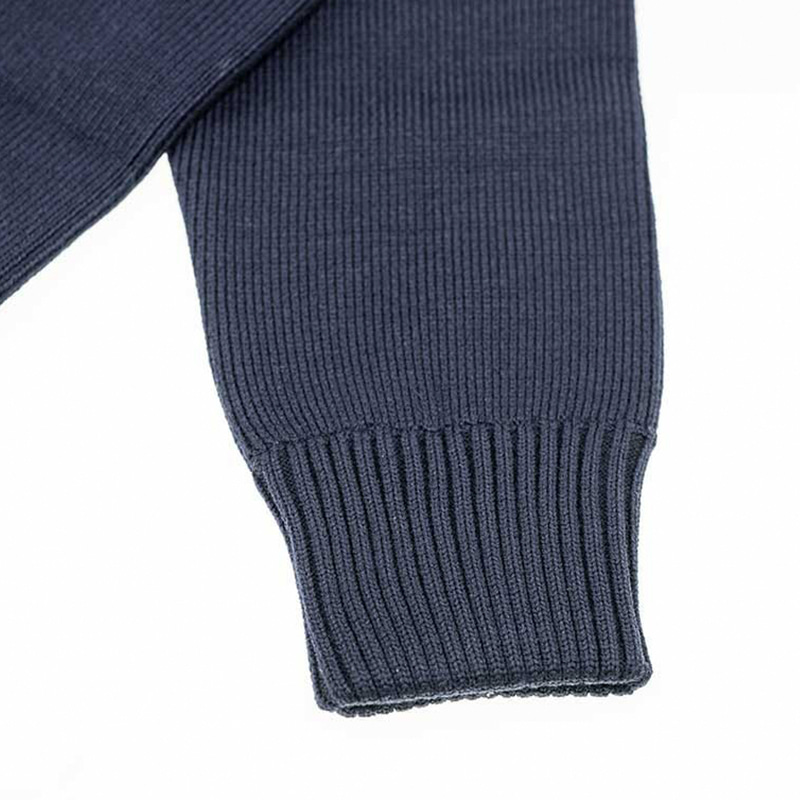
| Best Application | Activewear, underwear, summer apparel | Sweaters, cuffs, waistbands | T-shirts, casual wear |
As the table illustrates, breathable ribbed clothing fabric offers a compelling combination of features that make it an essential choice for applications requiring both comfort and moisture management. While standard ribbed fabric provides structure, it may not offer the same level of breathability. Plain knit fabrics are versatile but lack the structural benefits of ribbed knits. Breathable ribbed fabric excels in its niche, delivering comfortable, functional, and versatile performance.
Performance Metrics: Key Indicators of Quality
The quality of a product like breathable ribbed clothing fabric is measured by several key performance indicators. These metrics provide a quantifiable assessment of its suitability for various applications. The following data highlights the fabric's core capabilities, underscoring its value in the textile industry.
These metrics demonstrate that the fabric is engineered for professional-level performance. The breathable construction ensures comfort, the ribbed structure provides stretch and recovery, and the hollow pattern enhances airflow. This combination of features provides exceptional value for both manufacturers and end-users.
Understanding the Application Process
The journey from raw materials to finished breathable ribbed clothing fabric is a complex process that requires precision at every stage. Understanding this workflow illustrates the quality control and engineering that goes into creating a premium material. This diagram outlines the step-by-step process, from fiber selection to final inspection.
Fiber and Yarn Preparation
Breathable fibers are precisely prepared and spun into yarns for ribbed knitting.
Ribbed Knitting with Hollow Pattern
The yarns are knitted using specialized techniques to create the ribbed structure and hollow pattern that enhance breathability.
Finishing and Quality Control
The fabric undergoes finishing processes to enhance its performance. Rigorous quality inspections verify breathability, stretch, and dimensional stability.
This structured process, when followed by experienced manufacturers, ensures that the final product meets the highest standards for performance and quality.
Applications and Design Versatility
Breathable ribbed clothing fabric is a versatile material that lends itself to a wide range of apparel applications. Its combination of comfort, structure, and moisture management makes it a preferred choice for many different garment types and designs.
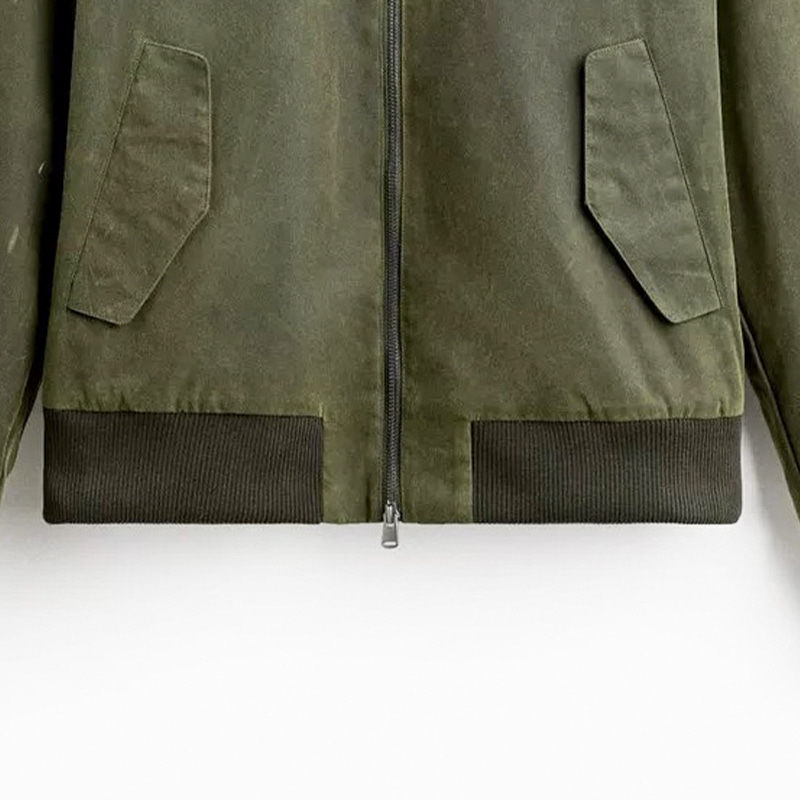
It is ideally suited for activewear, including sports tops and leggings, where its breathability and stretch enhance performance and comfort. It is also an excellent choice for underwear and base layers, where its moisture-wicking properties keep the skin dry. The fabric is used in summer apparel, including t-shirts and dresses, where its breathability provides comfort in warm conditions. Its ability to provide both comfort and structure makes it a popular choice for designers and manufacturers. The fabric's versatility is a testament to its quality, meeting the demands of diverse applications.
Care and Longevity
Investing in high-quality breathable ribbed clothing fabric also means investing in the longevity of the garment. To maintain its performance and appearance, proper care is essential. Washing the garment in cold water on a gentle cycle using a mild detergent will help preserve the fibers and the breathable properties. Avoid using fabric softeners, as they can coat the fibers and reduce the fabric's breathability. Tumble drying on low heat or air drying is recommended to prevent damage to the knit structure.
This straightforward care, combined with the product's robust engineering, ensures that garments made from breathable ribbed clothing fabric will remain a trusted component for many seasons.
Conclusion
Breathable ribbed clothing fabric is a meticulously engineered material that exemplifies the best of modern textile technology. Its blend of breathability, structural integrity, and comfortable performance offers an exceptional balance of functionality and comfort. The fabric's design, defined by its advanced ribbed construction and hollow pattern, provides a sophisticated foundation for creating garments that enhance both comfort and performance. Whether for activewear, underwear, or summer apparel, this fabric represents a leading choice for brands seeking to deliver quality, comfort, and functionality.
Frequently Asked Questions
References
- Technical specifications for breathable and ribbed knit fabrics.
- Industry standards for fabric breathability and moisture management testing.
- Comparative analysis of ribbed vs. plain knit fabric applications.
- Consumer and professional preference data on comfortable, breathable apparel fabrics.